
Introduction
For SEAT vehicle owners, understanding brake wear is essential. It plays a crucial role in maintaining your car’s performance and ensuring safety on the road. Brake wear can greatly influence how your vehicle handles, stops, and the longevity of its components. In this guide, we will explore SEAT brake wear, offering insights into its causes, symptoms, and best practices for maintenance.
By comprehending brake wear, you can enhance your driving experience, prolong your vehicle's life, and promote safety. Throughout this blog, you will gain valuable insights into factors that contribute to brake wear, how to spot warning signs, and effective strategies for maintaining your brakes. Whether you're a seasoned SEAT owner, an automotive enthusiast, or thinking about purchasing a SEAT, this information will equip you with essential knowledge about brake maintenance.
What is Brake Wear and Why It Matters
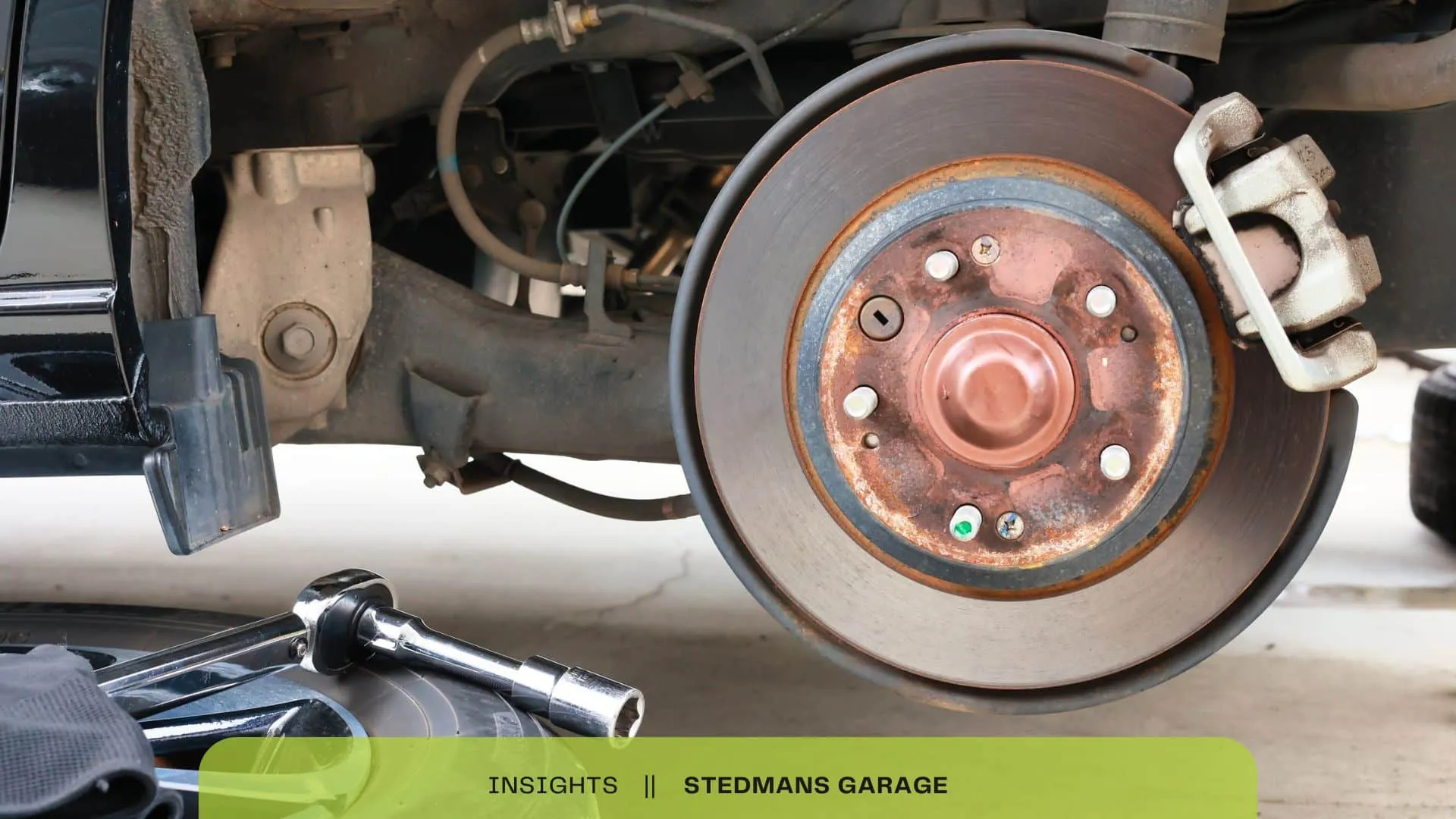
Brake wear refers to the gradual deterioration of braking components, particularly brake pads and discs, due to friction and heat generated during braking. Over time, this wear can significantly affect your vehicle's braking performance and poses serious safety risks.
The Significance of Brake Wear
- Safety: The brake system is vital for your vehicle's safety. Worn brakes can result in increased stopping distances, leading to potential accidents.
- Performance: Consistent brake wear affects how your vehicle responds when braking, leading to poor handling and less driving comfort.
- Cost-Effectiveness: Addressing brake wear proactively can save you money over time. Ignoring it can lead to costly repairs or even the need for a complete brake system replacement.
Understanding brake wear is essential for ensuring both your safety and that of your passengers, as well as other road users. Regular maintenance can help prevent premature wear and costly repairs, enhancing your vehicle's longevity and effectiveness.
Common Causes of Brake Wear in SEAT Vehicles
Driving Habits
Aggressive driving habits, such as rapid acceleration, heavy braking, and speeding, can significantly hasten brake wear.
- Frequent Hard Braking: Habitually braking hard when approaching stops can wear down brake pads much quicker than gentle braking would.
- Inadequate Speed Management: Not anticipating traffic flow, particularly in urban settings, can lead to sudden stops, contributing to increased wear.
Terrain and Environmental Factors
The environment where you drive markedly influences the rate of brake wear.
- Hilly Areas: Driving downhill requires more braking force, leading to quicker wear. If you live in a region with many hills, your brakes may wear down faster due to increased friction.
- Urban Driving: Stop-and-go traffic, common in urban areas, means frequent braking, which escalates wear over time, especially in the UK’s congested cities.
SEAT-Specific Components
SEAT vehicles may include specific design features that can affect brake wear.
- Brake Pad Composition: Some SEAT models may use softer brake pads for enhanced performance, which tend to wear more quickly than those made of harder materials used in other brands.
- Brake Disc Design: The configuration of brake discs in SEAT vehicles may lead to different wear patterns. For example, ventilated discs can dissipate heat more effectively, prolonging lifespan, while solid discs may wear out faster under similar conditions.
Understanding these factors can help SEAT owners cultivate better driving habits and make informed decisions regarding brake maintenance.
Symptoms of Brake Wear
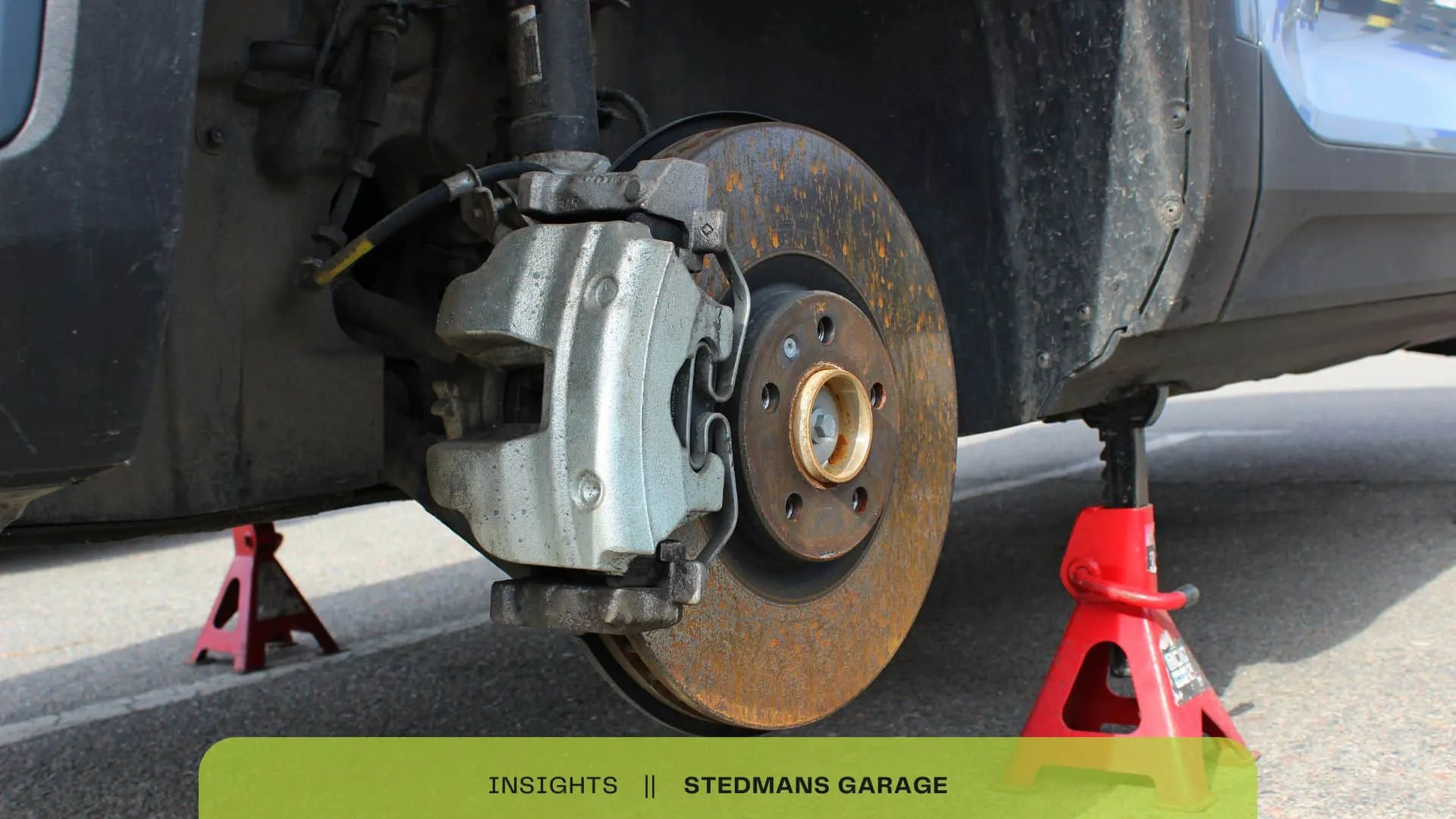
Recognising the signs of brake wear is vital for timely intervention. Here are common indicators that the brake pads or discs may need replacing:
- Squeaking or Squealing Noises: Unusual noises when braking are one of the most prominent signs of brake wear, often indicative that the brake pads are thinning.
- Vibration or Pulsation: If the steering wheel vibrates during braking, it could signal warped brake discs, possibly from overheating or uneven wear.
- Warning Lights: Modern SEAT vehicles feature warning systems that alert you when brake components are nearing the end of their life; keep an eye on dashboard alerts.
- Poor Performance: An increase in the distance needed to stop your vehicle is a critical sign that the brakes require urgent attention.
- Visual Wear: Regular inspections can show physical signs of wear, such as thinning pads or scoring on brake discs. The minimum recommended thickness for brake pads is often engraved; consult your vehicle manual for specifics.
In the UK's wet climate, moisture can exacerbate braking issues. It’s essential to stay vigilant for these symptoms, particularly as roads become slicker.
The Impact of Neglecting Brake Maintenance
Failing to maintain and replace worn brake components can lead to severe consequences, not just concerning vehicle performance but safety as well.
Risks Associated with Ignored Brake Wear
- Increased Stopping Distances: Worn brakes reduce stopping efficiency, creating a hazardous situation, especially in emergencies.
- Accidents: Ignoring brake issues may lead to accidents, affecting not just the driver but other road users too. Statistics indicate brake failure as a major contributor to accidents in the UK.
- Costly Repairs: Delaying addressing brake wear can cause secondary damage. For instance, worn brake pads can scratch rotor surfaces, requiring more costly replacements than timely pad changes.
Statistics That Resonate with UK Drivers
According to the UK Department for Transport, vehicle defects, including brake failure, contribute to over 1,500 road accidents yearly. This underscores the importance of regular brake maintenance for personal and public safety.
Solutions and Best Practices for Brake Maintenance
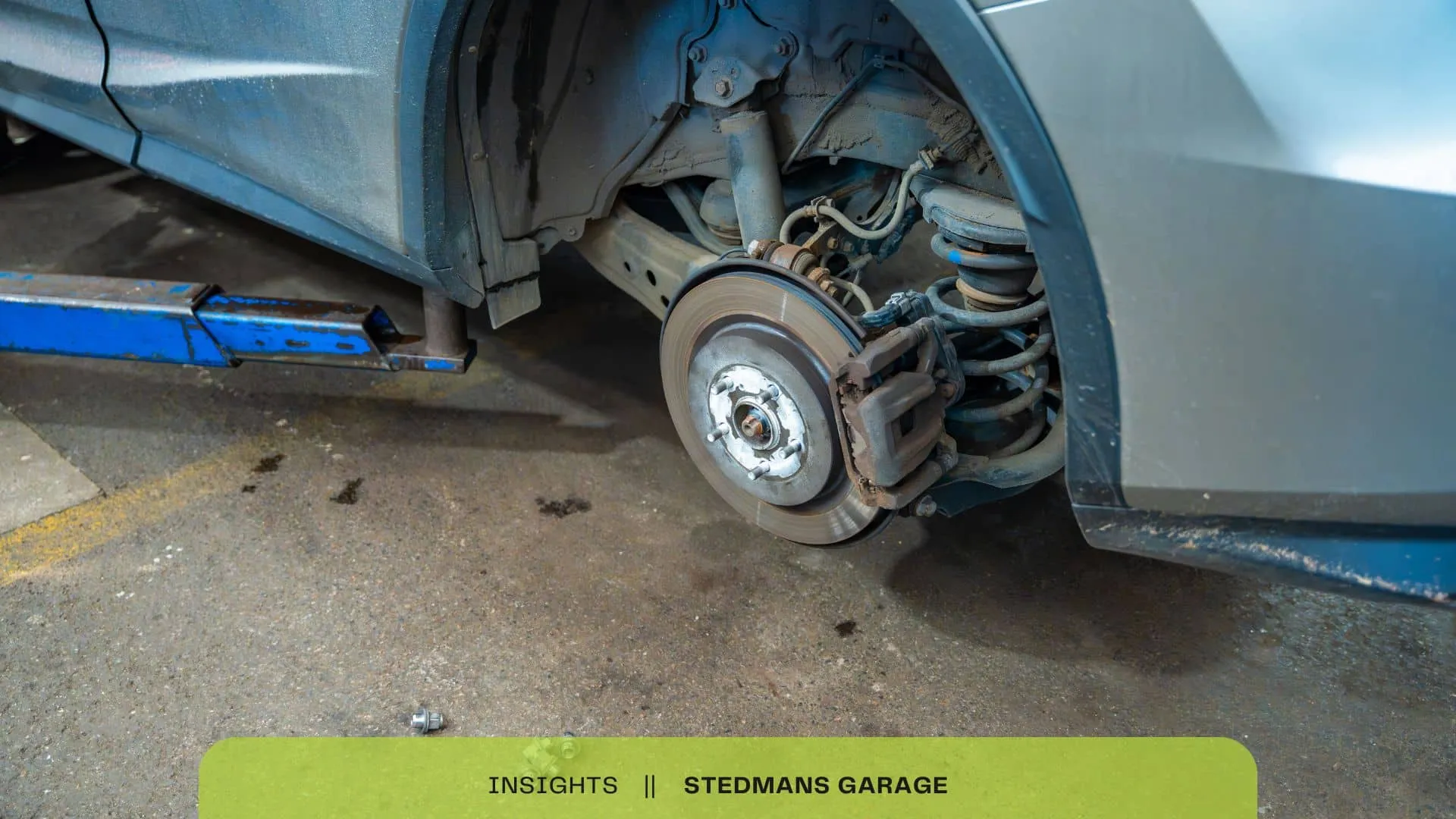
Maintaining your vehicle’s braking system is crucial for safety and performance. Here are essential strategies to keep your SEAT brakes in optimum working condition.
Regular Inspections
Conducting regular brake inspections is crucial. Here’s what to include:
- Frequency: Ideally, brakes should be checked every six months or at least annually, especially if your driving involves frequent urban scenarios.
- What to Check: Inspect brake pads for thickness, check the condition of the brake discs for warping, and look for any fluid leaks in the braking system.
Choosing the Right Brake Components
SEAT vehicles typically come equipped with OEM (Original Equipment Manufacturer) parts, specifically designed for each model.
- Brake Pads: Depending on your driving style, consider different brake pads. Performance drivers might prefer high-friction pads that offer better stopping power, albeit with faster wear.
- Brake Discs: When replacing, consider vented brakes for improved heat dissipation if you frequently drive in hilly areas.
When to Seek Professional Help
Knowing when to consult professionals is essential for effective brake maintenance. Signs include:
- Persistent Noises: Any ongoing squealing or grinding sounds during braking should be examined by a professional.
- Dashboard Alerts: Immediate attention is needed if the brake warning light illuminates.
- Difficulty in Braking: If your vehicle pulls to one side when braking or you notice significant changes in pedal feel, consulting an expert is advisable.
By following these practices and referencing your vehicle's manual for specific maintenance recommendations, you can significantly prolong your braking system's life.
Actionable Tips for Maintaining SEAT Brakes
Maintaining your SEAT brakes requires attention and proactive measures. Here’s a concise checklist to ensure your brakes remain in good condition:
- Monitor Brake Performance: Regularly check for unusual sounds, vibrations, or performance issues.
- Scheduled Maintenance: Follow your vehicle’s maintenance schedule for brake checks and replacements as noted in the owner’s manual.
- Use Quality Parts: Opt for OEM components for replacements; they’re specifically designed for your vehicle, offering optimal performance.
- Practice Good Driving Habits: Minimise aggressive driving and hard braking whenever possible to reduce wear.
- Clean the Brakes: Remove dust and debris regularly to prevent buildup that can cause wear.
- Seek Professional Inspections: Make it a rule to seek annual professional inspections alongside regular checks.
Implementing these straightforward yet effective actions helps ensure your SEAT’s braking system remains functional, safe, and reliable.
Conclusion
Understanding brake wear in your SEAT vehicle is pivotal for maintaining safety and enhancing performance. By recognising the causes and symptoms of brake wear, you can take appropriate measures to ensure that your braking system functions effectively.
Prioritising regular inspections, selecting quality components, and cultivating good driving habits can extend your brakes' lifespan and significantly contribute to road safety.
To keep your SEAT safe and reliable, schedule a professional brake inspection today. Proactive brake maintenance will not only save you money in the long run but also improve your driving experience.
Related reading: how heat affects your brakes and brake pad and disc replacement in Worthing