
Introduction
When it comes to vehicle safety and performance, few components are as critical as your braking system. Car brake repair goes beyond simply fixing problems; it's about ensuring your car operates safely and effectively every time you get behind the wheel.
Understanding Brake Systems
The Basics of Brake Systems
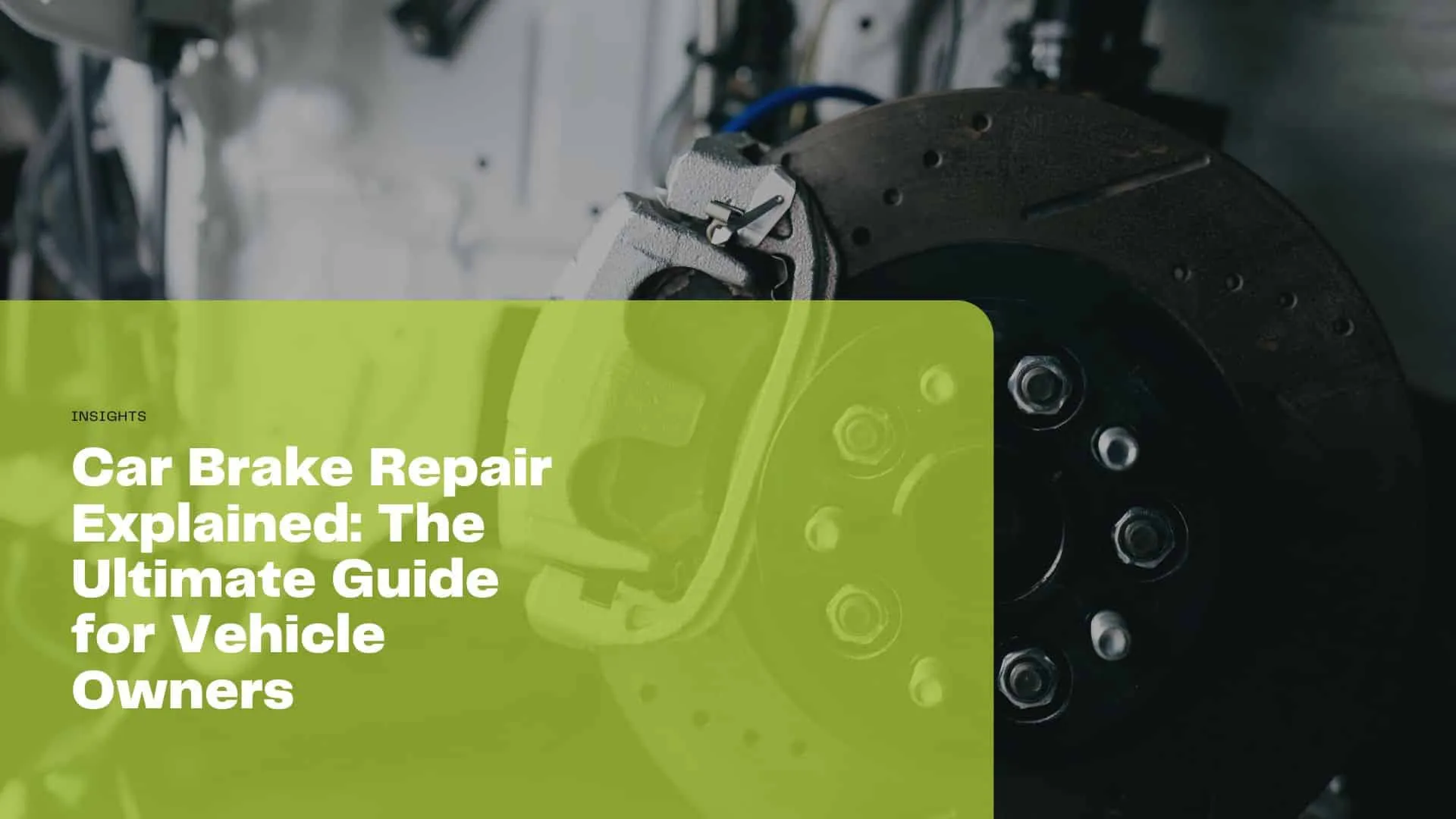
Brake systems are responsible for slowing down or stopping your vehicle, making them the most vital safety feature in any automobile. They work by converting kinetic energy into thermal energy through friction. The primary components involved include:
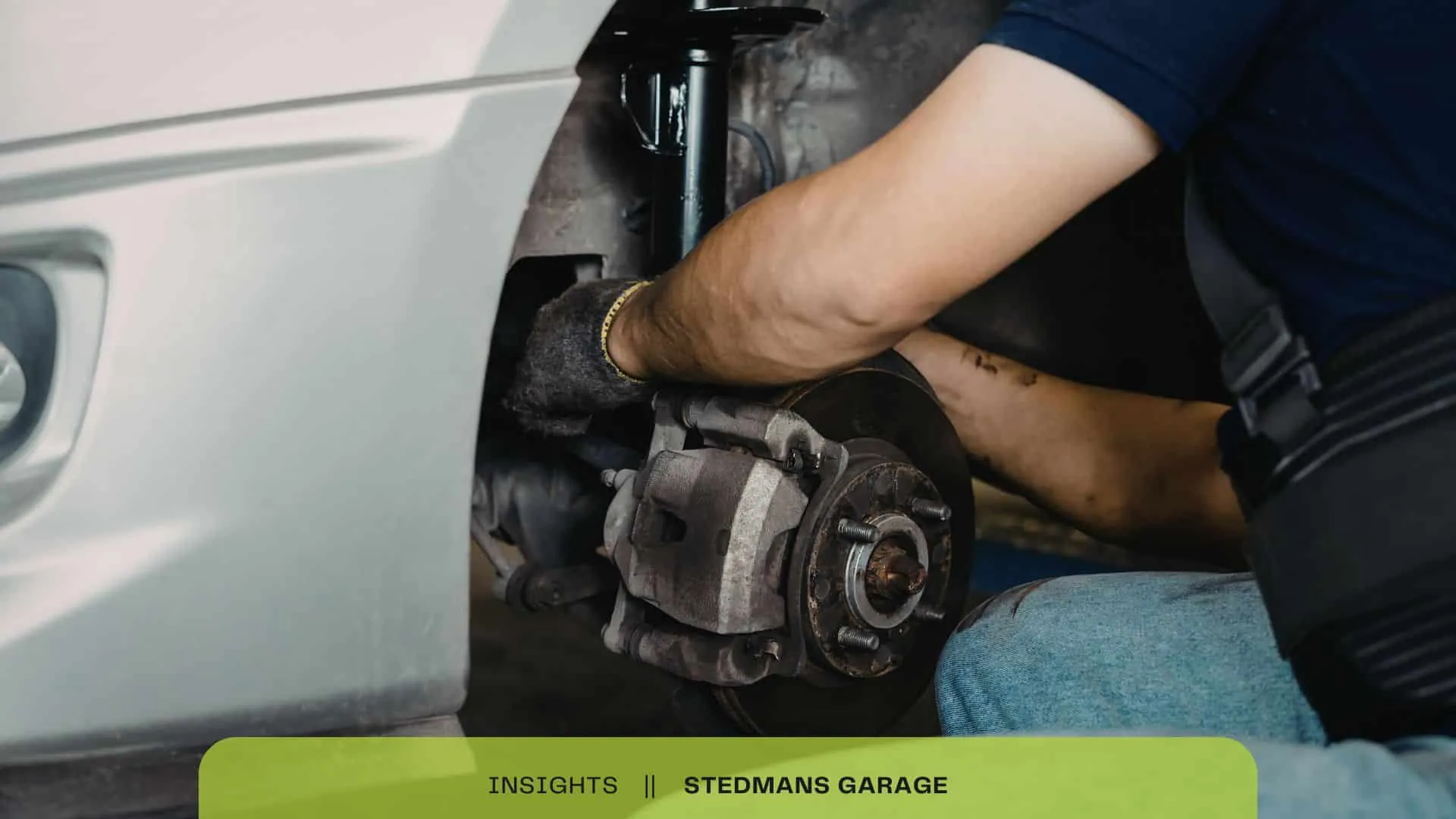
- Brake Pads: These are pressed against the brake discs to create friction. They wear down over time and require regular replacement.
- Brake Discs (Rotors): These are the metal discs that the brake pads clamp against to slow the wheel's rotation.
- Calipers: These house the brake pads and use hydraulic force to push the pads against the brake discs.
- Brake Fluid: This hydraulic fluid transfers the force from your brake pedal, through the brake lines, to the calipers, enabling the entire system to function properly.
Understanding these components helps drivers appreciate why each part is crucial to their vehicle's braking efficiency.
Types of Brake Systems
Brake systems can be broadly categorised into two types: disc brakes and drum brakes.
- Disc Brakes: Commonly found on the front (and increasingly the rear) of modern vehicles, disc brakes consist of a brake disc and caliper. When the brake pedal is pressed, hydraulic pressure causes the caliper to squeeze the brake pads against the disc. This setup generally offers highly reliable stopping power, especially in wet British weather conditions.
- Drum Brakes: Predominantly used in older vehicles or on the rear wheels of some modern smaller cars, drum brakes consist of a drum that rotates with the wheel and brake shoes that press against the inside of the drum to slow it down. While effective, they tend to generate more heat and may not perform as consistently under heavy load as disc brakes.
Both systems are designed to achieve the same fundamental goal: to stop your vehicle safely and efficiently.
Common Brake Issues
Identifying Brake Problems
Being aware of the potential problems associated with brake systems is crucial for early diagnosis and resolution. Some common issues include:
- Squeaking or Squealing Noises: Often caused by worn brake pads, these sounds usually indicate that the pads have reached their built-in wear indicators. Ignoring this issue can lead to metal-on-metal grinding and severe damage to the brake discs.
- Reduced Responsiveness (Spongy Pedal): If pressing the brake pedal feels unusually soft or requires extra effort to reach the floor, this could indicate air in the brake lines, degraded brake fluid, or a fluid leak. Prompt attention is necessary to avoid complete brake failure.
- Dashboard Warning Lights: Many modern vehicles feature dashboard indicators for brake issues. A warning light could indicate low brake fluid levels, issues with the Anti-lock Braking System (ABS), or worn brake pads.
Consequences of Ignoring Brake Problems
Neglecting these common warning signs can lead to significant consequences, including:
- Increased Repair Costs: Addressing a small squeak early may only require a simple brake pad replacement. Ignoring it can ruin the brake discs, significantly driving up your garage bill.
- Safety Hazards: A non-responsive brake system poses a severe safety risk to you, your passengers, and other road users.
- Further Damage: Problems like low brake fluid or sticking calipers can cause harm to other braking components, leading to a cascade of mechanical issues.
Maintenance and Best Practices
Prolonging Brake Lifespan
Understanding how to maintain your brake system is just as crucial as repairing it. Here are several best practices to keep your brakes in top condition:
- Regular Inspections: We recommend having a brake inspection at least once a year, or alongside your annual service and MOT.
- Monitoring Brake Fluid: Brake fluid is hygroscopic (it absorbs moisture over time). It should generally be replaced every two years to maintain optimal braking performance.
- Adjusting Driving Habits: Gentle acceleration and anticipation of the road ahead can extend the life of your brakes. Engine braking and avoiding harsh, late braking reduces excess stress on the system. Driving conditions also play a big role, particularly for premium vehicles like Audis in coastal and hilly areas of West Sussex.
- Using Quality Parts: When replacements are necessary, always opt for high-quality, OEM-standard parts. Investing in better materials ensures longer-lasting performance, no annoying squeaks, and absolute reliability.
Conclusion
In summary, understanding car brake repair and maintenance not only enhances your vehicle's performance but significantly contributes to your safety on the road. By being proactive about brake upkeep, vehicle owners can ensure their brakes function optimally and address potential issues before they escalate into dangerous and costly situations.
When it comes to vehicle safety, knowledge is power. Pay attention to what your car is telling you, and stay ahead of potential issues to keep your driving experience safe and smooth.
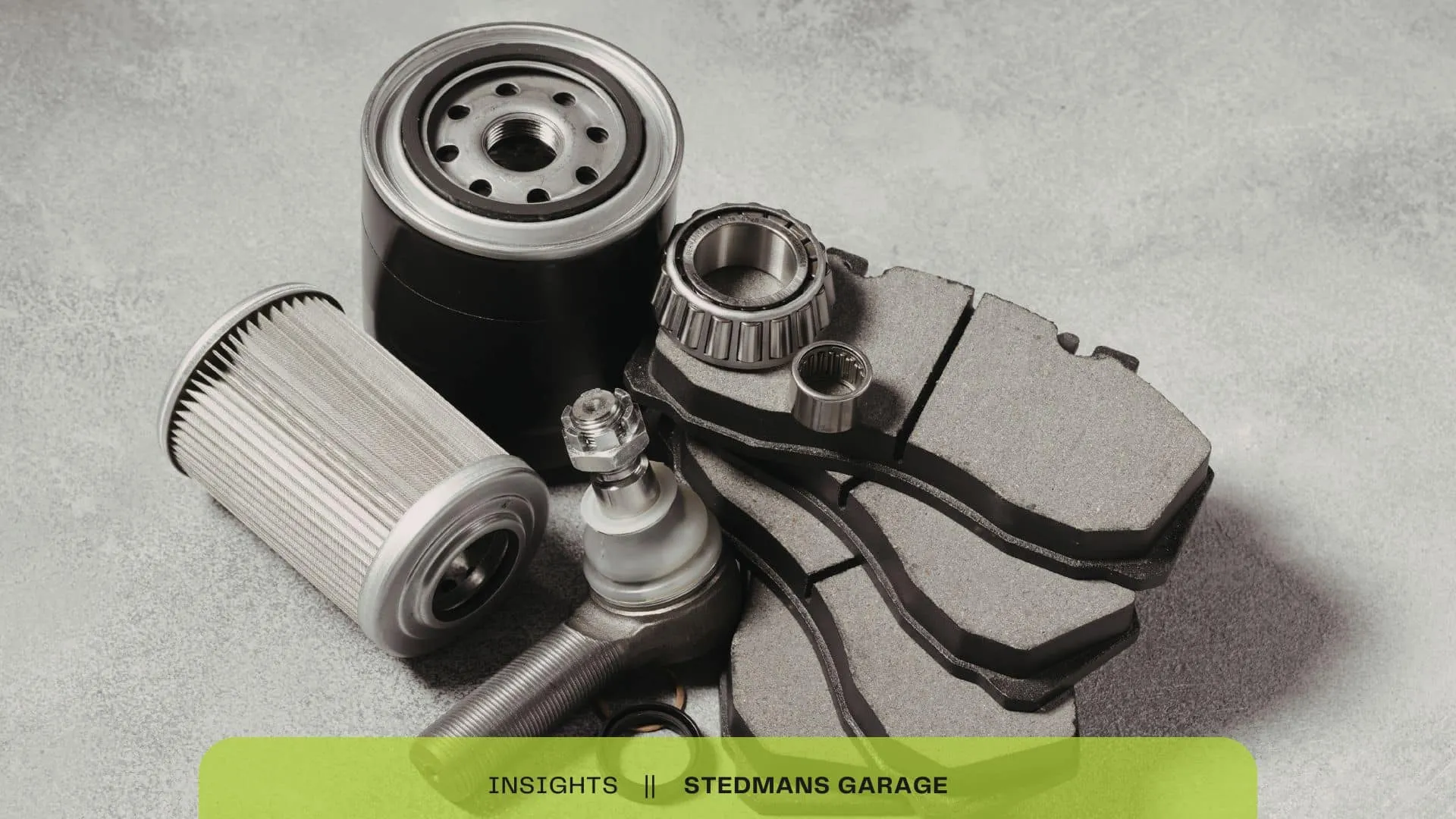
If the pads or discs need replacing, our brake pad and disc replacement in Worthing covers the work.
Are your brakes squeaking, or does your pedal feel a bit soft? Don't take chances with your safety. Contact our expert mechanics today to book a comprehensive brake inspection and get back on the road with complete peace of mind!