
When it comes to maintaining the integrity and safety of your Cupra vehicle, understanding brake wear is of paramount importance. Cupra, known for its sporty designs and high-performance vehicles, requires careful attention to brake maintenance to ensure both safety and optimal performance. This blog will delve into the intricate aspects of Cupra brake wear, helping owners recognise signs, understand underlying causes, and implement effective maintenance solutions.
By the end of this article, you will be equipped with actionable insights to keep your braking system in excellent condition, ultimately ensuring your vehicle's safety on the road.
What is Brake Wear and Why It Matters for Cupra Owners?
Understanding Brake Wear
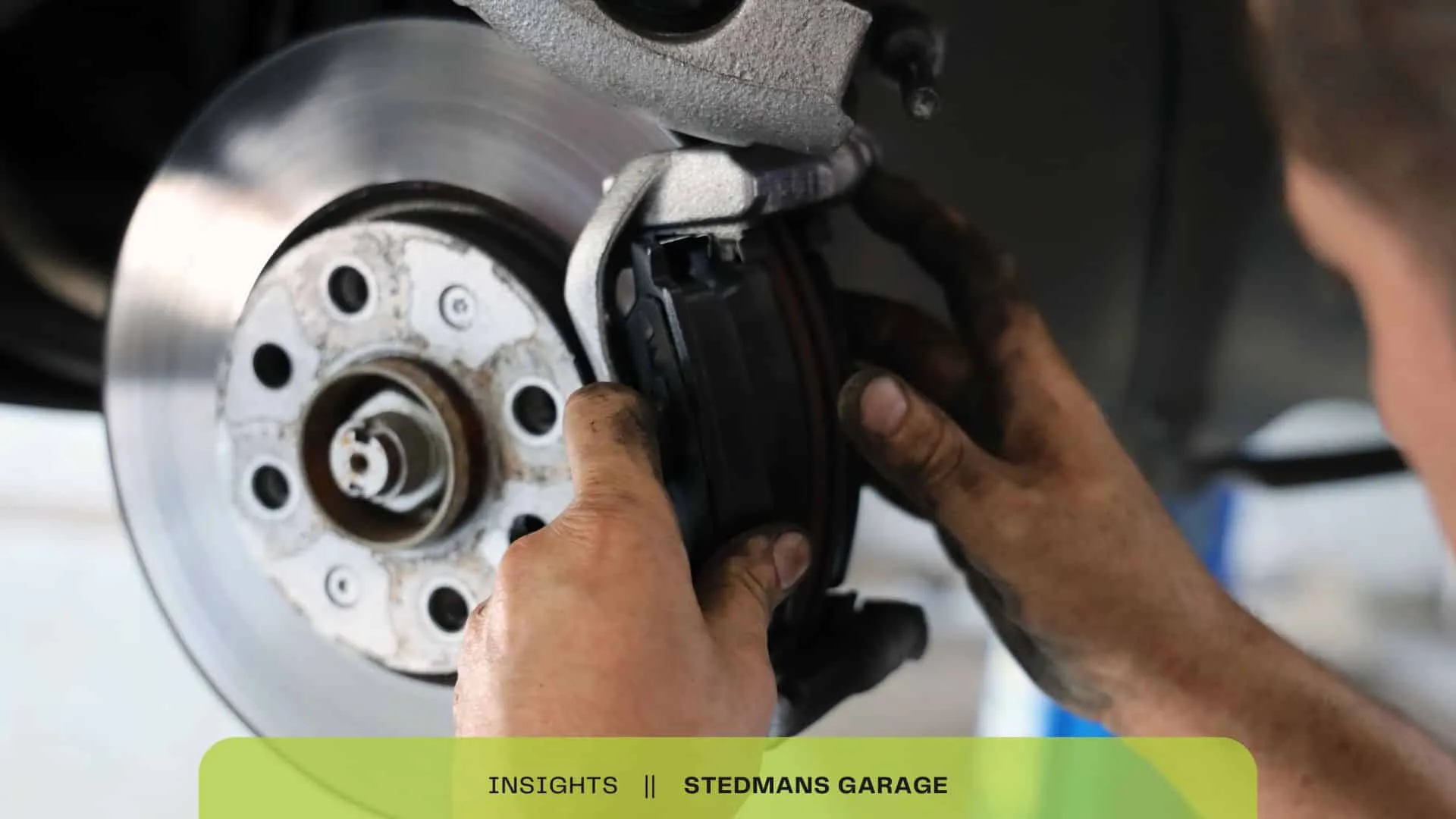
Brake wear refers to the gradual deterioration of brake components, particularly brake pads and rotors, due to the friction involved in their operation. When you apply the brakes, friction is generated to decelerate the vehicle. Over time, this friction leads to wear, reducing the effectiveness of the braking system. For Cupra owners, understanding brake wear is essential, as performance and safety are often intertwined in high-speed scenarios.
Why is Brake Maintenance Important?
Neglecting brake maintenance can lead to serious consequences, especially for performance-oriented vehicles like Cupra.
- Safety Risks: An obvious yet critical concern is safety. Reduced braking performance can endanger the driver, passengers, and other road users.
- Performance Issues: Cupra vehicles are designed to deliver an exhilarating driving experience. Worn brakes can compromise handling and acceleration, negating the vehicle's performance advantages.
- Cost Implications: Continued neglect may lead to damage beyond just brake pads, requiring costly repairs or entire brake system replacements. By investing in regular inspections and maintenance, you can save significantly down the line.
The Implications of Neglecting Brake Maintenance
For Cupra owners, neglecting brake maintenance can lead to diminished vehicle performance and potential safety hazards. Not only does this impact your driving experience, but it can also lead to costly repairs that may arise from further complications, including warped rotors or damaged calipers. Furthermore, adverse weather conditions common in the UK, such as rain and snow, exacerbate braking issues if maintenance is overlooked. Thus, regular brake maintenance should be a priority for every Cupra owner in the UK.
Signs of Brake Wear in Your Cupra
Identifying the signs of brake wear is crucial for timely maintenance. Here are some key indicators that should not be ignored.
Unusual Noises
If you start hearing strange noises when applying your brakes, it is a clear signal that something is amiss.
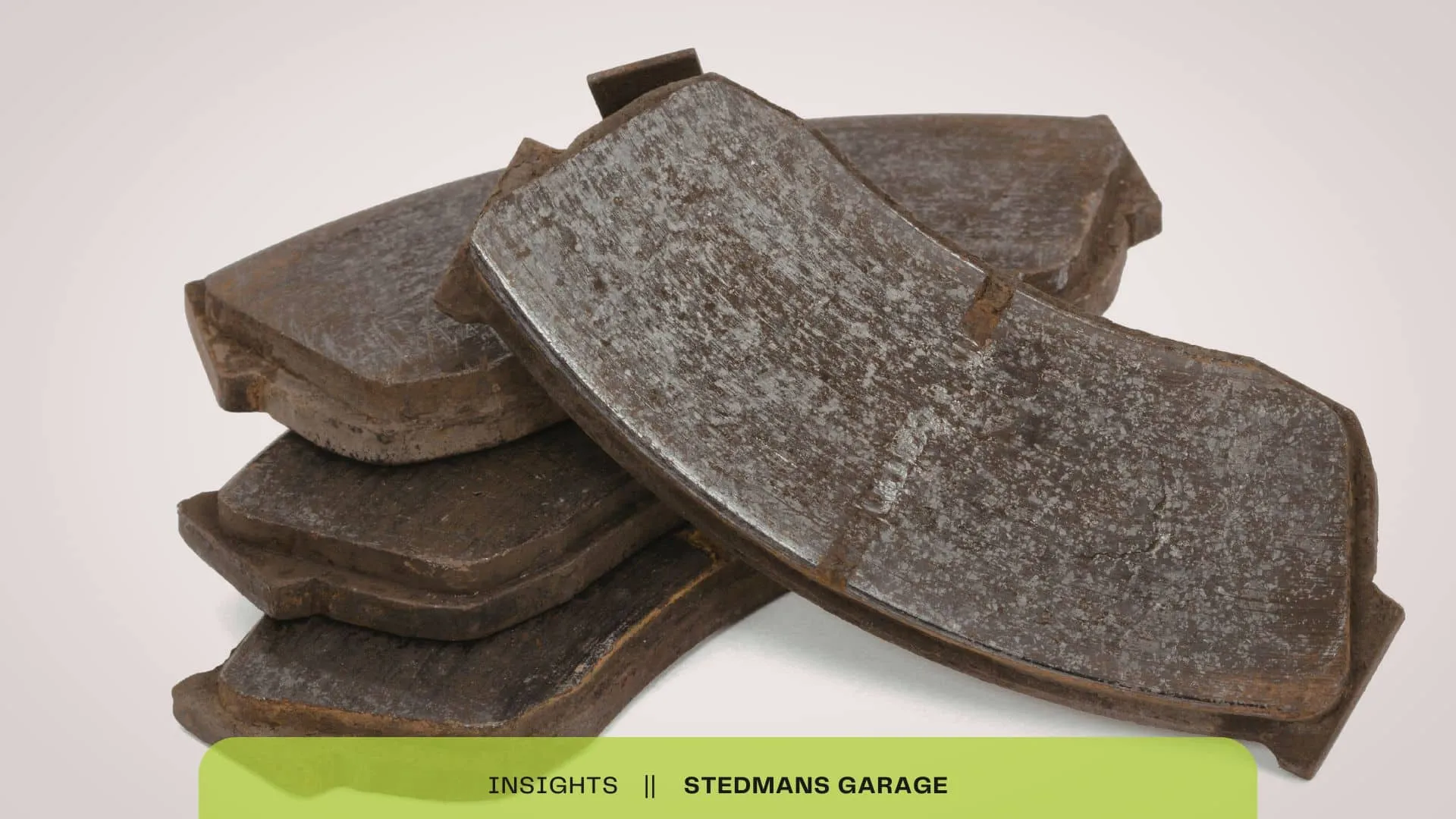
- Squeaking or Squealing Sounds: Often a sign that brake pads are worn down to the wear indicators. This high-pitched sound typically occurs when the friction material is thin.
- Grinding Noise: If you hear a harsh grinding sound, this often indicates that your pads have worn away completely, allowing metal-on-metal contact, which can damage rotors and compromise overall braking efficacy.
- Cupra-Specific Models: Different Cupra models may emit unique sounds based on their brake system configuration. For instance, the Cupra Ateca and the Leon may exhibit different auditory warnings, so being cognisant of these differences can aid in early detection.
Reduced Performance
As brake pads wear down, you may notice a marked reduction in braking performance.
- Increased Stopping Distance: If you find that your Cupra takes longer to come to a complete stop, this is a significant warning sign that brake pads are losing their effectiveness.
- Brake Fade: This refers to a temporary loss of braking power after prolonged use, such as during extensive hill driving or spirited driving situations, common in Cupra vehicles.
- Soft Brake Pedal Feel: If pressing the brake pedal feels noticeably softer or spongy, it may indicate air in the brake system or worn brake components.
Warning Lights
Your Cupra vehicle is equipped with a diagnostic system that will alert you to various issues, including braking problems.
- Brake Warning Light: This light will illuminate when there is a general issue with your braking system, such as low brake fluid or a malfunctioning sensor.
- ABS Light: If the Anti-lock Braking System (ABS) warning light appears, this could indicate that your vehicle's braking system requires immediate attention.
An ABS light is not always the brakes themselves. A wheel speed sensor or a damaged reluctor ring will light it just as readily, and the way that presents is described in Skoda Octavia ABS sensor faults, which applies to the shared running gear.
Causes of Brake Wear
Understanding the causes of brake wear can help you prevent premature degradation and maintain your Cupra effectively.
Driving Habits
- Aggressive Driving: Rapid acceleration and sudden braking are common contributing factors to brake wear. For performance-oriented vehicles like Cupra, frequent high-speed driving can strain brake components.
- Frequent Short Trips: If you regularly take short trips, your brakes might not fully heat up and function effectively, leading to increased wear over time.
Road Conditions
- Urban vs. Rural Driving: Urban driving often involves frequent stopping and starting, leading to greater brake wear compared to rural, open-road driving.
- Weather Conditions: Wet or icy roads can lead to unplanned braking and traction loss, straining your brakes more than usual.
Quality of Parts
The quality of the parts installed is essential in brake maintenance. Always opt for genuine or high-quality replacement parts.
- Genuine Cupra Parts: Using original equipment manufacturer (OEM) parts can enhance durability and performance. Cheaper alternatives may wear faster or fail to meet performance standards.
- Brake Pads: Investing in high-quality brake pads designed for your specific Cupra model can lead to improved lifespan and braking performance.
Maintaining Your Cupra Brakes: Best Practices
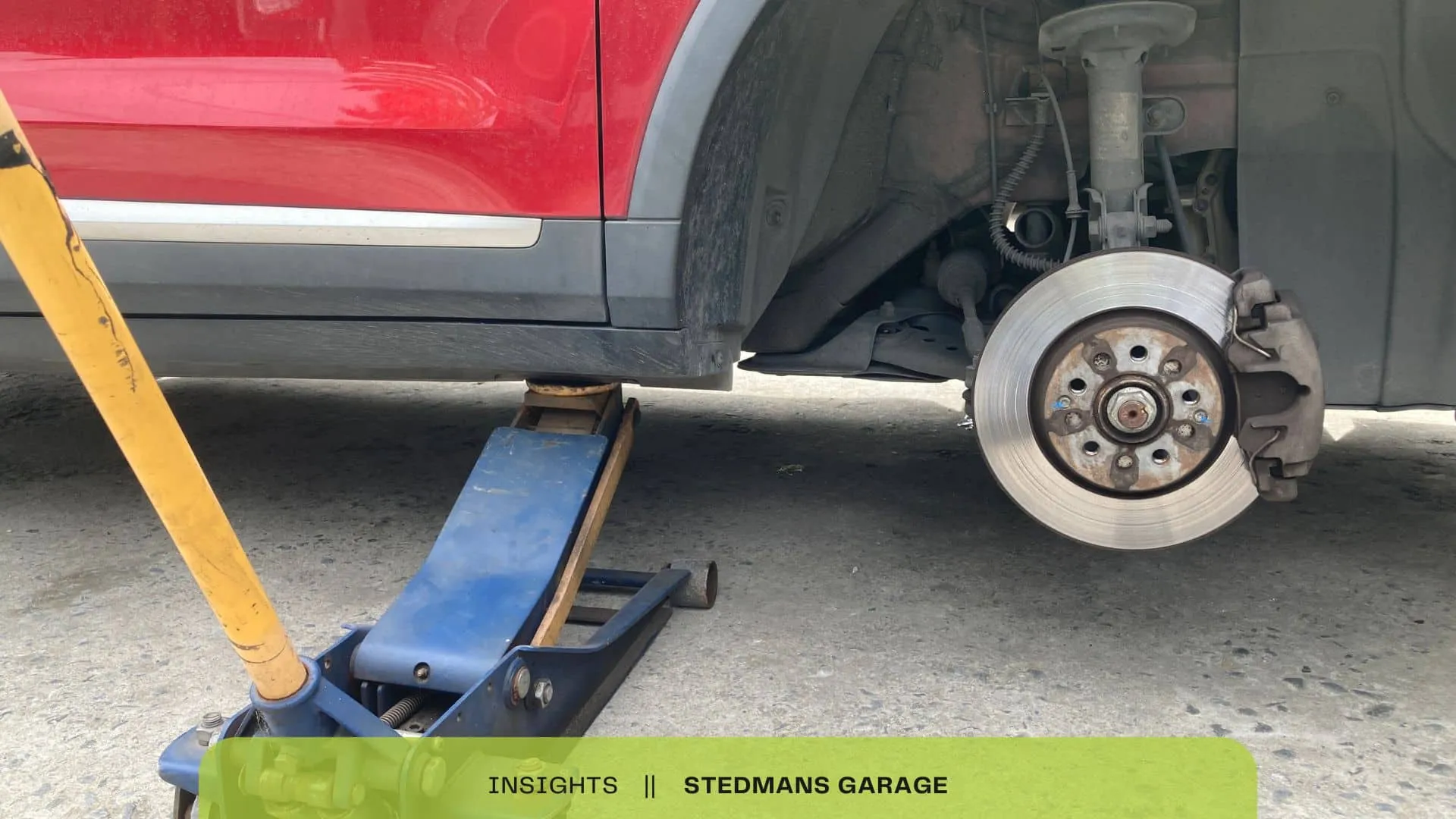
Preventive maintenance is vital for keeping your brakes in shape. Here are some best practices specifically formulated for Cupra owners.
Regular Inspections
Regular brake inspections are crucial in preventing unexpected failures.
- Frequency: It is recommended to perform brake inspections at least every 6,000 miles or during routine servicing, particularly in high-performance vehicles like Cupra.
- What to Look For: Inspect brake pads for thickness, check the condition of rotors for warping, and examine brake lines for leaks or cracks.
Choosing Quality Replacement Parts
When it comes to replacement parts, prioritising quality pays off in the long run.
- Genuine Parts Importance: The performance characteristics of genuine Cupra brake parts ensure they are manufactured to high standards suited for your vehicle's dynamics.
- Compatibility Check: Always confirm part compatibility with your specific Cupra model to avoid installation issues or performance deficits.
DIY vs Professional Maintenance
Deciding whether to handle brake maintenance yourself or seek professional help can be a dilemma.
- DIY Maintenance:
- Professional Maintenance:
Actionable Tips for Cupra Brake Maintenance
To help you maintain your Cupra brakes more effectively, here are practical and actionable tips:
- Conduct Regular Inspections: Schedule inspections according to your driving habits. If you tend to drive more in urban areas, increase the frequency.
- Check Brake Fluid Levels: Regularly inspect and replace brake fluid based on the manufacturer's recommendations. This fluid is crucial for brake system operation and should be free from contaminants.
- Monitor for Noises and Vibration: Pay attention to any unusual sounds when braking. If you feel vibrations in the steering wheel or brake pedal, it might indicate issues with the rotors or pads.
- Use Quality Brake Pads: Replace with high-performance or OEM brake pads suited for Cupra to optimise braking experience and longevity.
- Ensure Proper Temperature Control: After intense driving, rely on gentle braking to allow brake components to cool down instead of sudden, hard stops.
- Schedule Professional Maintenance: Consult a professional mechanic familiar with Cupra to ensure comprehensive inspections and part quality.
Conclusion
Understanding Cupra brake wear is critical for maintaining your vehicle's safety and performance. By recognising the signs of wear, understanding the underlying causes, and implementing effective brake maintenance strategies, you can ensure that your Cupra remains in optimal working condition. Regular inspections and quality replacements certified for your model can prevent headaches down the road and allow you to enjoy the exhilarating driving experience that Cupra vehicles are renowned for.
Don't wait until it's too late; schedule a comprehensive inspection today to ensure that your brakes are functioning optimally for safe driving on the UK's roads.
Related reading: preventive maintenance and brake pad and disc replacement in Worthing