
Introduction
As a proud owner of a Range Rover, ensuring optimal performance and safety should be your top priority, particularly concerning critical components like the braking system. In this comprehensive guide, we will explore the essentials of Range Rover brake wear, highlighting key signs, maintenance strategies, and replacement tips tailored for UK drivers.
Effective brake maintenance is not just a suggestion; it is crucial for your vehicle's safety and longevity. In the UK, diverse driving conditions, from busy city roads to winding country lanes, can significantly affect how quickly brake components wear out. Understanding these dynamics is essential for every Range Rover owner.
Understanding Brake Wear in Range Rovers
What is Brake Wear?
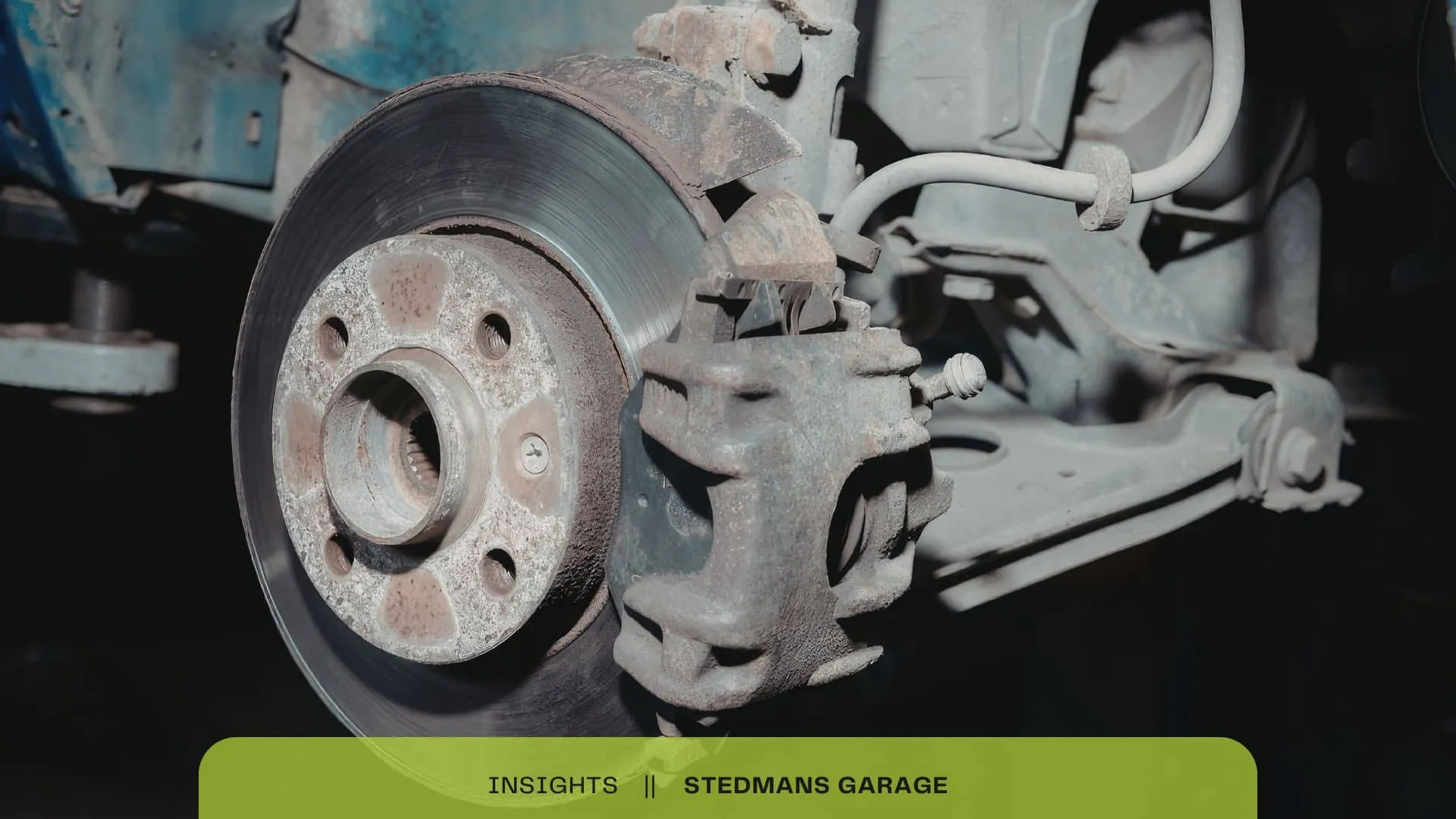
Brake wear refers to the gradual degradation of braking components, such as brake pads and discs, caused by the friction generated during braking. Over time, the materials in these components wear away, resulting in decreased braking efficiency and longer stopping distances.
Impact of UK Driving Conditions on Brake Wear
UK roads present various challenges that can accelerate brake wear. Urban driving often entails frequent stops and starts due to heavy traffic, leading to quicker wear of brake pads. In contrast, rural driving with its steep hills and winding roads can cause uneven wear from frequent braking during descents.
Adverse weather conditions can also impact brake wear. For instance:
- Rain: Wet conditions can hinder braking performance and contribute to corrosion of brake components, especially in older models.
- Snow and Ice: In winter months, the use of winter tyres and changing road surfaces necessitates more forceful braking, leading to increased wear.
Being aware of these factors helps you make informed decisions about routine maintenance and necessary replacements.
Signs of Brake Wear to Look Out For
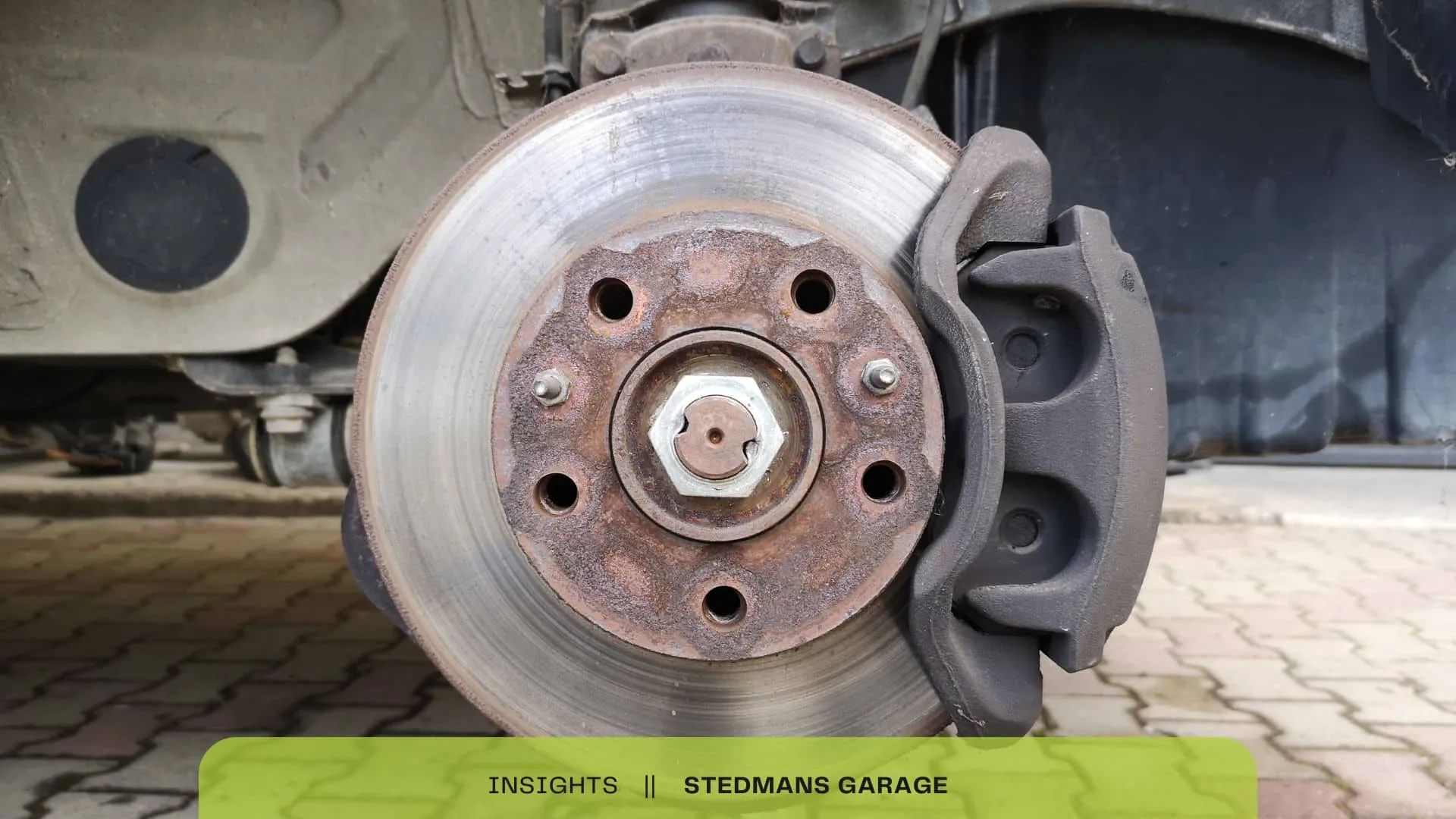
For Range Rover owners, spotting the signs of wear can save time and money by preventing more significant damage. Here are the key indicators to monitor closely:
Visual Indicators of Worn Brakes
Visual inspection is vital for brake maintenance. Look out for these signs:
- Brake Pad Thickness: New pads usually measure around 10-12mm thick. When they wear down to about 3mm, it’s time for replacement. You can often check this without removing the wheels, making it a convenient periodic task.
- Scoring on Brake Discs: Inspect the brake discs for grooves or scoring. Smooth discs indicate well-maintained brakes, while deep marks reveal wear and potentially compromised braking performance.
- Warning Lights: Dashboard indicators, such as the brake warning light, activate when brake wear reaches a critical level. Ignoring these could lead to severe safety issues.
Performance-Related Symptoms
Changes in braking performance can signal wear. Pay attention to:
- Vibrations During Braking: If you feel vibrations in the brake pedal, it could indicate warped brake discs, possibly from overheating.
- Noises While Braking: Unusual sounds, like grinding or squeaking, are common signs of worn brake pads. If you hear these, immediate inspection is advised.
- Longer Stopping Distances: If your Range Rover takes longer to stop than it used to, it’s a strong indicator that maintenance is due.
These symptoms, if left unchecked, could lead to severe problems, so prompt attention is essential.
Factors Affecting Brake Wear
Understanding the factors influencing brake wear is vital for effective maintenance. Here are some contributors:
- Driving Habits: Aggressive driving, frequent hard braking, and sudden stops result in quicker wear. Conversely, a smoother driving style can prolong brake life.
- Type of Terrain: Driving on hilly or uneven surfaces increases pedal pressure, leading to faster wear compared to flat, stable roads.
- Vehicle Maintenance: Regular servicing of your Range Rover can mitigate unnecessary brake wear. Neglected components can exacerbate wear on brakes.
- UK Weather Impacts: As noted earlier, adverse weather like rain or snow affects grip and can also lead to corrosion of brake parts if not properly maintained.
Being conscious of these factors allows you to adopt better driving practices and maintenance schedules.
Maintenance Tips for Range Rover Brakes
To prolong the lifespan of your braking system, follow these best practices:
- Routine Inspections: Schedule consistent brake inspections, ideally every six months. This should include checking brake pad thickness, disc condition, and fluid levels.
- Cleaning: Keep your brakes clean to prevent debris buildup that could impact performance. Regularly using brake cleaner can help combat rust and accumulation.
- Brake Fluid Replacement: Replace brake fluid according to Range Rover’s recommendations, usually every two years. Old fluid can absorb moisture, endangering braking performance.
- Watch for Warning Signs: Make it a habit to listen for unusual noises or changes when braking. Early detection can prevent more costly repairs.
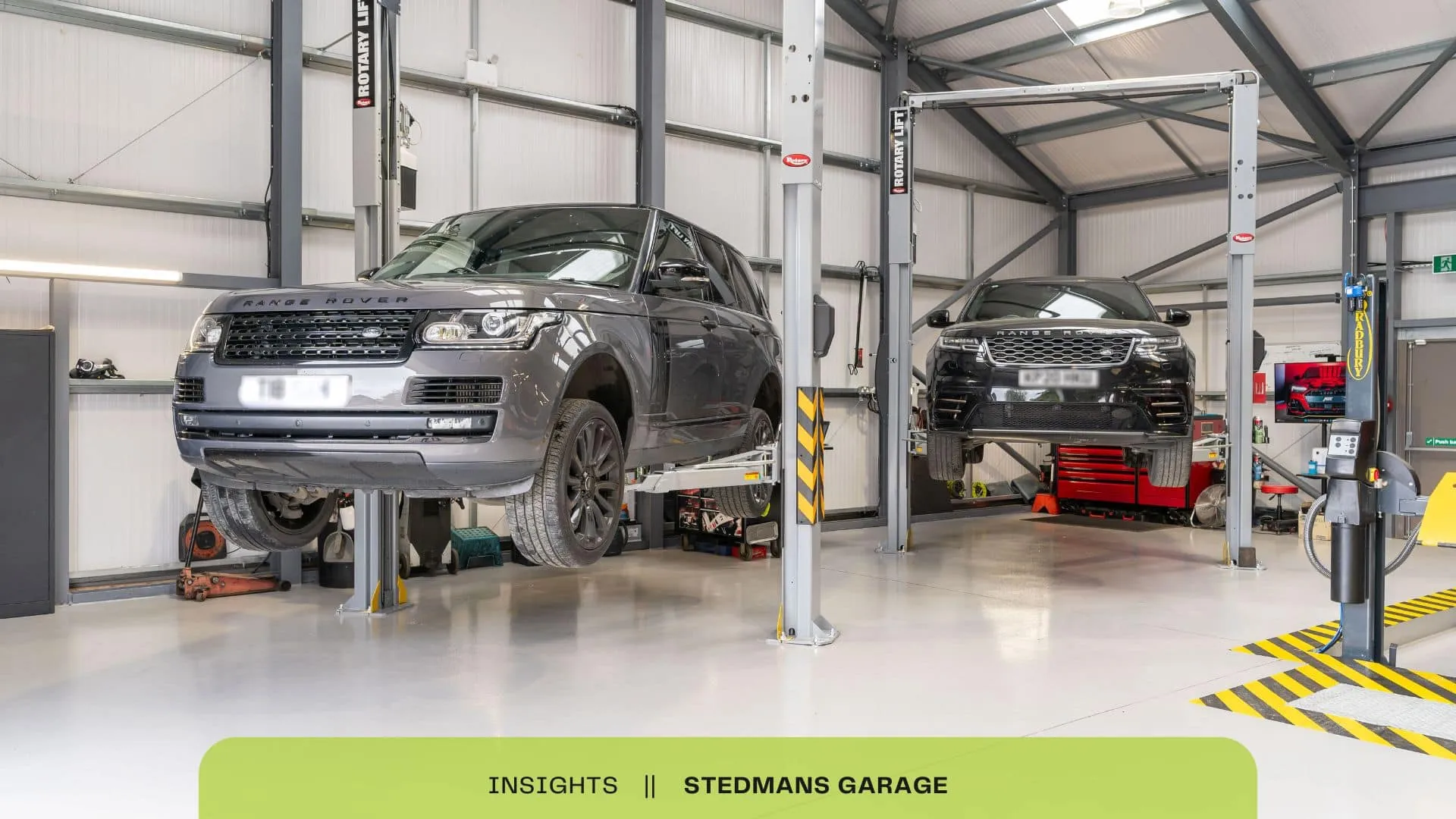
- Professional Servicing: For issues beyond your expertise, consider professional maintenance. Regular servicing at a reputable Range Rover service centre ensures quality care.
Routine maintenance enhances safety, ensures the longevity of your brakes, and maximises your driving experience.
When and How to Replace Brake Components
Knowing when to replace brake components and how to do it correctly is essential. Follow these guidelines:
When to Replace Brake Pads and Discs
Brake pads generally need replacement every 25,000 to 60,000 miles, depending on usage and driving conditions. Signs that replacement is necessary include:
- Thickness of Pads: If pads measure below 3mm, they must be replaced.
- Scored or Warped Discs: If inspection reveals deep grooves or sensations of vibrations, it’s time for new discs.
Replacement Procedures for Range Rover Models
If you feel comfortable performing DIY replacements, here’s a basic guide:
- Gather the Right Tools: You’ll require a car jack, jack stands, a wrench set, brake bungee, and replacement parts.
- Lift the Vehicle: Once securely lifted, remove the wheel to access brake components.
- Remove the Old Brake Pads and Discs: Take off the caliper, then remove the existing pads and disc. Be cautious of the caliper pressure springs.
- Install New Components: Insert the new disc and then place new brake pads. Ensure that all parts are securely fitted.
- Reassemble the Brake Caliper: Put the caliper back in place and ensure all components are tightly secured.
- Test Before Driving: Before going anywhere, pump the brakes a few times to properly seat the new pads.
Cost Considerations and Professional Services

When considering brake replacements, balance DIY costs against professional services.
DIY vs Professional Service Costs
- DIY Replacement: Costs will vary based on parts prices, with quality brake pads and discs ranging from £100 to £300 per axle, excluding tools.
- Professional Services: A full brake change can cost between £200 to £500, depending on the service centre and parts used. This typically includes labour, ensuring quality workmanship.
Finding Reputable Range Rover Service Centres
To find quality service, consider these tips:
- Customer Reviews: Research local garages and review customer testimonials.
- Manufacturer Recommendations: Consult your vehicle manual for certified service centres.
Being proactive about maintenance and timely servicing will protect your investment, ensuring your Range Rover remains safe and dependable.
Actionable Tips Section
Here are step-by-step maintenance and replacement tips tailored for UK Range Rover owners, emphasising clarity and effectiveness:
- Schedule Regular Inspections: Set calendar reminders for twice-yearly brake inspections.
- Learn to Inspect Brakes: Familiarise yourself with checking pad thickness and identifying any scoring on discs.
- Source Quality Parts: Purchase OEM parts through reliable online platforms or certified dealerships.
- Understand Warranties: Check warranty implications when replacing parts; improper installations could void warranties.
- Document Maintenance: Keep a log of all brake inspections and replacements for records and future reference.
Implementing these tips can enhance your brake maintenance routine, allowing you to catch issues early and address them before they escalate.
Conclusion
With the right understanding and proactive measures, you can significantly extend the life of your Range Rover's braking system. Regular brake maintenance and timely replacement can enhance safety and performance, especially considering the unique driving conditions faced by UK motorists.
Empower yourself with knowledge and take the time to inspect your brakes regularly. Don’t wait for warning signs to appear; schedule your brake inspection today and ensure your Range Rover continues to perform safely and reliably for years to come. If the pads or discs need doing, our garage handles brake pad and disc replacement in Worthing.