

Introduction: Understanding Car Air Conditioning Issues
The Frustration of Warm Air
There’s nothing more disappointing than expecting cool relief from your car’s air conditioning, only to be met with warm air, especially during a rare hot day in the UK. Drivers often find this frustrating, particularly on longer journeys or when stuck in city traffic. A malfunctioning AC can make driving uncomfortable and fatiguing, underscoring the importance of a properly functioning system.
How Car Air Conditioning Works
Car air conditioning systems work by removing heat and humidity from the air inside the vehicle. At the core, the system uses refrigerant, circulated by a compressor, which absorbs heat as it passes through the evaporator. This heated refrigerant is then cooled as it moves through the condenser, where the heat is released outside. Fan systems help distribute the cooled air into the cabin, while filters remove dust and pollen to ensure clean airflow for the passengers.
Routine checks are critical, as issues can develop gradually, sometimes without noticeable warning, until cooling performance drops.
Common Causes of Cooling Problems
Several frequent problems can stop your car’s AC from working effectively. The most common culprit is low refrigerant, often the result of leaks in the system, which may be due to ageing hoses or worn seals. Blockages or damage in the condenser, dirty cabin filters, malfunctioning fans, electrical faults, and compressor issues can also cause the system to blow warm air instead of cool.
By understanding these basics, you’ll be better equipped to identify problems early and keep your car’s air conditioning running efficiently.
Low Refrigerant Levels: The Most Common Culprit
Recognising Low Refrigerant Symptoms
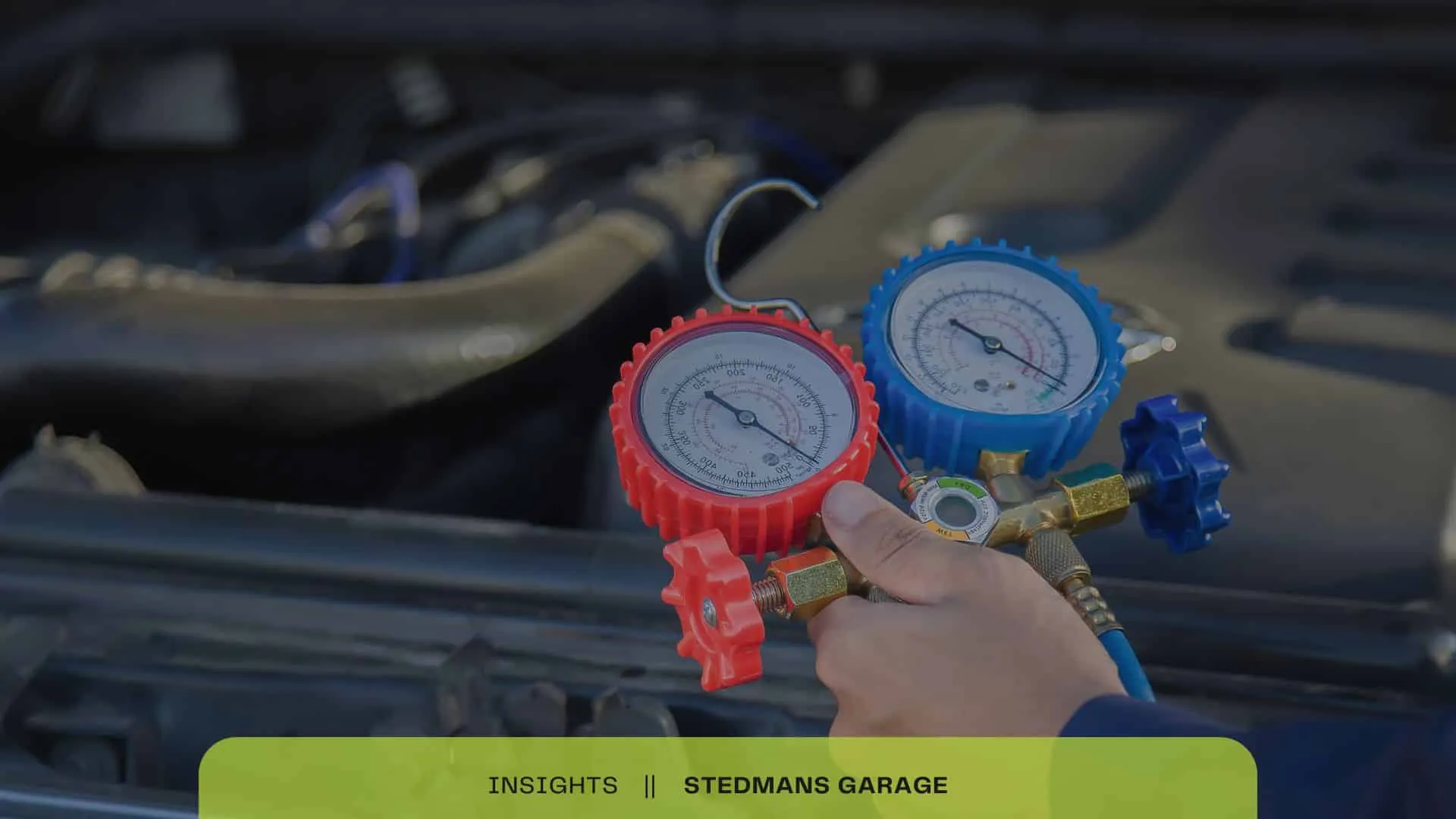
Low refrigerant is the leading cause of poor air conditioning performance in cars, especially if you notice your AC blowing warm or weakly cool air. Common symptoms include the system taking longer to cool down, AC that cycles on and off frequently, or the compressor clutch failing to engage at all. Sometimes, a faint hissing or bubbling noise from the unit suggests a refrigerant leak is present, escaping as either a gas or liquid. In colder weather or on start-up, you might even see ice building up on connectors or lines, a sign that refrigerant levels are insufficient for proper circulation.
Why Leaks Happen, Especially in Older Cars
As vehicles age, AC components such as rubber hoses, seals, or O-rings are prone to deterioration. These parts may crack, shrink, or harden, especially after years of exposure to temperature changes or road conditions. Corrosion from road salt or moisture intrusion can accelerate the process, leading to small, but persistent, refrigerant leaks. In addition, impact from debris or minor accidents may also cause damage to fittings and lines, resulting in further leaks.
The Value of Professional Pressure Testing
Topping off refrigerant might provide a short-term fix, but for lasting results, accurate diagnosis is essential. Professional pressure testing is the recommended approach to identify leaks or any irregular pressure within the AC system. Trained technicians use gauges on both sides of the system to precisely locate faults, ensuring that even tiny leaks do not go undetected. This prevents further system damage, protects your compressor, and avoids the environmental impact of slow refrigerant release.
Understanding these causes helps drivers spot early warning signs and avoid unnecessary breakdowns on hot days.
Condenser Problems: When Heat Exchange Fails
How the Condenser Cools Refrigerant Gas
The condenser is a vital component in your car’s air conditioning system. It sits in front of the radiator and acts much like a heat exchanger. When the compressor delivers high-pressure, high-temperature refrigerant gas to the condenser, this section cools the refrigerant. It uses airflow, generated as your vehicle moves or by fans, to absorb heat from the refrigerant gas and release it outside. As the refrigerant cools down, it condenses from a gas into a liquid, a critical step that enables the AC system to provide chilled air to your cabin.
Impact of Debris and Dirt
Airflow through the condenser is essential for effective cooling. Over time, dirt, leaves, and debris can collect on the condenser fins. This build-up acts like an insulating blanket, restricting airflow and making heat transfer much less efficient. A dirty or blocked condenser means the system cannot release enough heat, causing weak cooling, higher refrigerant temperatures, and sometimes system strain or even failure.
Identifying Damage and Knowing When to Replace
Several signs point to condenser issues:
- Warm air blowing from vents
- Visible damage or leaks on the condenser
- Unusual noises or warning lights
Corrosion, bent fins, or impact damage can impair the condenser's function. Persistent leaks or major physical damage often mean replacement is necessary. Timely inspection and cleaning can prevent bigger problems, ensuring the rest of the AC system works as intended.
Understanding the role of airflow and component condition helps drivers and technicians quickly narrow down the cause of warm air from the AC unit.
Faulty Cooling Fans: Inadequate Airflow Issues
The Role of Cooling Fans in Air Conditioning
Cooling fans ensure adequate airflow through your car’s condenser, allowing heat to escape efficiently. If airflow is restricted or absent, the entire air conditioning system struggles to release heat. As a result, the AC will often blow warm air, especially when the vehicle is stationary or in slow-moving traffic. Correct fan operation is crucial even after ensuring refrigerant and condenser health.
Typical Causes of Fan Failure
A range of factors can lead to cooling fan issues:
- Electrical faults – Wiring problems, corroded connectors, or blown fuses can stop fans from running.
- Physical damage – Impacts, such as debris striking the fan blades, can prevent proper spinning or cause imbalance.
- Motor wear – Over time, the fan motor can fail due to age and frequent operation.
- Relay or sensor malfunction – The relay supplies power to the fan, while temperature sensors command its activation.
These problems are more common in older vehicles but can affect models of any age, particularly after minor accidents or exposure to harsh weather.
Checking Fan Operation
It’s important to confirm whether your cooling fans are working:
- Turn on the AC and set it to maximum.
- Observe the fan(s) behind the grille or radiator area.
- Listen for fan noise or feel for airflow.
- If the fan does not activate, or only runs intermittently, further inspection is advised.
Addressing cooling fan faults promptly will help your AC system deliver consistent cool air and prevent related component strain. Regular checks support overall performance moving forward.
Compressor Malfunctions: The Heart of Your AC System
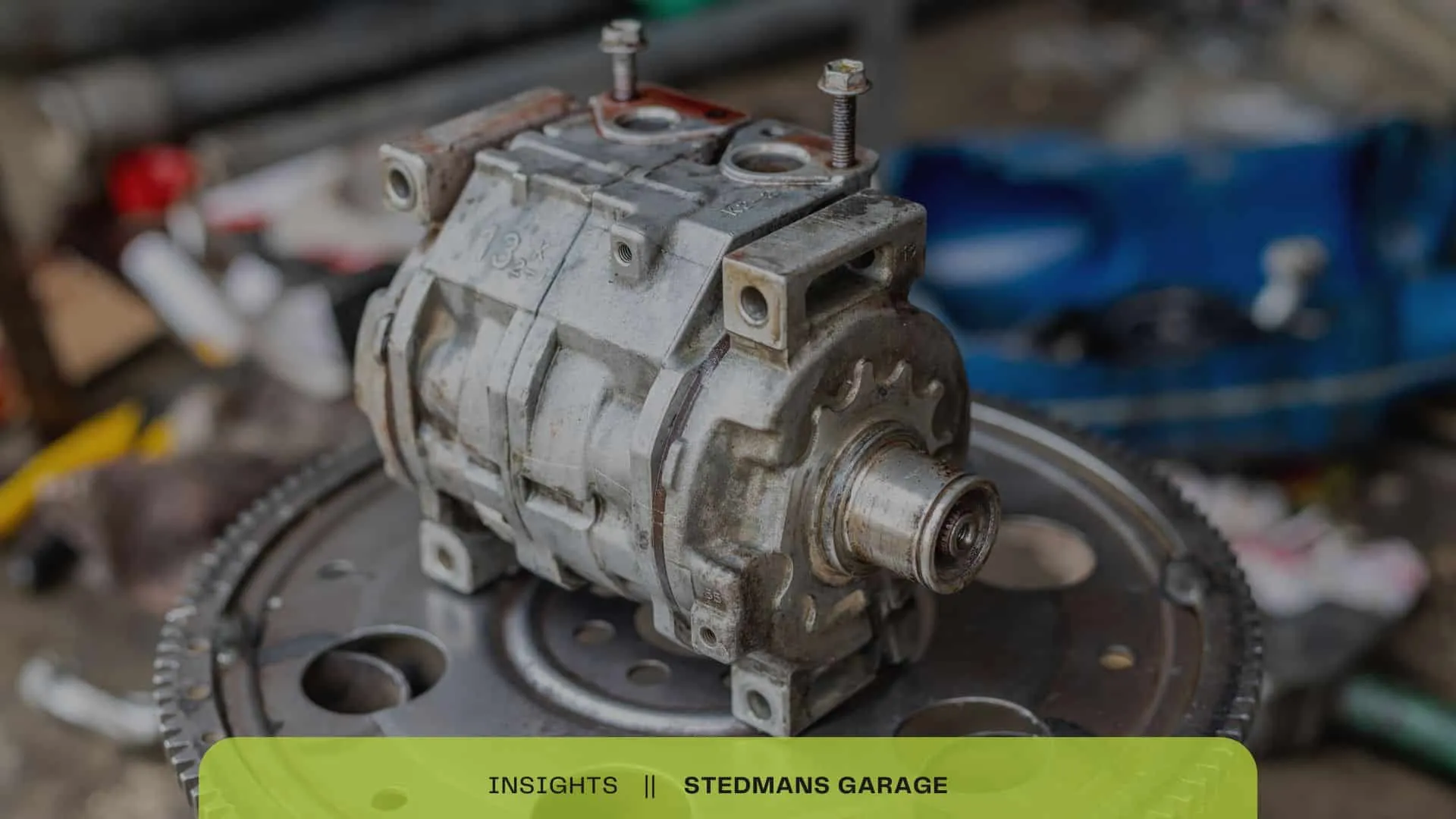
The compressor is central to your car’s air conditioning. It acts as a pump that pushes refrigerant through the system, maintaining continuous circulation and pressure differences. If the compressor stops working, refrigerant can’t flow as needed, meaning no cool air will reach the cabin.
How Compressor Failure Affects Cooling
When a compressor fails, refrigerant is not compressed properly and does not circulate around the system. This leads to a noticeable drop in cooling performance, often causing warm air to blow from the vents. Also, improper compression can mean superheated refrigerant gas returns to the compressor, further escalating internal damage and undermining the cooling process.
Warning Signs of a Failing Compressor
There are several early indicators that a compressor is struggling:
- Unusual ticking, rattling, or rumbling noises when the AC starts or runs.
- Reduced airflow from the vents and failure to cool the interior.
- Warm air instead of cool when the AC is switched on.
- Signs of refrigerant leaks around the compressor area.
Ignoring these signs can lead to complete compressor failure, at which point costly replacement may be needed.
Preventing Compressor Problems
Running your AC system regularly (even in colder months) helps keep the compressor seals lubricated and prevents them from drying out. Regular use also ensures the system oil circulates, reducing wear and tear. Proper maintenance and prompt attention to unusual noises or cooling issues are vital for keeping the compressor healthy and prolonging its life.
By monitoring signs and using the AC consistently, you can help your car’s cooling system run efficiently.
Electrical System Faults: Wiring and Sensor Issues
Key Electrical Problems Affecting Car Air Conditioning
Modern car air conditioning relies heavily on electrical systems. A fault in even a small component may cause the AC to stop producing cold air altogether. Common issues include blown fuses, faulty sensors, broken relays, and damaged wiring. As many air conditioning problems are electrical, identifying these faults is an important step in maintaining reliable cool air output.
Identifying Common Electrical Faults
Blown Fuses
Fuses act as safety devices, preventing damage to electrical circuits in the AC system. If a fuse blows, a section of the circuit loses power: this can prevent the compressor or fans from running. Checking the fuse layout (often labelled ‘M6’ or similar) is straightforward, and replacement fuses are inexpensive. Always consult your vehicle's manual for the correct location and rating to avoid causing further electrical issues.
Damaged Wiring and Loose Connections
Wiring in vehicles, especially older ones, can break down due to wear, rodents, or exposure to the elements. Damaged wiring may not always be visible but can result in AC components working intermittently or not at all. Regularly inspect the wiring from the battery to the fuse box and around the AC compressor for obvious wear, corrosion, or loose connectors.
Diagnosing Intermittent Cooling Problems
Intermittent AC failures can be more challenging. Causes might include failing pressure sensors, erratic relays, or inconsistent voltage supply. If you experience cooling that cuts in and out without clear explanation, or hear relays clicking repeatedly, electrical diagnostics are likely required. Complex faults usually require specialist tools and knowledge to isolate.
Electrical issues, if left unaddressed, can quickly lead to broader AC system problems.
DIY Checks Before Visiting a Garage

Visual Inspection of the Condenser and Cooling Fans
Begin by looking through the front grille of your car to find the condenser. Check for obvious signs of dirt, leaves, or road debris on the metal fins. This type of blockage can restrict airflow, making it harder for the system to cool the refrigerant efficiently. Use a torch for a better view and gently clear away any visible debris with a soft brush or low-pressure air if needed.
Next, observe the cooling fans when the engine is running and the air conditioning is switched on. At least one fan should start spinning after a short delay. Listen for any strange noises such as rattling or grinding, which may point to fan damage. If the fans are still, it could be due to a blown fuse, faulty relay, or issue with the wiring.
Checking for Leaks and Oil Residue
Look around the air conditioning pipe joints and connections in the engine bay. Oily marks or wet spots may be a sign of a refrigerant leak, as refrigerant often contains lubricating oil. Examine rubber hoses for cracks and metal pipes for corrosion. Spotting a leak early can help avoid extensive repairs.
Inspecting Cabin Air Filters
A clogged cabin air filter can reduce airflow into the car, making the air conditioning feel less effective. Locate the filter, usually behind the glove box, remove it, and check for dirt or debris build-up. Replace or clean it as needed to restore normal airflow.
Simple checks like these can help identify minor issues and prevent unnecessary repair visits.
When to Seek Professional Help
Recognising the Need for Expert Attention
Certain air conditioning issues should always prompt you to seek professional help. Warning signs include persistent warm air despite attempted fixes, visible refrigerant leaks, corroded components, or clear damage to vital parts like the compressor or condenser. Likewise, if you notice electrical faults, such as blown fuses or wiring damage, it is best to consult a trained technician. Recurring or unexplained AC failures are another indicator that skilled diagnostics are required. Attempting complex repairs yourself may not only make the issue worse but can also risk your safety and void warranties.
What Happens During a Professional Air Conditioning Service
A specialist service visit starts with a thorough visual inspection. Engineers check for signs of wear, leaks, or damage to hoses, fittings, and other AC components. Next, they assess the refrigerant level and test system pressure with industry-standard gauges, tasks requiring specific expertise and equipment. Electrical connections and sensors are examined, and cabin filters may be cleaned or replaced. The whole system is then tested under different conditions to ensure reliable operation. Many professional services also provide a detailed report with recommendations or necessary repairs, making the whole process transparent and reassuring for drivers.
Importance of Routine AC Maintenance
UK drivers benefit from regular air conditioning maintenance, with annual check-ups strongly recommended. Thorough servicing keeps each component functioning efficiently, reduces the risk of breakdowns, and can extend the system’s overall lifespan. Preventive checks help catch problems early, saving money on costly repairs and ensuring uninterrupted comfort.
Proactive care helps maintain cool comfort and reliability throughout the year.
Conclusion: Keeping Your Car Cool Year-Round
Understanding Key Causes and Maintenance
Warm air from vehicle air conditioning is rarely due to a single fault. The most frequent culprits are low refrigerant levels, blocked or damaged condensers, faulty cooling fans, electrical malfunctions, and worn compressors. Each issue can reduce system performance or cause AC failure, especially as vehicles age or experience heavy use. Early identification and regular inspection are vital for reliable cooling.
UK-Specific Maintenance Tips
The UK climate, with its mix of cool months and sudden hot spells, means car air conditioning is often unused for long periods. Running the AC for several minutes each week, even in cold weather, helps prevent seals from drying out and keeps the system lubricated. Annual servicing is recommended to check refrigerant and inspect system components. Regularly clean or replace the cabin air filter and keep condensers free from dirt and debris for best airflow.
Reliable System Performance
Avoid running the AC at idle for long periods. Clean your car’s interior to reduce dust that can clog filters. Park in shaded areas to reduce system load when possible. For persistent issues, book a professional inspection to detect leaks or diagnose faults that DIY checks might miss.
Year-round comfort in your vehicle depends on consistent, preventative care and prompt attention to any decline in AC performance. This approach ensures efficient cooling, lower repair costs, and a pleasant driving experience, regardless of the UK’s ever-changing weather.