
Understanding the Golf R's AWD System
Overview of the 4MOTION AWD System with R Performance Torque Vectoring
The Volkswagen Golf R is equipped with the sophisticated 4MOTION all-wheel drive (AWD) system, enhanced by the R Performance Torque Vectoring feature. This system is designed to distribute the engine's power across all four wheels, optimising traction and stability. The system primarily operates in a front-wheel drive configuration under typical driving conditions to conserve energy. However, when additional traction is needed, the AWD system will engage the rear wheels.
The R Performance Torque Vectoring component further refines the AWD system by dynamically allocating torque to individual wheels. This technology enhances the vehicle's handling and stability, especially during high-speed cornering or on slippery surfaces. By adjusting the power distribution between wheels, the system ensures optimal grip and improves driver confidence.
How the Haldex System Distributes Power Between Front and Rear Axles
At the heart of the 4MOTION AWD system is the Haldex coupling, a critical component that controls power distribution between the front and rear axles. The Haldex system employs an electro-hydraulic multi-plate clutch to modulate power delivery.
During normal driving conditions, power is primarily sent to the front wheels. Electronic sensors continuously monitor wheel speeds and detect any loss of traction. When slip is detected, the system activates the Haldex clutch, which then transfers an appropriate amount of torque to the rear wheels, ensuring a balanced distribution of power.
Key Components Including Electronic Differential and Multi-Plate Clutch
Several key components work together to enable the efficient functioning of the Golf R's AWD system:
- Haldex Multi-Plate Clutch: This clutch is electronically controlled and engages to redistribute torque from the front to the rear wheels when necessary. It ensures smooth and immediate power transfer to maintain vehicle stability.
- Electronic Differential Locks (EDS): The EDS system is integrated within the electronic stability control (ESC) to act as transverse locks. It selectively applies brakes to slipping wheels, enabling consistent power transfer to wheels with better traction. This system operates on both the front and rear axles, enhancing the vehicle's ability to navigate through difficult driving conditions.
- Torque Vectoring System: The Torque Vectoring system uses clutches to distribute torque between individual rear wheels. This system improves cornering performance by allowing controlled power delivery to each wheel, enhancing overall handling dynamics.
Maintaining the integrity of these components is essential for the reliable performance of the Golf R's AWD system. Understanding their functions and ensuring proper maintenance can help prevent system failures and improve driving experiences.
When it comes to maintaining complex systems like Volkswagen’s 4MOTION or R Performance tech, choosing a true Volkswagen specialist in Worthing makes all the difference. At Stedmans Garage, our VW-trained technicians understand the inner workings of your vehicle and offer main-dealer quality at competitive rates.
Regular Maintenance Requirements
Regular maintenance is essential to maintaining the high-performance capabilities of your Golf R's all-wheel-drive (AWD) system. Following the manufacturer's recommended service intervals ensures optimal performance, reliability, and longevity. Here are some critical aspects of maintaining the 4MOTION AWD system and the Haldex coupling system.
Recommended Service Intervals
Volkswagen recommends that service intervals for the Golf R be set at 9,400 miles or 12 months, whichever comes first. This interval is designed to accommodate typical driving conditions and usage patterns, ensuring that key components of the vehicle, including the AWD system, are regularly inspected and maintained to prevent potential issues.
Haldex Fluid Change Schedule
The Haldex coupling, a crucial part of the Golf R's AWD system, requires specific maintenance attention. It is recommended to change the Haldex fluid every 3-4 years or approximately every 40,000 miles. The fluid plays a vital role in the coupling's operation by ensuring proper lubrication and cooling of internal components. Failure to adhere to this schedule can lead to diminished performance and potential mechanical issues.
Importance of Following Maintenance Schedule
Sticking to the recommended maintenance schedule is not just about preserving performance; it is also essential for warranty protection. Volkswagen's warranty terms specify that adhering to the prescribed maintenance routines is necessary for the warranty to remain valid. Regular servicing at specified intervals helps detect and address any minor issues before they develop into significant problems, ultimately protecting your investment in the vehicle.
By understanding and following these maintenance requirements, you ensure that your Golf R's AWD system continues to deliver the exceptional performance it was designed for. Routine attention to service intervals and Haldex fluid changes will help maintain the vehicle's optimal performance and prolong the life of its components. Keeping your Golf R in its best running condition provides peace of mind and the confidence that it will perform reliably under all driving conditions.
Common AWD System Issues
Understanding the common issues that may arise in the Golf R's AWD system is crucial for ensuring optimal performance and extending the lifespan of the vehicle. Through regular maintenance and prompt attention to warning signs, drivers can avoid significant problems down the line.
Typical Mechanical Malfunctions and Warning Signs
Mechanical issues with the AWD system can manifest in several ways. Key signs to watch out for include:
- Unusual noises during acceleration or when turning, such as grinding, clunking, or clicking. These sounds may indicate problems with the differentials or transfer cases, which are critical components of the AWD system.
- Difficulty maintaining traction on slippery surfaces. This could suggest that the power distribution to the wheels is not functioning correctly, compromising the vehicle's stability and handling.
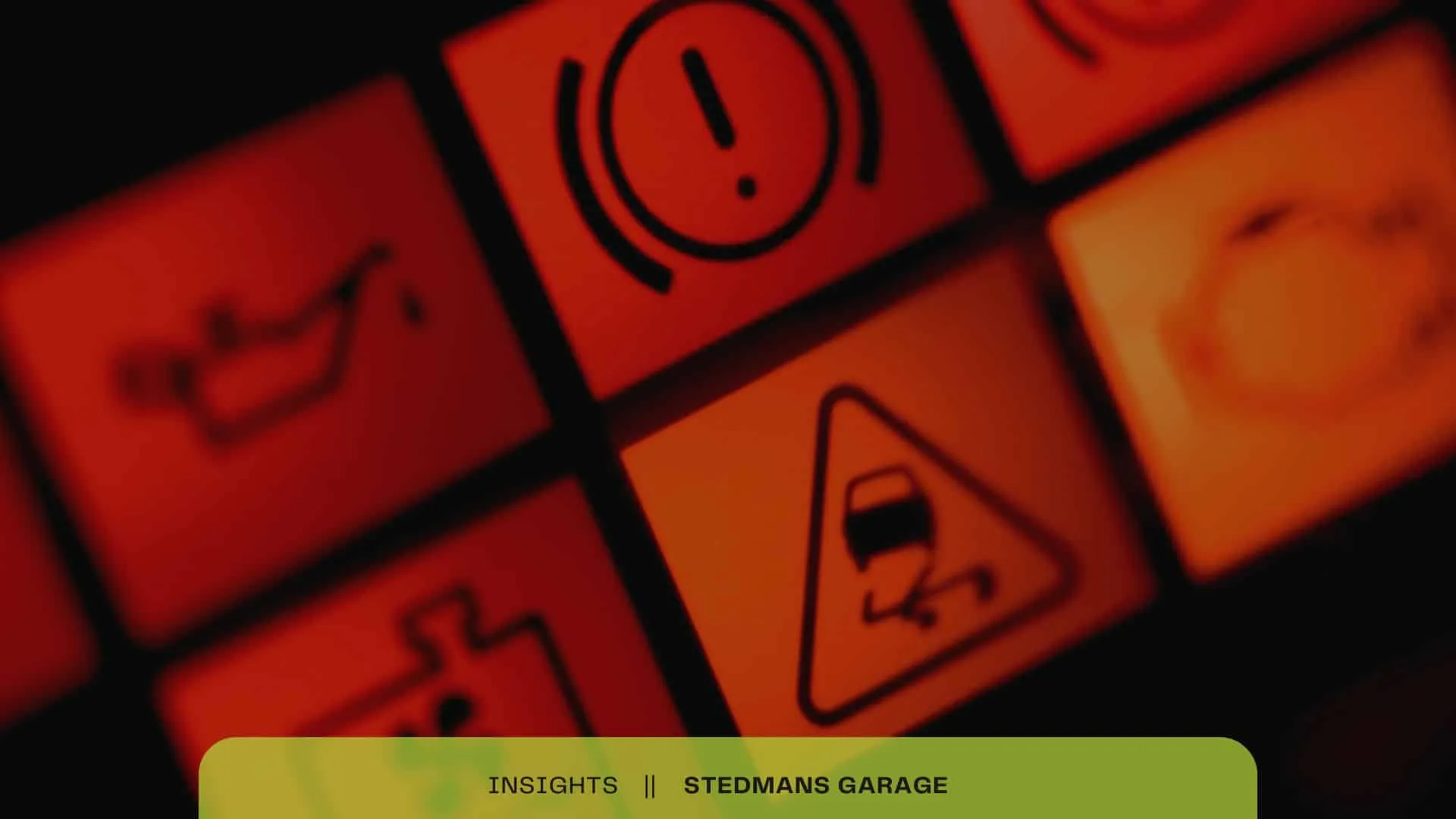
- Illuminated warning lights on the dashboard, particularly for traction control or the AWD system. These alerts are early indicators that the AWD system needs professional inspection.
Potential Haldex System Faults and Their Symptoms
The Golf R's AWD system utilises the Haldex coupling to manage power distribution between the front and rear axles. Common Haldex faults and their symptoms include:
- Transmission of power solely to the front wheels and a failure to distribute power to the rear wheels. This symptom often indicates that the Haldex unit has failed.
- An overheated rear axle differential, usually signified by a yellow indicator light on the dashboard. This condition necessitates immediate attention to prevent further damage to the AWD system.
- An illuminated traction control warning light, suggesting that the Haldex ECU is malfunctioning. This may also lead to reduced traction and handling performance of the vehicle.
Preventive Measures to Avoid AWD System Problems
To prevent AWD system issues, several proactive steps can be taken:
- Regularly follow the recommended maintenance schedule, including the intervals for Haldex fluid changes every 40,000 miles or 4 years (whichever comes first).
- Keep an eye on any unusual changes in performance or audible indicators that could suggest mechanical problems. Address these issues promptly by seeking assistance from qualified professionals to avoid them escalating into more severe faults.
- Ensure clean and sufficient lubrication within the Haldex unit and differentials. Contaminants in the lubrication can cause premature wear and lead to functional breakdowns.
Being aware of these potential issues and implementing preventive measures ensures that the AWD system of the Golf R continues to deliver its renowned performance and reliability. Taking these steps can also enhance system longevity and prevent time-consuming and costly repairs in the future.
Performance Considerations
Power Distribution Characteristics During Different Driving Conditions
The Golf R's 4MOTION AWD system with R Performance Torque Vectoring is designed to deliver exceptional performance across a variety of driving conditions. This system allocates torque dynamically between the front and rear axles and can send power variably between the left and right rear wheels. Under normal driving conditions, the Golf R operates primarily in front-wheel drive, but can transfer up to 50% of the power to the rear wheels instantly when needed to maximise grip and stability.
The system ensures that the vehicle remains well-balanced and responsive, whether on dry asphalt, wet roads, or slippery surfaces. In dry conditions, the AWD system provides stability and precision, allowing for confident high-speed cornering and quick acceleration. On wet or icy roads, the system enhances traction, swiftly redistributing power to prevent slip and maintain control.
Driving Mode Effects on AWD System Performance
The Golf R comes equipped with multiple driving modes, including Comfort, Sport, Race, Special, Drift, and Individual. Each mode adjusts key vehicle settings such as steering response, throttle behaviour, and suspension stiffness, catering to different driving styles and conditions.
- Comfort Mode: Prioritises a smooth ride, making it ideal for everyday driving. In this mode, the AWD system focuses on efficiency and comfort, limiting the power sent to the rear wheels unless necessary.
- Sport Mode: Enhances responsiveness with stiffer suspension and quicker acceleration. The AWD system in Sport mode remains vigilant, ready to distribute power swiftly to optimise performance and maintain grip during spirited driving.
- Race Mode: Fine-tunes the vehicle for maximum performance. It keeps the engine revs higher to ensure instant power delivery and allows the AWD system to distribute power more aggressively to all wheels, suitable for track conditions.
- Special Mode: Designed for racetrack settings, this mode adapts the AWD system to handle high-speed demands efficiently.
- Drift Mode: Allows controlled slides by sending maximum power to the rear wheels, ideal for closed courses and skilled drivers.
Real-World Performance Capabilities in Various Weather Conditions
The versatility of the Golf R's AWD system shines in real-world scenarios. Its ability to quickly respond to changing conditions enhances driver confidence and vehicle safety. In snowy or icy environments, the 4MOTION system ensures that each wheel receives the optimal amount of torque to prevent slipping and maintain traction. The seamless transition between power distribution helps the Golf R tackle harsh winter conditions effectively.
Additionally, during wet conditions, the system's ability to maintain stability and control prevents hydroplaning, allowing for secure handling and braking. The performance-oriented settings in Race mode also enable the Golf R to take on dry tracks with precision, delivering an exhilarating driving experience across various surfaces.
As we delve further into maintaining this advanced AWD system's performance, it’s crucial to consider the role of professional maintenance and diagnostic procedures. This ensures the system continues to operate at its peak efficiency.
Professional Maintenance Tips
Importance of Using Qualified Technicians for AWD System Service
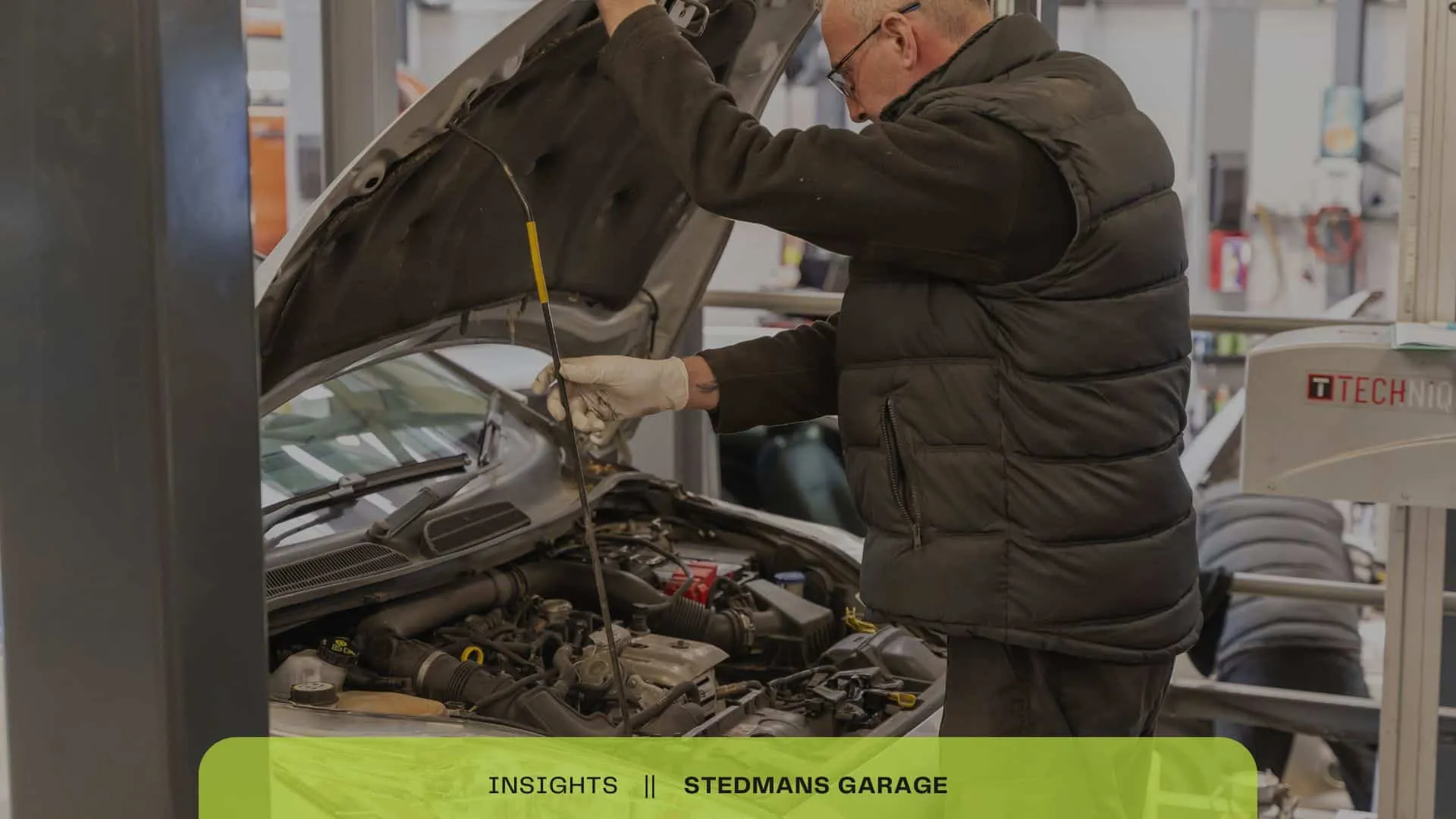
Servicing the Volkswagen Golf R's 4MOTION all-wheel drive (AWD) system calls for expertise and familiarity with its intricate components. Qualified technicians possess the necessary training and experience to accurately diagnose issues and perform maintenance tasks. Using unqualified personnel for such services can lead to improper repairs, which might result in system failures or even more severe damage, significantly increasing long-term ownership costs. Professional technicians ensure that all service procedures adhere to the manufacturer’s specifications, thereby preserving the system’s warranty and ensuring optimal performance and reliability.
Recommended Diagnostic Procedures and Tools
Effective diagnostics are essential for maintaining the health of the Golf R's AWD system. Below are the primary tools and procedures recommended:
- OBD2 Scanners: These devices allow for the evaluation of real-time data and diagnostic trouble codes (DTCs). Scanners such as the ANCEL X7 are highly recommended due to their precise diagnostic capabilities, which are vital for handling the complexity of the AWD system. OBD2 scanners can identify issues swiftly, enabling technicians to address them accurately and without unnecessary part replacements. This tool is invaluable for diagnosing problems with the Haldex coupling and electronic differentials.
- Factory Scan Tools: These are designed by the vehicle's original equipment manufacturer (OEM) and can provide enhanced diagnostic functions specific to the Golf R's AWD system. They offer a deeper inspection capability than generic scan tools by accessing proprietary codes and data streams unique to Volkswagen vehicles.
- Physical Inspections: Regular physical checks of the AWD system components, such as the transfer case, differentials, and multi-plate clutch, are crucial. This involves checking for leaks, signs of wear, and ensuring that all components are properly lubricated.
Best Practices for Maintaining Optimal AWD System Performance
Optimal performance of the 4MOTION AWD system can be achieved by adhering to the following practices:
- Fluid Checks and Changes: Regularly inspect and replace the transfer case and differential fluids as per the recommended intervals found in the vehicle’s manual. These fluids are critical for cooling and lubricating the moving parts of the AWD system.
- Tire Maintenance: Ensuring that all four tires are in good condition and have the same tread depth is vital. Uneven tire wear can cause the AWD system to work improperly. Regular tire rotations and maintaining the correct tire pressure are essential practices.
- Regular Inspections: Schedule frequent inspections with qualified professionals to detect any early signs of wear or damage. Ignoring minor issues can lead to significant problems that are costlier to fix.
- Software Updates: Keep the vehicle’s software up to date to ensure that the AWD system operates with the latest enhancements and fixes provided by Volkswagen.
- Addressing Warning Signs Promptly: Act upon any warnings or unusual symptoms immediately. Ignoring such signs can lead to reduced system efficiency or failure.
Proper maintenance and timely diagnostics not only enhance the performance of the Golf R's AWD system but also extend its lifespan and reliability. Employing these professional tips will ensure that your vehicle continues to perform optimally in all driving conditions.
Long-term Care and Durability
Expected Lifespan of AWD System Components
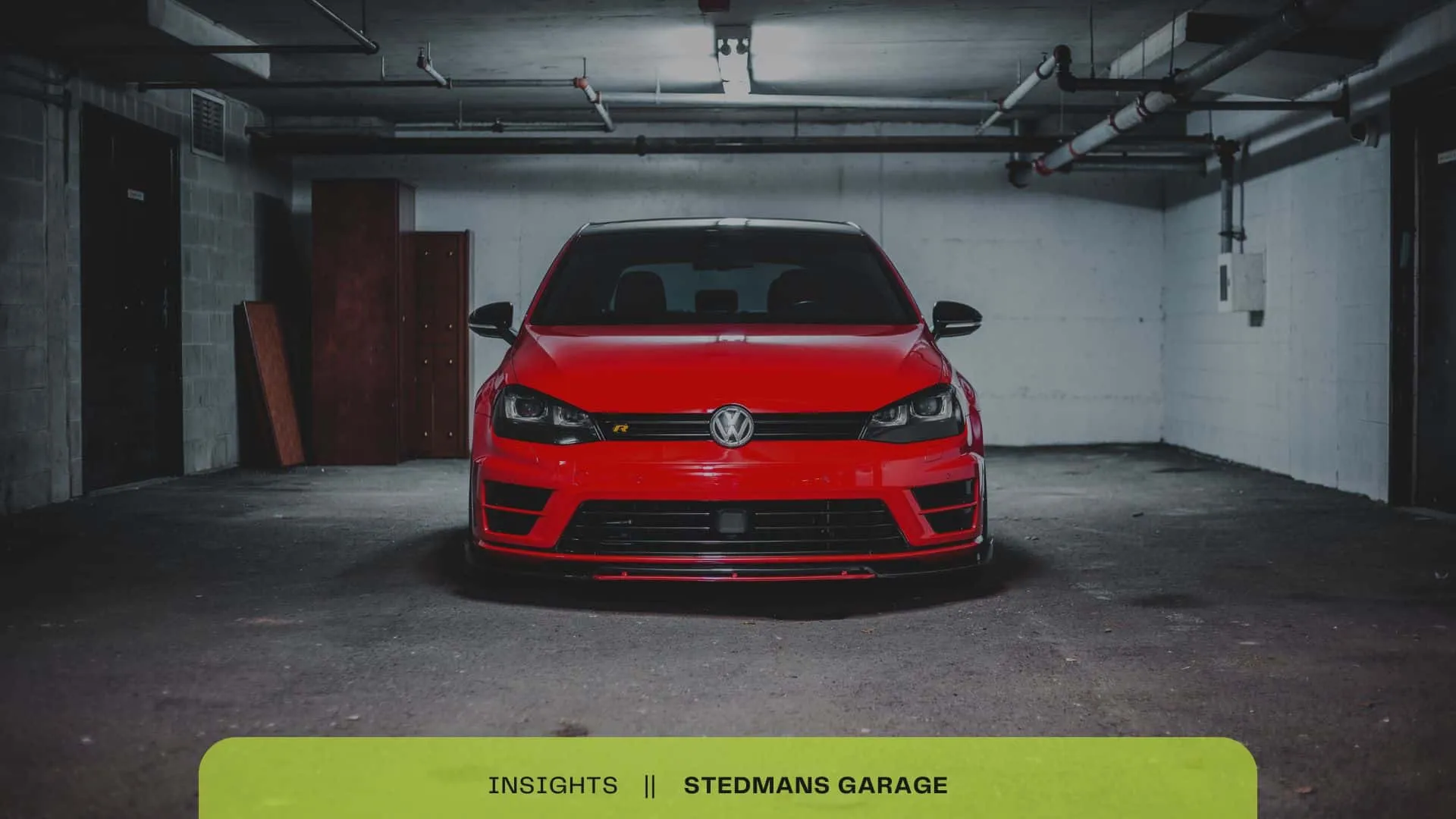
The longevity of the Golf R's 4MOTION AWD system largely hinges on regular maintenance and appropriate usage. Given proper care, key components such as the Haldex coupling, electronic differentials, and the multi-plate clutch can last between 100,000 to 150,000 miles. As each component serves a critical role in system functionality, their lifespan can be influenced by driving habits and conditions.
Factors Affecting System Longevity and Reliability
Several factors influence the durability and reliability of the AWD system:
- Driving Style: Aggressive driving, including hard acceleration, rapid braking, and sharp turns, places significant stress on AWD components, potentially reducing their lifespan.
- Road Conditions: Frequent driving on rough or uneven roads can accelerate wear and tear. Potholes and off-road conditions can especially impact suspension and drivetrain components.
- Maintenance: Regular servicing, including timely oil and filter changes, plays a critical role in maintaining component health. Adherence to recommended maintenance intervals helps prevent system malfunctions.
- Tires: Tire quality and condition significantly impact AWD systems. Uneven tire wear causes the drivetrain to work harder, potentially leading to accelerated wear.
Tips for Maximising AWD System Durability
To maximise the durability of the AWD system, consider the following practices:
- Regular Maintenance: Schedule regular inspections and servicing. This includes timely fluid changes, particularly for the Haldex coupling, which is vital for system longevity.
- Tire Care: Ensure tires are of high quality, regularly rotated, and properly inflated. This helps maintain even wear and reduces undue stress on the AWD components.
- Gentle Driving: Adopt a moderate driving style. Avoid unnecessary acceleration and deceleration to lessen the workload on the AWD system.
- Monitoring: Pay attention to any unusual noises or behaviours. Address issues promptly to prevent minor problems from becoming major repairs.
- Qualified Technicians: Only use certified mechanics for servicing. They are equipped with the right diagnostic tools and have the expertise to maintain and repair complex AWD systems.
By adhering to these practices, the Golf R's AWD system can offer long-term reliable performance, enhancing the driving experience while ensuring safety across various conditions.
Maintaining this high-performance system requires regular attention and care. Following best practices ensures sustained functionality, giving you confidence on any road surface.