

Understanding Your Range Rover PHEV System
Overview of the Hybrid Powertrain Components
The Range Rover Plug-in Hybrid Electric Vehicle (PHEV) system comprises several key components designed to deliver both electric and petrol power. At the heart of the system is the high-voltage battery, housed securely beneath the floor. This battery stores electric energy which powers the electric motor. The electric motor itself is another crucial component, assisting with propulsion and augmenting the power provided by the internal combustion engine.
Complementing these critical components is the power electronics module. This module controls the flow of electrical power between the battery and the electric motor, ensuring efficient energy transfer. Additionally, the system includes regenerative braking technology, which captures energy during braking and converts it into electricity to charge the battery.
Key Features of Range Rover PHEV Models and Their Electric Ranges
Range Rover PHEV models boast several sophisticated features that enhance driving experience and efficiency. One standout feature is the impressive electric-only driving range. Depending on the model, you can expect an electric range of up to 25 miles, which is ideal for daily commutes and short trips. The system seamlessly switches between electric and petrol power to optimise performance and efficiency.
Another key feature is the ability to pre-condition the vehicle. This allows you to heat or cool the cabin to your desired temperature while the vehicle is still plugged in, improving comfort without depleting battery energy.
Basic Operation Principles of the Plug-in Hybrid System
The operation of the Range Rover PHEV system is designed to be intuitive and efficient. When the battery is charged, the vehicle can operate in Electric Vehicle (EV) mode, using solely the electric motor for zero-emission driving. The petrol engine can take over or assist when higher power demands are required, such as during acceleration or climbing steep gradients.
The transition between electric and petrol power is managed automatically by the system, ensuring a smooth and seamless driving experience. You can also manually select modes, such as Hybrid mode for optimum balance between electric and petrol power, or Save mode to conserve battery charge for later use.
Understanding the intricacies of your Range Rover PHEV system is essential for optimising overall vehicle performance and efficiency. By leveraging these components and features effectively, you can enjoy a superior driving experience while minimising environmental impact.
Regular Maintenance Schedule
Recommended Service Intervals for Range Rover PHEVs
Regular maintenance is crucial to ensure your Range Rover PHEV operates at peak efficiency. The standard service interval for most Range Rover PHEV models, such as the P400e, is set at 2 years or 21,000 miles, whichever comes first. This longer interval is designed to accommodate the reliability and durability of the hybrid system components, reducing the frequency of maintenance visits without compromising vehicle performance.
Routine Maintenance Checks Specific to Hybrid Vehicles
Maintaining a hybrid vehicle involves both traditional and specific checks to ensure all systems are operating correctly. Key areas to focus on include:
- Engine and Electric Motor Checks: Regularly inspect and service both the internal combustion engine (ICE) and the electric motor. This includes oil changes, spark plug inspections, and replacing air filters.
- Battery Care: Periodic inspection of the high-voltage battery and its cooling system is essential to maintain battery health and performance.
- Brake System: Due to regenerative braking, the brake system components may last longer, but still require routine inspections and maintenance.
- Tire Maintenance: Tire rotations and pressure checks remain essential to ensure optimal contact with the road and even tire wear.
- Cooling Systems: Monitor the cooling systems for both the engine and electric components to prevent overheating.
- Software Updates: Regularly check for and install any software updates for your vehicle's systems to ensure all components are working efficiently and new features or improvements are applied.
Importance of Following Manufacturer-Specified Maintenance Guidelines
Adhering to the manufacturer's maintenance schedule is pivotal for maintaining the vehicle's performance and reliability. Following these guidelines:
- Preserves Warranty: Compliance with the recommended maintenance schedule helps keep your warranty valid.
- Prevents Major Repairs: Regular maintenance allows for early detection and rectification of issues, preventing them from escalating into costly repairs.
- Ensures Safety: Regular checks, especially on hybrid-specific components, ensure that all systems are functioning correctly, thus enhancing safety for all passengers.
- Maximises Resale Value: Keeping a well-documented service history can maintain the vehicle’s value for future resale.
Maintaining a regular service schedule, while paying particular attention to hybrid-specific requirements, is essential for the longevity and performance of your Range Rover PHEV.
Battery Care and Charging
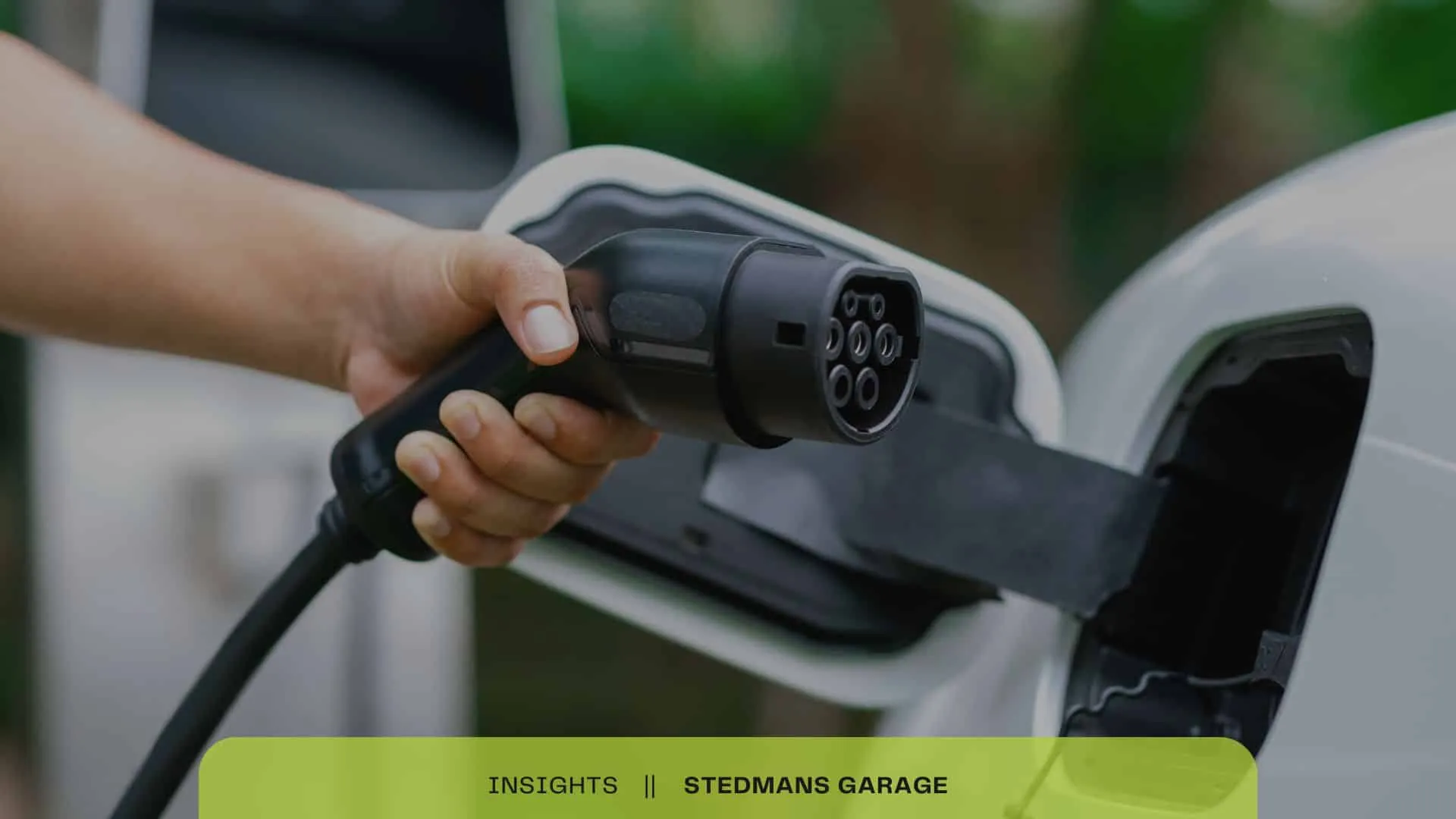
Best Practices for Charging Your PHEV Battery
Maintaining your Range Rover PHEV’s battery health starts with proper charging habits. Utilising Level 2 charging is generally gentler on the battery and recommended for regular use. When charging, try to keep the state of charge between 20% and 80% to extend battery life and performance. If possible, minimise the use of rapid DC charging, as frequent use can strain the battery.
Maximising Electric Range Through Proper Charging Habits
To maximise the electric range of your Range Rover PHEV, it's crucial to charge the battery efficiently. Use the “20-80% rule”: avoid charging the battery to full capacity unless necessary for a long trip. This helps to prevent unnecessary strain on the battery. Additionally, maintaining moderate speeds and using regenerative braking can enhance your vehicle’s efficiency and overall range.
Monitoring Battery Health and Performance
Regular monitoring of your PHEV’s battery health ensures it performs optimally. Most modern EVs, including your Range Rover PHEV, come equipped with a Battery Management System (BMS) that monitors charge cycles and other critical metrics. You can also make use of the InControl Remote app, which provides detailed insights into the battery’s status and can alert you to any irregularities.
Perform routine visual inspections checking for damage, corrosion, and leaks. Utilising tools like a multimeter to track battery voltage can provide further insights. Regularly comparing actual range achieved against estimated range displays on your dashboard is another effective method to gauge battery health.
Following these practices will help in maintaining the longevity and efficiency of your Range Rover PHEV’s battery, ensuring a reliable performance across various driving conditions. Proper care extends not only the battery life but also supports the overall hybrid system’s efficiency.
Optimising Fuel Efficiency
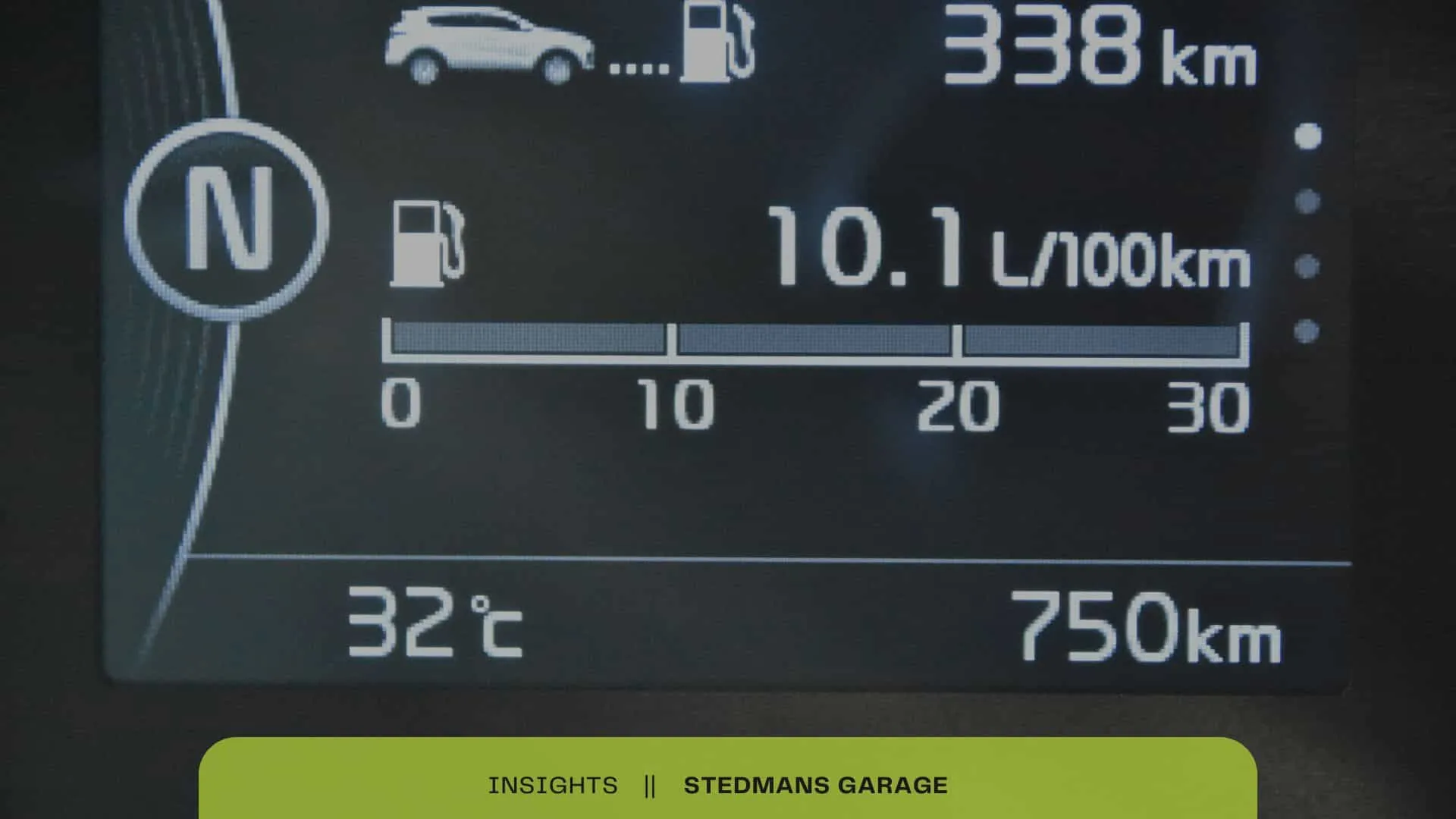
Tips for Maximising Combined Fuel Economy
Maximising fuel economy in a Range Rover Plug-in Hybrid Electric Vehicle (PHEV) requires adopting specific driving habits. These practices optimise both the electric and petrol components of the hybrid system.
1. Avoid Rapid Acceleration and Hard Braking: Gentle acceleration and braking improve fuel economy. Quick starts and abrupt stops waste energy and reduce the system's efficiency. Gradual acceleration and deceleration allow the electric motor to provide more consistent power, using less fuel.
2. Maintain a Steady Speed: Driving at a steady pace, particularly on highways, optimises fuel economy. Utilising cruise control where possible helps maintain consistent speeds and avoids the unnecessary acceleration and deceleration that consume extra fuel.
3. Plan Efficient Routes: Planning your journeys to avoid heavy traffic and idling times can significantly improve fuel efficiency. Congested routes with frequent stop-and-go conditions cause the system to alternate excessively between electric and petrol power, lowering overall efficiency.
4. Remove Unnecessary Weight: Excess weight in the vehicle requires additional energy for propulsion. Removing unnecessary cargo and rooftop carriers can reduce the load and improve fuel economy.
5. Proper Tyre Maintenance: Maintaining the correct tyre pressure not only ensures safety but also enhances fuel efficiency. Under-inflated tyres increase rolling resistance, which requires more energy from both the electric motor and ICE.
Effective Use of Regenerative Braking
Regenerative braking is integral to the efficiency of hybrid vehicles. The system recaptures kinetic energy during braking, converting it into electrical energy to recharge the battery.
1. Anticipate Traffic Ahead: By looking ahead and anticipating traffic flow, you can decelerate gradually, allowing the regenerative braking system to recover more energy. This approach conserves the battery's charge and translates into improved electric range.
2. Use High Levels of Regenerative Braking: High levels of regenerative braking are generally more efficient as they can capture more kinetic energy during deceleration. Applying the brake gently and early helps maximise the power harvested by the system and reduces wear on traditional braking components.
Balancing Electric and Petrol Power Usage
Optimal usage of the electric and petrol power sources in a Range Rover PHEV involves strategic driving to ensure the highest efficiency.
1. Use Electric Mode for Short Trips: Utilise the electric motor for shorter daily commutes to maximise fuel savings. The Range Rover PHEV is designed to handle most short-distance drives solely on electric power, reducing the need to engage the ICE.
2. Engage Predictive Energy Optimisation: When planning longer routes, use the vehicle's Predictive Energy Optimisation (PEO) feature. This system uses geographical data to switch intelligently between electric and petrol power, ensuring fuel economy is maximised throughout the journey.
3. Utilise the SAVE Function: For longer trips, use the SAVE function to prevent the battery from depleting below a certain level. This preserves electric power for urban areas where zero-emission travel is more beneficial.
Monitoring System Performance
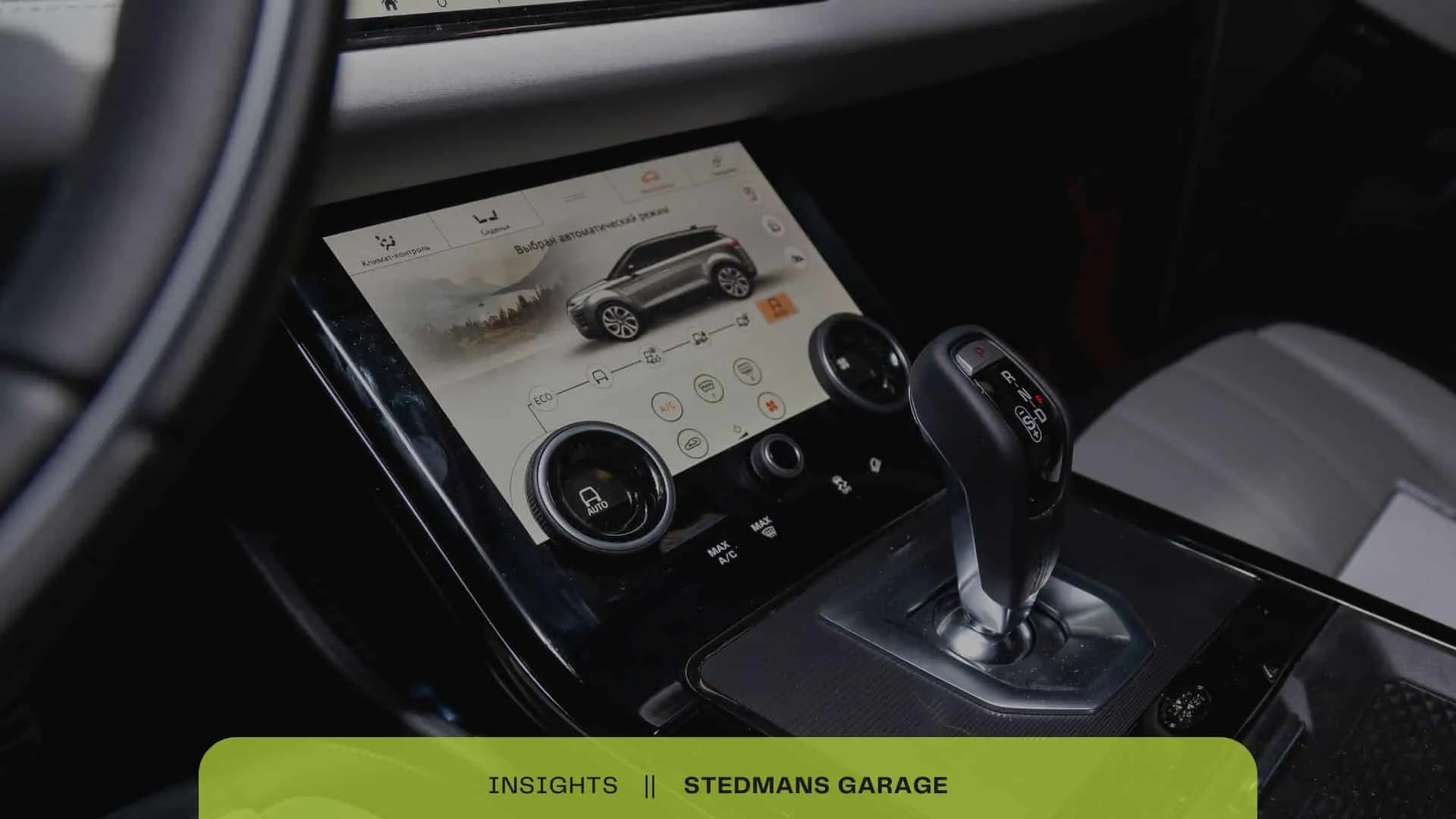
Understanding the Vehicle’s Performance Displays and Indicators
To effectively monitor your Range Rover PHEV's performance, it's essential to understand the various displays and indicators on your dashboard. The instrument panel offers real-time information on battery health, fuel efficiency, and engine performance. Key indicators, such as the state of charge (SoC) and energy consumption rates, keep you informed about your vehicle's current status and anticipate future needs, ensuring optimal performance.
Interpreting Battery Charge Levels and Range Estimates
Interpreting battery charge levels and range estimates is crucial for efficient driving. The charge level indicates how much energy remains in the battery, while the range estimate provides an approximation of the distance your Range Rover PHEV can cover purely on electric power. By paying close attention to these metrics, you can plan your journeys better and reduce the risk of running out of charge unexpectedly. Efficient management of these elements also improves fuel economy and reduces emissions.
Using the InControl Remote App for Vehicle Monitoring
The InControl Remote app is an invaluable tool for maintaining the performance and health of your Range Rover PHEV. This app offers various features, including:
- Map Display: Visualise your vehicle’s parked location and your current location.
- Vehicle Status: Get the latest alerts about issues like low washer fluid, door and window status, and alarm settings.
- Remote Functions: Lock or unlock your vehicle, initiate remote engine starts, and manage cabin climate before you enter the vehicle.
- Remote Charging: View your vehicle’s charging status and control the charging schedule.
- Journey Tracking: Record and review recent journeys, which is particularly useful for calculating business expenses.
Utilising these features effectively aids in ensuring that your vehicle stays in optimal condition and that potential issues are addressed promptly. The app also provides additional details on air quality and battery health, giving you a comprehensive overview of your vehicle's performance at your fingertips.
Understanding and using these performance monitoring tools can lead to better maintenance, more efficient driving, and prolonged vehicle life. Stay informed about your vehicle's health by regularly engaging with these systems to keep your Range Rover PHEV running smoothly.
Winter Care and Seasonal Maintenance

Special Considerations for Cold Weather Operation
Driving in cold weather presents unique challenges for your Range Rover PHEV. One key feature of the Range Rover is the Grass, Gravel and Snow Mode, which optimises vehicle performance in snowy and slippery conditions. This mode adapts to winter driving challenges by assessing gradient, slip, yaw, temperature, and pressure, thereby ensuring enhanced traction and stability on icy roads.
Additionally, pre-winter preparations play a significant role in maintaining performance. These preparations include a thorough check of your tyres, ensuring they are properly inflated and considering overinflation can reduce grip. Winter tyres, specifically designed for harsh conditions, offer superior traction, enhancing safety and drivability.
Maintaining Battery Performance in Extreme Temperatures
Battery performance is profoundly impacted by temperature variations. In cold conditions, chemical reactions within the battery slow down, reducing its efficiency in delivering power. To combat this, the Range Rover PHEV utilises an advanced thermal management system that helps regulate battery temperature, promoting longevity and efficiency even in the harshest climates.
When driving in low temperatures, it's crucial to monitor your battery's temperature using the vehicle's in-built battery management system. Avoid charging the battery in extremely cold conditions as it can lead to lithium plating, which might cause permanent capacity loss. Instead, warming the battery slightly before charging can prevent this issue.
Seasonal Maintenance Checks
Regular maintenance checks are essential to ensure your PHEV operates smoothly throughout winter. Before winter sets in, book a pre-winter inspection at your local Land Rover Retailer. This inspection should include testing the heating system and defrosters, replacing cabin air filters for better air quality, and ensuring all fluids are at optimal levels.
Winter equipment such as snow chains, emergency traction aids, and durable rubber floor mats should also be part of your seasonal preparations. These items not only enhance safety but also protect your vehicle's interior from the winter elements.
By adhering to these winter care guidelines, you can ensure that your Range Rover PHEV remains reliable, safe, and efficient, no matter the weather conditions. Taking the necessary precautions and performing seasonal checks will keep your vehicle in top shape throughout the winter months.
Troubleshooting Common Issues

Recognising Early Warning Signs of Potential Problems
It's crucial to identify early warning signals to address potential issues with your Range Rover PHEV before they escalate. Common signs include the "Check Hybrid System" indicator or the "Service Hybrid Battery" warning displayed on the dashboard. These alerts often indicate issues such as low battery charge, faulty connections, or other hybrid system malfunctions.
Additionally, you may notice unusual behaviours such as a significant drop in electric range, reduced performance, unusual sounds when charging, or the inability to switch between electric and petrol modes. Oil leaks, detectable through oil spots beneath the vehicle or a burning oil smell, and engine trouble also merit immediate attention.
Basic Diagnostic Steps for Hybrid System Issues
When encountering these warning signs, initially perform basic diagnostic checks to ascertain the problem. Firstly, use an OBD-II scanner to read diagnostic trouble codes. This device is essential for pinpointing specific issues within the hybrid system, such as battery health or connection faults.
Next, visually inspect the high-voltage battery and surrounding electrical components for any visible damage or irregularities. Check for secure connections and ensure the battery terminals are clean and free from corrosion.
For reported oil leaks or engine issues, inspect the engine bay for any noticeable leaks or damaged hoses. Observing these steps can often resolve minor issues without the need for expert intervention.
When to Seek Professional Assistance
Despite your best efforts, some issues may require professional expertise to diagnose and repair. If the warning lights persist after performing basic diagnostics or if there is a significant decrease in battery performance, it is advisable to seek professional assistance.
Professionals have the tools and expertise to conduct comprehensive diagnostics and repairs, ensuring that all components are functioning correctly. For instance, addressing high-voltage battery issues might involve complex procedures such as circuit board restoration and ensuring proper clamp force in battery assemblies.
Remember, consistent and detailed documentation of the vehicle's service history is vital for maintaining its long-term health and value. This approach will help in resolving issues promptly and maintaining the optimal performance of your Range Rover PHEV.
Long-term Care and Value Retention

Protecting Your Investment Through Proper Maintenance
Maintaining your Range Rover Plug-in Hybrid Electric Vehicle (PHEV) involves more than following the usual service routines; it is about ensuring longevity and maintaining value for the long term. Adhering to the recommended service intervals, addressing potential issues promptly, and keeping a consistent maintenance schedule are all crucial. Regular check-ups contribute to the health of the Powertrain, including the high-voltage battery and electric motor.
Routine inspections should not be overlooked, as they play a significant role in preempting and mitigating any possible issues that could degrade performance over time. By meticulously following the manufacturer’s maintenance guidelines, you prevent the occurrence of avoidable wear and damage, ensuring that your vehicle remains in prime condition.
Documenting Service History and Maintenance Records
A well-documented service history can significantly increase the resale value of your Range Rover PHEV. Buyers seek vehicles with clear records as it signifies transparency and diligence in maintenance, making it a more appealing purchase. It's beneficial to keep a detailed log of each service, repair, or inspection undertaken on the vehicle. This includes oil changes, battery checks, and any software updates.
Service records act as a testament to the vehicle's health over time, reassuring potential buyers of their investment’s reliability. According to experts, a meticulously maintained log can enhance a car's resale value by up to 20%.
Preserving Battery Life for Optimal Resale Value
Battery health is a cornerstone of maintaining a Range Rover PHEV’s value. To preserve battery life, follow the “20-80% rule” for charging and avoid frequent use of rapid DC chargers. Additionally, try to limit exposing the vehicle to extreme temperatures, as this can affect the battery’s longevity. Proper usage involves:
- Keeping the battery charged within the recommended range.
- Avoiding deep discharges and overcharging.
- Parking in shaded areas or garages to minimise temperature exposure.
- Driving the vehicle regularly to maintain battery condition.
These practices help maintain optimal battery performance, assuring future owners of the vehicle's lasting efficiency.
By ensuring your Range Rover PHEV remains in top condition and documenting every service activity, you protect your long-term investment. This not only maximises the vehicle's performance but also enhances its appeal and value for future ownership. This seamlessly leads into considerations surrounding how the vehicle operates under different conditions and how to maintain it accordingly.