
Understanding Volkswagen's DPF System
What is a Diesel Particulate Filter and Its Role
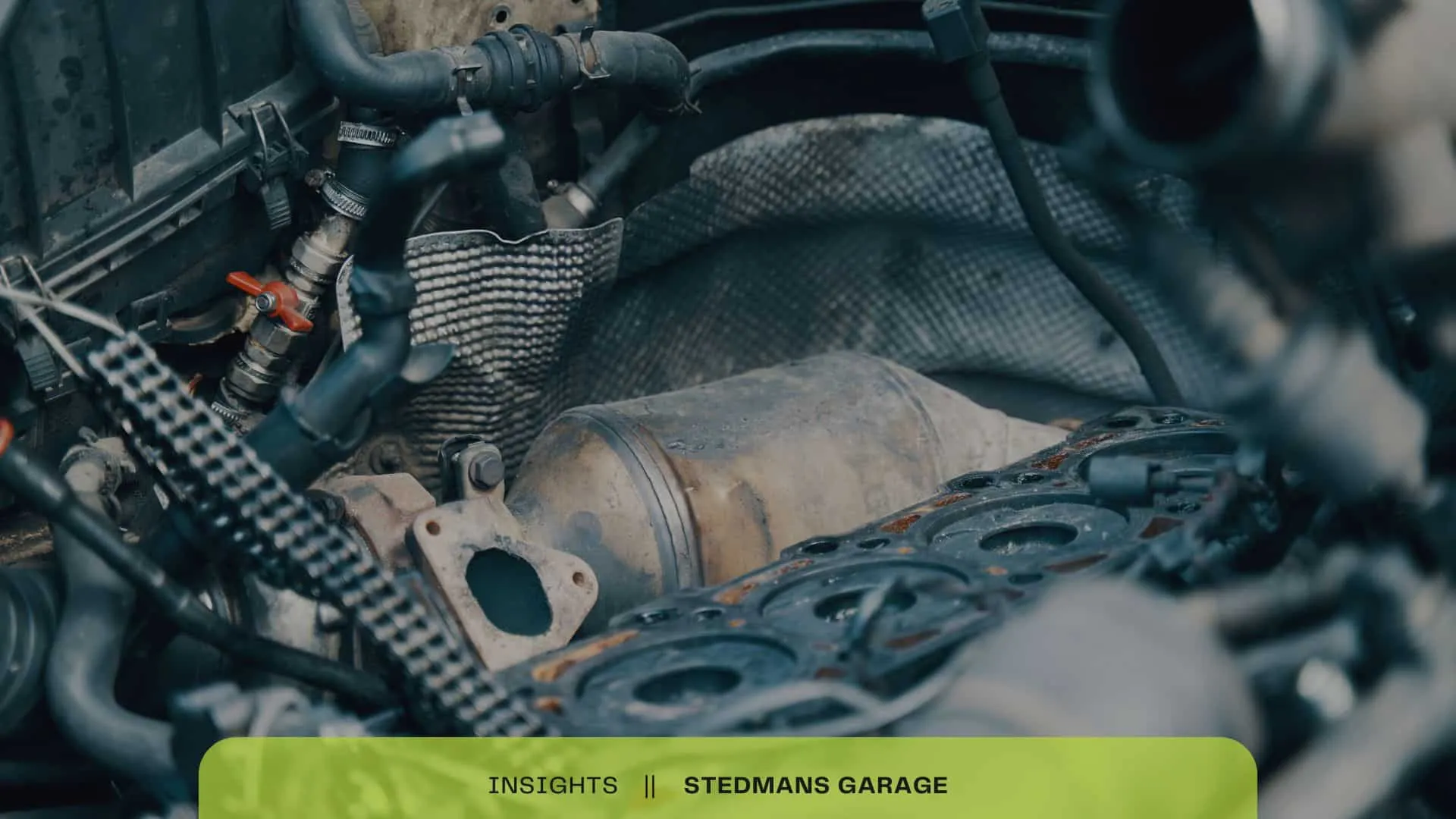
A Diesel Particulate Filter (DPF) is a key emissions control device found in modern Volkswagen diesel vehicles. Its primary function is to trap and store particulate matter (PM) produced during diesel combustion, mainly soot and ash. This helps vehicles meet stringent emissions legislation by reducing harmful particles released into the air. Modern DPFs typically remove over 99% of particulate emissions, greatly lowering the environmental impact of diesel engines, which are otherwise known for higher particulate and nitrogen oxide (NOx) outputs.
How the System Operates in Volkswagen Vehicles
Volkswagen diesel vehicles employ DPFs positioned within the exhaust system. As exhaust gases pass through the filter’s porous surfaces, PM is captured via deep bed and surface filtration. Over time, the accumulation of soot increases backpressure within the exhaust, which can impact engine efficiency if not addressed. To counter this, Volkswagen vehicles use both passive and active regeneration processes. Passive regeneration occurs naturally at higher exhaust temperatures, while active regeneration is triggered by the engine control unit, often by altering fuel injection timing to raise exhaust temperature and burn off soot.
The Importance of Proper Maintenance
Proper DPF maintenance is crucial for both vehicle performance and longevity. A blocked DPF restricts exhaust flow, causing increased fuel consumption and reduced engine efficiency. Inadequate maintenance or missed regenerations can lead to permanent filter damage and expensive repairs. Regular care ensures smooth regeneration cycles, maximising DPF life and maintaining compliance with emissions standards.
Recognising the warning signs early and understanding the regeneration process are essential steps for owners to maintain their DPF’s effectiveness and avoid costly interventions.
If you're seeking reliable Volkswagen servicing in Worthing, our team at Stedmans Garage combines specialist expertise with advanced diagnostics equipment to accurately identify and fix issues. From DPF blockages to engine faults, we’re trusted by VW owners across Worthing for efficient, transparent service.
Warning Signs of DPF Issues
Dashboard Warnings and What They Mean
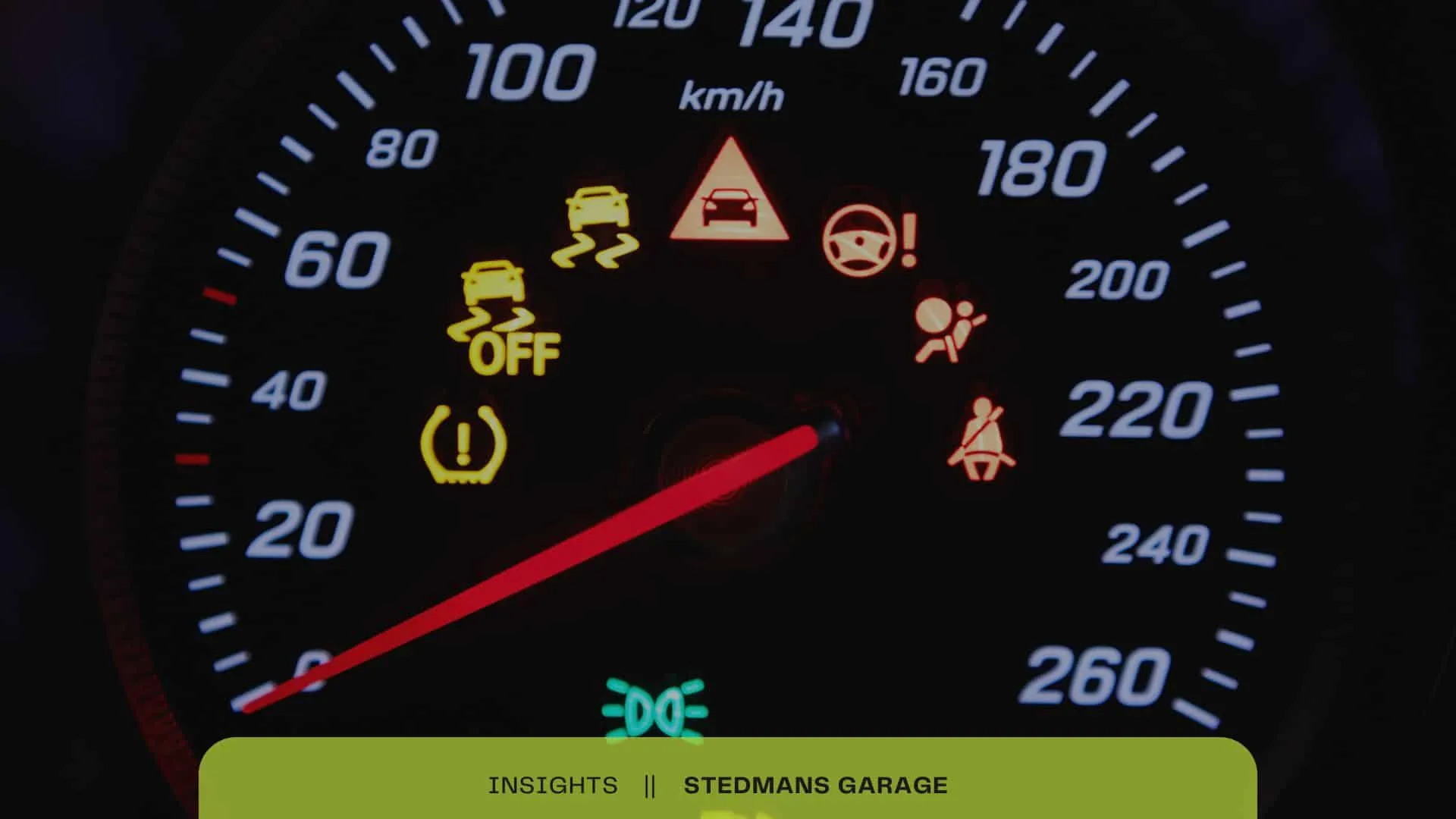
Volkswagen diesel vehicles are fitted with dashboard warning lights that can indicate DPF (Diesel Particulate Filter) problems. The most common is the DPF warning light, often resembling an engine or filter icon. When illuminated, it means the system has detected an increase in soot load. If not addressed, this can lead to the light flashing or staying on, indicating that the DPF needs cleaning or attention. Ignoring this can trigger further alerts, including the check engine light, signalling more severe DPF or emission issues.
Notable Performance Symptoms
Performance-related signs go hand in hand with warning lights. Drivers may notice a clear reduction in engine power, delayed throttle response, or the vehicle entering "limp mode," where speed and power are restricted to prevent serious damage. This limp mode is a safety protocol, but it signals that the DPF issue must be resolved before regular driving resumes. Sometimes, you might face frequent or unsuccessful regeneration cycles, making the vehicle feel sluggish and increasing fuel consumption. These symptoms, seen together, should prompt immediate investigation to prevent expensive repairs.
Interpreting Engine Management Alerts
Engine management systems in Volkswagen models are designed to identify DPF issues early. Besides the specific DPF warning light, you might see a general engine management warning or messages about emissions control. Such alerts are often paired with diagnostic trouble codes when scanned by a mechanic. Reading these codes is crucial for pinpointing whether the issue relates specifically to the DPF or another part of the emissions system.
Understanding and acting on these warning signs ensures your vehicle’s emissions remain within legal limits, and keeps repair costs controlled.
DPF Regeneration Process
Passive and Active Regeneration
Volkswagen diesel vehicles use two main types of DPF (Diesel Particulate Filter) regeneration: passive and active. Passive regeneration takes place automatically when the exhaust temperature stays high enough for a long period, such as during steady motorway driving. This heat burns off the soot accumulated in the DPF, helping to keep it clear without intervention.
Active regeneration, however, is managed by the engine control unit when the DPF cannot clear itself naturally. The system injects extra fuel into the exhaust, raising the temperature and burning off trapped soot. This process usually happens when the vehicle is driving at lower speeds or making frequent short journeys.
How Driving Habits Affect Regeneration
Driving patterns play a significant role in the DPF regeneration process. Regular short trips, heavy urban traffic, and stop-start journeys often do not allow the DPF to reach the temperature required for passive regeneration. As a result, active regeneration becomes more frequent. Without occasional longer drives at a steady speed, the DPF may not regenerate properly. To support the system, it’s advisable to include some longer trips in your routine, allowing the exhaust to get hot enough to burn off the soot.
Troubleshooting Unsuccessful Regeneration
If regeneration fails, drivers may notice a warning light on the dashboard, reduced engine power, or the car entering ‘limp’ mode. In this situation, attempting a longer drive at sustained speeds (such as 60 km/h for about 20 minutes) can help complete the regeneration. If warnings persist, it is essential to have the system inspected promptly to prevent clogging or damage.
Consistent monitoring and timely action help avoid costly repairs while maintaining emissions performance.
DIY DPF Cleaning Methods
Step-by-Step Guide to Cleaning
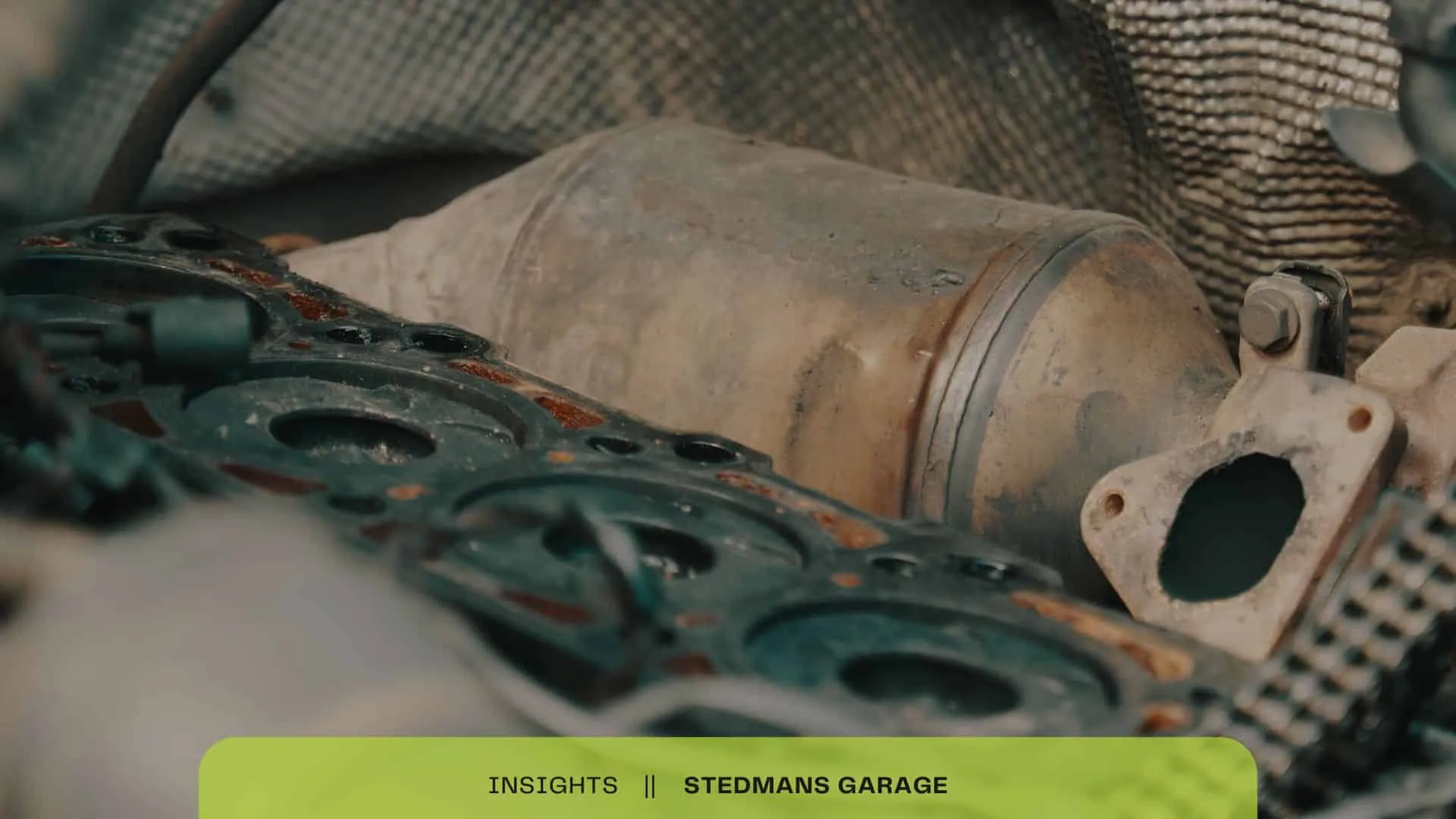
DIY cleaning of the diesel particulate filter (DPF) can restore some function and delay a costly replacement, provided the clog is from soot rather than permanent ash buildup. The most accessible method involves using chemical cleaning solutions, including spray-on systems and fuel additives specially designed for diesel engines. Fuel additives are poured directly into the fuel tank. As you drive, the chemicals mix with the exhaust gases, helping to break down soot inside the DPF during normal operation. For more severe clogs, some DIY kits require you to remove the oxygen or temperature sensor from the exhaust, then inject a cleaning fluid directly into the filter before initiating a regeneration drive to burn off the loosened debris. It is critical to follow the manufacturer's directions precisely and complete a drive that maintains engine RPM above 2,400, ensuring full activation of the cleaning process.
Chemical Cleaners vs Mechanical Methods
Chemical cleaners are simple to apply and ideal for regular maintenance or when the blockage is predominantly soot. Spray cleaners can clear mild blockages but are less effective for significant ash build-up, which chemical treatments cannot shift. Mechanical cleaning involves removing the DPF for a manual clean, using compressed air or a gentle water rinse. While more thorough, mechanical methods are labour intensive and risk damaging the filter if done without care. Harsh chemicals like caustic soda should be avoided as they can harm internal components if misused.
When DIY is Appropriate
DIY methods are best reserved for early-stage blockages or as part of routine preventive care. If the DPF warning light persists after cleaning, or if the engine enters limp mode, the filter may be too clogged or damaged for home remedies. In these cases, or when professional tools are needed to initiate forced regeneration, seeking expert help is the safest course. Professional cleaning is also required if the DPF’s ash load is high, as this cannot be resolved effectively with DIY procedures.
With basic maintenance and attention to early signs of trouble, many Volkswagen owners can keep their DPF functioning optimally from home. More severe cases, however, demand professional intervention.
Professional DPF Cleaning Services
The Professional Cleaning Process
When routine cleaning or DIY efforts are no longer effective, professional services are essential to restore your Volkswagen’s DPF to optimal function. The process usually begins with the removal of the filter from the vehicle. It is then subjected to a combination of cleaning techniques designed to remove accumulated soot and ash.
Typical steps include a first-pass with compressed air, which helps dislodge loose residue from the filter’s internal structure. Following this, the DPF may undergo a “baking” cycle, where it is exposed to high temperatures in a controlled environment. This procedure burns off deeply embedded soot and carbon deposits. Finally, the filter is thoroughly rinsed to wash away any remaining particles, ensuring the channels are free-flowing before refitting the DPF into the vehicle.
Cost Considerations in the UK
Professional DPF cleaning services in the UK come at a cost typically ranging from £160 to £500, with an average closer to £300. The final price is determined by several factors, including the severity of the blockage and the make and model of your Volkswagen. Severe blockages or filters that require in-depth inspection and multiple treatments may attract higher fees.
Selecting a Reputable Service Provider
To ensure quality and protection for your vehicle, always choose a DPF cleaning specialist with strong customer feedback, transparent quotes, and clear aftercare guidance. Look for providers with established reputations, clear warranty terms, and suitable experience with Volkswagen vehicles. Professional advice and a commitment to industry standards are crucial for optimal results.
With thorough cleaning, your DPF is prepared for renewed efficiency and performance, supporting continued vehicle health and compliance.
When Replacement is Necessary
Recognising When Your DPF Can No Longer Be Cleaned
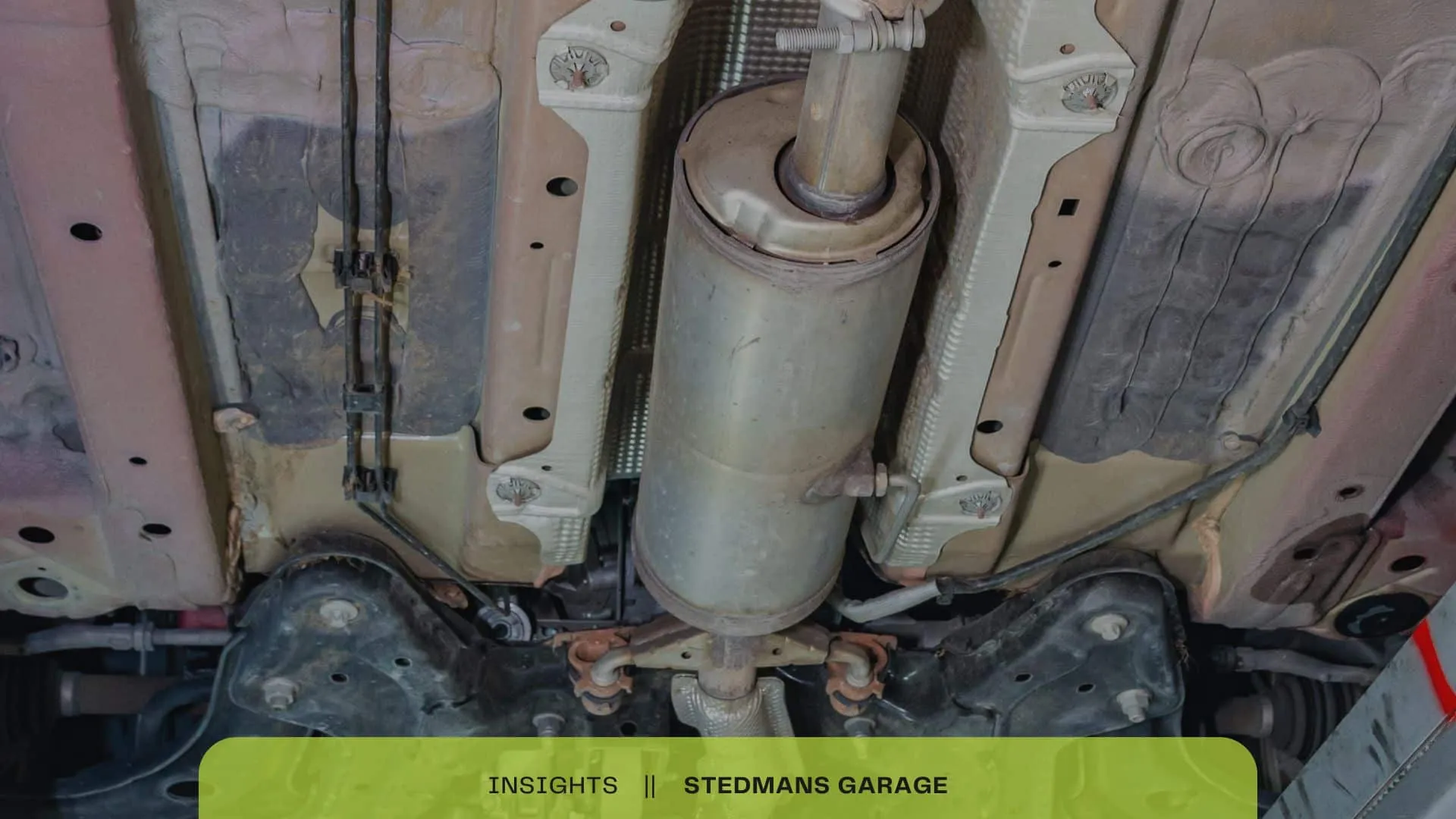
A time may come when cleaning is no longer sufficient to restore the diesel particulate filter (DPF) in your Volkswagen. Knowing the difference between a filter needing maintenance and one requiring replacement is critical to avoid further engine issues or unexpected breakdowns.
The first indicator is soot load. While regular cleaning can remove moderate soot buildup, a DPF with a soot load measured above 50 grams is often too blocked for cleaning to be effective. At this point, the passages become so restricted that regeneration and cleaning cannot clear the blockages. Attempts to clean an overloaded filter may prove fruitless or even risk damaging the filter structure.
Structural Damage and Irreversible Blockage
Damage from overheating, failed regeneration cycles, or mechanical impact can compromise the filter’s ceramic substrate. Signs include cracks, melted areas, or pieces breaking away inside the filter. These physical problems are not repairable, and replacement is the only safe option. Other issues such as repeated engine management warnings, persistent limp mode, or the inability of professionals to bring warning lights back under control after cleaning, also signal it may be time to replace rather than clean.
Understanding Beyond-Repair Scenarios
Filter lifespan can also be shortened by using unsuitable cleaning techniques or low-quality fuel. If the DPF has reached or exceeded its designed service interval, and cleaning provides little improvement, replacement may be required. Promptly addressing these issues helps ensure your Volkswagen’s continued performance and emissions compliance.
This careful assessment helps guide owners towards sound decisions about their DPF system’s future.
DPF Replacement Options
OEM vs Aftermarket Filters
When a diesel particulate filter in your Volkswagen reaches the end of its service life or suffers structural damage, you have two primary choices: original equipment manufacturer (OEM) or aftermarket replacement. OEM filters are built to Volkswagen’s specifications and undergo extensive quality checks. They tend to provide reliable performance, longevity, and are often covered by a manufacturer’s warranty, offering peace of mind for owners.
Aftermarket options, by contrast, come from third-party makers. While some high-quality aftermarket filters meet industry standards, there is greater variability in materials and design. Poor design or mismatched sizing may reduce lifespan or cause more frequent clogging, which can affect vehicle performance and emissions. It's critical to choose a reputable brand that fits your specific model to prevent engine problems and ensure compliance with emissions regulations.
Cost Considerations
OEM DPF replacements are generally more expensive than aftermarket units. Costs can range from just under £1,000 to several thousand pounds, not including labour. Aftermarket filters may be available at lower prices; however, frequent replacement may be necessary if quality is compromised, potentially offsetting initial savings. Repeated professional cleaning is often more economical in the medium-term, especially if the filter structure remains sound.
Warranty and Support
A key factor when replacing your DPF is warranty. OEM replacements usually offer solid support and coverage in case of failure. Aftermarket warranties vary greatly; always check terms and ensure the filter meets required standards for your vehicle.
Preventative Maintenance Tips

Driving Habits that Protect Your DPF
How you drive your Volkswagen has a direct impact on the health of its diesel particulate filter (DPF). Smooth acceleration, steady speed, and minimising harsh braking help reduce soot levels. Avoid short, frequent trips where the engine does not reach optimal temperature, as this limits the filter’s ability to complete regeneration cycles. Regularly driving at moderate engine speeds on dual carriageways or motorways allows the exhaust system to reach the high temperatures required for passive DPF regeneration, effectively burning off accumulated soot and preventing blockages. Gentle driving, including engine braking, also reduces overall wear-and-tear and emissions.
Recommended Service Intervals
Routine maintenance is essential for sustained DPF performance. Volkswagen generally recommends servicing your vehicle every 10,000 miles or 12 months, whichever comes first. These scheduled checks should include DPF inspection to assess for excess soot or signs of reduced function. Following the manufacturer’s guidance ensures any arising issues are detected early and managed before more serious damage occurs.
Fuel Quality Considerations
Your choice of fuel can influence DPF health. Using high-quality, low-sulphur diesel and the correct oil grade specified by Volkswagen helps to limit soot and contaminant build-up. Poor-quality fuel can accelerate DPF clogging, reduce regeneration efficiency, and lead to premature DPF wear. Always refuel at reputable stations and avoid additives not recommended by Volkswagen.
Consistent driving habits, regular servicing, and careful fuel selection together support optimal DPF operation and help prevent costly repairs that can arise from neglect.
Conclusion: Maximising Your Volkswagen DPF Lifespan
Essential Maintenance Practices
Ensuring the health of your Volkswagen’s diesel particulate filter requires a mix of regular maintenance and mindful driving habits. Schedule routine checks, ideally every 10,000 miles or once a year. These checks help spot early signs of filter clogging and avoid sudden breakdowns. Use only high-quality, low-sulphur diesel and Volkswagen-approved oils to reduce soot build-up and protect the DPF.
Smooth, longer drives are beneficial. Short trips and frequent stop-start driving often prevent your DPF from completing regeneration cycles. This can lead to excess soot accumulation and reduced performance. Aim for occasional motorway journeys to allow the filter to regenerate fully and function as designed.
Cost-Benefit Analysis
Investing in routine maintenance is cost-effective compared to premature DPF replacement. Cleaning and checking your DPF during regular servicing avoids the expense of major repairs. Professional cleaning costs significantly less than a full replacement, which may become necessary if symptoms are ignored or the filter is repeatedly overloaded.
Frequent neglect often leads to higher long-term expenses. While DIY cleaning solutions can help with minor build-up, persistent warning lights or limp mode require professional attention or even replacement, usually at a much higher cost.
Practical Recommendations
Stay alert for dashboard warnings and act promptly when signs of DPF issues appear. Follow manufacturer recommendations on servicing and parts. Combine good fuel choices, routine checks, and consistent driving habits to maximise DPF function and vehicle longevity.
Keep these strategies in mind, and your Volkswagen’s DPF system is more likely to remain efficient, reliable, and cost-effective for years to come.