
Introduction
Regular car servicing is essential for maintaining the health and performance of your vehicle. It ensures that your car operates safely and efficiently on UK roads. While many drivers follow a service schedule based on mileage or time, it is equally important to stay alert for signs that indicate your car may need attention before its next scheduled service. Ignoring these signs can lead to serious issues, potential safety hazards, and higher repair costs. In this blog, we will explore five critical signs that your car needs a service, even if it’s not due yet. These signs include the engine warning light, unusual noises, decreased fuel efficiency, changes in handling, and fluid leaks under the car. By understanding these indicators, you can take proactive measures to maintain your vehicle and ensure your safety on the road.
Understanding the Importance of Car Servicing
What is Car Servicing?
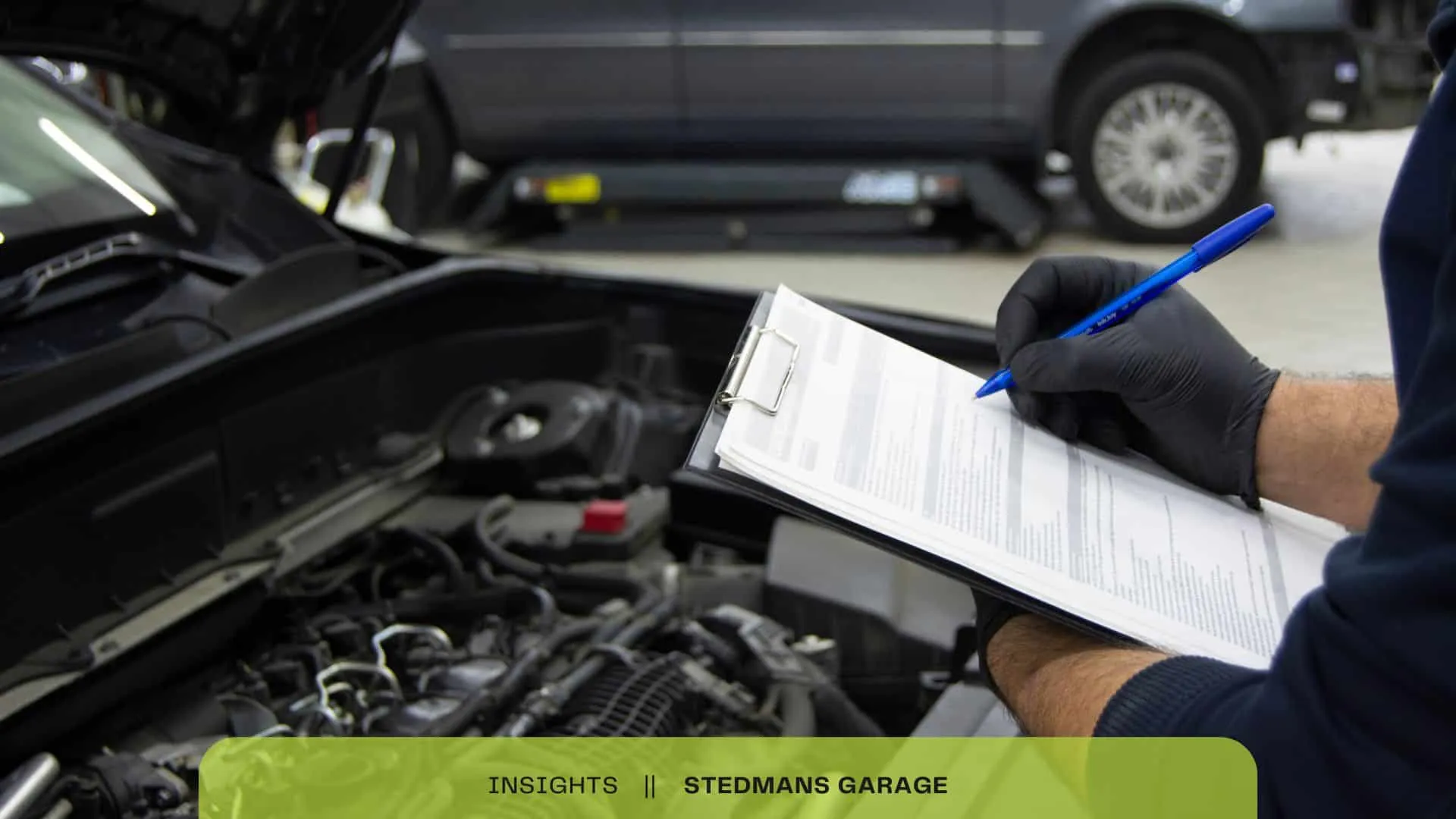
Car servicing refers to the routine maintenance and inspection of your vehicle to make sure it operates optimally. This typically includes checking and replacing fluids, inspecting brakes, tyres, and exhaust systems, and ensuring that all components are functioning correctly. Regular servicing plays a critical role in:
- Safety: Ensuring that all safety features, such as brakes and lights, are in working order.
- Performance: Maintaining engine efficiency and overall vehicle performance.
- Longevity: Extending the life of your vehicle through preventative care.
The Consequences of Neglecting Car Maintenance
Neglecting regular car maintenance can have serious repercussions, especially in the context of UK driving conditions. The unpredictable British weather can worsen issues such as rusting and wear, leading to expensive repairs if left unchecked. Additionally, failing to service your vehicle can result in legal implications, including fines for non-compliance with road safety standards and complications with insurance in case of an accident due to lack of maintenance.
In the UK, where driving conditions can vary dramatically from rain to snow, regular servicing becomes even more vital. Regular checks and maintenance can help you avoid breakdowns and ensure that your vehicle can handle adverse conditions.
Sign 1: The Engine Warning Light is On
Understanding the Engine Warning Light
The engine warning light, often depicted as an engine silhouette on your dashboard, is one of the most crucial indicators that your vehicle requires servicing. This light can turn on for various reasons, ranging from minor issues to serious mechanical failures.
It is also only one of the symbols your dashboard can show. Our dashboard warning lights guide explains what the others mean and which ones mean you should pull over.
Common Causes of the Engine Warning Light
Some common reasons the engine warning light may activate include:
- Faulty Oxygen Sensors: These sensors monitor exhaust gases and can affect fuel efficiency if malfunctioning.
- Loose Fuel Cap: A simple but often overlooked issue that can trigger the light.
- Engine Overheating: This can lead to severe engine damage if not addressed promptly.
- Transmission Issues: Problems with your vehicle’s transmission can also trigger the engine warning light.
Importance of Prompt Inspection
Ignoring the engine warning light can lead to more severe problems down the line. If the light illuminates, it is advisable to have your vehicle inspected by a professional mechanic as soon as possible. Regular diagnostics can help identify the underlying cause and ensure that your car remains safe and efficient.
Sign 2: Unusual Noises from the Engine or Brakes
Types of Noises to Listen For
Unusual noises coming from your vehicle can clearly indicate that something is wrong. Common noises to watch for include:
- Grinding or Squeaking: Often associated with brake wear and may indicate that brake pads need to be replaced.
- Knocking Sounds: These can signify engine problems, such as low oil levels or issues with the engine bearings.
- Hissing or Popping: These sounds could suggest a leak in the exhaust system or problems with the engine.
What These Noises Might Indicate
Each of these noises can point to specific issues that require immediate attention. For instance:
- Grinding Brakes: If you hear grinding noises when applying the brakes, it typically indicates that the brake pads are worn out and need urgent replacement to avoid damage to the rotors.
- Engine Knocking: This could indicate a lack of lubrication or serious internal damage, necessitating prompt repairs to prevent total engine failure.
Recommended Actions
If you hear any of these unusual noises, it’s critical to have them assessed by a qualified mechanic. Addressing these issues promptly can prevent further damage and ensure your vehicle remains safe to drive.
Sign 3: Decreased Fuel Efficiency
Understanding Fuel Efficiency
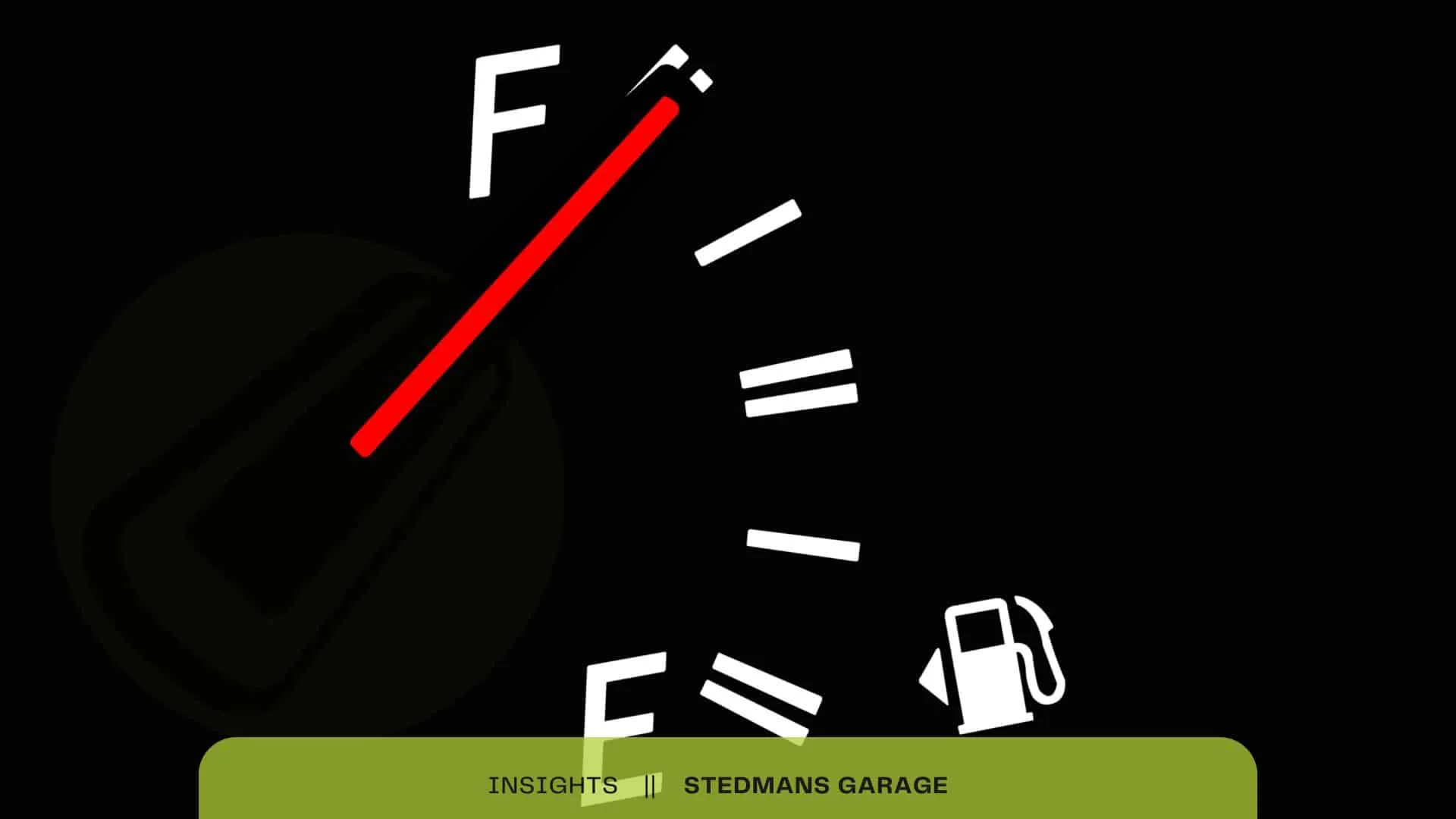
Noticing a significant drop in fuel efficiency can be a strong indicator that your car needs servicing. Fuel efficiency is not just about saving money at the pump; it also reflects the overall health of your vehicle.
Common Causes of Decreased Fuel Efficiency
Several factors can contribute to decreased fuel efficiency, including:
- Dirty Air Filters: A clogged air filter can restrict airflow to the engine, leading to inefficient combustion.
- Faulty Spark Plugs: Worn or damaged spark plugs can cause the engine to misfire, resulting in poor fuel economy.
- Tyre Pressure: Incorrect tyre pressure can increase rolling resistance, making the engine work harder.
Importance of Addressing Fuel Efficiency Issues
If you notice that your fuel consumption has increased without a corresponding rise in driving conditions (like heavy traffic), it’s time to investigate. Regular servicing can help identify and rectify issues affecting fuel efficiency, ensuring that you get the most out of every litre of fuel.
Sign 4: Changes in Handling or Performance
Recognising Handling Changes
Changes in how your car handles can be alarming and should not be ignored. Signs that indicate a need for servicing may include:
- Difficulty Steering: Feeling resistance when turning the steering wheel can suggest power steering issues.
- Vibrations: Unusual vibrations at high speeds can indicate imbalanced wheels or worn-out suspension components.
Potential Issues Causing Handling Changes
These changes can arise from various factors, including:
- Worn Suspension: If your car feels bouncy or unstable, your suspension may need inspection or repair.
- Brake Problems: If your car pulls to one side when braking, it could indicate uneven brake wear or issues with the braking system.
Importance of Timely Attention
Changes in handling can significantly affect your safety on the road. If you experience any of these issues, it is crucial to consult with a professional. Regular servicing can help maintain your vehicle’s handling characteristics and ensure a safe driving experience.
Sign 5: Fluid Leaks Under the Car
Identifying Fluid Leaks
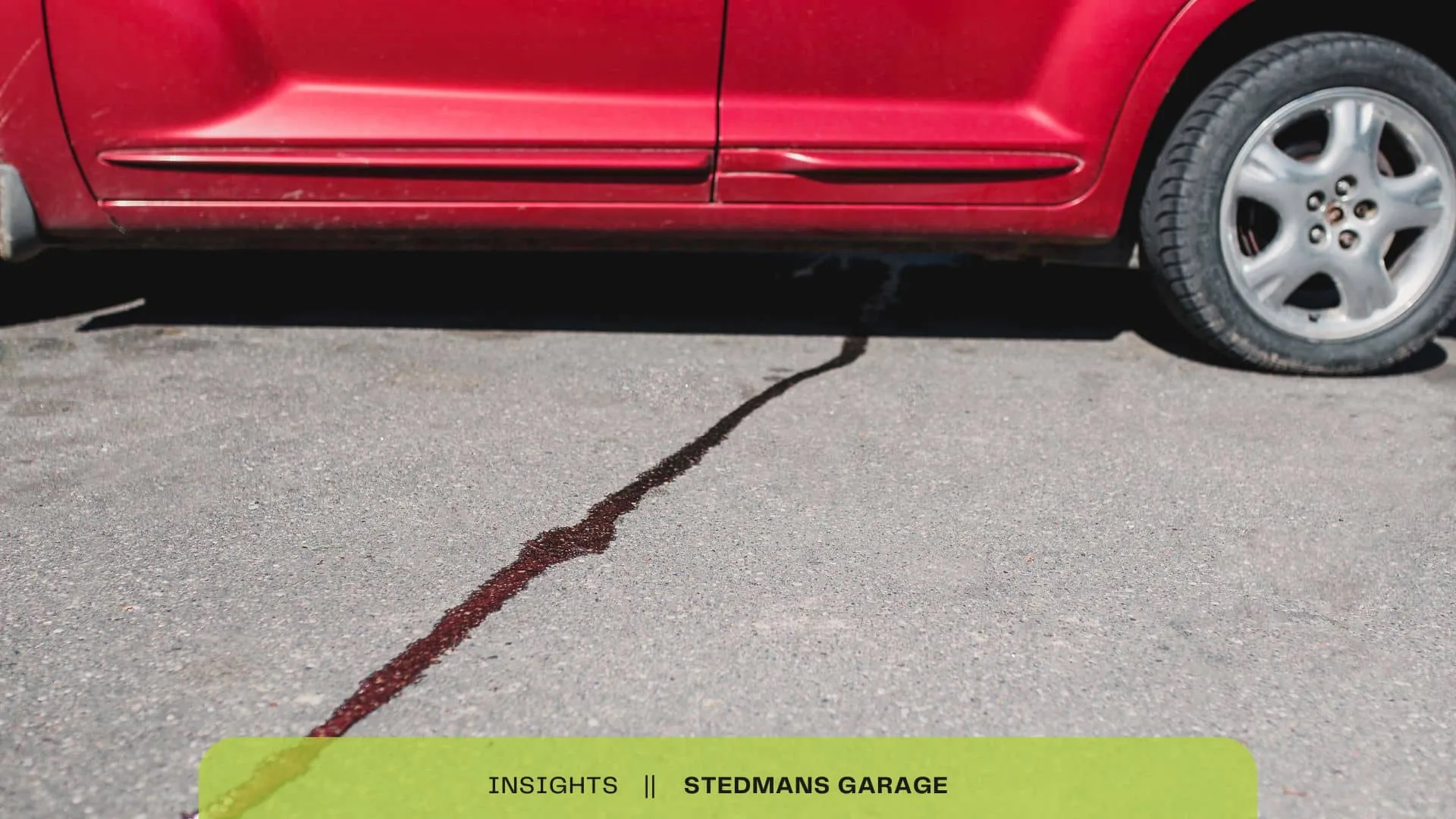
Finding fluid puddles under your car is a clear sign that something is wrong. Different colours and consistencies can indicate various issues:
- Oil Leaks: Dark brown or black fluid usually indicates an engine oil leak.
- Coolant Leaks: Green or orange fluid can signify a coolant leak, which can lead to overheating.
- Brake Fluid: A clear or yellowish fluid under the car may indicate a brake fluid leak, which can compromise your braking system.
What Fluid Leaks Indicate
Each type of fluid leak can point to specific problems:
- Oil Leaks: These can lead to severe engine damage if not addressed promptly.
- Coolant Leaks: Ignoring a coolant leak can result in engine overheating and potential failure.
- Brake Fluid Leaks: A brake fluid leak poses a significant safety risk and should be dealt with immediately.
Checking for Leaks
To check for leaks, regularly inspect the area under your vehicle for any new fluid puddles. If you notice any signs of leaking fluids, consult a mechanic without delay. Regular servicing can also help identify potential leak sources before they become serious issues.
Actionable Tips for Car Maintenance
To ensure your car remains in optimal condition and to monitor the signs mentioned above, consider the following actionable tips:
- Regular Inspections: Schedule routine inspections with a trusted mechanic every six months or as recommended by your vehicle’s manual.
- Check Fluid Levels: Regularly check engine oil, coolant, brake fluid, and transmission fluid levels. Top up as necessary and look for signs of leaks.
- Monitor Fuel Efficiency: Keep track of your fuel consumption. If you notice a sudden drop, have your vehicle inspected.
- Listen for Noises: Make a habit of listening to your vehicle’s sounds. If you hear anything unusual, consult a mechanic immediately.
- Examine Tyres: Regularly check tyre pressure and tread depth. Under-inflated or worn tyres can affect performance and safety.
- Change Air Filters: Replace air filters as part of your regular servicing to maintain fuel efficiency.
- Stay Informed: Read your vehicle’s manual and stay informed about recommended maintenance schedules and practices.
By adhering to these guidelines, UK car owners can significantly improve their vehicle’s longevity and performance while reducing the risk of unexpected breakdowns.
Conclusion
Being proactive about car servicing is crucial for maintaining the safety and efficiency of your vehicle. Recognising the five signs that your car may need a service, such as the engine warning light activation, unusual noises, decreased fuel efficiency, changes in handling, and fluid leaks, can help you avoid costly repairs and ensure a safe driving experience. Regular maintenance not only prolongs the life of your vehicle but also provides peace of mind as you navigate UK roads. If you notice any of these signs, don’t hesitate, schedule a service today!