
Most drivers know they should service their car regularly. Fewer understand exactly how servicing makes a vehicle more reliable. It's not just about ticking a box or keeping the warranty valid - each part of a routine service directly prevents specific types of failure.
At Stedmans Garage, we've been maintaining vehicles in Worthing since 1923. Over that time, we've seen the same pattern play out thousands of times: cars that are serviced on schedule break down far less often than those that aren't. This article explains why, component by component.
What "Reliability" Actually Means
A reliable car starts every morning, doesn't leave you stranded, and performs the way you expect it to. That sounds simple, but it depends on dozens of systems working together - engine, brakes, cooling, electrical, suspension, fuel delivery. A failure in any one of them can leave you stuck at the roadside or facing a large repair bill.
Servicing keeps each of these systems within safe operating limits. It's the difference between replacing a worn part for £80 during a routine check and calling a recovery truck when that part fails on the A27.
Oil and Filter Changes: Protecting Your Engine
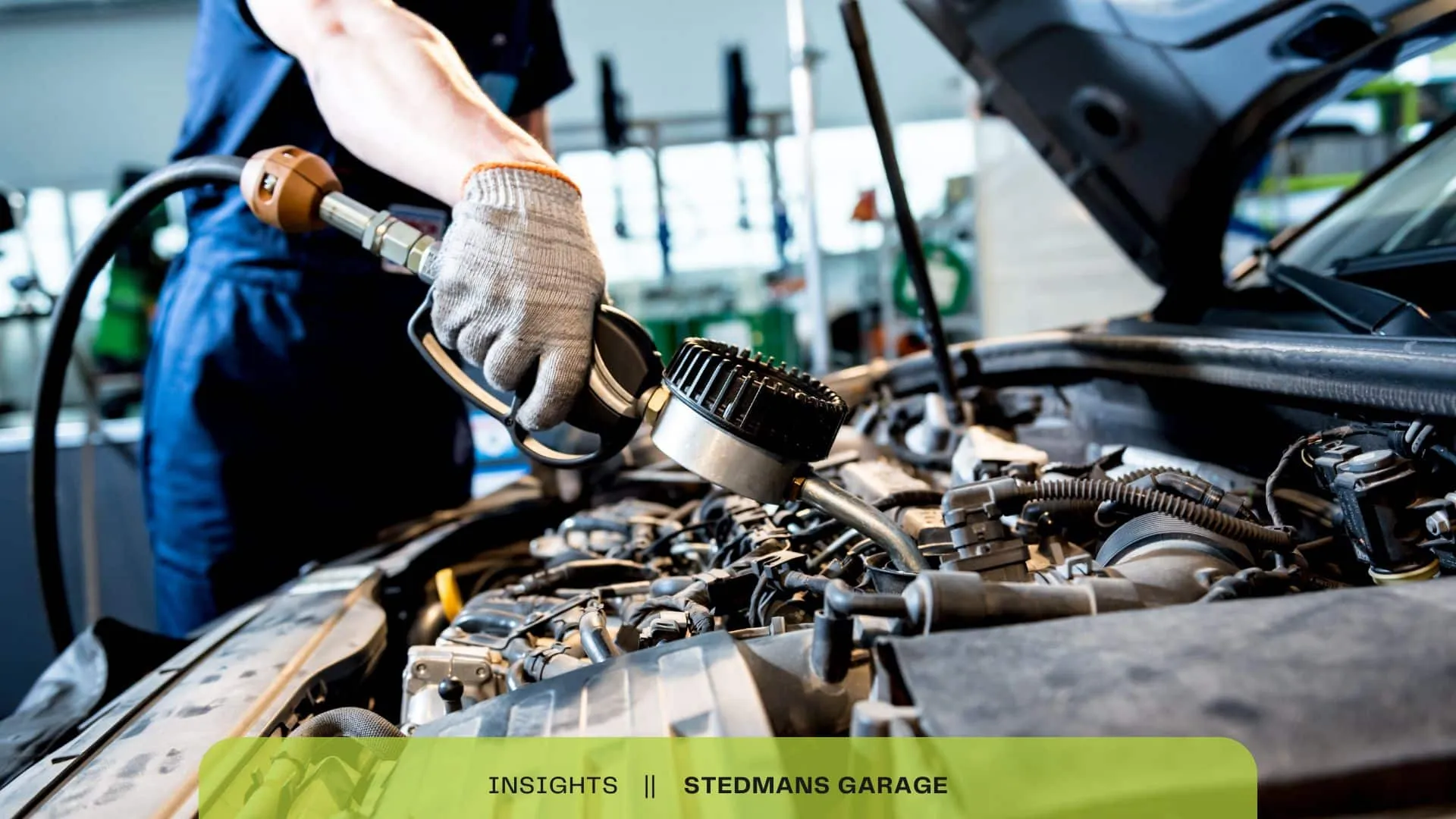
Engine oil degrades over time. It picks up metal particles, carbon deposits, and moisture as it circulates. Old oil loses its ability to lubricate effectively, which means metal components start grinding against each other.
The result of running degraded oil:
- Increased friction between moving parts, accelerating wear on bearings, camshafts, and piston rings
- Heat buildup as the oil's cooling properties diminish
- Sludge formation that blocks oil galleries and starves components of lubrication
A standard oil and filter change during a service removes all of this contamination. Fresh oil restores proper lubrication, reduces operating temperatures, and keeps the engine running smoothly. It's the single most impactful maintenance task for long-term engine reliability.
Neglecting oil changes is one of the most common causes of engine repair we see at the workshop.
Coolant System: Preventing Overheating
Your engine's cooling system keeps operating temperatures between roughly 90-105 degrees Celsius. Coolant degrades over time - it loses its anti-corrosion additives, its freezing point rises, and it becomes less effective at transferring heat.
During a service, we check:
- Coolant level and condition - low or discoloured coolant is an early warning sign
- Hoses and connections - rubber perishes over time, causing leaks that can lead to sudden overheating
- Thermostat operation - a stuck thermostat can cause either overheating or running too cold, both of which affect reliability and fuel efficiency
Overheating is one of the fastest ways to destroy an engine. A cracked head gasket, warped cylinder head, or seized engine can write off a vehicle entirely. Regular coolant checks catch problems before they reach that point.
Brake Maintenance: Stopping Safely Every Time
Brakes are a wear item by design - pads and discs gradually lose material every time you slow down. The question isn't whether they'll wear out, but whether you catch it before performance drops.
A service includes measuring pad thickness and disc condition. This matters for reliability because:
- Worn pads reduce stopping distance - below 3mm, braking performance drops noticeably
- Metal-on-metal contact occurs when pads wear completely through, damaging discs and potentially callipers - turning a £150 pad replacement into a £500+ repair
- Brake fluid absorbs moisture over time, lowering its boiling point and increasing the risk of brake fade under heavy use
West Sussex driving puts particular demands on brakes. Stop-start traffic on the A27, steep descents off the South Downs, and coastal salt air all accelerate wear. Regular inspection catches these issues before they compromise safety.
For a deeper look at how brakes wear, see our guide on car brake repair explained.
Battery and Electrical System: Starting Every Morning
A flat battery is one of the most common reasons for roadside breakdowns in the UK. Car batteries typically last 3-5 years, but their decline is gradual - you often won't notice a problem until the morning it won't turn over.
During a service, we test:
- Battery voltage and cranking power - a battery reading below 12.4V at rest is on its way out
- Charging system - the alternator needs to maintain 13.5-14.5V while running. A failing alternator drains the battery faster than it can recharge
- Connections and terminals - corroded or loose terminals cause intermittent starting problems
Catching a weak battery during a planned service visit is far better than discovering it at 7am on a cold January morning. Our car battery diagnostics guide covers the testing process in detail.
Belts and Hoses: The Components That Fail Without Warning
Drive belts, timing belts, and coolant hoses are rubber components that deteriorate with age and heat exposure. They often look fine from the outside while cracking internally.
- Timing belt failure is catastrophic on most engines. If it snaps, pistons collide with valves, causing thousands of pounds of damage. Replacement intervals are typically every 60,000-100,000 miles or 5-7 years.
- Auxiliary drive belts power the alternator, power steering, and air conditioning. A snapped auxiliary belt won't destroy the engine, but it will leave you without charging, steering assistance, and cooling.
- Coolant hoses perish from the inside out. A burst hose causes immediate overheating and can leave you stranded.
A service inspection identifies cracking, glazing, or softening in these components before they fail. Replacing a timing belt on schedule costs a fraction of the engine rebuild required when one snaps.
Fluid Checks: Keeping Systems Operating Correctly
Beyond engine oil and coolant, your vehicle relies on several other fluids that degrade over time:
- Brake fluid - hygroscopic (absorbs moisture from the air), which reduces its effectiveness. Should be replaced every 2 years regardless of mileage.
- Power steering fluid - contaminated fluid accelerates wear on the steering rack and pump
- Transmission fluid - dirty fluid causes rough gear changes and premature gearbox wear
- Washer fluid - not a reliability issue, but an MOT failure point and a safety concern
Each of these is checked and topped up (or replaced) during a full service. The cost is minimal compared to replacing the components they protect. For more on brake fluid specifically, we've written a separate guide.
Tyres: Grip, Handling, and Fuel Economy
Tyres are the only point of contact between your car and the road. Their condition directly affects braking distance, cornering grip, and stability.
A service includes:
- Tread depth measurement - the legal minimum is 1.6mm, but grip reduces significantly below 3mm, especially in wet conditions
- Pressure check - underinflated tyres increase fuel consumption, accelerate wear, and reduce handling predictability
- Visual inspection - cuts, bulges, or uneven wear patterns can indicate suspension or alignment problems that need addressing
Properly maintained tyres don't just last longer - they make the car more predictable and safer in every driving condition.
Suspension and Steering: Ride Quality and Control
Worn suspension components affect more than comfort. They change how the car handles, how quickly it stops, and how much stress is placed on other parts.
Signs of suspension problems that a service catches early:
- Worn bushings - cause vague steering and clunking over bumps
- Leaking dampers - reduce the car's ability to maintain tyre contact with the road
- Worn ball joints and track rod ends - affect alignment and can fail suddenly, causing loss of steering control
These components wear gradually, so the driver often adapts without realising. A service inspection provides an objective assessment of their condition.
The Compound Effect: Why Skipping Services Costs More
Individual components don't fail in isolation. Neglect in one area accelerates wear in others:
- Worn suspension causes uneven tyre wear, reducing grip and increasing braking distances
- Low coolant leads to overheating, which warps the head gasket, which contaminates the oil, which damages the engine
- A weak battery strains the alternator, which then fails too
This cascade effect is why cars that miss services tend to develop multiple problems at once. Each missed service doesn't just delay one check - it allows interconnected systems to degrade together.
The cost of a full service at Stedmans starts at £200 for an interim service. The cost of an engine rebuild after a timing belt failure or a head gasket blown from overheating runs into thousands. Servicing isn't an expense - it's the cheapest form of breakdown prevention available.
How Often Should You Service Your Car?
Most manufacturers recommend servicing every 12 months or 10,000-12,000 miles, whichever comes first. Some modern vehicles use condition-based servicing that monitors oil quality and driving patterns to calculate intervals.
Regardless of the schedule, these are situations where you should service sooner:
- Short journeys in town - the engine doesn't reach full operating temperature, causing moisture and fuel to contaminate the oil faster
- Heavy use - towing, carrying loads, or frequent motorway driving at sustained high speeds
- Age - older vehicles with higher mileage benefit from shorter service intervals as components have more accumulated wear
If you drive an electric vehicle, the intervals are different but servicing is still essential. Our guide on EV servicing covers what's included and why it matters.
What Happens During a Service at Stedmans?
We offer three service levels, each building on the last:
- Interim service (£200) - oil and filter change, fluid top-ups, brake check, tyre inspection, battery test, and a visual inspection of key components.
- Full service (£300) - everything in the interim plus air filter, cabin filter, and a more thorough inspection of suspension, steering, exhaust, and cooling systems.
- Major service (£400) - everything in the full service plus transmission fluid, brake fluid, and any additional manufacturer-scheduled items.
Every service includes a written report of what was checked, what's fine now, and what might need attention in the coming months. No surprises, no pressure to approve work you don't need.
Keeping Your Car Reliable Starts With a Schedule
The connection between servicing and reliability isn't complicated. Every check in a service exists because that component will eventually fail if left unattended. Servicing catches degradation early, replaces wear items on schedule, and keeps fluid systems clean and effective.
The result is a car that starts every morning, stops when you need it to, and doesn't leave you with an unexpected bill.
If your vehicle is due a service - or you're not sure when it was last done - book online or call us on 01903 691666. We'll check your service history and recommend the right level of service for your vehicle's age and mileage.
Stedmans Garage - independent vehicle specialists in Worthing since 1923.