
Introduction to the Jaguar E-Pace and Its Reliability Concerns
The E-Pace at a Glance
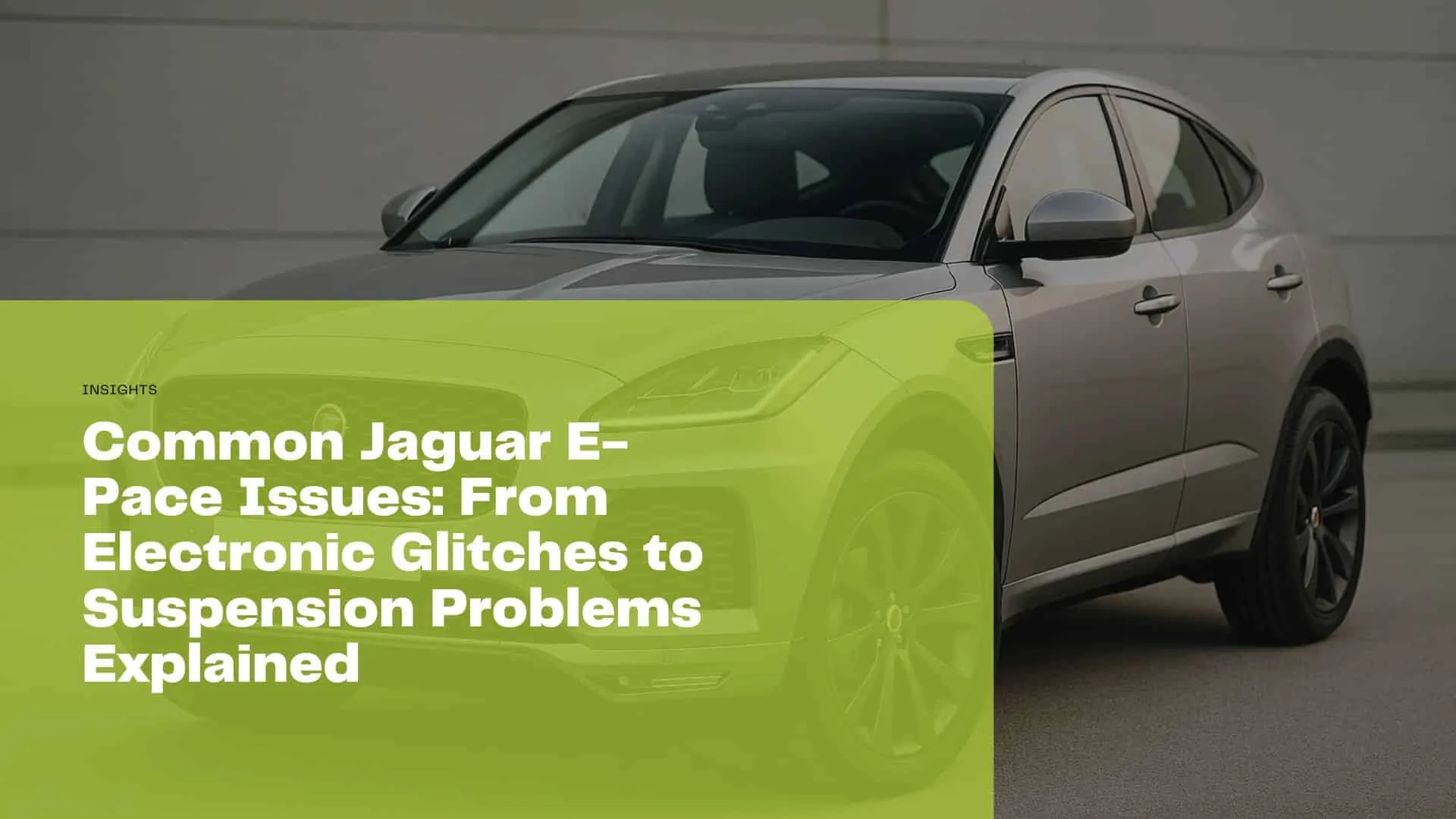
The Jaguar E-Pace is marketed as a compact luxury SUV, combining upmarket styling with practicality. Since its introduction, it has targeted buyers seeking a blend of British prestige, contemporary technology, and daily usability in a smaller package compared to larger SUVs. The model range has included a variety of petrol, diesel, and plug-in hybrid options, aiming to cover a broad array of driving preferences and needs.
Why Reliability is Key
Reliability is a vital consideration for any potential owner, but it holds even greater weight in the luxury segment. Buyers expect premium vehicles to deliver a seamless ownership experience, with minimal time lost to faults or repair visits. When problems emerge, especially those that hamper daily usability, they can undermine both the luxury experience and potentially impact the vehicle’s long-term value.
Jaguar’s E-Pace has attracted attention regarding its reliability, not just for isolated incidents but for a broad spectrum of concerns reported by numerous owners. These issues can affect user confidence and result in financial implications, particularly if repairs are costly or lengthy.
Common Owner-Reported Issues
Owners have described a wide variety of faults across E-Pace models, regardless of build year or engine variant. Recurring themes include:
- Frequent electronic faults, with infotainment system glitches and unexpected warning lights leading to unscheduled dealer visits.
- Persistent panel fit and paintwork quality issues, leading to questions about long-term appearance.
- Problems with the AdBlue system, particularly leakage from hoses and filler caps in diesel models.
- Suspension noises, particularly a characteristic creaking or knocking from the rear.
- Engine-related issues, notably timing chain concerns in diesel versions.
These concerns highlight the need for careful consideration before purchase, especially for those valuing hassle-free ownership. The next section examines initial quality control problems affecting the E-Pace's appearance and perceived build quality.

Quality Control Issues: Panel Fit and Paint Defects
Panel Alignment Challenges
A significant concern for Jaguar E-Pace owners has been the panel fit and alignment throughout the vehicle's bodywork. Many have reported visible and inconsistent gaps between panels, most noticeably on the bonnet, near the doors, and around the boot. These irregularities are not just cosmetic. Such misalignments can sometimes result in doors or tailgates that do not close flush or make unwanted noises during driving.
Posts on owner forums highlight how these issues are common enough to be seen on vehicles at dealerships, with some observing excessive panel gaps as a recurring theme across multiple Jaguar models, not just the E-Pace. Some owners suggest that material expansion could play a role, but the prevalence suggests a broader quality control challenge during production stages.
Paint Defects and Surface Finish
Beyond panel fitment, the paintwork on the E-Pace has also faced criticism. Users and detailing professionals alike have noted that Jaguar’s paint can be particularly soft, making it vulnerable to scratches and swirl marks from routine cleaning or minor abrasions. Other reports include visible defects such as light swirling, uneven application, and occasional drag marks that are noticeable under direct sunlight or inspection lights. Over time, these defects can make the vehicle look prematurely aged and less appealing, especially when compared to rival premium SUV models.
Long-term Implications
Persistent fit and finish issues may have consequences beyond appearance. Cars with poor panel alignment or visible paint flaws generally depreciate faster and can lose up to 20–30% more value compared to similar vehicles in perfect condition. In the used market, such visible defects tend to erode both buyer confidence and overall resale value, irrespective of the car's mechanical health. This financial impact is particularly relevant for a brand competing in the luxury sector, where customer expectations for finish quality remain high.
AdBlue System Problems
Purpose and Operation
The AdBlue system is essential for modern diesel vehicles like the Jaguar E-Pace. Its main role is to reduce harmful nitrogen oxides (NOx) released from exhaust gases. The technology uses a solution of urea and deionised water, commonly known as AdBlue, which is injected into the exhaust stream. This process triggers a chemical reaction in the Selective Catalytic Reduction (SCR) system and converts NOx into harmless nitrogen and water. This ensures compliance with strict emissions standards in place across Europe and other markets, making the AdBlue system a key part of the E-Pace’s environmental performance.
Leakages and Common Faults
Owners of the Jaguar E-Pace have reported frequent issues with the AdBlue system, particularly concerning leaks from hoses and filler caps. These leaks can lead to visible puddles under the car or a sharp chemical odour. Not only is this inconvenient, but leaks can also cause the system to lose pressure or fail to deliver the correct amount of fluid to the exhaust, resulting in increased emissions and possible engine restrictions.
Another issue is crystallisation around the filler and injector areas. Over time, urea deposits can build up, blocking crucial components of the SCR system. Faulty sensors or a poorly sealed system can quickly lead to these problems, requiring parts replacement and thorough cleaning to restore normal operation.
Warning Signs and Symptoms
The earliest warning comes from the dashboard, where a specific AdBlue-related message or warning light will appear when levels are low or the system detects a malfunction. Other symptoms include:
- Unusual white or grey exhaust smoke.
- Noticeable drops in engine performance and fuel efficiency.
- Crystallised deposits around the AdBlue injector area.
- Failed emissions test results.
More serious faults, like a completely empty AdBlue tank, will prevent the car from starting until it has been refilled. Recognising these signs early can help avoid more significant mechanical issues down the line.
Suspension Issues: The Notorious Rear Creaking
Nature of the Creaking Problem
Many Jaguar E-Pace owners have reported persistent creaking noises from the rear suspension. This issue seems especially common in colder temperatures or after the vehicle has been stationary for some time. The creak is often most noticeable under light acceleration, with some drivers mentioning a sound similar to rusty brake discs or rhythmic fluttering while moving in gear. Such noises can be subtle at first but may become more consistent and pronounced with ongoing use.
Potential Causes of Rear Suspension Noise
Several mechanical factors could contribute to these creaks and groans:
- Worn or Damaged Suspension Bushings: Over time, rubber bushings dry out or degrade, leading to metal-on-metal contact and associated noise, especially over bumps or during changes in load.
- Coil Spring Issues: If a coil spring develops a fault or breaks, its broken edges can rub together as the car moves, creating a persistent creaking sound.
- Shock Absorber Wear: Loose or leaking dampers may allow more vibration within the suspension system, generating rattling or creaking noises.
- Component Wear or Incorrect Fitment: Problems such as worn wheel bearings, drive shaft bearing wear, or loose heat shields have also been identified during diagnostics.
Troubleshooting and Repair Advice
Owners facing creaking from the rear suspension should first check for obvious signs of damage, like leaking shocks or corroded brackets. A trusted mechanic can inspect bushings, springs, and bearings for wear. It is important to rule out simpler causes, such as loose heat shields or poorly seated brake discs, before committing to more expensive repairs. Extended warranty coverage has proven useful for some, particularly when repeat visits are needed to replace items like drive shaft bearings.
Though many cases are not deemed dangerous for immediate driving, ongoing noise can reduce comfort and hint at future, more serious suspension problems, so timely diagnosis and intervention are recommended.
Infotainment and Electronic Gremlins
Touchscreen Malfunctions and Software Glitches
Jaguar E-Pace owners regularly report frustrations with the infotainment system. The touchscreen is known for becoming unresponsive or freezing during use. Simple tasks such as changing the radio station or connecting a phone via Bluetooth may be disrupted by these delays. Some owners have also encountered random reboots of the system, resulting in temporary loss of navigation and media functions.
Software errors are another challenge. Features like voice control, smartphone integration, and navigation sometimes stop working or display incorrect information. In certain cases, the in-car display can go completely black, requiring a vehicle restart to restore normal function.
Unexpected Warning Lights and Fault Patterns
Electronic systems in the E-Pace may generate unexpected warning lights on the dashboard. Common examples include false alerts for airbags, lane assist faults, or stability control issues. These warning signals can appear suddenly and disappear just as randomly, which may cause confusion or unnecessary worry for drivers.
Owners have also reported repeated trigger of check engine lights linked to non-critical sensors. While most of these warnings do not result in immediate performance drops, it can lead to repeated visits to the dealership and concerns over potential hidden problems.
Software Updates and Dealer Support
Many E-Pace electronic issues are connected to software that is updated often. Some problems, especially those affecting the infotainment touchscreen or electronic displays, require specific software patches from Jaguar. Unfortunately, these fixes are not always delivered promptly. Some owners find that dealer interventions and system resets are needed several times before the issue is resolved for good.
Those affected should maintain a record of faults and discuss recurring problems with their dealership. Persistence is key, as consistent documentation can prompt further investigation or escalate a recurring issue to manufacturer level.
Engine Reliability Concerns
Overview of Reported Engine Problems
The Jaguar E-Pace, particularly in its diesel variants, has faced scrutiny regarding engine reliability. Owners have noted recurring issues that often demand close attention and, at times, significant intervention. While the petrol models are not immune, problems with diesel engines tend to surface more frequently. These typically require visits to a dealership or specialist, sometimes disrupting the ownership experience.
Timing Chain Issues and Their Symptoms
One of the most significant concerns relates to the timing chain, a crucial engine component. The Ingenium diesel engine used in the E-Pace is known for timing chain problems, some of which stem from premature wear of plastic components.
Common symptoms of a problematic timing chain include:
- Rattling or ticking noises from the engine, especially upon starting or idling.
- Engine misfires or general difficulty when starting.
- Noticeable decrease in fuel efficiency and a drop in overall engine performance.
- Engine warning lights, such as the check engine indicator, may appear on the dashboard.
If left unresolved, these symptoms can progress to more severe engine damage. In rare cases, a complete inability to start the engine may occur.
Frequency and Impact of Dealer Visits
Due to these engine issues, many E-Pace owners find themselves returning to dealerships more regularly than anticipated. Repairs for timing chain faults are neither simple nor cheap. Early symptoms often occur within the vehicle's warranty period, yet some drivers report persistent problems even after repairs.
Regular dealership visits may also be required for supplementary problems such as engine oil contamination or air breather pipe chafing. Proactive maintenance and swift attention to unusual engine noises or warning lights are essential to minimise further damage and maintain reliability.
Battery and Electrical System Problems
Common Issues with Battery Performance
Many owners have raised concerns about battery drain in Jaguar E-Pace models, particularly among diesel variants. Issues range from a battery losing charge rapidly after short periods of non-use to complete failure in colder months. Faulty sensors and loose connectors often exacerbate the problem. As a result, E-Pace vehicles may suddenly fail to start or display warning messages related to the electrical system.
Impact on Vehicle Use and Reliability
When a vehicle's battery loses charge frequently, it creates practical issues for day-to-day use. Unreliable starting is a common frustration. Owners report the vehicle refusing to start after being parked overnight, even when the battery is relatively new. Such incidents have stranded drivers unexpectedly or required jump-starts, raising questions about the E-Pace’s suitability as a reliable daily driver.
A weak battery also impacts the proper functioning of safety features and comfort electronics. Electric door locks, infotainment displays, and lighting systems may behave erratically. Warning lights may appear on the dashboard for seemingly unrelated systems, such as stability control or airbag readiness.
Links Between Battery Health and Electronics
The close relationship between the battery system and on-board electronics means that a battery problem can trigger faults elsewhere. Software glitches on the touchscreen or screen freezing have been linked to low battery voltage conditions. Intermittent supply to electronic control modules may cause a cascade of warning alerts or affect the vehicle’s automatic stop/start function.
For owners of plug-in hybrid or electric versions of the E-Pace, battery longevity is further impacted by charging habits, temperature, and usage. Recommendations for these drivers include limiting rapid DC charging, maintaining an even state of charge, and using preconditioning features to manage battery temperature. Driving regularly and avoiding extreme conditions help maintain health and efficiency of the battery pack.

Conclusion: Is the E-Pace Worth the Reliability Risk?
Weighing Up the E-Pace’s Key Reliability Issues
Over the past sections, we have outlined several concerns commonly reported by Jaguar E-Pace owners. These include persistent quality control problems, such as inconsistent panel fit and soft paint, leading to early cosmetic wear and a potential drop in resale value. The AdBlue system’s tendency to leak or develop blockages introduces further maintenance headaches, particularly in diesel models. Suspension noises from the rear, while not inherently dangerous, undermine driver confidence and comfort.
Frequent glitches in touchscreen displays, software bugs, and unexplained warning lights create additional inconvenience. While some issues can be fixed with dealer software updates, the need for regular intervention can be frustrating. Engine reliability also remains a hot topic, especially with timing chain problems and higher rates of dealer visits cited for some diesel variants. Battery drains and general electrical gremlins further compromise the daily usability of the E-Pace, particularly during colder months.
The E-Pace Advantage: Style and Driving Experience
Despite these shortcomings, the E-Pace does have notable strengths. It brings a distinct, stylish design to the compact SUV segment and carries the prestige of the Jaguar badge. For many, its handling and ride comfort deliver a sense of fun that’s missing from some rivals. The interior boasts high-quality materials, modern infotainment features, and plenty of safety tech as standard for newer models. Some owners may find the overall package appealing enough to accept its quirks.
Recommendations for Buyers and Owners
Prospective buyers should weigh the E-Pace’s desirable qualities against the risk of additional repairs and possible inconvenience. A meticulous pre-purchase inspection is essential, especially for used models. Owners are advised to maintain a rigorous service history and address minor problems early to avoid escalation.