

If the temperature gauge on your Ford is climbing or a coolant warning has appeared, stop as soon as it is safe and switch the engine off. Overheating is most often caused by lost coolant, a thermostat stuck closed, a failing water pump, a blocked radiator or a cooling fan that has stopped running. The same checks apply across the range, from a Focus or Fiesta to a Transit. How far the car is driven after the warning appears usually decides whether the repair is a thermostat or a head gasket, which is why this is one to act on rather than watch.
Engine overheating is a common problem that many Ford vehicle owners face. It can be a frustrating and potentially costly issue if not addressed promptly. In this article, we will explore the common causes of engine overheating in Ford vehicles, the symptoms to look out for, and the importance of seeking professional help for accurate diagnosis and repairs.
Addressing engine overheating issues in Ford vehicles is crucial for several reasons. First and foremost, an overheating engine can lead to serious damage to the vehicle's components, such as the cylinder head gasket, pistons, and even the engine block itself. This can result in expensive repairs or even the need for a complete engine replacement. Additionally, an overheating engine can cause the vehicle to break down unexpectedly, leaving you stranded on the side of the road. This can be not only inconvenient but also dangerous, especially if it happens in a remote or unsafe location.
Common Overheating Issues in Ford Engines
There are several common causes of engine overheating in Ford vehicles. One of the most common causes is a coolant leak. Coolant is responsible for regulating the temperature of the engine by absorbing heat and transferring it away from the engine block. If there is a leak in the coolant system, such as a cracked radiator or a faulty hose, the coolant will not be able to do its job effectively, leading to engine overheating.
Another common cause of engine overheating in Ford vehicles is a malfunctioning thermostat. The thermostat is responsible for regulating the flow of coolant through the engine. If it becomes stuck closed or open, it can disrupt the flow of coolant and cause the engine to overheat.
Other potential causes of engine overheating in Ford vehicles include a faulty water pump, a clogged radiator, or a malfunctioning cooling fan. These issues can prevent the proper circulation of coolant and result in engine overheating.
Ford-Specific Overheating Problems
Fail-Safe Mode: Why a Hot Ford Loses Power
Many Ford petrol engines measure the temperature of the cylinder head itself rather than relying only on the coolant. If that temperature climbs too high, the engine management switches to a fail-safe cooling strategy: it cuts fuel to cylinders in turn so that they pump air and cool the engine, limits power and switches off the air conditioning. The car will keep moving, but slowly. If your Ford has suddenly lost power alongside a temperature warning, that is the engine protecting itself, and the right response is to stop and let it cool, not to drive on in reduced power.
The 1.0 EcoBoost Coolant Pipe
Ford's three-cylinder 1.0 EcoBoost has had the most publicised overheating problem in the range. Ford said that around 45,000 UK cars with this engine, built between October 2011 and October 2013, were fitted with a nylon coolant pipe between the engine and the coolant tank that could fail at high temperatures, letting the coolant out and the engine overheat. A recall was issued in 2015. If you own or are buying a 1.0 EcoBoost from those years, it is worth confirming that the recall work has been done.
The 1.6 EcoBoost Recall
In January 2018 Ford recalled 1.6 EcoBoost engines fitted to the Focus, C-Max, Kuga and Fiesta ST built between 2010 and 2015. A lack of coolant circulation could cause localised overheating that cracked the cylinder head, which in extreme cases led to an oil leak and a fire. The fix replaced affected engine and cooling parts and added a coolant level sensor with an audible and visual warning, so a 1.6 EcoBoost of that age without the extra warning has probably not had the work.
Symptoms of Ford Engine Overheating Issues
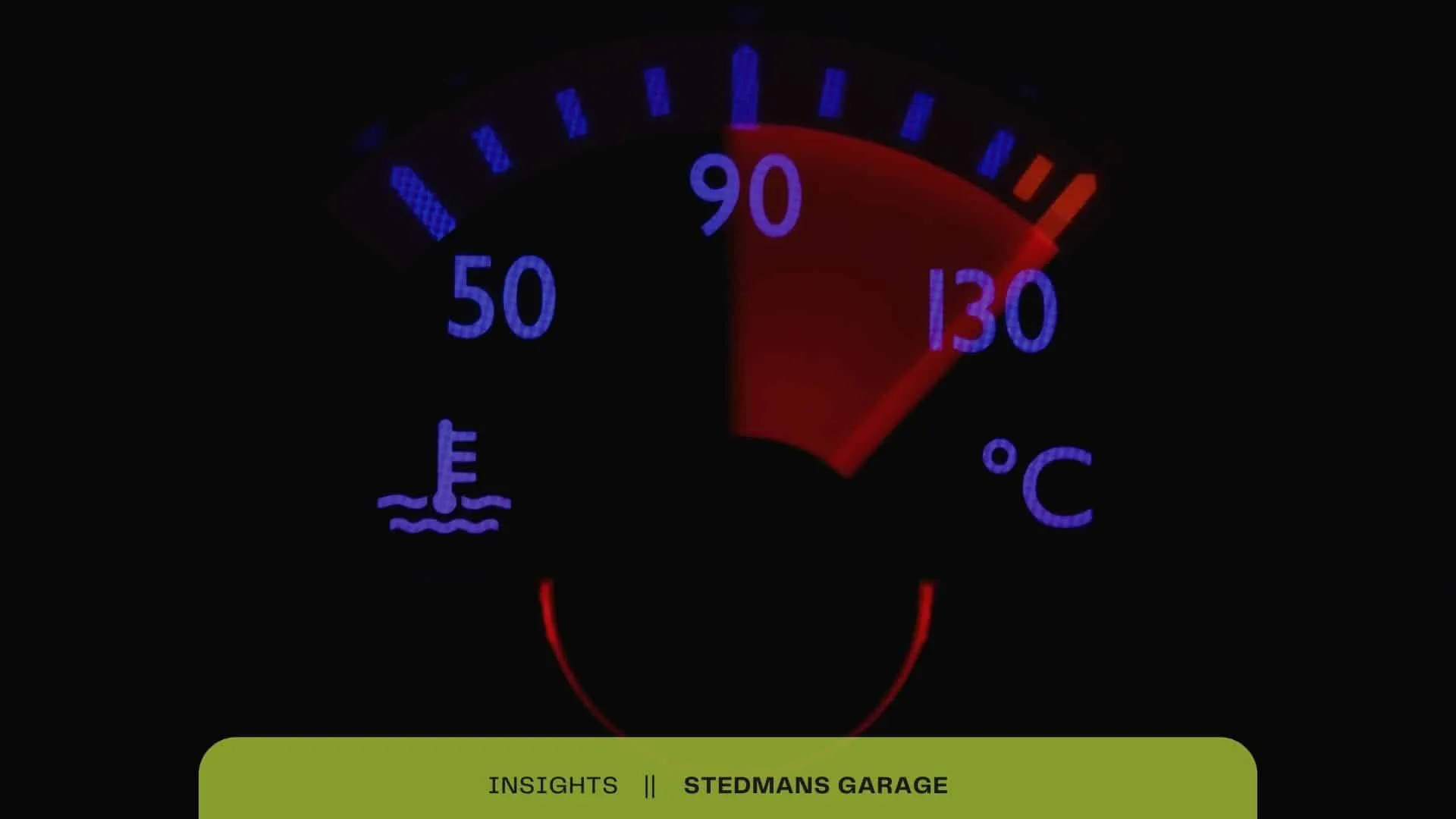
There are several signs that your Ford vehicle may be experiencing engine overheating. One of the most obvious signs is an increase in the temperature gauge on the dashboard. If the gauge is showing that the engine is running hotter than normal, it is likely that there is an issue with overheating.
Another common symptom of engine overheating is steam or smoke coming from under the bonnet. This is a clear indication that the engine is running too hot and needs immediate attention.
Other symptoms of engine overheating in Ford vehicles include a strong smell of coolant, a loss of power or acceleration, and a coolant warning light on the dashboard. If you notice any of these symptoms, it is important to address them promptly to prevent further damage to the engine.
Diagnosing Ford Engine Overheating Issues
Diagnosing engine overheating issues in Ford vehicles can be challenging, as there are several potential causes. It is important to seek professional help for accurate diagnosis and repairs.
A professional mechanic will typically perform several diagnostic tests to identify the cause of the overheating. This may include a visual inspection of the coolant system for leaks or damage, a pressure test to check for leaks, and a check of the thermostat and other components for proper functioning.
It is important to seek professional help for accurate diagnosis, as misdiagnosis can lead to unnecessary repairs and expenses. A professional mechanic will have the knowledge and experience to accurately identify the cause of the overheating and recommend the appropriate repairs.
Repairs for Ford Engine Overheating Issues
When it comes to repairing engine overheating issues in Ford vehicles, there are several common repairs that may be needed. If the cause of the overheating is a coolant leak, the repair may involve replacing a cracked radiator, fixing a faulty hose, or repairing a damaged water pump. The cost of these repairs can vary depending on the specific issue and the model of the vehicle, but it is important to address them promptly to prevent further damage to the engine.
If the cause of the overheating is a malfunctioning thermostat, the repair may involve replacing the thermostat itself. This is a relatively simple and inexpensive repair, but it is important to have it done by a professional to ensure that it is done correctly.
In some cases, more extensive repairs may be needed to address engine overheating issues in Ford vehicles. For example, if the overheating has caused damage to the cylinder head gasket or other engine components, these may need to be replaced. This can be a costly repair, but it is necessary to prevent further damage and ensure the longevity of the vehicle.
Importance of Regular Maintenance in Preventing Ford Engine Overheating
Regular maintenance is crucial in preventing engine overheating issues in Ford vehicles. By following the manufacturer's recommended maintenance schedule, you can ensure that all components of the coolant system are in good working order and prevent potential issues.
One important maintenance task is to regularly check the coolant level and condition. Coolant should be topped up as needed and replaced according to the manufacturer's recommendations. It is also important to check for any signs of leaks or damage to the coolant system, such as cracked hoses or a leaking radiator.
Another important maintenance task is to regularly inspect and clean the radiator and cooling fan. Over time, debris can accumulate on the radiator fins and hinder the flow of air, leading to overheating. By cleaning the radiator and cooling fan regularly, you can ensure that they are functioning properly and prevent potential issues.
Tips for Preventing Ford Engine Overheating Issues
In addition to regular maintenance, a few habits help. Hot weather, towing and long climbs all add load to the cooling system, so a system that is only just coping will usually show itself then first. Keep an eye on the gauge or warning lights on those journeys in particular.
If the temperature starts to rise in slow traffic, switching the heater to hot with the fan on full draws some heat away from the engine and can buy time to pull over safely. It is a stopgap, not a fix: a Ford that runs hot in traffic usually has a cooling fan, a fan control or a coolant level problem that needs finding.
Following the manufacturer's recommendations for maintenance and care is also crucial in preventing engine overheating. This includes using the recommended type and amount of coolant, following the recommended oil change schedule, and ensuring that all other fluids are topped up as needed.
Common Misconceptions about Ford Engine Overheating Issues
There are several common misconceptions about engine overheating in Ford vehicles that it is important to address. One common misconception is that engine overheating is always caused by a faulty thermostat. While a malfunctioning thermostat can certainly cause overheating, there are several other potential causes, such as coolant leaks or a faulty water pump.
Another common misconception is that engine overheating is only a problem in older vehicles. While it is true that older vehicles may be more prone to overheating due to wear and tear on the components, engine overheating can occur in vehicles of any age. It is important to regularly inspect and maintain the coolant system to prevent potential issues.
Seeking Professional Help for Ford Engine Overheating Issues
If you are experiencing engine overheating issues in your Ford vehicle, it is important to seek professional help for accurate diagnosis and repairs. A professional mechanic will have the knowledge and experience to accurately identify the cause of the overheating and recommend the appropriate repairs.
Attempting to diagnose and repair engine overheating issues yourself can be challenging and potentially dangerous. It is best to leave it to the professionals who have the necessary tools and expertise to get the job done correctly.
In conclusion, engine overheating is a common issue that many Ford vehicle owners face. It is important to address these issues promptly to prevent further damage to the engine and ensure the longevity of the vehicle. By understanding the common causes, symptoms, and repairs for engine overheating in Ford vehicles, you can take the necessary steps to prevent and address these issues. Remember to seek professional help for accurate diagnosis and repairs, and to follow the manufacturer's recommendations for maintenance and care.
For the wider picture of faults on Ford engines, see our guide to common Ford engine problems.
Ford Cooling System Diagnostics in Worthing
If your Ford has overheated even once, it is worth having the cooling system pressure tested rather than waiting to see whether it happens again, because a small leak and a failing head gasket can look identical from the driving seat. We can test the system, read the live temperature data and tell you which of the usual causes is behind it. You can also see what we cover as a Ford specialist.
Ford Engine Overheating FAQs
What are the common causes of a Ford engine overheating?
Low coolant is the most common, and usually that means a leak rather than normal consumption. Beyond that the usual culprits are a thermostat stuck closed, a failing water pump, a blocked or corroded radiator, a cooling fan that has stopped running, and in the worst case a failed head gasket letting combustion pressure into the cooling system.
What are the symptoms of a Ford engine overheating?
A temperature gauge climbing past its normal position, a coolant warning on the dashboard, steam or a sweet smell from under the bonnet, the heater blowing cold, reduced power as the engine protects itself, and in severe cases stalling.
How can I stop my Ford from overheating?
Check the coolant level when the engine is cold and investigate any drop rather than simply topping it up, because a falling level means a leak somewhere. Use the coolant specification listed for your engine, have the system pressure tested if you suspect a slow leak, and get the thermostat and cooling fan checked if the temperature gauge has started behaving differently.
What should I do if my Ford engine is overheating?
Stop as soon as it is safe to do so and switch the engine off, because continuing to drive is what turns an overheating problem into engine damage. Do not open the expansion tank while the system is hot. Once it has cooled, check the coolant level and look for obvious leaks, and have the car recovered rather than driven if the level is low or the temperature climbs again.
Can overheating cause permanent damage to a Ford engine?
Yes. Sustained overheating can warp the cylinder head, fail the head gasket and in severe cases seize the engine. That is why a temperature warning is worth acting on straight away: the difference between a thermostat and a head gasket is often just how far the car was driven after the gauge started climbing.
Why has my Ford lost power with an overheating warning?
Many Ford petrol engines have a fail-safe cooling mode. When the cylinder head gets too hot, the engine management cuts fuel to cylinders in turn to cool the engine, limits power and switches off the air conditioning. The car is protecting itself, so stop as soon as it is safe and let it cool rather than driving on in reduced power.
Can Stedmans Garage fix a Ford overheating problem?
Yes. We work on Fords at our Worthing garage and can pressure test the cooling system, read the live engine temperature data and any stored fault codes, and establish whether the thermostat, the pump, the radiator, the fan or the head gasket is behind it before any parts are ordered.