
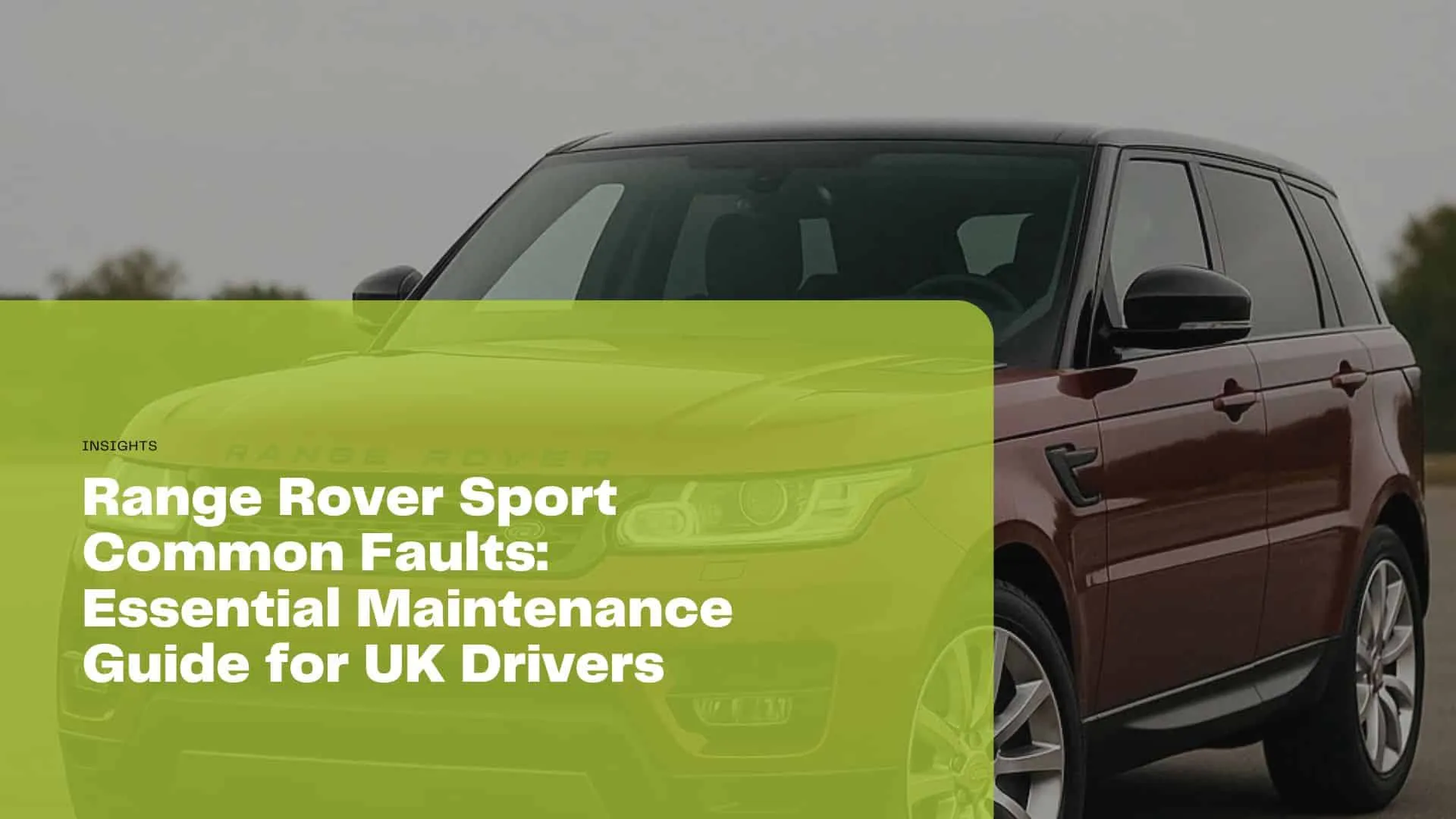
The most common Range Rover Sport faults are air suspension failures, electrical and infotainment glitches, turbocharger and engine wear, and oil or coolant leaks. Spotting them early with regular specialist diagnostics is the key to avoiding costly repairs and keeping a Range Rover Sport reliable on UK roads.
For a wider view across every Range Rover model, see our guide to common Range Rover problems.
Introduction to Range Rover Sport Reliability
Overview of Range Rover Sport's Position in the Luxury SUV Market
The Range Rover Sport has a prominent status in the luxury SUV market, revered for its blend of performance, sophistication, and cutting-edge technology. It stands out with its commanding presence, impressive off-road capabilities, and a myriad of luxury features, positioning itself as a competitive option among high-end SUV choices like the Porsche Cayenne and BMW X5. Despite its allure, the ownership of a Range Rover Sport brings certain responsibilities that potential buyers must weigh up, especially regarding maintenance and reliability concerns.
Performance and Potential Maintenance Concerns
The Range Rover Sport is engineered for high performance, boasting powerful engines, advanced suspension systems, and state-of-the-art infotainment. However, these sophisticated components come with a trade-off: increased complexity can lead to more frequent and costly maintenance issues. Owners often encounter problems with elements such as the air suspension system and electrical components due to the high demands placed on these systems. The sophistication in technology, while beneficial in terms of driving experience, means that any malfunction can be both tricky and expensive to rectify.
Both the Sport and the full-size Range Rover ride on air suspension, and our Range Rover suspension problems guide explains how to tell an air fault from a worn mechanical part.
Importance of Understanding Common Issues for UK Owners
For current and prospective UK owners, being aware of common Range Rover Sport issues is crucial. The UK's unique climate and driving conditions may present unique challenges to vehicle maintenance. The damp weather and occasional extreme temperatures can exacerbate problems like battery drains or leaks in seals, while traffic conditions often lead to wear and tear on the transmission. By understanding these common faults, owners can take proactive measures to mitigate issues before they escalate, ensuring a more enjoyable and worry-free ownership experience.
Knowing what to expect enables owners to engage in preventative maintenance strategies, which is vital for maintaining the vehicle's high performance and longevity. This foresight not only enhances the driving experience but also helps preserve its resale value, making the investment in a Range Rover Sport more worthwhile in the long run.

Air Suspension System Failures
Common Symptoms
The air suspension system in the Range Rover Sport is engineered for enhanced ride quality and off-road capabilities. However, it is not immune to failures. Owners often experience:
- Uneven ride height
- Warning lights on the dashboard
- Sagging corners, particularly after the vehicle has been parked for a while
These symptoms can compromise the vehicle's performance, comfort, and safety, making early identification crucial.
Typical Causes in the UK Climate
The UK's diverse weather conditions can exacerbate air suspension issues. Common causes include:
- Water ingress into the suspension components due to frequent exposure to rain and puddles
- Corrosion and rusting of metal parts, accelerated by road salt used during winter
- Temperature fluctuations leading to material fatigue in the air springs and deteriorating seals
Diagnostic Approaches
Identifying air suspension issues early can save owners from costly repairs and unsafe driving conditions. Here are some diagnostic tips:
- Visual Inspection: Regularly check for visible signs of sagging and uneven height.
- Listen for Noises: Hissing sounds may indicate leaking air springs.
- Monitor Warning Lights: Do not ignore suspension warning lights on the dashboard.
- Use Diagnostic Tools: Specialised diagnostic tools can read error codes and provide insights into suspension health.
Being proactive in these areas can prevent minor faults from escalating into significant problems. This vigilant approach will enhance overall driving experience and longevity of the vehicle.

Electrical System Complications
Infotainment and Touchscreen Glitches
One of the most commonly reported issues with the Range Rover Sport involves the infotainment system and touchscreens. These components, vital for navigation and media control, can exhibit various glitches such as unresponsiveness, freezes, or erratic behaviour. Specific Range Rover Sport models, especially post-2017 generations, are more prone to these issues, which can often be attributed to software bugs. Regular software updates and occasional hard resets can mitigate some of these problems, but persistent issues may necessitate professional diagnostics to ensure the system is optimised.
Battery Drainage Issues
Another significant electrical complication in the Range Rover Sport revolves around battery drainage. This problem manifests in several ways: frequent need for jump starts, lighting malfunctions, and in severe cases, complete electrical shutdowns. Regular short trips, combined with the UK's damp and cold climate, can exacerbate battery wear, reducing its lifespan significantly. It's not uncommon for owners to overlook the signs of battery deterioration until it affects the vehicle's reliability. Checking for dimming lights, slow engine cranks, and unusual dashboard errors are early indicators that your battery might need replacement.
Warning Signs of Electrical Problems
Recognising the early warning signs of electrical problems can save Range Rover Sport owners from more severe and costly repairs. Symptoms such as intermittent fault lights, inconsistent operation of electrical accessories, and fluctuating instrument readings are red flags. Given the UK's frequently damp conditions, such issues are often linked to moisture ingress in the electrical system, leading to corrosion and short circuits. A thorough and regular inspection of the vehicle’s wiring harness, connectors, and seals, especially after driving in wet conditions, can identify potential problems early.
Maintaining electrical integrity is crucial for the overall functionality of the Range Rover Sport, ensuring that the luxurious driving experience is uninterrupted. Understanding these common electrical issues helps owners take proactive measures, thereby enhancing the vehicle's reliability. Transitioning to mechanical aspects, the turbocharger and engine functionality denote another critical area in maintaining the performance and longevity of the Range Rover Sport.
Engine and Turbocharger Concerns
Signs of Turbocharger Wear
Range Rover Sport models are known for their powerful turbocharged engines, which deliver substantial performance. However, turbocharger wear is a notable concern. Common signs include a noticeable loss of power, sluggish acceleration, and unusual exhaust smoke. If your vehicle isn't accelerating as responsively as it once did, or you're seeing blue or grey smoke from the exhaust, it could indicate turbocharger issues.
Common Engine-Related Issues
Range Rover Sport engines, particularly in older models, can suffer from various issues. For instance, diesel engines from 2012-2013 have been reported to have troubles such as crankshaft snapping and injector failures. Across various generations, common problems include oil and coolant leaks, premature timing chain or belt issues, and oil contamination. Addressing these early is crucial to avoid severe engine damage.
Because later Range Rover Sport models use Jaguar Land Rover's Ingenium engines, it is worth confirming which unit your car has before any diagnostic work. Identifying your Ingenium engine is straightforward once you know what to look for.
Impact of UK Driving Patterns
The longevity and reliability of your Range Rover Sport's engine can be significantly influenced by your driving habits and patterns. City driving, characterised by frequent stop-and-go traffic, short trips, and cold starts, can lead to increased engine wear compared to motorway driving, which provides more consistent engine operation at sustained speeds. It is advisable to follow regular maintenance schedules, especially if your driving predominantly involves city areas. Regular oil changes, coolant checks, and timely replacement of wear-prone components are essential practices for maintaining engine health a longer time.
Maintaining the proper function of both the engine and turbocharger is critical for the overall performance and reliability of the Range Rover Sport. By being aware of the typical signs of wear and adhering to a rigorous maintenance routine, owners can mitigate major issues and extend the vehicle's lifespan.

Transmission Troubles
Identifying Problematic Gear Shifts and Transmission Warning Indicators
Common transmission issues in Range Rover Sport models often manifest as problematic gear shifts. Symptoms include difficulty in shifting gears, hesitation, rough or jerky transitions, and getting stuck in a particular gear. Drivers may also notice grinding or clunking noises when changing gears, which can indicate damage to the transmission components.
Causes of Gear Shifting Problems
Several factors contribute to gear shifting problems. Low or contaminated transmission fluid can hinder smooth gear operation. Worn-out clutch components such as the clutch disc or pressure plate might also lead to shifting difficulties. Issues with shift solenoids, transmission sensors, or the transmission control module are other frequent causes.
Diagnostics and Solutions
Diagnosing gear shifting problems requires checking transmission fluid levels and examining its condition. Using diagnostic tools like an OBD-II scanner can help identify specific faults via error codes. Visual inspections of the transmission system are also essential, looking for leaks, corrosion, or damage. Solutions may include:
- Topping up or replacing transmission fluid.
- Replacing worn-out clutch components.
- Repairing or replacing faulty shift solenoids and sensors.
- Adjusting clutch linkages or shift cables.
- Performing a transmission flush to remove contaminants.
Age-Related Transmission Issues in Older Sport Models
As Range Rover Sport models age, transmission components naturally wear down. Issues such as fluid leaks, slipping gears, and delay in gear engagement become more prevalent. Panic-inducing symptoms like the transmission warning light typically indicate serious underlying problems.
Impact of UK Traffic Conditions on Transmission Wear
UK traffic conditions, especially in cities, exacerbate transmission wear. Frequent stop-and-go driving stresses the system, leading to overheating and wear. Engine braking, often used to control speed in heavy traffic, can increase strain on the transmission. Conversely, consistent motorway driving tends to be less taxing, promoting longer transmission life.
Regular maintenance and prompt attention to transmission issues are crucial to preventing significant damage. Maintaining proper fluid levels, addressing leaks quickly, and ensuring timely repairs can prolong transmission lifespan, allowing for smoother, safer driving experiences.
Oil and Fluid Leaks
Common Leak Locations
Range Rover Sport vehicles, being sophisticated and performance-driven, are prone to various oil and fluid leaks over time. These leaks typically occur at several specific points. Key locations include:
- Engine Seals: Worn or damaged gaskets and seals around the engine can lead to oil leaks. Notably, the valve cover gasket and oil pan gasket are common sources of such leaks.
- Differentials: The seals around the front and rear differentials can deteriorate, leading to gear oil leaks, which can affect the vehicle’s smooth operation.
- Steering Systems: Power steering fluid leaks often occur from the steering rack seals or power steering pump, compromising the ease of steering.
Spotting Early Signs of Fluid Loss
Early detection of fluid leaks can prevent significant damage and costly repairs. Here are some signs to watch for:
- Puddles or Spots: Dark brown or black spots under the vehicle usually indicate engine oil leaks. Coolant leaks tend to be lime-green, orange, or pink and generally have a sweet smell.
- Performance Changes: A noticeable drop in performance, such as stiff steering or delayed gear shifts, can signal a fluid leak.
- Warning Lights: Modern vehicles, including the Range Rover Sport, come with sensors that alert drivers to low fluid levels.
- Visual Inspections: Regularly checking under the hood and around the undercarriage for signs such as wet spots or fluid trails can help identify leaks early.
Importance of Regular Underbody Inspections
Given Britain's wet climate, regular underbody inspections are crucial. Moisture can exacerbate wear on seals and gaskets, leading to increased risks of leaks. Regular checks can involve:
- Professional Service: Opting for periodic professional inspections can detect potential issues that may not be visible to the untrained eye.
- DIY Checks: Owners can periodically check for new stains on their driveway or garage floor. This can help monitor any ongoing or newly developed leaks.
- Using Dye: Some mechanics recommend adding a fluorescent dye to the vehicle's fluids to help trace the source of leaks.
Understanding and addressing these common leak points is vital for maintaining your Range Rover Sport’s performance and longevity. By staying vigilant about potential leaks, you can prevent minor issues from escalating into costly repairs.
Cooling System Failures
Radiator and Water Pump Issues
The cooling system in the Range Rover Sport is essential to maintaining engine performance and preventing overheating. Among the common issues, radiator and water pump failures are particularly notable. Radiators can develop leaks or become clogged, resulting in inefficient cooling. Water pumps, responsible for circulating coolant throughout the engine, can experience bearing or seal failures, leading to coolant loss and overheating.
Warning Signs of Cooling System Problems
Early detection of cooling system issues is crucial to avoid severe engine damage. Warning signs include:
- Rising Engine Temperature: Monitor your dashboard for increasing temperature gauge readings.
- Coolant Smell: A sweet smell may indicate a coolant leak.
- Visible Coolant Leaks: Check for puddles or stains under the vehicle.
- Engine Overheating Warnings: Pay attention to dashboard warning lights.
- Unusual Noises: Listen for whining or grinding sounds from the engine bay, which may indicate water pump problems.
Regular inspections and prompt attention to these signs can prevent major breakdowns.
Effect of Seasonal Temperature Variations
The UK’s seasonal temperature fluctuations can place additional stress on the cooling system. In colder months, coolant can become more viscous, potentially leading to circulation issues if the system is not adequately maintained. Conversely, during warmer months, the cooling system must work harder to keep the engine at optimal temperatures. This constant cycling between extreme conditions can accelerate wear and highlight underlying issues.
Ensuring your cooling system is well-maintained, with regular checks and timely replacements of worn components, will help manage the stresses induced by the UK climate. Proper maintenance reduces the risk of sudden failures and helps maintain the overall reliability of your Range Rover Sport's engine.
Prepare for the upcoming seasons by scheduling routine inspections and addressing any early signs of trouble promptly. By staying ahead, you can enjoy your Range Rover Sport comfortably and reliably throughout the year.
Interior and Comfort Features
Leather Seat Wear Problems and Solutions for the British Climate
One of the notable concerns for Range Rover Sport owners in the UK is leather seat wear. The combination of frequent use and Britain's damp climate can lead to accelerated wear and tear. Over time, leather seats may develop cracks, dryness, and discoloration. To mitigate these issues, it is essential to use high-quality leather conditioners specifically designed to maintain suppleness and prevent cracking. Regular cleaning and conditioning, ideally every few months, can significantly extend the lifespan of your leather seats. Additionally, using seat covers during harsher weather conditions can provide an extra layer of protection, particularly against moisture and UV rays.
Heating and Air Conditioning System Failures
Heating and air conditioning (HVAC) systems in the Range Rover Sport are crucial for driver comfort, especially given the UK's variable weather. However, these systems can sometimes fail due to several factors such as refrigerant leaks, faulty compressors, or blocked filters. Common symptoms include insufficient cooling or heating, unusual noises, and weak airflow. Regular maintenance, including checking refrigerant levels and inspecting the system for leaks, can help prevent these issues. Replacing cabin air filters as part of routine service also ensures optimal airflow and air quality inside the vehicle.
Common Dashboard Rattles and Electronic Accessory Issues
Interior rattles and electronic accessory failures are other prevalent irritants for Range Rover Sport owners. Dashboard rattles can be caused by loose components, poor fittings, or wear and tear over time. Identifying the source of these rattles can be challenging but using noise-dampening solutions or consulting a professional mechanic can resolve these annoyances. Additionally, electronic accessories such as power windows, seat adjusters, and infotainment systems can face intermittent issues, often exacerbated by the UK's damp conditions. Ensuring all electronic connections are secure and protected from moisture can help maintain their functionality. Regular software updates for the infotainment system may also address some glitches and enhance overall performance.
This chapter provides essential insights into maintaining interior and comfort features, ensuring a more enjoyable and resilient ownership experience of the Range Rover Sport. Next, we turn our attention to preventative maintenance strategies that can help forestall these and other common issues.
Preventative Maintenance Strategies
Recommended Service Intervals Specific to UK Driving Conditions
Ensuring the longevity and reliability of your Range Rover Sport requires adherence to a strict maintenance schedule. In the UK, the first service is typically due at 10,000 miles or 12 months, whichever comes first. This initial service includes essential tasks such as changing the synthetic oil, inspecting the brakes, and checking all fluid levels.
Subsequent services are recommended every 12,000 miles or 12 months to address the demands of UK driving conditions. This interval helps mitigate the wear caused by frequent stop-start driving in congested urban areas and the high-speed runs typical of motorway travel. Regular services include comprehensive checks of the vehicle's systems, ensuring any emerging issues are caught early.
Preemptive Checks that Can Prevent Costly Repairs
Preemptive maintenance is crucial for avoiding expensive repairs and maintaining the performance of your Range Rover Sport. Important checks include:
- Oil Levels and Quality: Regularly check oil levels and quality, ensuring timely oil changes to prevent engine wear and turbocharger issues.
- Cooling System: Inspect the radiator, water pump, and hoses for leaks or signs of wear. Given the UK's variable climate, ensuring the cooling system is in good condition can prevent overheating.
- Brakes: Regularly check brake pads and discs for wear. The UK's often wet conditions can accelerate brake wear.
- Suspension System: Look for uneven ride height or sagging corners, which can indicate air suspension issues. Early diagnosis can prevent further damage and costly replacements.
These checks go a long way in preventing unexpected breakdowns and ensuring the vehicle remains reliable.
The Value of Specialist Diagnostics Versus Main Dealer Servicing
When it comes to servicing your Range Rover Sport, the choice between specialist diagnostics and main dealer servicing can impact both cost and vehicle care. Main dealers offer the advantage of highly trained technicians, genuine parts, and extensive warranties as highlighted by Land Rover UK. They provide comprehensive service plans and cutting-edge diagnostic technologies that ensure a thorough health check of your vehicle.
On the other hand, independent specialists, such as Stedmans Garage in Worthing, often provide a more personalised service at potentially lower costs. These specialists can offer expertise specifically tailored to Range Rover Sport models, ensuring that even unique issues are effectively addressed. It is wise to weigh the benefits of both options, considering factors such as cost, convenience, and the specific expertise required for the maintenance of your vehicle.
Adopting a proactive approach to maintenance through regular services, preemptive checks, and informed choices about service providers ensures that your Range Rover Sport continues to deliver optimal performance and reliability across the varied driving conditions in the UK.

When to Seek Professional Help
Warning Signs That Indicate Immediate Attention is Required
For Range Rover Sport owners, recognising the warning signs that signal the need for professional attention can prevent minor issues from escalating into costly repairs. Key indicators include:
- Dashboard Warning Lights: Red or flashing warning lights, particularly the check engine light, signal severe engine problems that necessitate immediate intervention.
- Unusual Engine Noises: Sudden or persistent noises from the engine could denote mechanical faults that need diagnosis and repair.
- Fluid Leaks: Visible fluid leaks under the vehicle can suggest issues with seals, gaskets, or the cooling system, requiring swift action.
- Performance Drop: A sudden decline in vehicle performance, including loss of power or sluggish response, often indicates underlying problems that should be addressed immediately.
Choosing Between Independent Specialists and Official Land Rover Service Centres
UK owners face a choice between independent specialists such as Stedmans Garage in Worthing and official Land Rover service centres.
Independent Specialists
Independent garages offer several advantages, including lower costs due to reduced overhead expenses and the use of aftermarket parts. They also provide personalised service and often faster turnaround times.
- Affordability: Labour rates at independent garages are typically lower, and using aftermarket parts can reduce repair costs.
- Personalised Service: Independent garages build long-term relationships with clients, offering tailored service experiences.
Official Land Rover Service Centres
Service centres affiliated with Land Rover provide brand-specific expertise and use OEM parts, ensuring high-quality repairs that maintain vehicle integrity. However, these benefits come at a higher cost.
- Specialised Knowledge: Technicians receive factory-specific training, making them adept at handling complex issues unique to Range Rover Sport models.
- OEM Parts: Use of Original Equipment Manufacturer parts ensures compatibility and longevity.
Questions to Ask Your Mechanic About Range Rover Sport-specific Issues
When seeking professional help, it is crucial to ask pertinent questions to ensure you receive the best service for your Range Rover Sport.
- Are you ASE certified? Certification ensures the mechanic meets industry standards.
- What labour and parts warranties do you offer? Understanding warranty specifics can protect against future issues.
- Do you have a good reputation with Range Rover Sport models? Positive reviews from other owners can indicate reliable service.
- How will you diagnose my car's issues? Knowing the diagnostic process can ensure thorough investigation of problems.
Understanding these aspects can aid in making informed decisions regarding vehicle care, thereby enhancing reliability and ownership satisfaction.
Frequently Asked Questions
What is the most common fault on a Range Rover Sport?
Air suspension failure is the fault Range Rover Sport owners report most often. Worn air struts, a tired compressor or perished air lines can leave the car sitting low or trigger a suspension warning, and the UK's damp, cold weather tends to accelerate the wear. Catching it early, at the first warning, usually keeps the repair contained.
Why does my Range Rover Sport keep showing electrical or infotainment faults?
Range Rover Sports are heavily computerised, so glitchy touchscreens, modules that will not wake and battery drain become more common as the cars age. Many issues trace back to a weak battery or a software fault rather than failed hardware, which is why a proper diagnostic scan is the sensible first step before replacing parts.
Can an independent garage service a Range Rover Sport without voiding the warranty?
Yes. Under UK Block Exemption rules, an independent garage can service and repair your Range Rover Sport using the correct service schedule and quality-matched parts without affecting the manufacturer warranty, while keeping the service history fully stamped.
Are Range Rover Sport faults expensive to fix?
Range Rover Sport parts and labour sit at the premium end, so left unchecked the bigger systems (air suspension, turbocharger and electronics) can become costly. The most effective way to keep costs down is preventative servicing and early diagnostics, so small faults are caught before they cascade into larger ones.
Can Stedmans Garage diagnose and repair Range Rover Sport problems?
Yes. Our Worthing workshop works on Range Rover Sport models, from air suspension and electrical faults to engine and transmission diagnostics. You can read more on our Range Rover specialist page or book in with us.
Conclusion: Balancing Luxury with Maintenance Reality
The Long-Term Ownership Perspective for Range Rover Sport in the UK
Owning a Range Rover Sport in the UK offers a luxury driving experience combined with high performance. However, it also demands a keen awareness of potential maintenance issues. The long-term ownership of a Range Rover Sport can be rewarding if prospective and current owners understand the vehicle’s specific needs and common faults. By recognising the importance of regular maintenance, drivers can ensure their SUV remains reliable and retains its value over time.
How Preventative Care Can Enhance Reliability and Resale Value
Preventative maintenance is crucial for the longevity and reliability of the Range Rover Sport. Regular servicing, addressing minor issues before they escalate, and using high-quality replacement parts are key strategies to keep the vehicle in optimal condition. These practices not only enhance the reliability but also positively impact the resale value. A well-maintained Range Rover Sport with a detailed service history will attract higher trade-in offers and be more appealing to prospective buyers.
Final Thoughts on Enjoying the Range Rover Sport Experience While Managing Potential Issues
Despite the potential for maintenance and reliability concerns, the Range Rover Sport remains a popular choice in the luxury SUV market. Owners can enjoy the full spectrum of its capabilities by staying proactive with maintenance. Understanding common issues and addressing them promptly can turn potential vulnerabilities into manageable aspects of ownership. By balancing the enjoyment of luxury driving with diligent upkeep, UK owners can have a satisfying and enduring experience with their Range Rover Sport.