
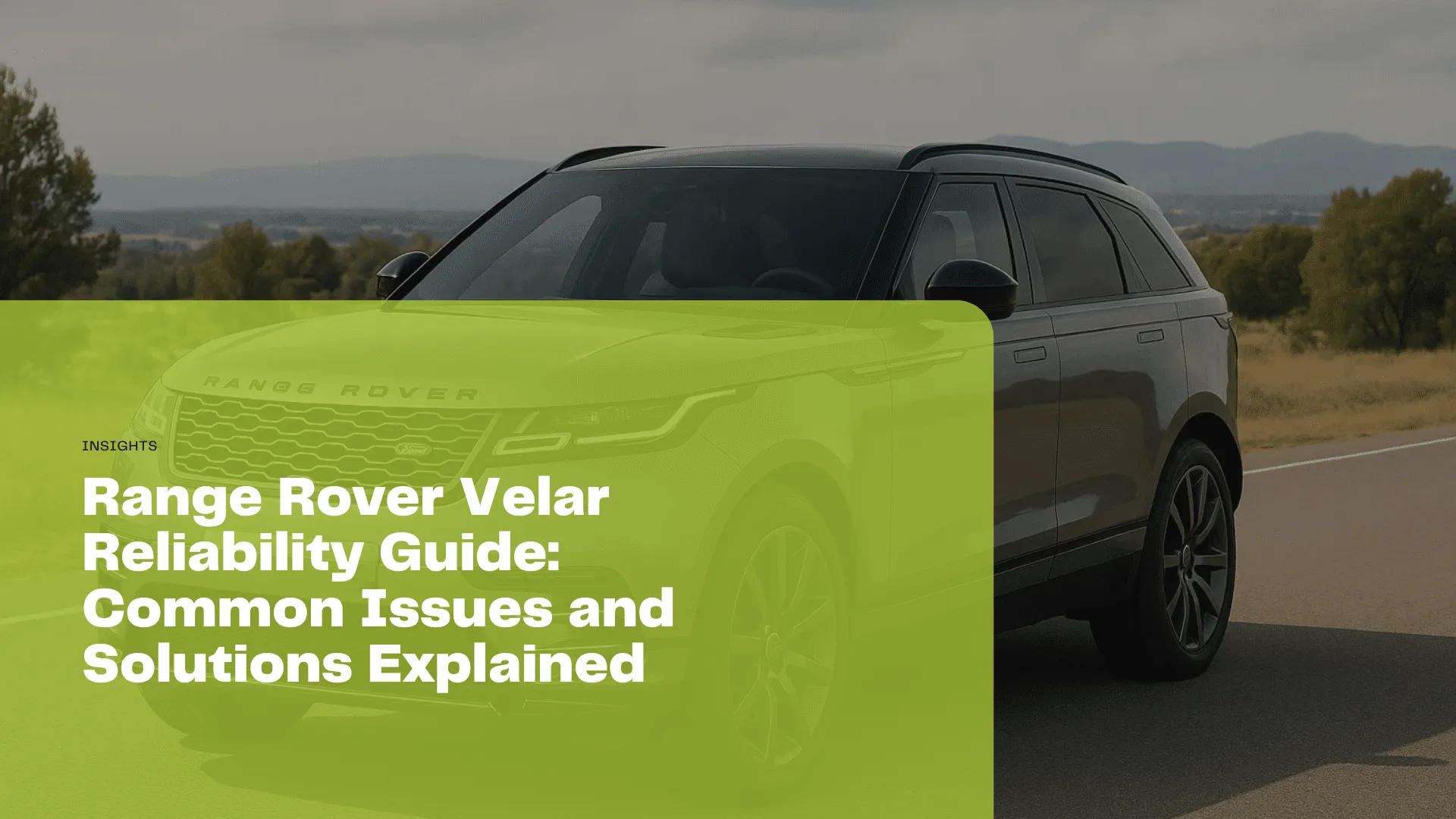
The most common Range Rover Velar problems are infotainment and electrical glitches, suspension faults, engine and cooling system issues, and transmission hesitation. Most are manageable when they are caught early, so regular specialist servicing and diagnostics are the practical way to keep a Velar reliable on UK roads.
Introduction to Range Rover Velar Reliability
Range Rover Velar in the Luxury SUV Market
The Range Rover Velar occupies a distinctive niche in the luxury SUV market. Positioned between the Range Rover Evoque and Range Rover Sport, the Velar combines sleek design with high-end features, providing a balance of performance and prestige. Its elegant aesthetic and advanced technology make it a desirable option for individuals seeking a modern, stylish SUV that offers comfort and capability.
Land Rover’s Reputation for Reliability
Despite the Range Rover Velar’s prestigious image, Land Rover as a brand has faced ongoing criticism regarding reliability. Historically, Land Rover models have not been celebrated for their dependability, often ranking lower in reliability surveys compared to other luxury automotive brands. Issues frequently reported involve electrical systems, bodywork, and various mechanical components. Understanding this context is crucial for prospective buyers and current owners looking to manage their expectations and plan for necessary maintenance.
Understanding Common Issues
Before purchasing or maintaining a Range Rover Velar, it is invaluable to be aware of the common problems that may arise. Familiarity with these issues can prepare owners for possible repairs and help mitigate the risk of unexpected costs. By addressing common faults preemptively and adhering to a regular maintenance schedule, owners can enhance the longevity and reliability of their vehicle. This informed approach ensures that the allure of driving a luxury SUV like the Velar is not overshadowed by persistent technical difficulties.
Electrical System Issues
Common Electrical Faults
Range Rover Velar owners have frequently reported various electrical issues. Malfunctioning infotainment systems and touchscreen failures are particularly common and often stem from software glitches and hardware faults. Problems with electronic controls for features such as windows and door locks are also regularly highlighted by users. Moreover, faults involving the battery and alternator contribute to the overall unreliable electrical system performance.
Impact on Vehicle Operation and Driver Experience
Electrical problems significantly affect the operation of the Velar and the experience of its drivers. Faulty infotainment and touchscreens limit access to essential vehicle functions. Additionally, issues with electronic controls for windows and locks compromise convenience and security. Battery and alternator issues can lead to starting problems, which may immobilise the vehicle altogether. Therefore, these electrical faults hinder usability and can complicate daily driving.
Bodywork and Exterior Problems
Frequently Reported Bodywork Issues
The Range Rover Velar, while praised for its aesthetic appeal, has encountered several bodywork issues reported by owners. Common problems include paint peeling, inconsistent panel gaps, and door handle malfunctions. Such issues can detract from the vehicle’s visual appeal and integrity over time, leading to dissatisfaction among owners.
Potential Causes of Bodywork Problems
Several factors contribute to the bodywork problems in the Velar. The use of less durable materials and inadequacies in the manufacturing process can lead to premature wear and failure. Environmental factors, such as exposure to harsh weather conditions, also play a role in accelerating these issues. Moreover, frequent use and wear can further exacerbate problems like door handle failures.
Warranty Coverage and Repair Options
Land Rover offers a comprehensive warranty for the Velar, which typically covers bodywork and exterior issues for a limited period. The warranty terms vary based on the specific part and nature of the problem. For instance, paint and corrosion issues are usually covered under the vehicle’s corrosion warranty, while door handle repairs might fall under the general vehicle warranty.
While the warranty can mitigate some repair costs, owners should be aware that certain issues might not be covered if they are deemed to result from misuse or accidents. Dealer service centres provide a reliable option for repairs, ensuring that genuine parts and approved repair methods are used.
Engine and Powertrain Concerns
Common Engine Problems
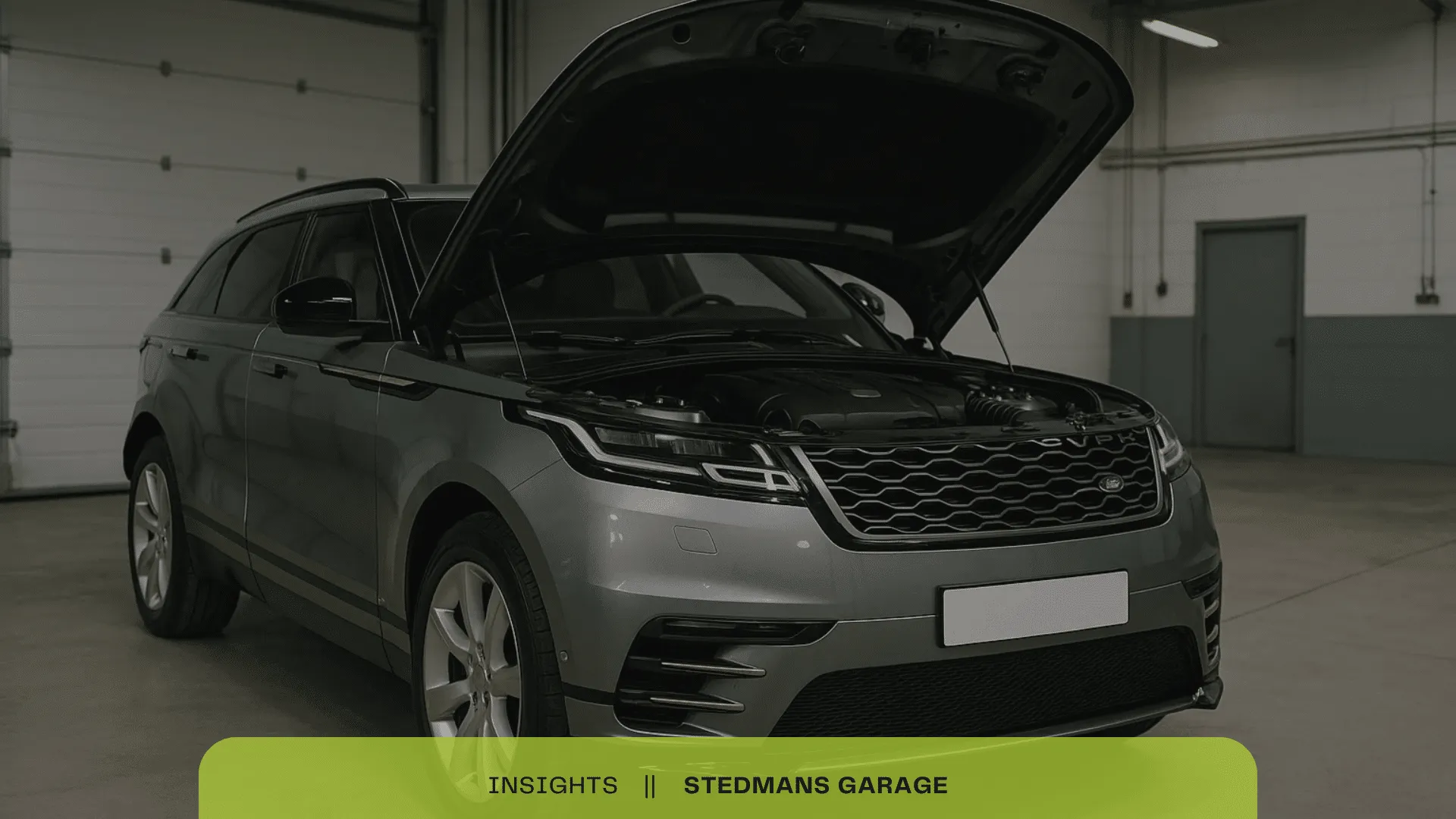
The Range Rover Velar is known to experience several engine issues that prospective owners should be aware of. Common problems include timing chain failures and oil leaks. Timing chain failures, which can occur even at lower mileages, may necessitate extensive repairs. Oil leaks, often originating from faulty gaskets or seals, can lead to engine performance degradation and potential long-term damage if left unaddressed.
Most Range Rover Velars are powered by Jaguar Land Rover’s Ingenium four-cylinder petrol and diesel engines, with six-cylinder options offered higher up the range. Confirming which unit your Velar has is a sensible first step before any diagnostic or repair work, and identifying your Ingenium engine is straightforward once you know what to look for.
Cooling System Malfunctions
Cooling system malfunctions are another prevalent issue in Velar models. Symptoms often include engine overheating and coolant leaks, easily identifiable by puddles under the vehicle or a noticeable decline in coolant levels. Addressing cooling system issues promptly is important to prevent overheating, which can cause irreversible engine damage.
Long-term Reliability Implications
The long-term reliability of the Velar’s engine and powertrain can be affected by these recurring issues. Regular maintenance, including timely oil changes and proper cooling system upkeep, can mitigate some risks. However, the intrinsic design flaws and potential for significant repairs may impact the vehicle’s overall dependability over time. Understanding these concerns and maintaining a rigorous maintenance schedule can help prolong the engine’s lifespan.
Transmission Problems
Typical Transmission Issues Experienced by Velar Owners
Range Rover Velar owners have reported a variety of transmission issues. Common problems include jerking during gear shifts, delays in shifting, and complete transmission failure. These issues can significantly affect driving comfort and safety. One notable problem is the faulty solenoid pack, which hampers smooth gear transitions and can trigger warning messages on the dashboard, indicating a “transmission fault”.
Warning Signs of Transmission Problems to Watch For
Identifying issues early can help prevent extensive damage. Common warning signs of transmission problems include:
- Difficulty Switching Gears: The transmission may hesitate or resist shifting gears, indicating internal issues.
- Grinding or Crunching Sounds: Unusual noises during gear switching could point to problems within the gearbox.
- Slipping Gears: This occurs when the transmission suddenly shifts out of gear while driving, a clear sign of wear or damage.
- Delayed Shifting Response: Noticeable delays from shifting to gear engagement can indicate serious transmission issues.
- Warning Lights on Dashboard: Indicators such as a “transmission fault” light should be addressed immediately by professionals.
Climate Control and Interior Systems
Reliability of the Velar’s Climate Control System
The Range Rover Velar’s climate control system is designed to offer luxury and comfort but has been noted for some reliability issues. Owners have reported problems such as air conditioning compressor failures and refrigerant leaks, which can lead to inadequate cooling during warmer months. Regular maintenance and timely repairs are crucial for ensuring the climate control system remains functional.
Common Interior Technology and Comfort Feature Failures
The Velar boasts advanced interior technologies and comfort features, including the Touch Pro Duo infotainment system and multiple convenience features. However, these systems are not without their problems. Owners have experienced issues with the infotainment system, such as screen malfunctions and software glitches, which can detract from the driving experience. Additionally, other interior elements like electronic seat adjustments and electric window controls have also displayed reliability problems.
Cost Implications of Interior System Repairs
Repairing interior systems in the Range Rover Velar can be costly, particularly due to its high-tech features and luxury components. For instance, repairing or replacing malfunctioning touchscreens can involve significant expenses, depending on the severity and specific components needed. Being aware of these potential costs and maintaining a good service schedule can help mitigate some of the financial burdens associated with these repairs. Understanding warranty coverage and opting for extended warranties where possible can provide a better financial cushion against these potential expenditures.
Suspension and Handling Issues
Reported Problems
The Range Rover Velar, praised for its sleek design and luxury appeal, is not immune to suspension challenges. Common issues with the Velar’s suspension system revolve primarily around its air suspension configuration. Owners have reported instances where the air suspension system exhibits faults such as system leaks or complete failures, resulting in an unevenly distributed ride height.
Impact on Ride Quality and Handling
Suspension problems can significantly compromise the riding experience. A malfunctioning suspension may lead to a harsher ride, diminished shock absorption, and a rocking effect on uneven surfaces. The suspension’s role is to ensure that the vehicle remains stable during cornering and braking. Any inefficiencies in this system can reduce control and impact performance levels.
Diagnostic Approaches and Repair Solutions
Diagnosing suspension faults typically begins with a visual inspection. Technicians look for signs of uneven wear on the tyres or audible knocks from the suspension components. For those experiencing air suspension faults, resolving simple system errors can sometimes be managed by a reset. More complex assessments involve checking the struts and air springs for wear or damage.
Repair costs for suspension issues can be significant, particularly where air spring replacement is necessary. While these repairs are important to restore the Velar’s ride quality, ongoing wear and environmental stressors may necessitate further attention over time.
Fuel Efficiency and Performance
Real-world Fuel Economy
The Range Rover Velar is known for its captivating luxury and performance, but how does it fare in terms of fuel efficiency? Real-world figures for the Velar’s petrol and diesel models show some variation. The latest Velar models report a fuel economy of approximately 20 mpg in city driving and 26 mpg on highways for petrol models. Diesel models, especially those featuring the 2.0-litre engine, can achieve more economical figures, offering an appealing option for long-distance drivers.
Claimed Versus Actual Mileage
The disparity between claimed and actual mileage can be influenced by several variables, such as driving style, terrain, and vehicle load. While manufacturers might quote ideal conditions, real-world driving often yields different results. Users have noted highway mileage differing from urban figures, highlighting the need for buyer caution regarding varied consumption depending on driving conditions.
Factors Affecting Fuel Efficiency
Several factors impact the fuel efficiency of the Velar. Regular maintenance, like checking tyre pressure and ensuring proper wheel alignment, can help maintain optimal fuel consumption. The weight of the vehicle also plays a significant role, as heavier vehicles typically require more energy for movement.
Warranty Coverage and Repair Costs
Land Rover’s Warranty Terms
The Range Rover Velar comes with a standard warranty of 4 years or 50,000 miles, whichever comes first. This warranty includes comprehensive coverage for both bumper-to-bumper and drivetrain components, along with roadside assistance, providing a reliable safety net for unexpected breakdowns.
For approved used models, Land Rover offers an extensive warranty covering parts and labour costs for any repairs resulting from manufacturing defects, excluding misuse or accidental damage.
Repair Costs and Manufacturer Contributions
Repair costs for the Range Rover Velar can be substantial due to its luxury status and advanced technology. On average, annual repair and maintenance costs reflect the high cost of parts and specialised servicing required. Over the vehicle’s first ten years of service, total maintenance and repair expenses can be higher than the industry average for luxury SUVs. It’s noteworthy that there is a possibility that the Velar may require a major repair during this period, underscoring the importance of warranty and regular maintenance.
Strategies for Managing Out-of-Warranty Repair Expenses
Managing repair expenses after the warranty expires can be challenging but feasible with proper strategies:
- Extended Warranties: Consider purchasing an extended warranty, which can cover many potential high-cost repairs. Look for plans that offer comprehensive coverage similar to the original warranty.
- Routine Maintenance: Adhering to a strict maintenance schedule can prevent many issues. Regularly servicing the vehicle according to manufacturer recommendations helps catch potential problems early.
- Third-Party Servicing: Utilising reputable third-party service centres for routine tasks can reduce costs while maintaining vehicle performance.
- Insurance Policies: Evaluate insurance policies that cover mechanical breakdowns, offering a potentially less expensive alternative to extended warranties.
Understanding the warranty coverage and preparing for potential repair costs play crucial roles in the long-term ownership experience of the Range Rover Velar. Awareness and proactive planning can help manage and potentially reduce the financial impact of repairs.
Preventative Maintenance Tips
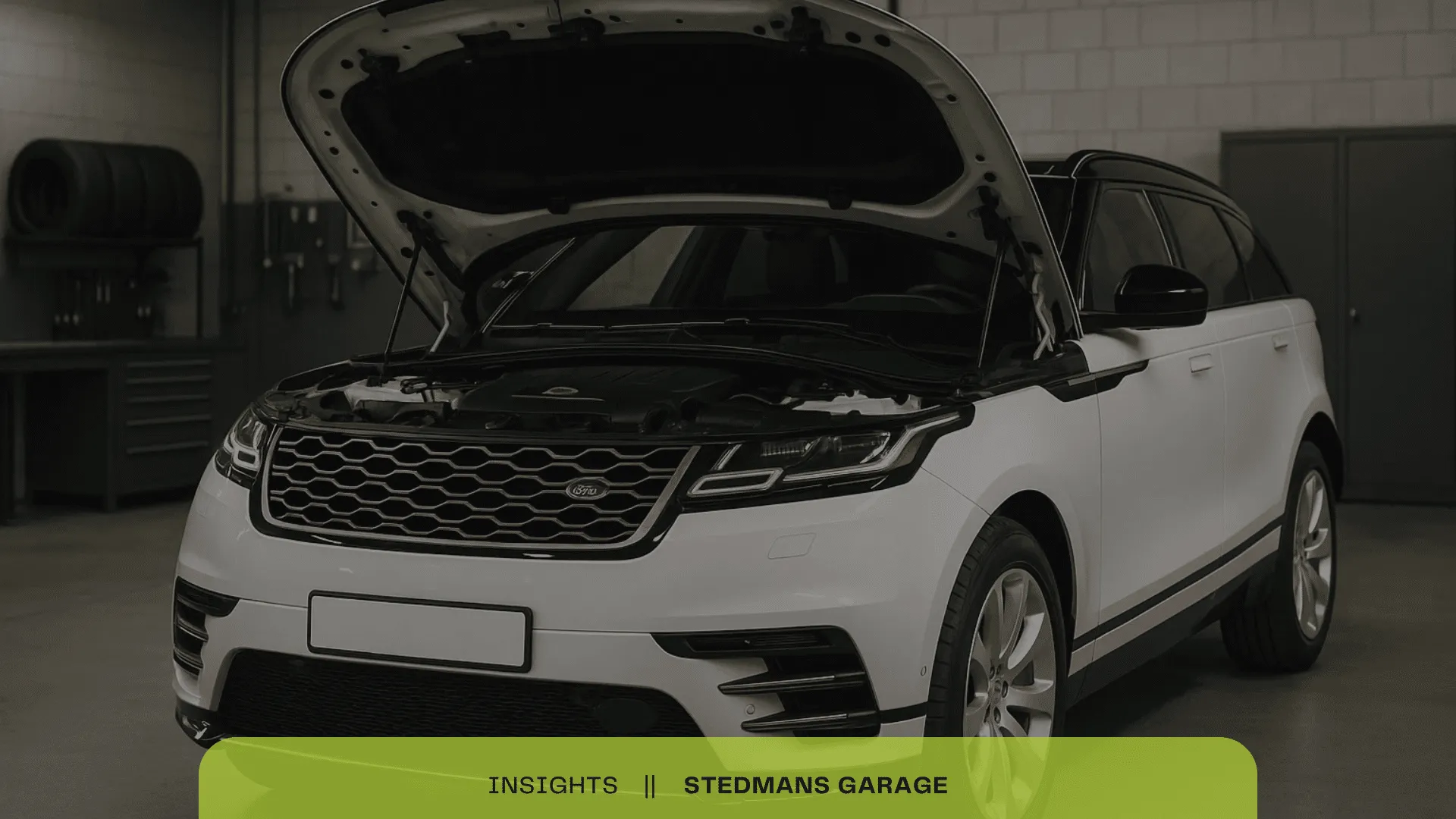
For the Range Rover Velar, an exhaustive maintenance schedule is paramount to ensuring its longevity and reliability. Following recommended service guidelines can strategically prevent common issues and help maintain the vehicle’s resale value.
Essential Maintenance Schedule
Performing regular oil changes is vital for engine health. It’s recommended to use high-quality motor oil and change it regularly, alongside replacing oil and air filters. Additionally, routine brake system inspections and timely replacement of brake fluid are crucial for maintaining performance and safety.
Key Areas Requiring Regular Attention
Certain areas of the Velar demand consistent attention to avert costly repairs. These include:
- Tyre Maintenance: Regularly check tyre pressure, tread, and symmetry to enhance safety and fuel efficiency.
- Battery Care: Inspect the car battery and cables routinely to prevent starting issues.
- Fluid Levels: Regularly check engine coolant, transmission fluid, and windshield washer fluid levels.
- Software Updates: Ensure the vehicle’s software is up-to-date to avoid glitches in infotainment and safety systems.
Owner-Level Maintenance vs. Dealer Service
While owner-level maintenance is feasible for several routine tasks such as checking fluid levels and tyre pressure, some activities, like software updates and major services, require professional dealership service. Dealer service ensures compliance with manufacturer specifications and use of genuine parts, which is critical for maintaining your warranty.
Frequently Asked Questions
What are the most common Range Rover Velar problems?
The faults Velar owners report most often are infotainment and electrical glitches, suspension problems, cooling system and engine issues, and hesitant or jerky gear changes. None of them are unique to the Velar, and most are far cheaper to put right when they are picked up at the first warning rather than left to develop.
Is the Range Rover Velar a reliable car?
The Velar is a heavily computerised luxury SUV, so it asks for more attentive maintenance than a mainstream car. Owners who keep to the service schedule and act on early warning signs generally get dependable use out of it, while neglected examples are where the expensive faults tend to appear.
Why does my Range Rover Velar touchscreen freeze or restart?
Freezing screens, modules that will not wake and unexpected restarts are common on modern Land Rover infotainment systems. The cause is often a weak battery or a software fault rather than failed hardware, which is why a proper diagnostic scan is the sensible first step before anything is replaced.
Can an independent garage service a Range Rover Velar without affecting the warranty?
Yes. Under UK Block Exemption rules, an independent garage can service and repair your Velar using the correct service schedule and quality-matched parts without affecting the manufacturer warranty, while keeping the service history fully stamped.
Can Stedmans Garage diagnose and repair Range Rover Velar faults?
Yes. Our Worthing workshop works on Range Rover Velar models, covering electrical and infotainment diagnostics, suspension, engine and transmission work. You can read more on our Range Rover specialist page or book the car in with us.
Conclusion
Balancing the Velar’s Luxury Appeal Against Reliability Concerns
The Range Rover Velar is undeniably a striking vehicle, boasting a luxurious design and advanced features that appeal to many buyers. However, its reputation for reliability has raised some concerns. Land Rover’s historical issues with electrical systems, bodywork, engine components, and transmission problems are well-documented. Potential buyers must weigh these reliability concerns against the vehicle’s luxury and performance offerings.
Who the Velar Might Be Suitable For
The Velar is best suited for those who prioritise style, comfort, and advanced technology in their vehicle choice. Individuals who are willing to stay on top of regular maintenance and are prepared for potentially higher repair costs will likely appreciate the Velar’s luxury appeal. The newer models have shown improvements in reliability, suggesting that these might be better choices for those concerned about mechanical issues.
Final Recommendations for Prospective and Current Velar Owners
Prospective buyers should thoroughly research specific model years, prioritising those with fewer reported issues. Extended warranties and comprehensive maintenance plans can provide additional peace of mind. For current Velar owners, adhering to a diligent maintenance schedule and addressing problems promptly can mitigate many of the vehicle’s common issues. In summary, while the Range Rover Velar offers an impressive luxury experience, potential buyers must carefully consider the reliability challenges and plan accordingly to ensure a satisfying ownership experience.