

Are you finding it increasingly difficult to start your car? Car starting issues can be frustrating and alarming. It's essential for car owners to recognise the various signs and symptoms associated with these starting issues to diagnose and fix them effectively.
Identifying Car Starting Issues
Recognising the signs of car starting issues can save you time and money. If you’re experiencing trouble, you may notice several symptoms, including:
Unusual Sounds
- Clicking Noises: A clicking sound when you turn the key often points to a weak battery or starter motor problems. This noise comes from the starter solenoid trying to engage but failing to draw enough power.
- Slow Engine Crank: If the engine cranks slowly or hesitates before starting, it may indicate that the battery is insufficiently charged or weakened by age.
- Complete Silence: When turning the key results in no response or noise at all, this can signal various starting issues, from battery failures to ignition system malfunctions.
Visual Indicators
- Check Engine Light: Pay attention to your dashboard lights. The check engine or battery warning light can offer clues to underlying car starting issues.
- Corroded Battery Terminals: Inspect your battery for visible corrosion, indicated by white or green substances around the terminals, suggesting that the connection may be compromised.
These visible and audible cues can help you pinpoint potential starting issues and guide your troubleshooting steps.
Common Causes of Starting Issues
Understanding the underlying causes of starting issues is crucial for effective repairs. Here are the most prevalent reasons your car may struggle to start:
1. Battery Issues
The battery is often the first suspect when you face car starting issues. Battery-related problems account for a large percentage of starting problems. Key aspects include:
- Corrosion: Corrosion can build up around the battery terminals, hindering the flow of electricity. Cleaning these terminals can enhance connectivity and starting performance.
- Insufficient Charge: A battery's charge decreases over time, particularly if you frequently take short trips. A multimeter can measure the battery voltage; anything below 12.4 volts typically indicates the need for a charge.
- Aging Battery: Most car batteries typically last around 3 to 5 years. If your battery is nearing this age, consider evaluating its health or replacing it.
2. Fuel Delivery Problems
Fuel delivery is critical for your engine’s performance. If you suspect delays in fuel reaching the engine, explore these components:
- Fuel Pump: A malfunctioning fuel pump can prevent adequate fuel supply. Listen for a humming sound from the fuel tank when switching the ignition on; if it’s absent, there may be fuel delivery issues.
- Fuel Filter: A blocked fuel filter can restrict flow. Regular replacement is essential for maintaining optimal system performance and avoiding starting issues.
- Fuel Injectors: Dirty or clogged injectors can hinder fuel delivery. Periodically using fuel system cleaners or having the injectors professionally cleaned can mitigate this.
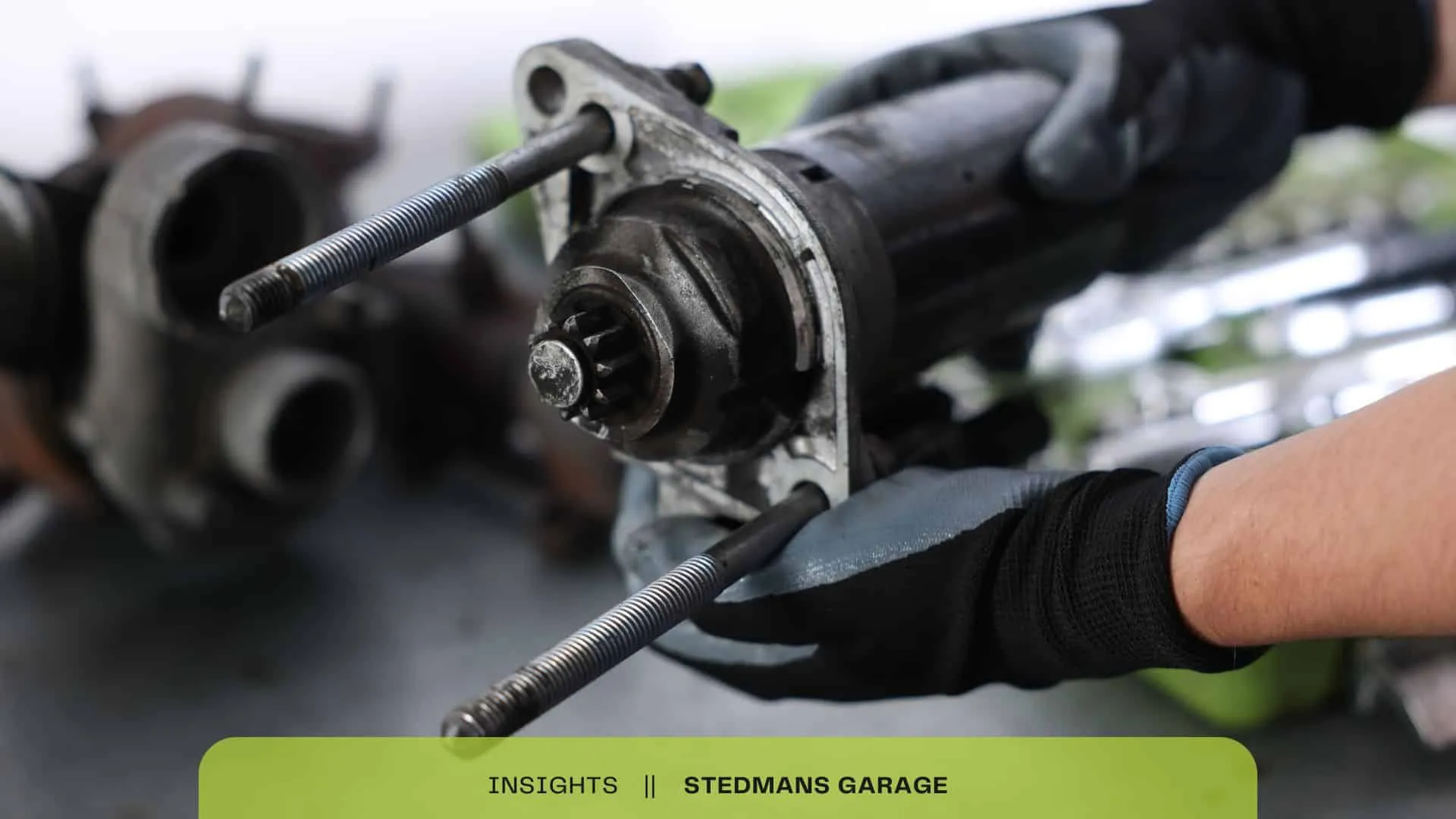
3. Starter Motor Faults
The starter motor is vital for initiating the engine's combustion process. Here’s what to consider:
- Symptoms of Failure: Signs of a failing starter motor often include grinding noises or a burning smell when attempting to start, indicating it might be time to troubleshoot the starter system.
- Troubleshooting Steps: If you suspect starter motor issues, inspect the wiring and connections for signs of wear. If necessary, consult a mechanic for professional help.
4. Ignition System Failures
The ignition system plays a crucial role in starting your car. Investigate these components:
- Spark Plugs: Worn or improperly gapped spark plugs can impede starting. Regular checks can ensure reliable engine performance.
- Ignition Coils: Faulty ignition coils may not provide sufficient spark, leaving the engine unable to start. Symptoms of this issue include erratic or rough engine idling.
- Wiring Issues: Checking the ignition wiring for cuts or corrosion can help verify potential sources of car starting issues.
Evaluation and Diagnosis of the Problem
A methodical approach to diagnosing car starting issues can lead to quicker resolutions. Consider the following steps:
Visual Inspections
Start by visually inspecting the car for signs of starting issues. Check for:
- Corrosion on Battery Terminals: Clean any existing corrosion to see if that resolves starting problems.
- Fluid Leaks: Look for fuel or oil leaks around the engine that can signify larger issues.
Auditory Clues
Listen carefully when turning the key:
- Clicking Noise: As mentioned, this often points to battery or starter motor issues.
- Whirring Sound: A whirring or grinding noise may indicate starter motor or ignition system faults requiring attention.
Conducting Basic Tests
You can conduct basic tests to narrow down the problem:
- Turn on Electrical Systems: Engage your headlights or radio. If they appear faint or fail to illuminate, you likely have a battery issue.
- Jump Start: Trying to jump start your car can provide insight; if it turns over, a battery problem may be the root cause.
- Consult Professionals: If these steps prove inconclusive, seek professional help for a complete diagnostic evaluation of the starting issues.
Addressing Battery Issues
Now that we understand the causes of starting issues, let’s delve deeper into how to tackle battery problems:
Preventive Measures
- Regular Inspections: Periodically check the battery's condition and ensure the terminals are clean and securely connected.
- Temperature Factors: Extreme weather can affect battery performance. Keeping your car in a garage during winter helps preserve battery health.
Basic Troubleshooting
- Jump Starting Your Car: Always keep jumper cables handy. Knowing how to jump-start can save you hassle during battery failures.
- Replacing Battery Terminals: If you notice corrosion that can't be cleaned, consider replacing terminals for better connectivity.
Battery Replacement
When considering battery replacement:
- Pick the Right Battery: Choose a battery suited for your vehicle’s requirements. Consulting your owner’s manual can help ensure you make an informed choice.
- Professional Installation: If unsure about replacing your battery independently, enlist a mechanic's help to avoid potential starting issues.
Dealing with Fuel Delivery and Starter Problems
As fuel delivery and starter systems are critical for starting your engine, let’s explore strategies to address these issues:
Fuel System Maintenance
- Maintain Fuel Supply: Keep your fuel tank at least a quarter full to ensure proper fuel pump operation. Running low can lead to overheating and starting issues.
- Clearing Blockages: If you suspect fuel line blockages, consider using a fuel system cleaner periodically or consult a professional.
Troubleshooting the Starter Motor
- Checking Connections: Inspect connections to the starter motor for wear and replace them if needed to prevent starting failures.
- Professional Assessment: If unusual noises or burning smells arise, consult a mechanic to determine whether the starter motor needs replacement.
Electrical System Considerations
The electrical system plays a vital role in your vehicle's ability to start. Consider these elements:
Inspect Fuses
- Check for Blown Fuses: Fuses protect electrical systems. A blown fuse can lead to a no-start condition.
Wiring Issues
- Inspect Wiring for Damage: Look for frayed or corroded wiring throughout the ignition and starter systems that may be causing starting issues. Replace damaged wires as needed.
Connection Points
- Examine Ground Connections: Poor grounding can hinder starting. Ensure grounding points are clean and free from corrosion.

Conclusion
Car starting issues can stem from various problems, including battery concerns, fuel delivery problems, and ignition system faults. By understanding the symptoms, potential causes, and effective solutions, you can take control of your vehicle’s performance and enhance its reliability.
Always keep a close eye on your vehicle's health and don’t hesitate to seek professional assistance if problems persist. Remember, proactive maintenance can significantly improve your vehicle's reliability, ensuring you have fewer worries when it's time to start your engine.