
Introduction
Wheel bearings are vital components for your vehicle's operation and safety. They support the weight of the car, enable smooth wheel rotation, and ensure effective handling and control on the road. However, poor maintenance, harsh driving conditions, or simply the test of time can lead to their deterioration.
What Are Wheel Bearings?
Definition and Function
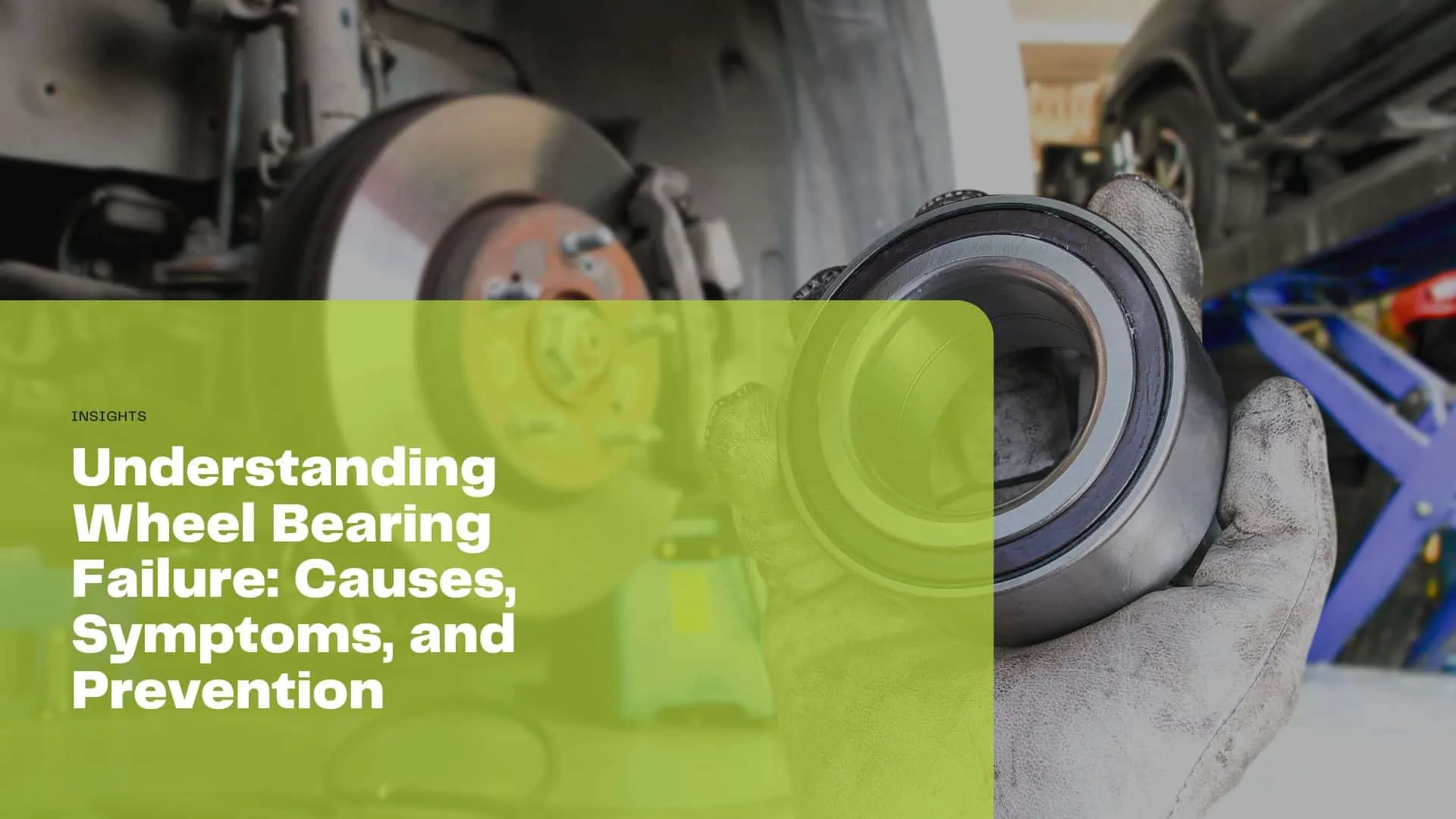
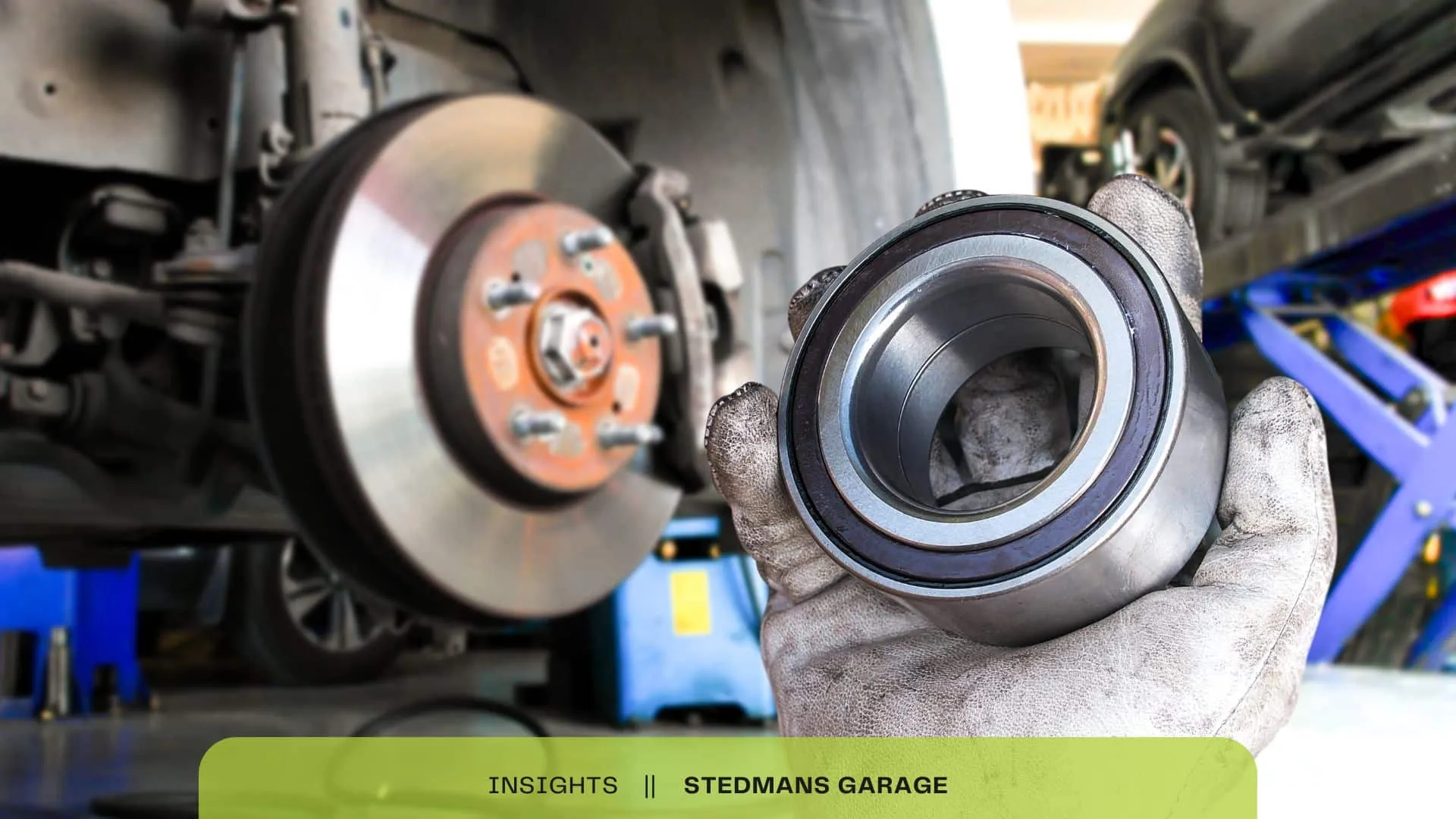
At their core, wheel bearings consist of small steel balls or rollers encased between two smooth metal rings, known as "races". These components work together to allow your wheels to rotate freely with as little friction as possible, all while supporting the entire weight of the vehicle. Healthy wheel bearings are essential for providing a comfortable, quiet ride and maintaining your vehicle’s alignment and stability.
Key Components of Wheel Bearings
- Inner and Outer Races: These hardened steel rings house the balls or rollers. The inner race fits onto the axle, while the outer race is secured within the wheel hub.
- Balls or Rollers: These elements minimise friction and facilitate efficient rotation.
- Seals: Seals act as a vital defence mechanism, preventing dust, dirt, and moisture from entering the bearing assembly while keeping the lubricating grease inside.
Common Causes of Wheel Bearing Failure
Wheel bearing failure can arise from several different factors. Being aware of these causes is essential for effective prevention and diagnosis.
1. Inadequate Lubrication
One of the primary causes of wheel bearing failure is a lack of proper lubrication. Grease reduces friction, heat, and wear. When this grease degrades, leaks out, or is absent, it leads to metal-on-metal contact. This results in severe overheating and eventual failure.
2. Contamination (Dirt and Water)
Dirt, dust, and moisture can infiltrate the bearing assembly, compromising its integrity. This is especially common if you frequently drive through deep puddles, flooded roads, or off-road conditions. Dirt particles act as an abrasive, wearing down the smooth metal surfaces and leading to premature failure.
3. Worn or Damaged Seals
Seals are your bearing's first line of defence. If a seal is worn, cracked, or damaged by road debris, it allows the vital lubricating grease to escape and harmful moisture and grit to enter.
4. Excessive Loading and Impacts
Wheel bearings are designed to support specific weight limits. When subjected to excessive loads (such as regularly towing heavy caravans or trailers), the bearings can become overwhelmed. Similarly, sudden dynamic impacts, like hitting a deep pothole or clipping a kerb, can dent the bearing races, initiating the failure process.
5. Improper Installation
Poor installation practices during a previous repair can greatly affect the longevity of wheel bearings. If bearings are installed too tightly, too loosely, or without the correct torque settings, it introduces immediate stress that accelerates wear.
Symptoms of Wheel Bearing Failure
Recognising the early symptoms of wheel bearing failure is critical for maintaining vehicle safety. If you notice any of the following, it is time to consult a professional mechanic.
Unusual Noises
One of the earliest and most common signs of a faulty wheel bearing is a change in the sound your car makes.
- Humming or Whining: A continuous humming, rumbling, or whining noise that gets louder as you accelerate often indicates a bearing issue. The noise may change pitch or volume when you turn the steering wheel.
- Grinding: A harsh grinding noise usually suggests metal-on-metal contact and indicates that the bearing has completely failed and requires immediate replacement.
Play in the Wheel
Excessive movement or a "wobble" in the wheel is a serious red flag. If a mechanic lifts the vehicle and shakes the wheel at the 12 o'clock and 6 o'clock positions, noticeable movement or clunking indicates severe bearing degradation.
Handling Difficulties
When wheel bearings begin to fail, the steering can feel vague or unnatural. The vehicle may drift to one side, or you might feel a pulling sensation or vibration through the steering wheel during turns.
Visual Indicators
During a routine garage inspection, a mechanic might spot visual signs of trouble, such as:
- Grease Leakage: Dark grease leaking around the wheel hub indicates a failed seal.
- Uneven Tyre Wear: While often caused by alignment issues, a severely worn wheel bearing can also cause your tyres to wear out unevenly.
Prevention and Maintenance Strategies
Preventing wheel bearing failure is vital not just for your safety, but also to protect other expensive components like your wheel hubs and axles.
Regular Professional Inspections
Frequent inspections can help catch problems early. Have your mechanic check your wheel bearings during your annual service or MOT. They will check for play in the wheels, listen for abnormal noises, and inspect the seals.
Acknowledge Your Driving Conditions
Driving conditions significantly impact the lifespan of your bearings. If you frequently tow heavy loads, drive on poorly maintained roads with lots of potholes, or live in an area prone to flooding, your bearings will wear out faster. Adjust your driving habits where possible, and have your suspension and hubs checked more frequently.
Best Practices for Replacement
When it is finally time to replace a worn wheel bearing, ensure the job is done right:
- Use Quality Parts: Always opt for high-quality or OEM (Original Equipment Manufacturer) replacement parts to ensure proper fit and durability.
- Professional Installation: Wheel bearings require specialist tools, presses, and exact torque settings to be installed correctly. Always rely on a trusted, professional garage for this repair.
Conclusion
Understanding wheel bearing failure is vital for maintaining your vehicle’s safety, handling, and overall performance. By comprehending the causes, recognising the warning noises, and implementing effective preventative maintenance, you can ensure the longevity of your car's steering and suspension systems.
Stay vigilant regarding your vehicle's maintenance to avoid the costly and dangerous pitfalls associated with a collapsed wheel bearing.