

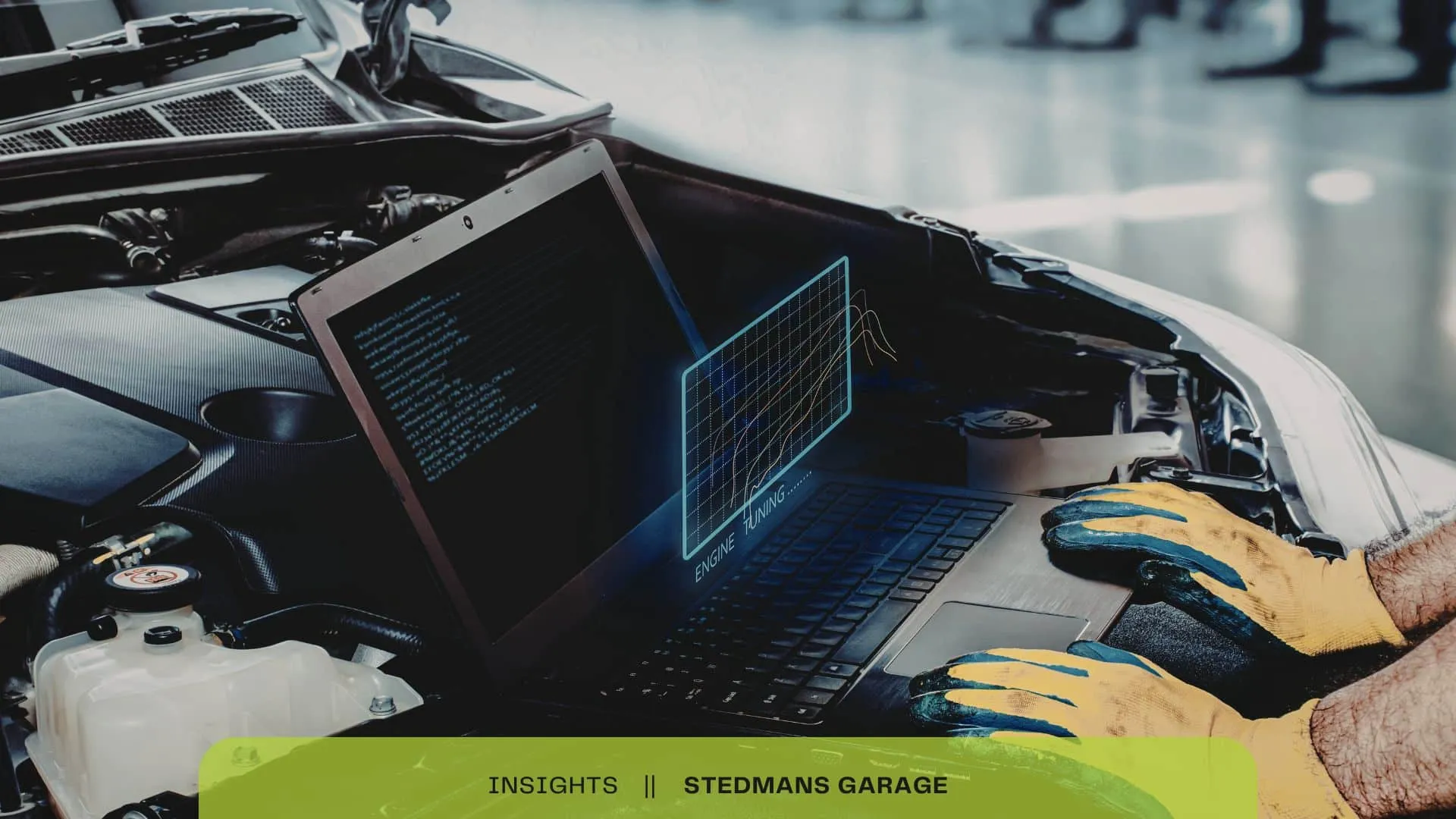
In the rapidly evolving landscape of automotive technology, ensuring your vehicle remains reliable and safe is paramount. Modern cars are essentially computers on wheels, and car fault diagnosis refers to the processes employed to identify and resolve mechanical failures, electrical glitches, or sensor errors.
Effective diagnosis is essential for enhancing the longevity of your vehicle, ultimately leading to improved safety and reduced costs associated with major breakdowns. In this guide, we will delve into effective fault diagnosis techniques, exploring how professional technicians identify the root cause of your car's problems.
The Fundamentals of Car Fault Diagnosis
Defining the Problem
Car fault diagnosis is the systematic approach of identifying vehicle defects and determining their root causes. To grasp this better, it is helpful to distinguish between three key terms often used in the garage:
- Faults: The physical defect in the component (e.g., a snapped wire or a cracked hose).
- Errors: The incorrect signal or reading caused by the fault (e.g., a sensor sending a "zero" voltage reading to the ECU).
- Failures: The observable result where the car does not perform its intended function (e.g., the engine fails to start or the ABS light turns on).
Understanding these distinctions allows technicians to trace how a small electrical fault can propagate through the system to cause a major mechanical failure.
How Faults Manifest
Faults manifest in various ways, ranging from minor irritations to significant operational failures.
- Intermittent Issues: The "it only happens when it rains" scenario. These are temporary and often hard to trace.
- Permanent Failures: A part has broken completely, necessitating immediate attention.
Common Methods for Fault Diagnosis
A comprehensive understanding of how we diagnose issues is essential for any car owner who wants to understand what is happening under the bonnet.
1. Static Analysis: Visual Inspection
In the software world, "static analysis" means looking at code without running it. In the automotive world, this is the Visual Inspection. Before we even turn the key, we look for physical signs of distress.
- Fluid Checks: Checking oil, coolant, and brake fluid levels and condition.
- Component Inspection: Looking for frayed belts, bulging hoses, or corroded battery terminals.
- Leak Detection: Spotting puddles or damp patches around the engine bay.
Advantages: Early detection of a frayed belt during a visual check prevents a catastrophic snap later on.
2. Dynamic Analysis: Live Monitoring
Contrasting with static methods, dynamic analysis involves monitoring the vehicle while the engine is running or during a test drive. This allows for the immediate detection of performance-related faults.
- The Test Drive: Assessing how the suspension feels over bumps, listening for wheel bearing drones, or feeling for brake judder.
- Live Data Streaming: Using a diagnostic scanner to watch real-time data from the engine (such as fuel trim, temperature, and air intake) while the car is moving.
Strengths: This method discovers faults that only arise when the vehicle is under load or at operating temperature.
3. System Testing: Pressure and Electrical
Sometimes, we need to verify that a specific system behaves as intended by applying a specific test.
- Compression Testing: Checking the internal pressure of the engine cylinders to ensure valves and pistons are sealing correctly.
- Pressure Testing: Pressurising the cooling system to force coolant out of hard-to-find leaks.
- Multimeter Testing: Checking electrical circuits to ensure the correct voltage and resistance are present.
Tools and Technologies for Diagnosis
The right tools can profoundly impact the accuracy of car fault diagnosis. It is no longer just about spanners and hammers; modern garages rely on sophisticated technology.
OBD-II Scanners (On-Board Diagnostics)
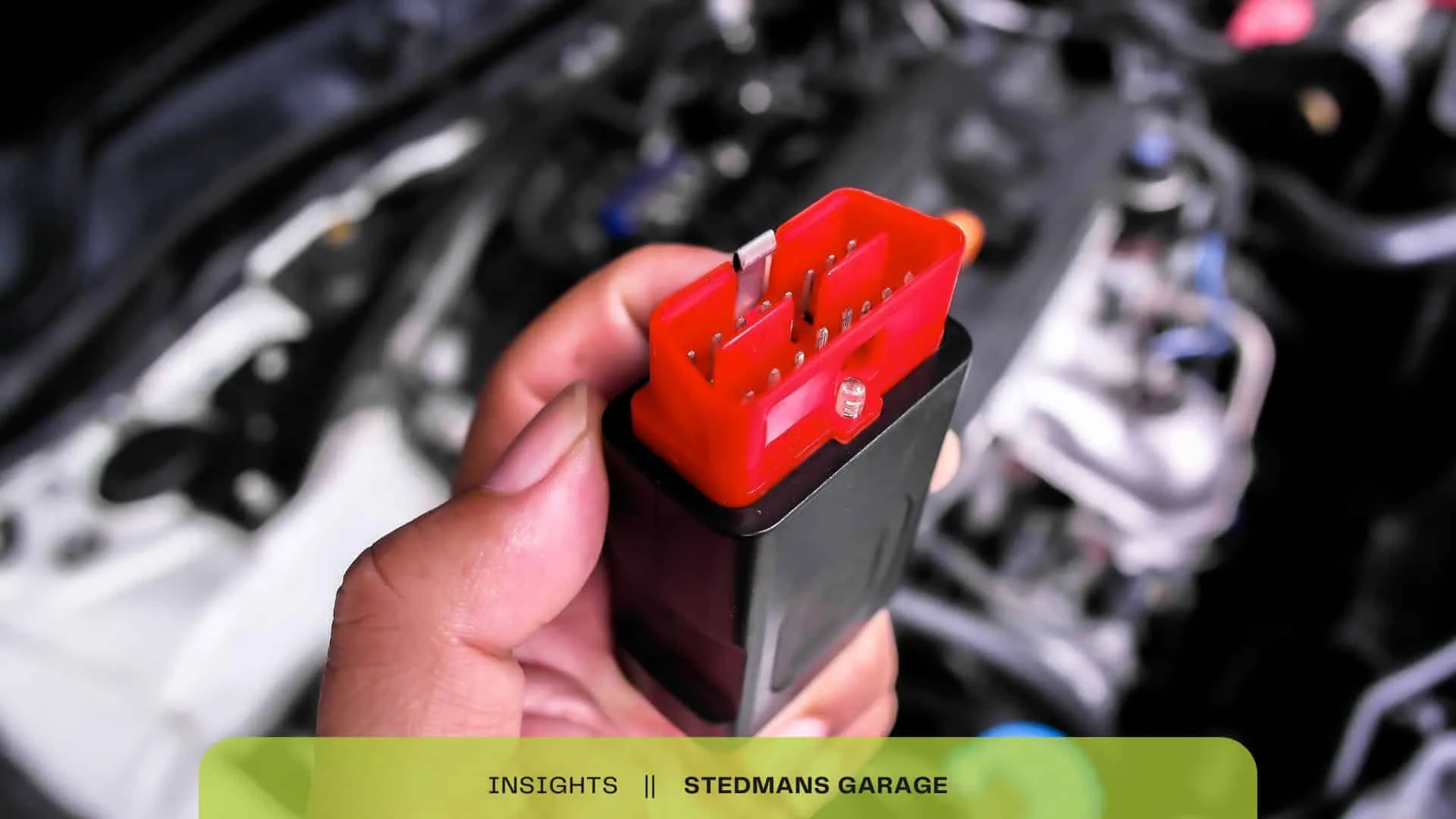
Since the early 2000s, cars have been equipped with OBD-II ports.
- What they do: These scanners plug into the car and "talk" to the onboard computers.
- The Output: They provide "Diagnostic Trouble Codes" (DTCs). For example, a code might tell us "Cylinder 3 Misfire," pointing us directly to the area needing investigation.
Oscilloscopes
For complex electrical issues, a simple code reader isn't enough. An oscilloscope allows us to visualise electrical signals as waves. This helps pinpoint issues with sensors that are reacting too slowly or sending "noisy" signals.
Smoke Machines
A fantastic tool for finding vacuum leaks. We pump harmless smoke into the engine's intake system. If smoke escapes from a tiny crack in a hose or gasket, we have found the leak.
Challenges in Modern Diagnosis
While diagnostic tools are advanced, challenges remain.
- Complexity of Modern Architectures: With hybrid systems, driver-assist cameras, and dozens of ECUs (computers) in a single car, the interconnectedness can obscure the root cause. A fault in the ABS system might disable the cruise control and the gearbox sport mode simultaneously.
- The "Parts Cannon" Approach: A common mistake (often by amateurs) is replacing parts based solely on a code without diagnosing the cause. For example, an Oxygen Sensor code might actually be caused by a vacuum leak, not a broken sensor. Replacing the sensor won't fix the leak.
Best Practices for Car Owners
You play a vital role in the diagnostic process. Here is how you can help ensure an accurate repair:
- Document the Symptoms: When did the noise start? Does it happen when the engine is cold or hot? At high speeds or low speeds? The more information you give the garage, the faster the diagnosis.
- Don't Ignore Warning Lights: That amber engine light is a warning. Ignoring it usually leads to a red light and a recovery truck.
- Regular Servicing: Routine maintenance is a form of continuous diagnosis. It allows mechanics to spot wearing parts before they fail.
Conclusion
Effective car fault diagnosis is not just a technical necessity; it is the key to maintaining a safe and reliable vehicle. By combining traditional mechanical skills with advanced digital tools, we can pinpoint issues with precision.
If your vehicle is showing signs of distress, don't guess, get it diagnosed. Prioritising accurate diagnosis today saves you from costly repairs tomorrow.
Worried about a warning light or a strange noise? Contact our service team today to book a comprehensive diagnostic check.