
The Evolution of Vehicle Diagnostics: An Introduction
Historical Overview of Car Diagnostic Methods and Their Progression
Before the advent of modern computerised systems, car diagnostics relied heavily on manual inspection techniques and the expertise of the mechanics. Mechanics used their senses and fundamental tools to diagnose problems, relying on sound, sight, smell, and touch. For example, a strange noise would prompt the mechanic to manually check components. This method, while effective in some cases, was slow, labour-intensive, and frequently led to misdiagnoses.
During the late 1960s, the first rudimentary on-board diagnostics (OBD) systems started to emerge. Volkswagen introduced an OBD system capable of scanning vehicle data in 1968. This marked a significant milestone, as it began the transition from purely manual methods to automated, computer-assisted diagnostics.
The Shift from Manual Diagnostics to Computerised Systems
The introduction of OBD systems in the 1980s heralded a pivotal shift. These systems allowed vehicles to self-monitor various subsystems, recording data and errors through electronic sensors. Technicians could then access this information using specialised tools to accurately diagnose issues, saving time and reducing the chance of error.
The real revolution came in the 1990s with the introduction of OBD-II systems, which standardised the diagnostic processes and tools across manufacturers. OBD-II provided comprehensive access to vehicle data, including engine performance, speed metrics, and fuel system status. This move standardised diagnostic tools and procedures, making it easier for technicians to work on a variety of vehicles with a common understanding and resources.
The Increasing Complexity of Modern Vehicles and the Need for Advanced Diagnostics
Modern vehicles are increasingly sophisticated, integrating advanced technologies like artificial intelligence, electric powertrains, and autonomous driving capabilities. These advancements have significantly improved vehicle performance, safety, and efficiency but have also increased the complexity of diagnostics. Traditional manual diagnostic methods or even early OBD systems are insufficient for troubleshooting these advanced vehicles.
Contemporary diagnostic tools must deal with extensive networks of sensors and computer systems. AI in automotive diagnostics, for instance, uses machine learning to predict and identify potential system failures before they become critical issues.
The complex nature of modern vehicles necessitates continuous learning and adaptation by technicians to remain competent. This ongoing evolution in vehicle technology and diagnostics underscores the need for increasingly sophisticated diagnostic tools and techniques, ensuring that today's vehicles can be maintained efficiently and effectively.
Understanding the transformation from rudimentary manual diagnostics to today's advanced computerised systems highlights the immense progress made in vehicle maintenance. This narrative sets the stage for exploring the specific advancements in OBD systems and the tools that have enabled these diagnostic leaps.
Understanding OBD-I: The First Step
Introduction to the Original On-Board Diagnostics System
The advent of the On-Board Diagnostics (OBD) system marked a significant milestone in automotive technology. Originating in the late 1960s, the initial OBD systems were designed to aid vehicle manufacturers in monitoring and controlling emissions. The first generation, known as OBD-I, provided a means to detect malfunctions within the engine control unit (ECU) and alert the driver through the "Check Engine" light.
Limitations and Manufacturer-Specific Nature of OBD-I
Despite its innovative approach, OBD-I had considerable limitations. One of the primary drawbacks was the lack of standardisation. Each vehicle manufacturer developed their own version of the OBD system, leading to a diverse range of diagnostic connectors, communication protocols, and code definitions. This bespoke nature meant that diagnostic tools had to be specific to each car brand, creating challenges for technicians who needed multiple devices to service different vehicle models. Additionally, OBD-I systems were mainly focused on emissions and offered limited diagnostic capabilities compared to what we see today. They provided basic information related to the emissions system but could not offer comprehensive insights into other vehicle subsystems.
Key Differences Between Early Diagnostic Systems and Modern Solutions
The evolution from OBD-I to contemporary diagnostic systems illustrates a dramatic shift in technology and functionality. Modern OBD-II systems, introduced in 1996, standardised diagnostic protocols and interfaces across all vehicle manufacturers. This standardisation included uniform diagnostic connectors, a defined set of electrical signal protocols, and consistent messaging formats. Additionally, OBD-II provides detailed data across various vehicle systems beyond emissions controls, including the transmission, ABS, and airbags. This expanded functionality enables more accurate diagnostics and preventative maintenance.
One noteworthy distinction is the connectivity aspect. While OBD-I required direct connections for diagnostics, modern OBD-II systems can communicate wirelessly through Bluetooth or Wi-Fi, allowing for remote access to diagnostic data. This not only makes the process more efficient but also more accessible for vehicle owners and repair technicians.
The journey of vehicle diagnostics from the rudimentary OBD-I systems to the advanced OBD-II standards underscores the industry's continuous advancement in response to increasing vehicle complexity and regulatory requirements.
Understanding these foundational aspects of OBD-I sets the stage for exploring the broader implications and functionalities introduced with OBD-II, as well as the subsequent developments in vehicle diagnostics.
OBD-II: The Universal Standard
Introduction of Standardised Diagnostic Protocols and Interfaces
The introduction of OBD-II (On-Board Diagnostics II) in 1996 was a pivotal moment in vehicle diagnostics. Unlike its predecessor, OBD-I, which was specific to each manufacturer, OBD-II brought standardisation to the automotive industry. This universal system mandates a common diagnostic port, standardised trouble codes, and protocols across all makes and models. This standardisation simplified the diagnostic process and made it accessible to all mechanics and vehicle owners.
Key Features and Capabilities of OBD-II Systems
OBD-II systems come with a host of advanced features that enable more comprehensive diagnostics:
- Standardised Diagnostic Port: The 16-pin connector, located under the dashboard, allows easy access for diagnostic tools.
- Consistent Diagnostic Trouble Codes (DTCs): Using standard codes enables any mechanic to diagnose issues regardless of the vehicle make.
- Extensive Data Monitoring: OBD-II systems monitor hundreds of parameters in real time, including engine speed, vehicle speed, and fuel system status.
- Emission Control: One of the primary goals of OBD-II systems is to reduce vehicle emissions by closely monitoring and reporting malfunctions related to the emission control system.
- Freeze Frame Data: When a fault occurs, the system can store a snapshot of the vehicle's operating conditions, aiding technicians in troubleshooting recurring issues.
Impact on Vehicle Maintenance and Repair Procedures in the UK
The implementation of OBD-II had a significant impact on vehicle maintenance and repair procedures across the UK. By standardising the diagnostic process, OBD-II systems made vehicle diagnostics more efficient and effective, leading to several key benefits:
- Streamlined Diagnostics: Technicians can quickly identify and address vehicle issues without needing manufacturer-specific tools or procedures.
- Reduced Repair Times: With clear and standardised fault codes, mechanics can spend less time diagnosing problems and more time on actual repairs.
- Preventative Maintenance: Real-time monitoring allows for early detection of potential issues, reducing the likelihood of major breakdowns and extending the lifespan of vehicle components.
- Enhanced Emission Controls: By ensuring vehicles meet stringent emission standards, OBD-II systems contribute to improved air quality and regulatory compliance.
The implementation of OBD-II marked a significant advancement in vehicle diagnostics, creating a universal system that simplifies and improves the process. This transition paved the way for more sophisticated diagnostic tools and techniques, which are crucial in maintaining the increasingly complex modern vehicles.
Modern Diagnostic Tools and Equipment
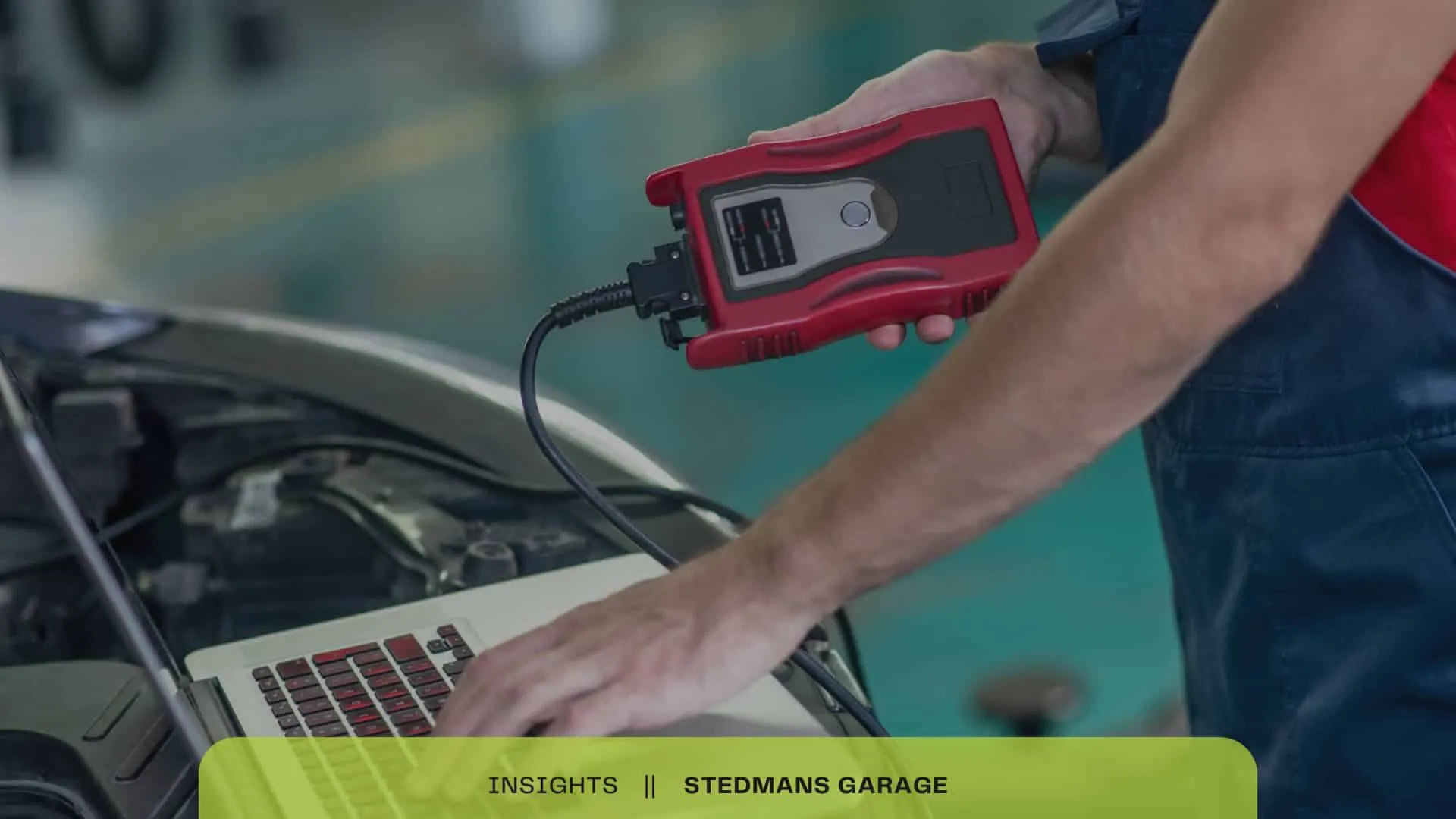
The evolution of vehicle diagnostics has significantly advanced with the development of modern diagnostic tools and equipment. These tools range from basic code readers to advanced scan tools, each designed to facilitate the diagnosis and repair of increasingly complex vehicle systems.
Basic Code Readers
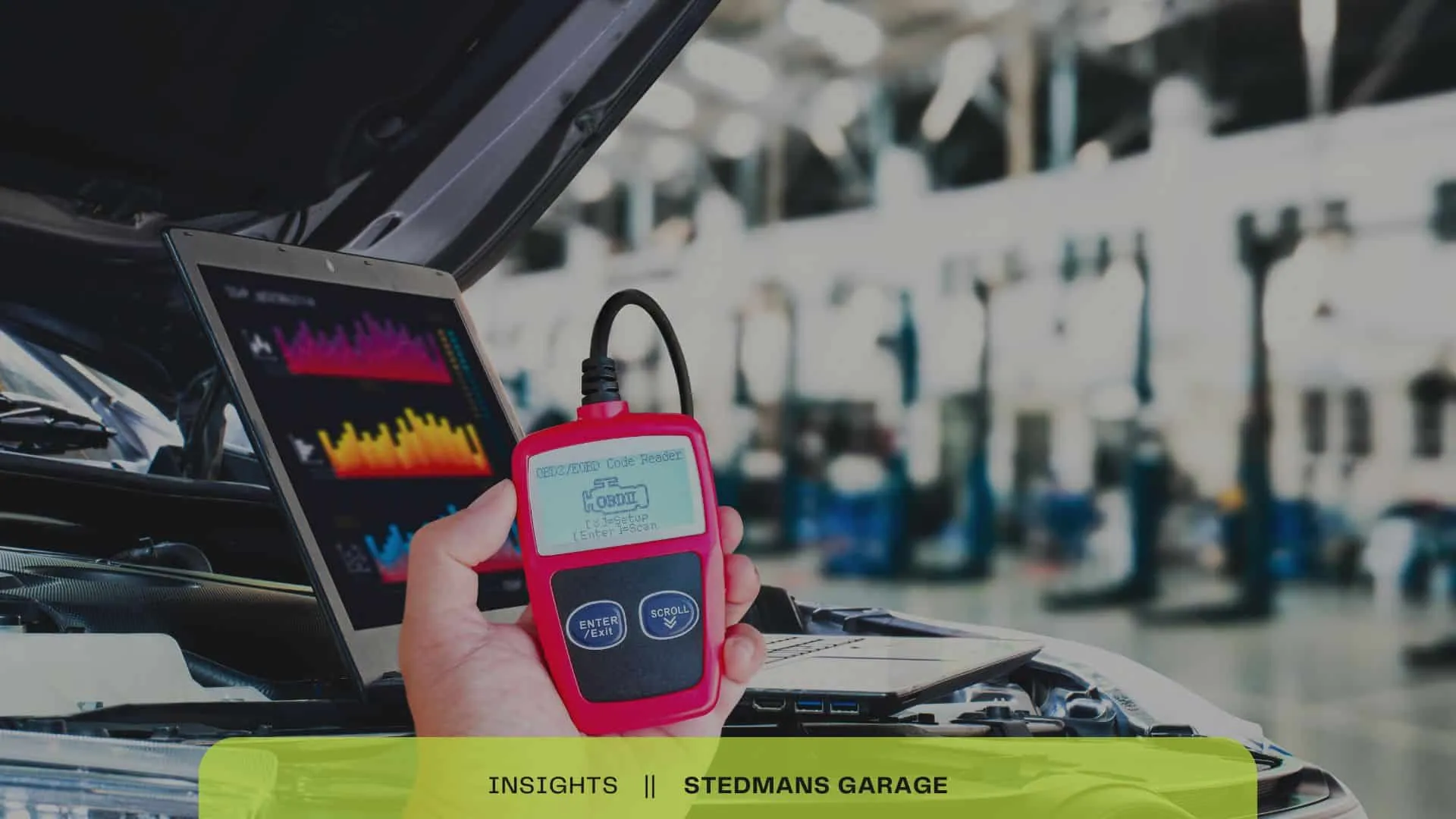
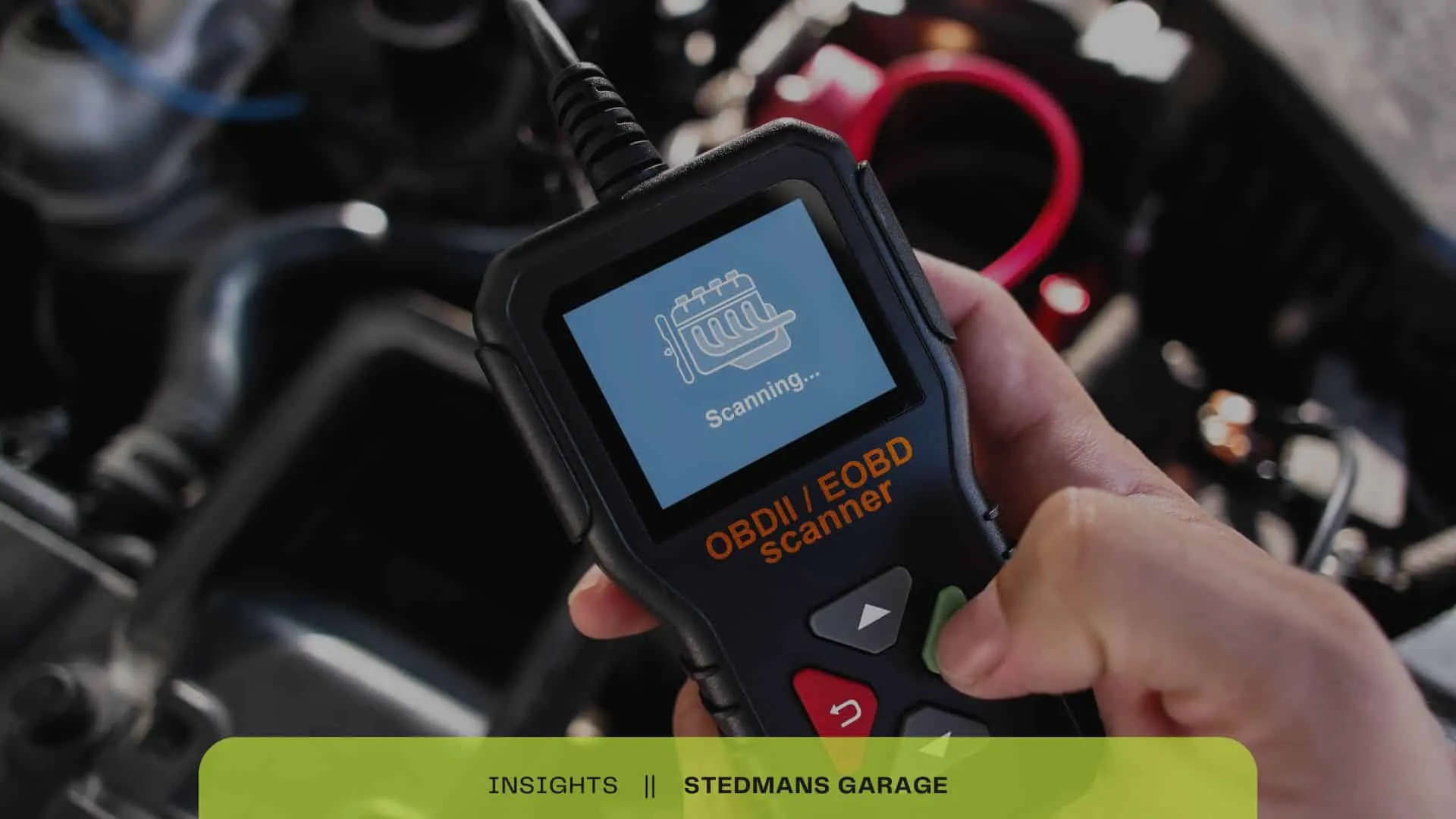
Basic code readers are the simplest type of diagnostic tools. They are commonly used to retrieve diagnostic trouble codes (DTCs) from a vehicle's OBD-II system. These devices can identify and clear codes, providing a straightforward means of diagnosing minor issues. Basic code readers are ideal for DIY enthusiasts, as they are user-friendly and generally affordable.
Advanced Scan Tools
Advanced scan tools offer a more comprehensive approach to vehicle diagnostics. These tools can not only read and clear DTCs but also provide real-time data, perform active tests, and programme modules. These tools are essential for professional technicians as they facilitate in-depth diagnostics and repairs.
Specialised Software
Specialised software plays a crucial role in modern vehicle diagnostics. One prominent example is OBDwiz, which is designed for use with PC-based scan tools. This software offers a user-friendly interface, enabling technicians to troubleshoot issues, monitor sensor data, and verify emissions readiness. Additionally, manufacturers such as Ford and BMW provide specific diagnostic software ensuring compatibility and precision in diagnostics.
Importance of Proper Tool Selection
Selecting the appropriate diagnostic tool is paramount for accurate diagnosis and efficient repair. The choice of tool depends on factors such as the type of vehicle, the nature of the issue, and the scope of the diagnostic task. Technicians must evaluate the features of each tool, including compatibility, data accessibility, and advanced functionalities, to ensure effective troubleshooting.
Proper tool selection not only improves diagnostic accuracy but also enhances repair efficiency, ultimately leading to increased customer satisfaction and reduced downtime.
As vehicle technology continues to evolve, staying informed about the latest diagnostic tools and their capabilities is crucial for efficient maintenance and repair practices.
Understanding Diagnostic Trouble Codes (DTCs)

Explanation of DTC Structure and Categories
Diagnostic Trouble Codes (DTCs) are alphanumeric codes used by a vehicle's onboard diagnostics (OBD) system to identify and diagnose malfunctions. These codes provide detailed information about the nature and location of a problem within the vehicle.
DTCs are composed of five characters:
- The first character: This is a letter that indicates the vehicle system affected:
- The second character: This digit shows whether the code is generic (0) or manufacturer-specific (1).
- The third character: For powertrain-related codes, this indicates the specific subsystem:
The last two characters in the code (digits) provide additional details about the specific fault.
How to Interpret and Use Freeze Frame Data Effectively
Freeze frame data is a snapshot of key sensor readings captured at the moment a DTC is set. This data helps in diagnosing the root cause of a fault by providing context about the conditions under which the issue occurred.
Freeze frame data typically includes parameters such as:
- Engine RPM
- Vehicle speed
- Coolant temperature
- Throttle position
- Oxygen sensor readings
Interpreting this data involves comparing the captured values to the expected ranges for the vehicle to identify any deviations. For example, if the freeze frame data shows an unusually high engine temperature, this could indicate a cooling system issue.
Common Diagnostic Codes and Their Implications
Some of the most frequently encountered DTCs include:
- P0101: Mass Air Flow (MAF) Sensor Fault. This code indicates that the MAF sensor's signal is outside the expected range, which can lead to incorrect air-fuel mixture.
- P0420: Catalyst System Efficiency Below Threshold (Bank 1). This code suggests that the catalytic converter is not performing efficiently, potentially leading to increased emissions.
- P0171: System Too Lean (Bank 1). This code typically indicates that the air-fuel mixture is too lean, possibly due to a vacuum leak or fuel delivery issue.
- P0300: Random/Multiple Cylinder Misfire Detected. A code that signifies misfires occurring in more than one cylinder, often caused by ignition or fuel system problems.
Understanding these codes and their common causes allows technicians to prioritise and address issues quickly, enhancing the efficiency and accuracy of vehicle repairs.
As the automotive industry evolves, professional diagnostic technicians must continuously update their skills and knowledge to keep pace with the latest technologies and diagnostic tools. This ensures they remain effective in their roles, maintaining the reliability and performance of modern vehicles.
The Role of Professional Diagnostic Technicians
Required Skills and Qualifications
Professional diagnostic technicians are pivotal in the maintenance and repair of modern vehicles. They must possess a range of skills, including:
- Technical Proficiency: Knowledge of vehicle systems, including engines, transmissions, exhaust, and safety systems.
- Diagnostic Tool Proficiency: Familiarity with both basic and advanced diagnostic tools such as OBD-II scanners and manufacturer-specific equipment.
- Analytical Skills: Ability to interpret diagnostic trouble codes (DTCs) and freeze frame data to identify vehicle issues accurately.
- Computer Skills: Proficiency in using specialised diagnostic software to perform detailed vehicle diagnostics and updates.
- Continuous Learning: Commitment to ongoing education to keep up with evolving automotive technologies.
Technicians typically need formal education such as NVQ Level 3 in Vehicle Maintenance and Repair or a comparable qualification. Certification from recognised bodies like the Institute of the Motor Industry (IMI) can enhance their credentials further.
Importance of Continuous Training and Adaptation
The automotive industry is continually evolving with new technologies. Electric and autonomous vehicles, advanced driver-assistance systems (ADAS), and the integration of Internet of Things (IoT) in vehicles necessitate that technicians continually update their skills.
- Training Programs: Regular participation in training programs offered by vehicle manufacturers and independent institutions is essential.
- Adaptation to New Tools: Staying abreast of new diagnostic tools and software updates to ensure accurate diagnostics.
- Certification Renewal: Periodic recertification to maintain and prove proficiency in current industry standards and practices.
Challenges Faced by Technicians
The journey of an automotive technician is fraught with challenges:
- Technological Complexity: Modern vehicles incorporate complex electronic systems and software, requiring technicians to develop both hardware and software expertise.
- Proprietary Systems: Different manufacturers may use proprietary diagnostic systems and data, necessitating brand-specific training and tools.
- Staying Current: With rapid advancements, keeping skills up-to-date requires significant effort and commitment.
- Demanding Workloads: The need for precision and attention to detail, combined with high expectations for quick diagnostics, can create a demanding work environment.
Despite these challenges, the role of professional diagnostic technicians remains indispensable in ensuring vehicle safety, performance, and regulatory compliance. Their expertise is crucial in navigating the complexities of modern vehicle diagnostics and repair.
The landscape of vehicle diagnostics continues to evolve, with future trends bringing about new challenges and opportunities for the industry.
Future Trends in Vehicle Diagnostics

Emerging Technologies in Vehicle Diagnostics and Maintenance
Vehicle diagnostics is continually evolving with advancements in technology. New trends are emerging that significantly impact the industry, providing more efficient and accurate diagnostic processes. One such major trend is the integration of Artificial Intelligence (AI) and Machine Learning (ML) into diagnostic systems. These technologies enhance data analysis and fault detection, leading to reduced vehicle downtime and proactive maintenance strategies. AI-driven diagnostics allow for predictive maintenance by identifying patterns and anomalies that could indicate future issues.
Furthermore, remote diagnostics and over-the-air updates are becoming more prevalent. These systems allow technicians to diagnose and sometimes even fix issues without needing to be physically present with the vehicle, enhancing efficiency and reducing repair times. Diagnostics tools now often include connectivity features that enable real-time data exchange between the vehicle and a remote diagnostic server, leveraging platforms such as Message Queuing Telemetry Transport (MQTT).
The Impact of Electric and Autonomous Vehicles on Diagnostic Procedures
The rise of electric vehicles (EVs) and autonomous vehicles (AVs) introduces new challenges and opportunities in vehicle diagnostics. Electric vehicles, with their complex battery systems and power electronics, require specialised diagnostic tools. OBD2 scanners, which have been traditionally used for internal combustion engines, are now being adapted to meet the unique requirements of EVs. Additionally, the need for regular updates and monitoring of software systems in EVs underscores the importance of robust diagnostic tools capable of handling sophisticated onboard systems.
Autonomous vehicles, equipped with numerous sensors and advanced driver-assistance systems (ADAS), bring another level of complexity to diagnostics. These systems rely on a vast amount of data from various sensors to operate correctly. Ensuring the proper functioning of these systems requires advanced diagnostic tools that can manage and interpret sensor data effectively. Moreover, the integration of these systems must account for potential cybersecurity threats, necessitating secure and reliable diagnostic methods.
Predicted Developments in Diagnostic Tools and Techniques
Looking towards the future, the development of diagnostic tools will likely focus on further integration of AI and machine learning to augment precision and efficiency. Advanced diagnostic platforms will not only detect and diagnose issues but also predict potential failures based on historical data and usage patterns. This predictive capability will be crucial for reducing unscheduled downtimes and optimising maintenance schedules.
In addition, the expansion of connected vehicle technology will continue to play a significant role. Vehicles will increasingly communicate with external infrastructure and other vehicles, providing a wealth of data for diagnostic purposes. This connectivity will enable more comprehensive diagnostics and streamlined maintenance operations.
As these trends unfold, the importance of staying updated with cutting-edge diagnostic tools and techniques cannot be overstated. Embracing these advancements will be essential for maintaining vehicle performance, safety, and efficiency in an ever-evolving industry.