
What's Different About Maintaining a BMW EV?
A BMW electric vehicle has around 20 moving parts in its drivetrain compared to over 2,000 in a petrol or diesel engine. No oil changes, no timing belts, no exhaust system, no clutch. That simplicity means lower servicing costs and fewer things to go wrong - but it doesn't mean zero maintenance.
BMW EVs still need regular attention to brakes, tyres, battery cooling systems, and electrical components. Some of these items actually need more careful monitoring than on a conventional car, not less. At Stedmans Garage, we service every BMW electric model from our Worthing workshop - from the original i3 through to the latest i5 and iX.
This guide covers what actually needs doing, when, and what to watch out for.
BMW's Condition Based Servicing (CBS) System
Unlike most manufacturers, BMW doesn't use fixed mileage-based service schedules for its EVs. Instead, every BMW electric model uses Condition Based Servicing (CBS) - an onboard system that monitors component condition through sensors and algorithms, then alerts you via iDrive when service is due.
On a BMW EV, CBS tracks:
- Front and rear brake pad wear (via physical sensors on each pad)
- Brake fluid condition (time-based, flags every 2 years)
- Cabin microfilter status (based on time and airflow)
- General vehicle check (a catch-all inspection interval)
Your iDrive display shows a green "OK" for each item when everything is healthy and a yellow warning triangle when service is approaching. The data is also stored in the key fob and can be read by any garage with compatible diagnostic equipment.
In practice, most BMW EVs need a service every 12 months or 10,000-15,000 miles, whichever comes first. Some newer models like the i4 and iX may stretch to 24 months or 24,000 miles if CBS doesn't flag anything sooner - but we'd recommend annual checks regardless, particularly for battery health and brake disc condition.
Service Intervals by Model
| Model | Typical Interval | Key Notes |
|---|---|---|
| BMW i3 | Every 12 months | Range extender (REx) variants also need engine oil and spark plugs. Oldest BMW EV - benefits most from regular checks. |
| BMW iX3 | Every 12-24 months | Based on the X3 platform. Shares more parts with its ICE counterpart than other BMW EVs. |
| BMW i4 | Every 24 months / 24,000 miles | CBS-driven. Strong reliability record. |
| BMW iX | CBS-driven, typically annual | Air suspension on M60 and xDrive50 adds maintenance complexity. |
| BMW i5 | CBS-driven | Latest generation. Same EV maintenance principles as i4/iX. |
| BMW iX1 / iX2 | CBS-driven | Compact EVs, same CBS system as the rest of the range. |
All models follow the same core maintenance items - the differences are mainly in battery size, cooling system complexity, and whether the vehicle has air suspension.
What a BMW EV Service Includes
A routine service at Stedmans covers:
Battery System
- Battery health assessment - checking state of health (SoH), capacity retention, and cell balance. A battery retaining 90% or more of original capacity after five years is considered healthy. Early detection of degradation can save significant costs long-term.
- Battery coolant check - every BMW EV from the i3 onwards uses liquid cooling for the battery pack. We check coolant levels and condition at every service. BMW recommends a full coolant flush at 100,000 miles or 10 years.
- Thermal management system - the cooling system that keeps the battery within its optimal operating temperature. Failures here cause rapid degradation, so catching problems early matters.
Brakes
- Brake pad and disc inspection - BMW EVs use regenerative braking, where the electric motor handles most deceleration. Brake pads can last 50,000-70,000 miles compared to 25,000-30,000 on a typical petrol BMW.
- Disc corrosion check - this is the hidden issue with EV brakes. Because friction brakes sit cold and unused for long periods, brake discs corrode from moisture and road salt. We regularly see cars where the pads have 90% life remaining but the discs need replacing due to pitting and rust. This is especially common in the UK climate.
- Brake fluid replacement - every 2 years, regardless of mileage. Brake fluid absorbs moisture over time, which reduces braking performance and can cause internal corrosion.
Tyres
- Tyre condition and pressure check - BMW EVs are significantly heavier than their petrol equivalents due to battery weight, and deliver instant torque. This means tyres wear roughly 20% faster. We check for uneven wear patterns, correct pressures, and whether EV-rated tyres are fitted.
Electrical
- 12V auxiliary battery health - every BMW EV has a small 12V battery that powers the locks, lights, onboard computer, and startup sequence. If it fails, the car won't start even with a fully charged main battery. This is one of the most common failure points across all BMW EVs.
- Fault code scan - full EV diagnostic check for software errors, warning lights, and system faults.
- Software status - newer BMW EVs (i4, iX, i5, iX1, iX2) support over-the-air updates, but delivery has been inconsistent. We check whether the vehicle is running the latest software and flag any outstanding updates.
General
- Cabin air filter replacement - every 15,000-20,000 miles or every 2 years. Without an engine air intake filter to worry about, this is the primary filtration component.
- Suspension and steering - the extra weight of EV batteries puts more strain on bushings, springs, and dampers. On iX models with air suspension, components typically need attention between 60,000-90,000 miles.
- Washer fluid, wiper blades, and exterior lights - the basics still apply.
Common BMW EV Issues to Watch For
Across All Models
- iDrive and software glitches - screen freezes, CarPlay disconnections, phantom warning messages, and connected services failures. The most frequently reported issue across the entire BMW EV range.
- 12V battery and CCU failures - the Combined Charging Unit steps down high voltage to keep the 12V battery topped up. A recall affected 2022-2023 i4, i7, and iX models where a faulty CCU could cause charging interruptions, failure to start, or loss of drive power while driving.
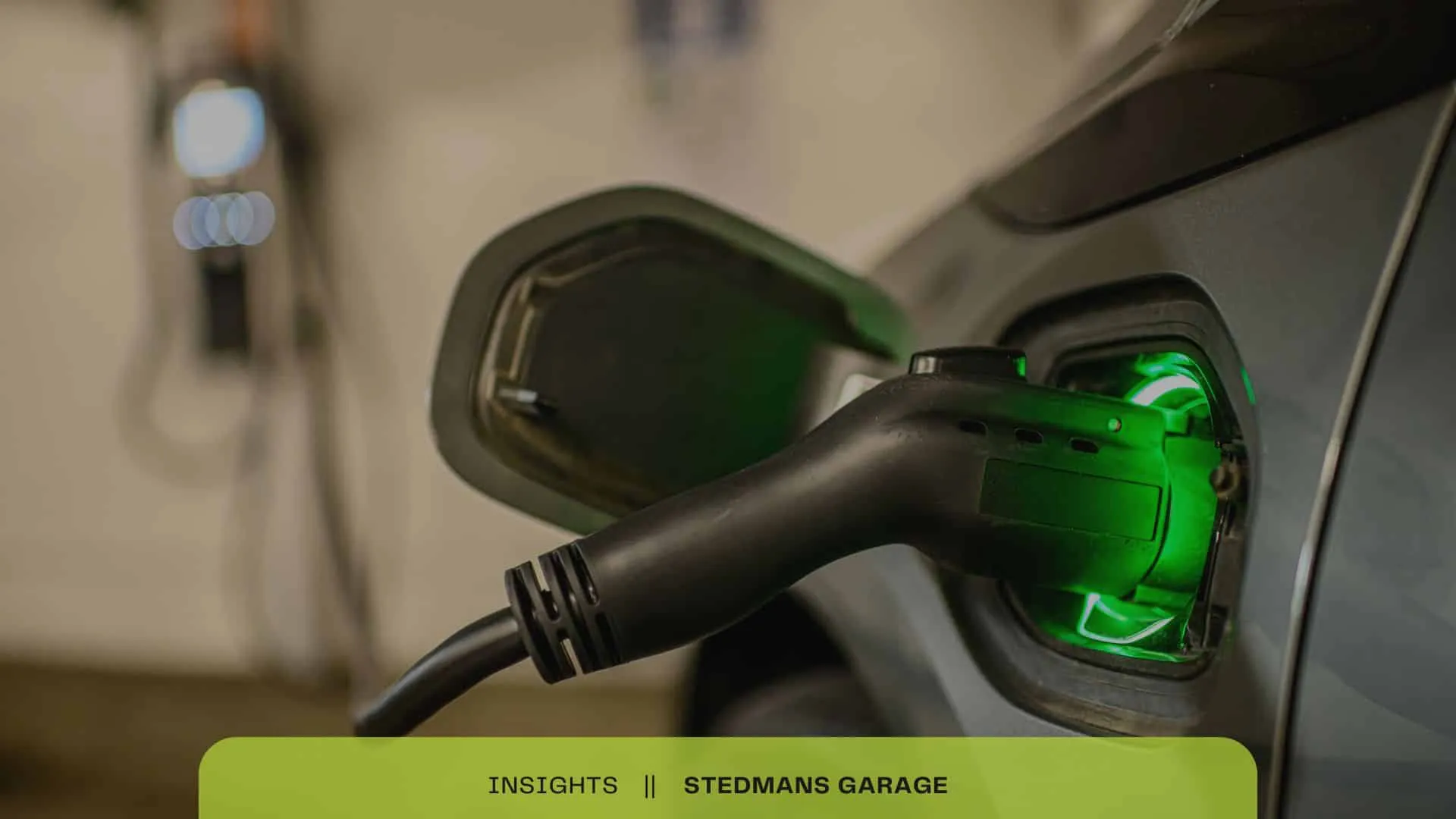
- Charging problems - failure to charge at home, incompatibility with certain public chargers, or charge port door issues.
BMW i3 Specific
- Drivetrain malfunction warnings from sensor faults, battery management issues, or 12V battery problems
- Range extender (REx) variants can develop vibration and juddering from the 2-cylinder petrol engine
- Park actuator problems, particularly after wet weather
- Earlier models (2014-2016) show higher battery degradation rates than later production years
BMW i4 Specific
- Generally very reliable (rated above average across major reliability surveys)
- Known recalls for electric drive motor software, left-side structural beam cracking (2024 models), and battery weld quality (2024 xDrive40 and M50)
- Main weak point is software, not mechanical components
BMW iX Specific
- More diverse issues than the i4 - drivetrain warnings, wiring harness problems, heating system failures
- Air suspension models (M60, optioned xDrive50) add a significant long-term cost. Air springs typically need replacing between 60,000-90,000 miles
Looking After Your BMW EV Battery
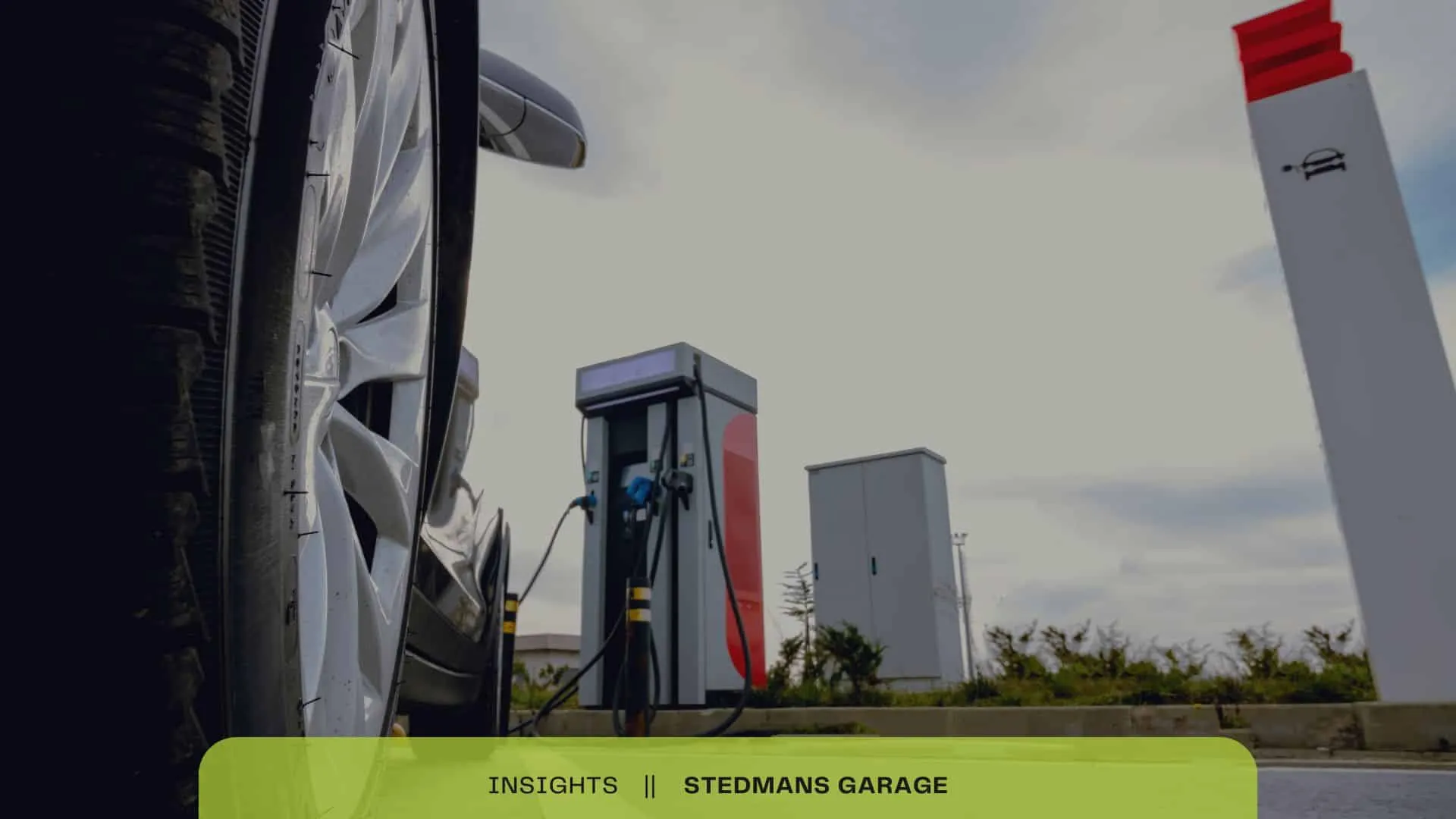
The high-voltage battery is the most expensive single component in any electric vehicle. BMW warrants it for 8 years or 100,000 miles, guaranteeing at least 70% of original capacity. Real-world data is encouraging - most BMW EVs retain around 90% capacity at 100,000 miles.
Your charging habits have the biggest impact on battery longevity:
- Keep daily charging between 20% and 80%. Only charge to 100% when you need the full range for a longer journey. Regularly charging to maximum puts extra stress on the cells.
- Favour slow or fast chargers over rapid chargers for everyday top-ups. Rapid charging generates more heat, which accelerates wear.
- Don't leave the car sitting at very low charge for extended periods. If you're not driving for a few weeks, leave it plugged in at around 50%.
If you've noticed a drop in range - especially during winter - a battery health check can confirm whether it's genuine degradation or just the normal effect of cold temperatures on lithium-ion chemistry.
EV vs Petrol BMW: Maintenance Cost Comparison
Over the first five years, servicing a BMW EV costs roughly 30% less than an equivalent petrol or diesel model. The main savings come from eliminating oil changes, spark plugs, timing components, exhaust work, and clutch replacements.
| Component | Petrol/Diesel BMW | BMW EV |
|---|---|---|
| Engine oil and filter | Every service | Not applicable |
| Spark plugs | Every 30,000-60,000 miles | Not applicable |
| Timing belt or chain | Major service item | Not applicable |
| Exhaust system | Regular checks | Not applicable |
| Clutch | Wear item | Not applicable |
| Brake pads | Every 25,000-30,000 miles | Every 50,000-70,000 miles |
| Brake discs | As needed | May need earlier replacement due to corrosion |
| Battery coolant | N/A | Check every service, flush at 100,000 miles |
| Battery health check | N/A | Every service |
| Software diagnostics | Basic OBD | Manufacturer-level EV diagnostics |
For a full breakdown, see our guide on EV vs petrol car servicing costs.
Where EVs can cost more: tyres wear faster, brake disc corrosion can force premature replacement, 12V battery and CCU issues can be expensive, and air suspension on iX models adds a significant long-term liability.
Do BMW EVs Still Need an MOT?
Yes. Electric vehicles need an annual MOT once they're three years old, exactly the same as any other vehicle. The test covers brakes, tyres, lights, steering, suspension, and bodywork.
The main differences during an EV MOT:
- No emissions test
- Additional checks on high-voltage cable condition and warning lights
- Regenerative braking function checked
Booking your service and MOT together saves time and avoids two trips. You can book online or call us on 01903 691666.
Tips for Between Services
- Exercise your friction brakes regularly. If you rely heavily on regenerative braking, make a point of using the brake pedal firmly at least once a week. This clears surface rust from the discs and keeps pads from delaminating.
- Check tyre pressures monthly. EV-specific tyres wear faster and underinflation accelerates this significantly.
- Don't ignore the 12V battery. If your car feels sluggish to wake up, the central display is slow to boot, or you get intermittent electrical warnings, get the 12V battery tested before it strands you.
- Keep an eye on software update notifications. If your iDrive flags an available update, install it when convenient - these often fix known bugs and improve charging behaviour.
- Watch for brake disc condition. Light surface rust is normal after a few days of not driving. If you hear grinding, feel vibration under braking, or see heavy pitting, book a check.
Why Choose Stedmans for BMW EV Servicing?
Stedmans Garage has been looking after vehicles in Worthing since 1923. As the EV market has grown, we've invested in manufacturer-level diagnostic equipment and technician training to service every BMW electric and hybrid model.
We're equipped to work on:
- BMW i3 - all variants including Range Extender
- BMW iX3
- BMW i4 - eDrive40 and M50
- BMW iX - xDrive40, xDrive50, M60
- BMW i5 - eDrive40 and M60
- BMW iX1 - xDrive30
- BMW iX2 - xDrive30
We also service BMW petrol and diesel models and other EV makes including Tesla, Audi, Volkswagen, Jaguar, and Cupra.
No jargon, no upselling. Just honest, expert care for your electric BMW.
Book your BMW EV service online or get in touch to discuss your vehicle's needs.