
Introduction
As electric vehicles (EVs) become an increasingly common sight on the roads of West Sussex, understanding how to properly maintain them is essential. While EVs require less traditional mechanical maintenance than petrol or diesel cars, they have one vital component that needs careful attention: the battery.
How you manage your daily charging practices can significantly influence the longevity, range, and overall performance of your electric vehicle.
Understanding EV Battery Fundamentals
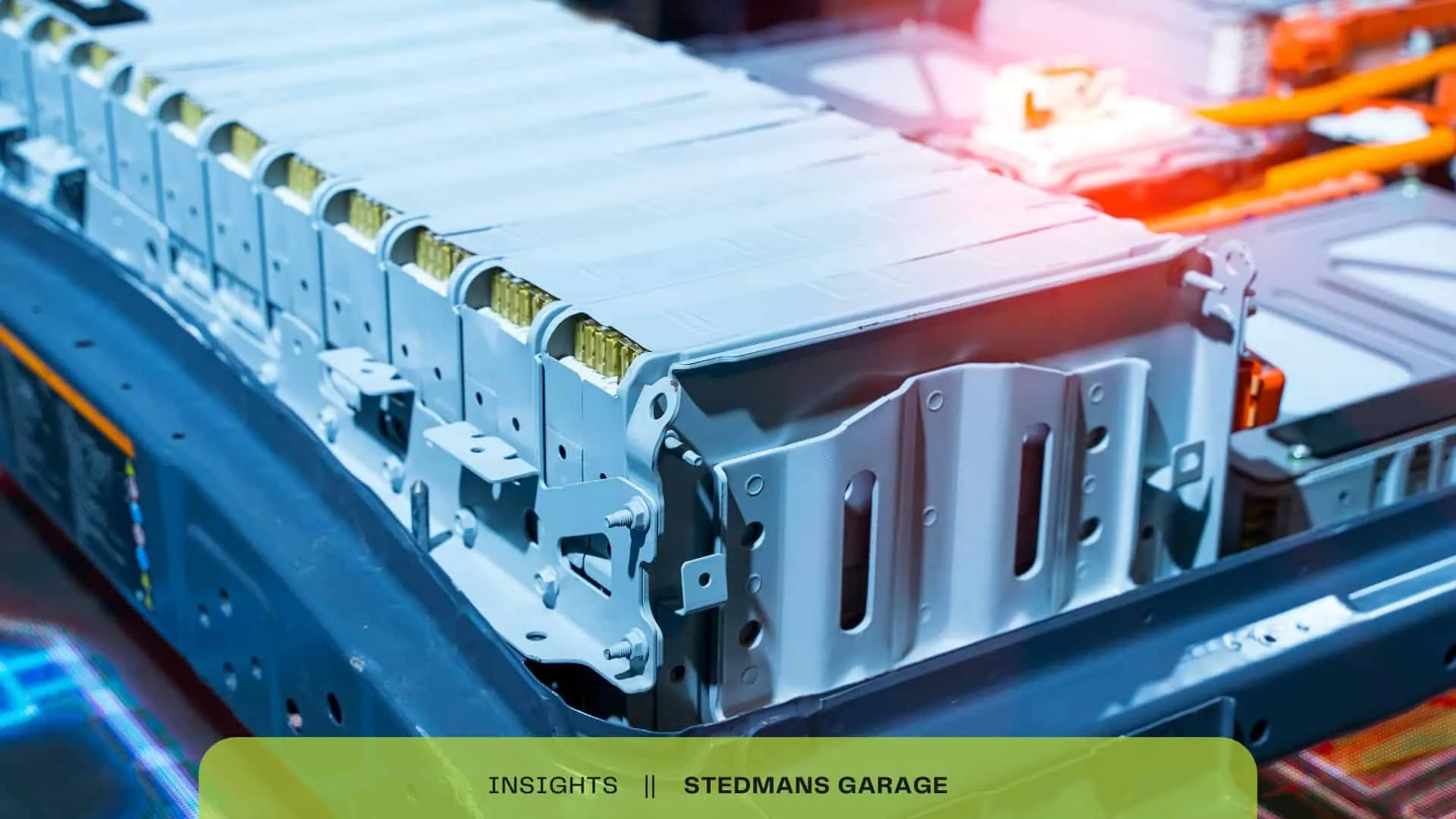
To understand EV battery wear, it helps to know a little about what is powering your car. Most modern electric vehicles use lithium-ion batteries.
The Chemistry Behind Your Battery
Lithium-ion batteries generate power through electrochemical reactions. They are favoured by car manufacturers for their high energy density (meaning they hold a lot of power for their weight) and low self-discharge rates. However, they are sensitive to extreme conditions. Their ideal operating temperature sits comfortably between 20°C and 25°C.
Key Battery Characteristics
- Cycle Life: This is the number of complete charge and discharge cycles an EV battery can endure before its capacity noticeably drops. Most modern EV batteries are designed to easily handle over 1,000 full cycles.
- Depth of Discharge (DoD): This refers to how much of the battery's capacity you use before plugging it back in. Managing your DoD is a key factor in extending battery life.
A healthy battery directly translates to better range, smoother acceleration, and a more reliable driving experience across the South Downs and beyond.
How Different Charging Methods Impact Battery Health
When it comes to charging your EV, you have a few options. Each method impacts EV battery wear differently.
Home Charging: The Best Option for Battery Health
For most EV owners in West Sussex, home charging is the most convenient and battery-friendly option.
- Standard/Wallbox Charging: Whether you use a standard 3-pin plug (slow) or a dedicated 7kW home wallbox (faster), home charging is generally the best way to protect your battery.
- The Impact: Slower AC charging generates significantly less heat than rapid public chargers. Because excess heat is a primary cause of EV battery wear, overnight home charging keeps thermal conditions manageable and promotes long-term battery health.
Public Charging Stations: Balancing Convenience and Wear
West Sussex’s public charging infrastructure is growing rapidly, offering great flexibility for longer journeys.
- Rapid Chargers (50kW+): These can charge your battery to 80% in about 30 minutes. However, forcing that much direct current (DC) into the battery generates a lot of heat, causing thermal stress.
- Destination Chargers: Found at supermarkets, hotels, and public car parks, these are slower AC chargers, similar to a home wallbox, and are much gentler on your battery.
- The Impact: While rapid chargers are fantastic for road trips, relying on them for your daily charge will accelerate EV battery wear. Try to strike a balance by using home or destination chargers for your routine top-ups.
The Golden Rules: Charging Frequency and Duration
You don't need to treat your EV battery like an old mobile phone; in fact, letting it run completely flat is a bad idea.
- The 20-80% Rule: For optimal battery health, try to keep your charge level between 20% and 80% for daily driving.
- Avoid Daily 100% Charges: Charging to 100% is perfectly fine (and necessary) before a long motorway journey. However, leaving your car sat on the driveway at 100% charge for days on end puts unnecessary stress on the battery cells.
- Smart Scheduling: Make use of your EV’s companion app or infotainment system to schedule charging. Not only can you set it to stop at 80%, but you can also take advantage of cheaper off-peak overnight energy tariffs.
Temperature and EV Battery Wear
The British weather plays a surprisingly large role in EV battery health. Extreme temperatures affect how efficiently the battery charges and discharges.
- The Heat: Hot summer days, combined with rapid charging, can speed up the chemical reactions inside the battery, leading to quicker degradation.
- The Cold: During a crisp Sussex winter, you will likely notice a drop in your vehicle's range. Cold weather slows down the electrochemical reactions, temporarily reducing capacity and performance.
- Pre-conditioning: Most modern EVs allow you to "pre-condition" the cabin and battery while the car is still plugged into the mains. This warms the battery to its optimal temperature before you set off, reducing strain and preserving your range.
The Role of Your Driving Style
It isn't just how you charge; it's also how you drive. Your driving habits directly influence how hard the battery has to work.
- Smooth Acceleration: Flooring the accelerator draws a massive, sudden surge of energy from the battery, increasing heat and wear. Smooth, steady acceleration is far kinder to your vehicle.
- Regenerative Braking: Anticipating traffic and letting the car's regenerative braking slow you down not only saves wear on your brake pads but also feeds energy back into the battery, maximising your range.
Conclusion
Understanding how your charging habits affect EV battery wear is essential for any electric vehicle owner. By sticking to the 20-80% rule, favouring slower home charging over daily rapid charges, and driving smoothly, you can significantly extend the life and performance of your battery.
Small adjustments to your routine can yield massive benefits, ensuring your EV remains efficient, reliable, and sustainable for years to come.
Need advice on your EV or looking for a reliable local garage for your annual service? At our West Sussex garage, our technicians are fully trained in electric vehicle maintenance. Contact us today to book your EV health check and ensure your car is performing at its absolute best!
Related reading: regular car maintenance