
Introduction
In today's world, modern vehicles are equipped with complex electrical systems that are crucial for functionality and performance. Electrical faults can lead to significant issues if not diagnosed and repaired promptly. This comprehensive guide aims to equip UK drivers, automotive enthusiasts, and professionals in the automotive repair industry with the knowledge necessary to effectively identify and address electrical faults in their vehicles.
Understanding how to diagnose and repair electrical faults not only enhances the longevity of your vehicle but also ensures safety on the road. This blog will explore the nature of electrical faults, common issues, diagnostic processes, repair techniques, and preventive measures, all tailored to the unique conditions faced by UK drivers. By the end of this guide, you will have the tools and insights to manage electrical faults in modern vehicles with confidence.
Understanding Electrical Faults in Modern Vehicles
What Are Electrical Faults?
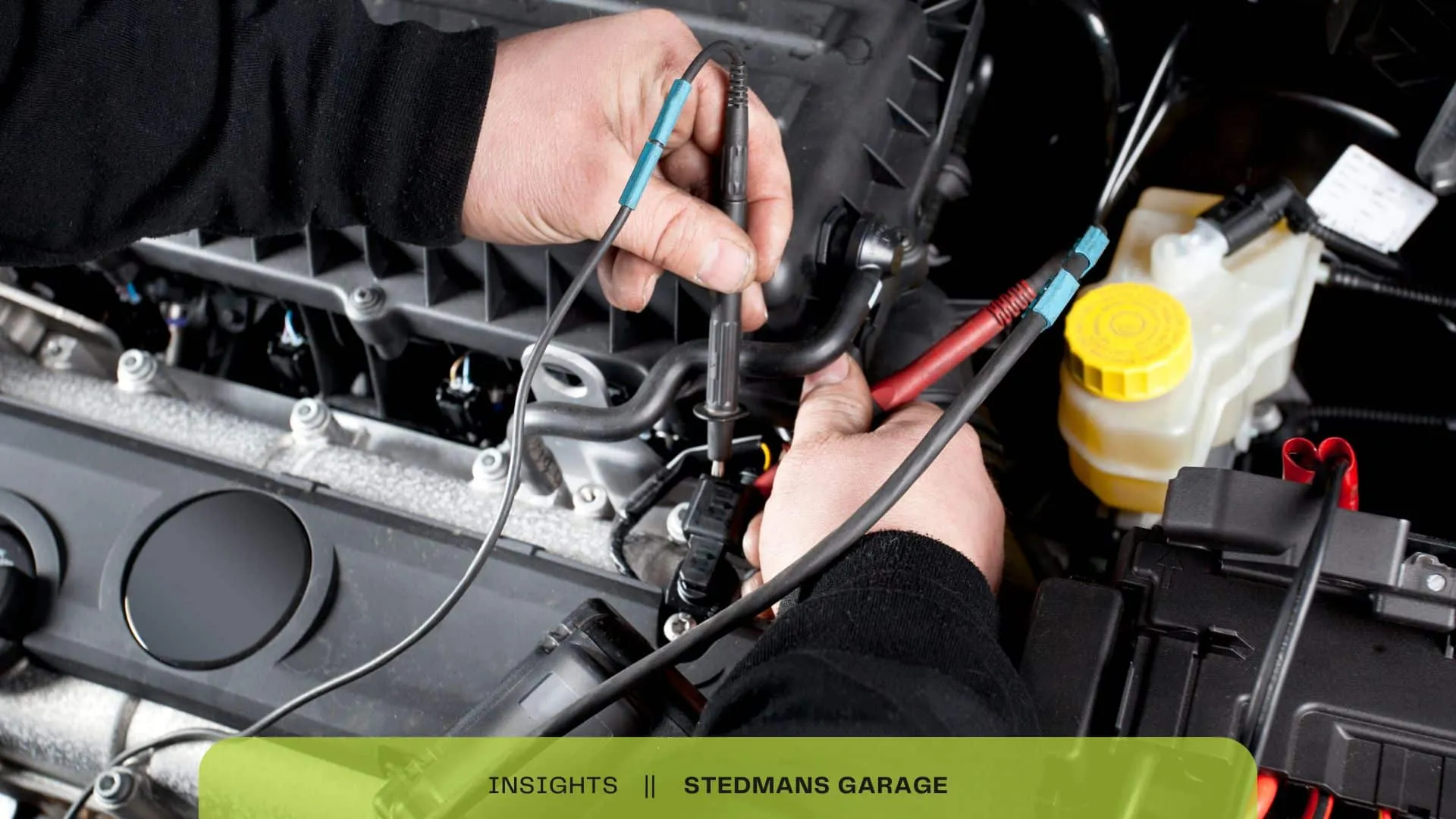
Electrical faults are malfunctions within a vehicle's electrical system, which may manifest as failures in battery functions, wiring issues, or sensor malfunctions. Unlike mechanical problems that involve moving parts, electrical faults revolve around circuits, connections, and components that require electrical current to operate.
Recognising these faults early is crucial, as they can lead to more significant issues if left unaddressed. For example, a simple battery issue can escalate into a complete electrical failure, leaving you stranded. Understanding the signs of electrical faults can save you time and money, allowing for timely repairs before they become catastrophic.
Importance of Early Recognition
Identifying electrical faults promptly is essential for several reasons:
- Preventing Further Damage: Early diagnosis can prevent minor issues from spiralling into costly repairs.
- Safety: Electrical faults may lead to hazardous situations, including vehicle fires or loss of control.
- Cost-Effectiveness: Addressing problems early often requires less time and fewer resources than waiting until the issue becomes severe.
By being proactive and aware of the electrical systems in modern vehicles, UK drivers can enhance their driving experience and safety.
Common Electrical Faults in Modern Vehicles

Battery and Charging System Issues
The battery and charging system are critical components of any vehicle’s electrical system. Common problems include:
- Dead Battery: Often caused by leaving lights on or a faulty alternator, leading to a vehicle that won’t start. Symptoms include dim lights or slow engine cranking.
- Alternator Failure: If the alternator is not charging the battery properly, you may notice warning lights on the dashboard or the battery dying frequently.
Diagnosis of Battery Issues
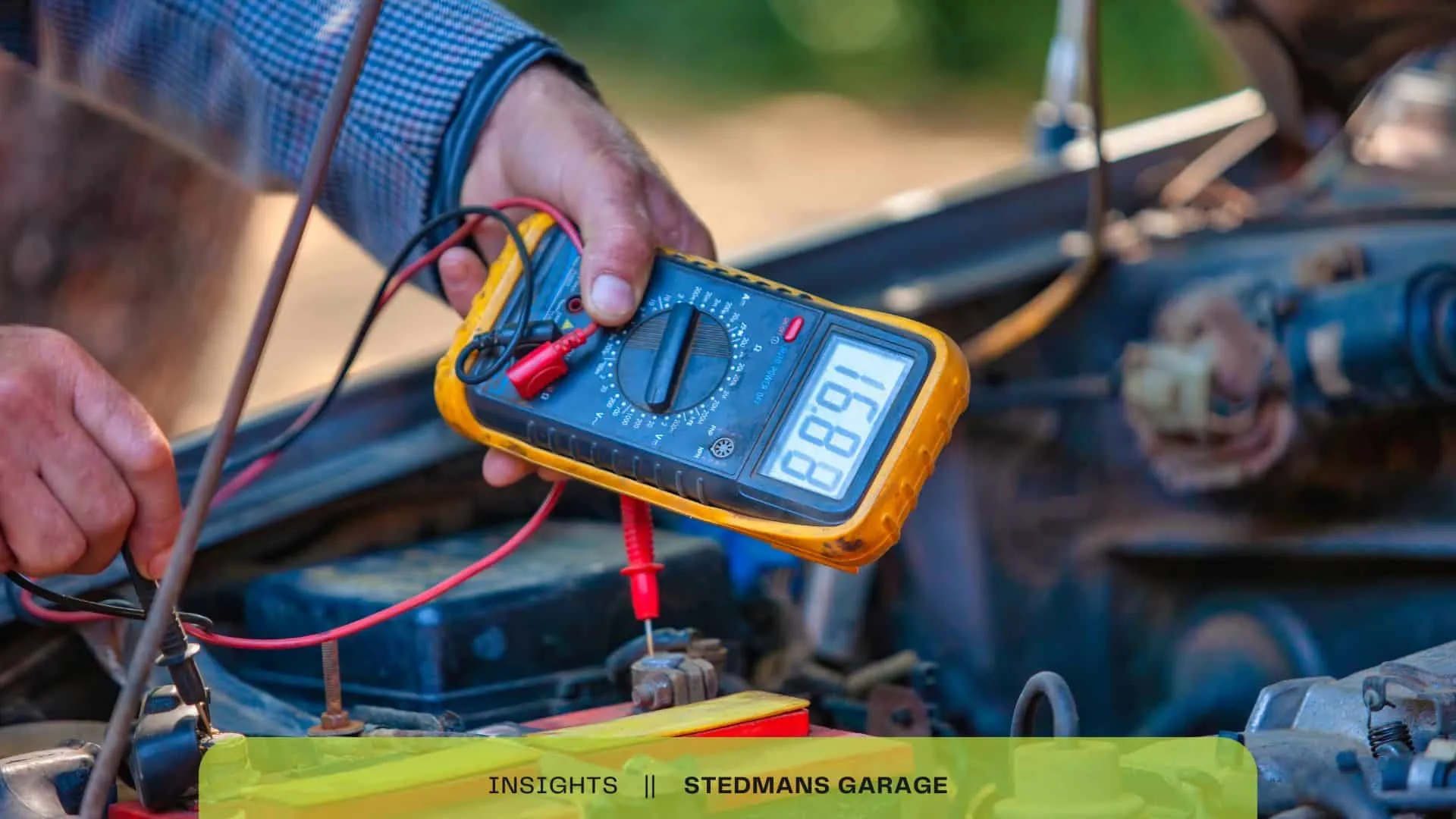
To diagnose these issues, check the battery voltage using a multimeter. A healthy battery should read between 12.4 and 12.7 volts when the engine is off. If the reading is lower, the battery may need recharging or replacement. Additionally, inspect the alternator by measuring the voltage while the engine is running; it should read between 13.8 and 14.5 volts.
Faulty Wiring and Connections
Wiring issues can lead to intermittent faults or complete failures of electrical systems. Common signs include:
- Flickering Lights: This may indicate poor connections or damaged wires.
- Electrical Short Circuits: This can cause certain components to stop working completely.
Diagnosis of Wiring Faults
To diagnose wiring issues, visually inspect wiring harnesses for signs of wear, corrosion, or damage. Using a multimeter to test continuity can help identify breaks in the circuit.
Sensor and Module Failures
Modern vehicles rely heavily on sensors and electronic control units (ECUs) to operate efficiently. Common failures include:
- Oxygen Sensors: These can affect fuel efficiency and emissions. Symptoms include poor fuel economy or a check engine light.
- ABS Sensors: Failures here can lead to warning lights and compromised braking performance.
Diagnosis of Sensor Failures
Using an OBD-II scanner, you can retrieve fault codes that indicate specific sensor issues. For example, a code related to the oxygen sensor will help pinpoint the problem, allowing for targeted repairs.
The Diagnostic Process for Electrical Faults
Steps for Diagnosing Electrical Faults
Diagnosing electrical faults in modern vehicles involves a systematic approach:
- Initial Inspection: Begin with a visual inspection of the vehicle's electrical components, including the battery, wiring, and connectors.
- Using Diagnostic Tools: Employ tools such as an OBD-II scanner to read fault codes. This will provide insights into where the problem may lie.
- Testing Components: Use a multimeter to test voltages and continuity in suspect areas.
- Isolating the Fault: Once you've identified a potential issue, isolate the faulty component by testing it against known good parts.
Example Diagnostic Scenarios
- Scenario 1: A vehicle won't start, and dashboard lights are dim. After testing the battery, you find it has a low voltage reading, indicating a need for charging or replacement.
- Scenario 2: A check engine light is on. Using an OBD-II scanner, you retrieve a code indicating an oxygen sensor problem, narrowing down your focus for repairs.
Repairing Electrical Faults: Techniques and Best Practices
Repair Techniques
When it comes to repairing electrical faults, several techniques can be employed:
- Soldering Wires: For broken connections, soldering can restore continuity in a wire. Ensure a clean, secure connection to prevent future faults.
- Replacing Components: If a component such as a sensor or relay fails, replacing it with a new part is often the best course of action.
- Using Wiring Harnesses: In cases where wiring is extensively damaged, replacing an entire wiring harness may be necessary.
Adhering to Safety Protocols
Safety is paramount when dealing with electrical systems. Always disconnect the battery before attempting any repairs to avoid electric shocks or short circuits. Ensure that you are familiar with UK regulations regarding automotive repairs to comply with safety standards.
Preventive Measures and Maintenance Tips
Regular Maintenance Checks
To prevent electrical faults, regular maintenance is key:
- Battery Maintenance: Regularly check battery terminals for corrosion and ensure secure connections.
- Wiring Inspections: Periodically inspect wiring harnesses for signs of wear or damage, especially in areas where they may rub against other components.
- Sensor Functionality: Test sensors regularly using diagnostic tools to ensure they are functioning correctly.
Tips Tailored to UK Conditions
Given the UK's unique climate, drivers should consider:
- Moisture and Corrosion: Regularly check for signs of rust or corrosion, particularly in coastal areas or during winter months when road salt is prevalent.
- Cold Weather Precautions: Cold weather can impact battery performance. Consider investing in a battery warmer or ensuring your battery is in good condition before winter.
Actionable Tips for Diagnosing and Addressing Common Electrical Issues
Here are some practical strategies for tackling common electrical problems:
- Check Battery Health:
- Inspect Wiring:
- Utilise Diagnostic Tools:
- Test Sensors:
- Regular Inspections:
Conclusion
Understanding and addressing electrical faults in modern vehicles is vital for every UK driver. By familiarising yourself with common issues, diagnostic processes, and repair techniques, you can ensure your vehicle operates safely and efficiently. Regular maintenance and proactive measures will also help prevent electrical faults from arising in the first place.
Remember, if you ever feel overwhelmed or uncertain about diagnosing or repairing electrical faults, don't hesitate to consult with a professional. Stay informed about your vehicle’s electrical system to ensure safety on the road, and drive with confidence knowing you have the knowledge to tackle electrical issues head-on.