
Understanding Electronic Control Units (ECUs) in Modern EVs
Definition and Evolution of ECUs
Electronic Control Units (ECUs) have experienced significant evolution from their initial roles as simple engine controllers to becoming sophisticated vehicle management systems. Originally, ECUs were designed primarily to manage ignition timing and optimise fuel-air mixtures for combustion efficiency in internal combustion engines (ICE). By the 1970s, ECUs expanded their roles to include control over fuel systems, ignition systems, throttle (drive-by-wire), turbocharger activities, and emission control.
However, in electric vehicles (EVs), the role of ECUs has extended far beyond these traditional functions. Modern ECUs manage complex systems such as battery management, motor control, energy regeneration, and thermal management systems. This expansion has necessitated the incorporation of advanced microprocessors and sophisticated algorithms to ensure optimal vehicle operation.
The Role of ECUs as the 'Brain' of Electric Vehicles
ECUs in EVs serve as the 'brain', overseeing and regulating various subsystems to ensure everything operates harmoniously. They process input from numerous sensors around the vehicle and execute necessary actions based on real-time data. For example, the automatic emergency braking ECU interprets sensor data to determine when to activate brakes to prevent a collision. Similarly, ECUs manage airbag deployment based on passenger seating and collision specifics.
This centralised control is essential in modern vehicles, where seamless integration of various subsystems (such as engine control, safety protocols, emergency braking, and keyless entry) is crucial. In effect, ECUs are indispensable for the efficient operation and safety of contemporary electric vehicles.
Utilisation of Multiple ECUs in Modern EVs
Modern EVs utilise a substantial number of ECUs, typically ranging from 80 to 150 units per vehicle. These ECUs are distributed throughout the car, each responsible for specific tasks. For instance, there are dedicated ECUs for air conditioning, radio, safety features, fuel, keyless entry, and more.
Each ECU has a distinct role, enabling the vehicle to function seamlessly. This multiplicity is essential due to the complexity and sophistication of modern EVs. Beyond managing engine-related operations, ECUs now handle broader functions related to comfort, convenience, and most importantly, safety. The multiplicity of ECUs represents the growing reliance on software and electronics for the integrated functioning of the car's myriad systems.
The progression of ECUs reflects the broader advancements in vehicle technology. Their evolution continues, encompassing new domains like artificial intelligence and machine learning, ensuring the continued enhancement of EV performance, safety, and functionality. This ongoing transformation promises significant advancements in the future of electric vehicles.
Core Functions and Capabilities of EV Control Units
Management of Critical Vehicle Operations
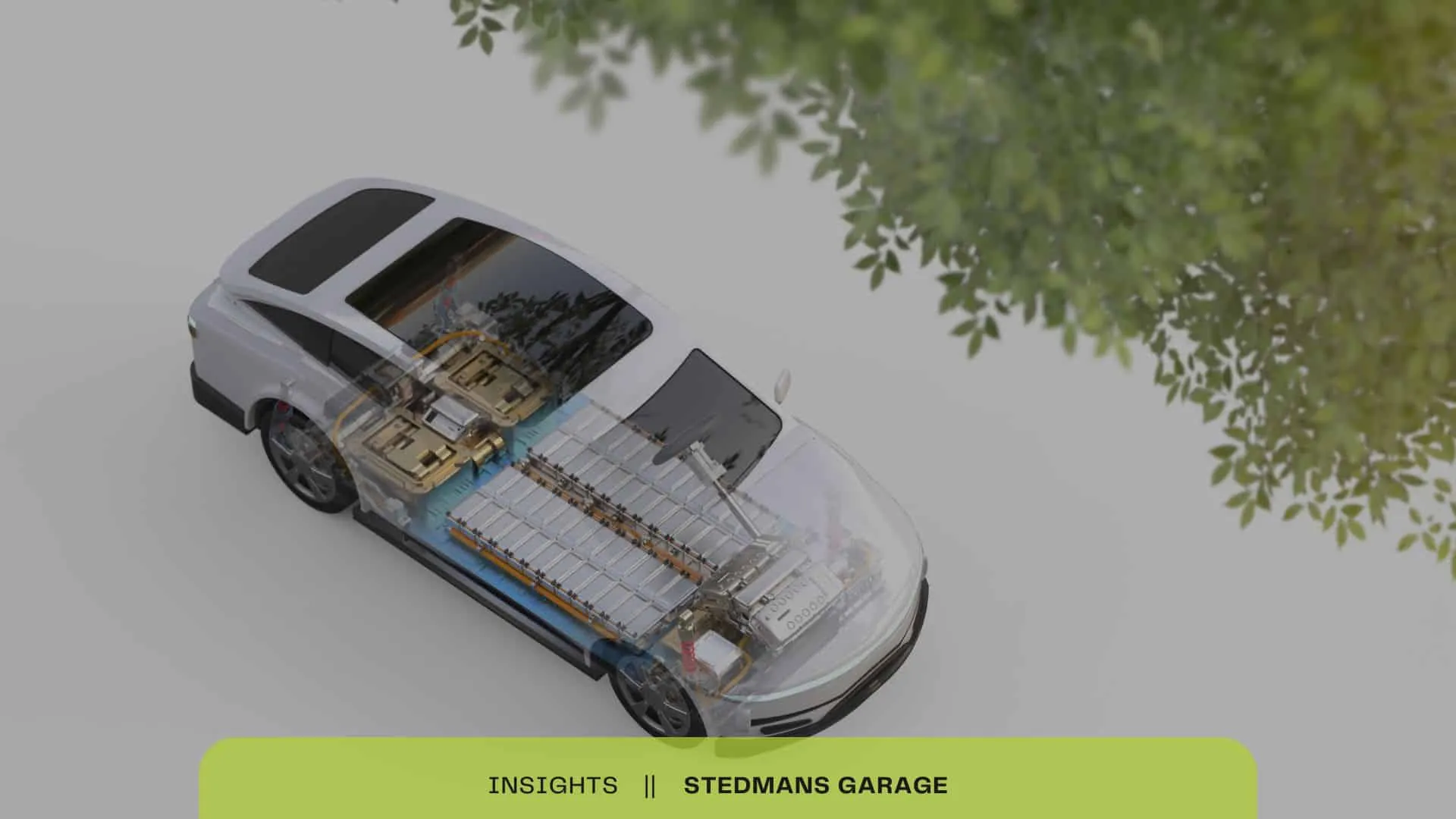
Electronic Control Units (ECUs) serve as essential components in electric vehicles (EVs) by managing and optimising critical vehicle operations such as motor control, power distribution, and battery management. An ECU is responsible for precisely regulating the electric motor's performance, ensuring smooth acceleration, and assessing power requirements in real-time. The ECU maintains the efficiency and safety of the vehicle by balancing power distribution between the battery and the electric motor.
Battery management is another vital function where ECUs continuously monitor the battery's state of charge and state of health. By overseeing the battery's charging and discharging cycles, along with protective measures against overheating and overcharging, the ECU acts as the brain of the battery. This meticulous management ensures the longevity and optimal performance of the battery, which is crucial for the overall efficiency and safety of the EV.
Real-time Processing of Sensor Data
ECUs are equipped with sophisticated sensors distributed throughout the vehicle, continuously capturing data on various parameters including speed, acceleration, temperature, and battery status. This sensor data, processed in real-time by the ECU, allows the system to make instantaneous adjustments to optimise vehicle performance.
For instance, ECUs ensure efficient energy usage by adjusting motor output based on driving conditions and driving habits. Additionally, these units use real-time data to monitor and regulate electrical systems, ensuring seamless operation and enhanced efficiency.
Integration with Safety Systems
Safety is paramount, and ECUs play a critical role in the integration and implementation of various safety systems. In EVs, ECUs manage systems such as emergency braking and airbag deployment. Emergency braking systems rely on the ECU to receive sensor input about potential collisions. Upon detecting a high-risk scenario, the ECU precisely activates the braking mechanism to mitigate damage and enhance passenger safety.
Airbags and supplemental restraint systems are also regulated by ECUs. In the event of a collision, the ECU processes sensor data about impact severity and location to deploy airbags in the appropriate areas, ensuring maximum protection for vehicle occupants.
The integration of ECUs within EVs has not only boosted performance and efficiency but also significantly enhanced safety features. As technology advances, the capabilities of ECUs will continue to grow, driving further improvements in vehicle performance and safety.
Communication Protocols and System Integration
Key Communication Protocols
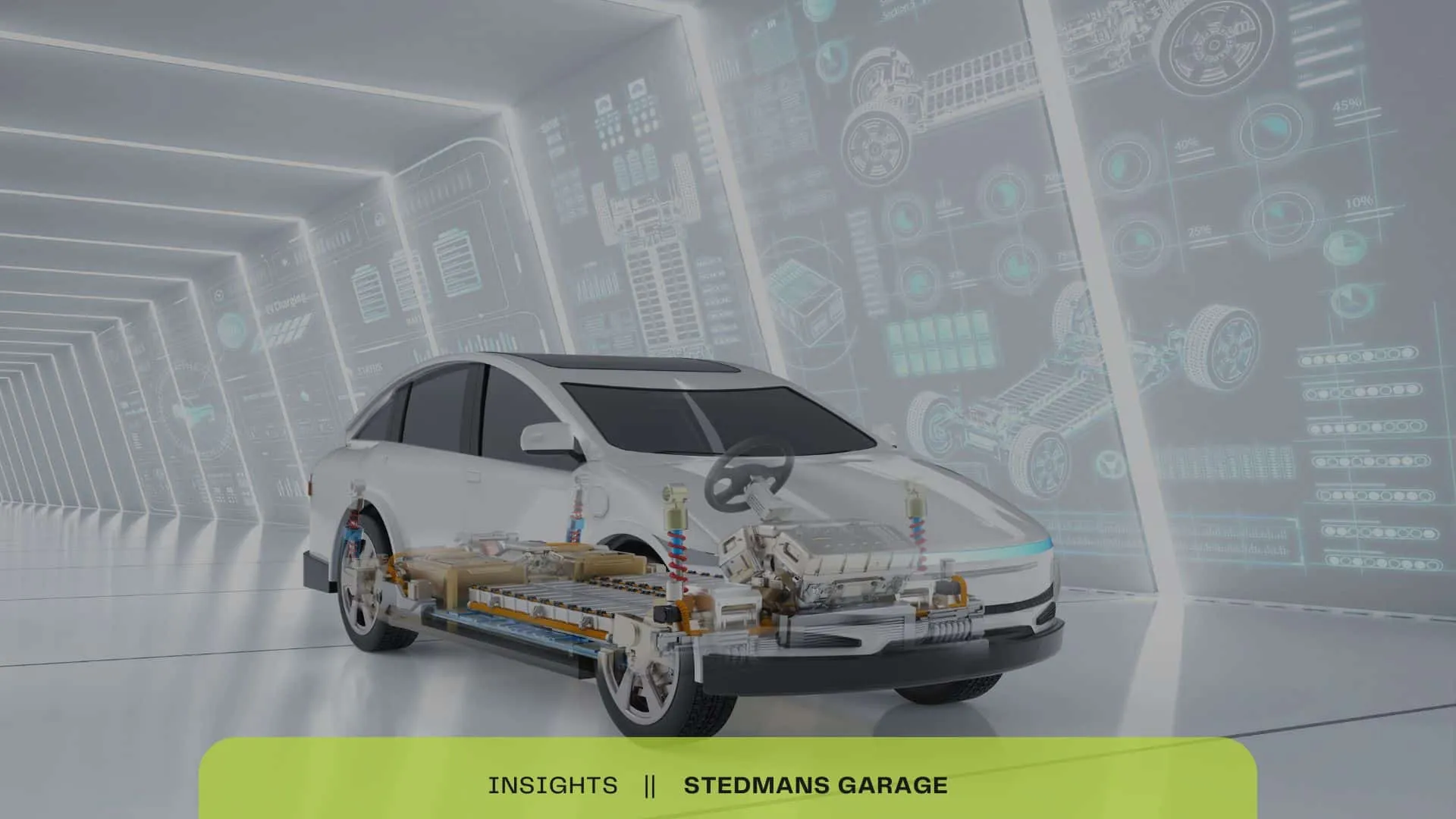
Modern electric vehicles (EVs) utilise a variety of communication protocols to ensure seamless data exchange between numerous electronic control units (ECUs) and subsystems. These protocols include the Controller Area Network (CAN), Local Interconnect Network (LIN), FlexRay, Media Oriented Systems Transport (MOST), and Ethernet.
- Controller Area Network (CAN): The CAN bus is the backbone of automotive communication, allowing ECUs to exchange data efficiently. It is widely recognised for its robustness and reliability in transmitting messages across various vehicle modules.
- Local Interconnect Network (LIN): LIN is used for lower-speed communications, typically for connecting ECUs to sensors and actuators. It operates on a master-slave principle, where one master node can govern up to 15 slave nodes, ensuring efficient communication.
- FlexRay: FlexRay is designed for high-speed and high-reliability communication, especially critical in safety systems like anti-lock braking and electronic stability control. It supports deterministic data transfer, providing a key advantage over CAN.
- Media Oriented Systems Transport (MOST): MOST is utilised for in-car multimedia networks, enabling high-quality audio and video data transfer. It is vital for infotainment systems where large amounts of data need to be shared seamlessly.
- Ethernet: Automotive Ethernet supports high-bandwidth communication required for advanced driver-assistance systems (ADAS) and autonomous driving technologies. It offers flexibility and scalability for data-intensive applications.
ECU Communication with Subsystems
The ECUs are connected via these protocols across multiple communication buses. Each ECU can read or send data to other ECUs, creating a network where information flow is continuous and optimised for vehicle performance. For example, a body control module (BCM) may use LIN to communicate with a rain sensor, while infotainment ECUs use CAN and MOST for audio management.
Sensor integration is crucial, with sensors sending signals to ECUs in defined time slots through current modulation. This ensures real-time data collection and adaptation, enhancing both vehicle performance and safety.
Role of OCPP in Charging Station Communication and Management
The Open Charge Point Protocol (OCPP) plays a pivotal role in EV charging station management. OCPP is a global standard that enables communication between EV charging stations and backend management software, known as Charge Point Management Systems (CPMS). This interoperability ensures that different charging stations and networks can operate harmoniously, offering scalability and flexibility to EV infrastructure.
OCPP allows for the seamless integration of any EV charger with any charging network, provided they support the protocol. This ensures that EV owners have a consistent experience, regardless of the chargers they use, enhancing the overall efficiency and user-friendliness of EV charging networks.
This intricate web of communication protocols and system integration ensures that EVs operate efficiently, safely, and reliably. The real-time data exchange facilitated by these protocols is fundamental to the optimisation of vehicle dynamics, energy management, and safety mechanisms. This advanced communication infrastructure supports the growing complexity and sophistication of modern EVs.
Advanced Safety Features and ADAS Integration
Implementation of Advanced Driver-Assistance Systems through ECU Networks
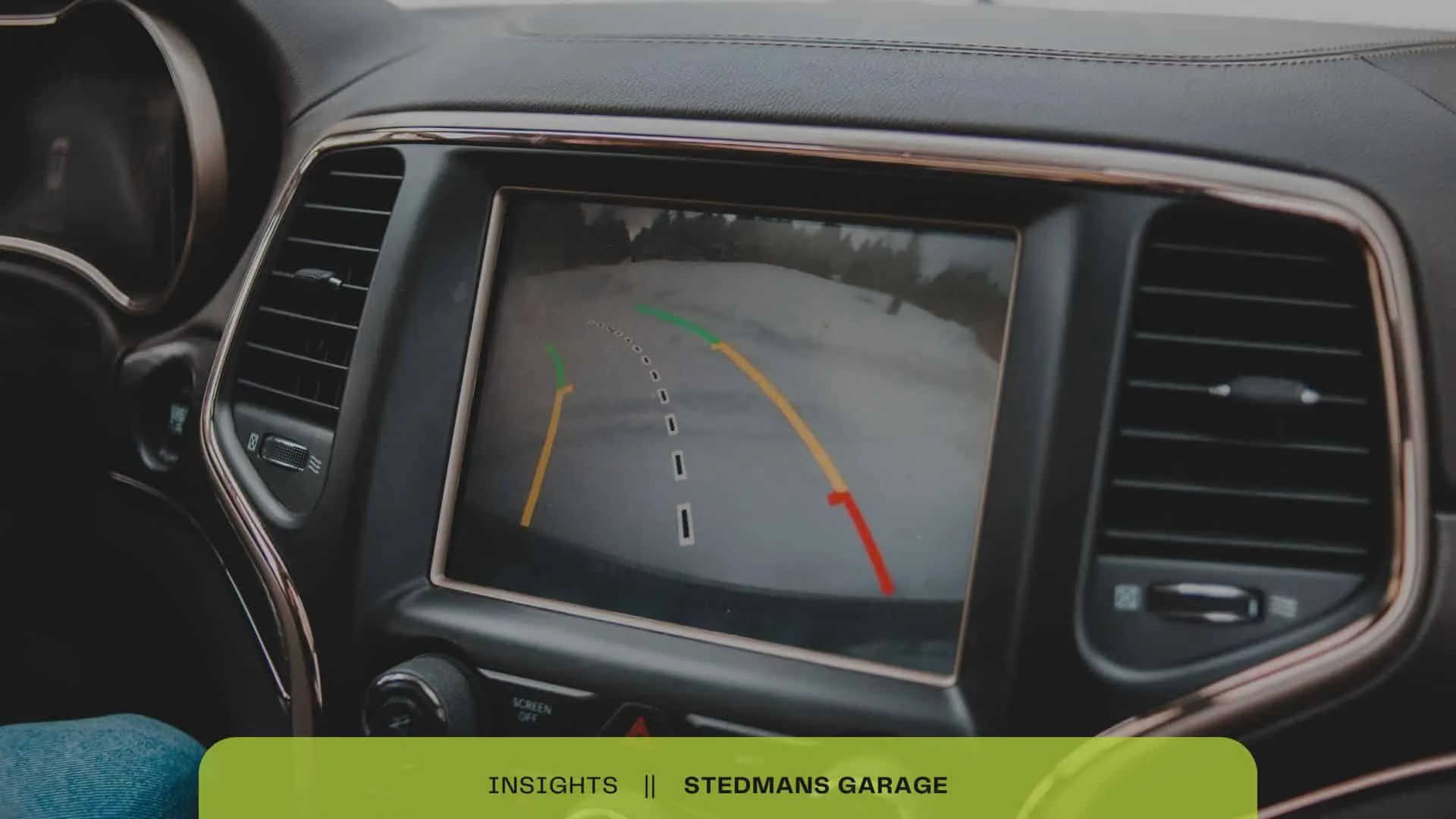
The integration of advanced driver-assistance systems (ADAS) in electric vehicles (EVs) has fundamentally transformed automotive safety and performance. At the core of these advancements are electronic control units (ECUs), which serve as the network through which various ADAS features operate. ECUs facilitate real-time data processing and communication between sensors, cameras, and other vehicle systems, ensuring seamless execution of safety protocols.
ADAS in modern EVs encompass a myriad of features designed to aid drivers and enhance vehicle safety. These systems include automatic emergency braking, pedestrian detection, lane-keeping assistance, and adaptive cruise control. Each of these features heavily relies on ECUs to process data and execute appropriate responses quickly.
Real-Time Monitoring and Response to Safety-Critical Situations
One of the key capabilities of ECUs in ADAS is real-time monitoring and response to safety-critical situations. ECUs receive continuous input from various sensors, including radar, lidar, cameras, and ultrasonic sensors, that monitor the vehicle's surroundings. For instance, the ECUs can detect imminent collisions using data from forward-facing cameras and radar systems. Upon detecting a threat, the ECU can activate the automatic emergency braking system to prevent or mitigate an accident.
Additionally, ECUs play a significant role in features like adaptive cruise control and lane-keeping assistance. These systems require constant adjustments based on real-time data. ECUs process this data to maintain safe distances between vehicles, keep the EV within lane boundaries, and adjust speed as needed to match traffic conditions. This integration ensures a higher level of safety and driver convenience.
Integration of Sensors and Cameras for Automated Safety Features
The advanced integration of sensors and cameras has enhanced the functionality of ADAS in EVs. ECUs are essential in synthesising data from these inputs to create a comprehensive understanding of the vehicle's environment. Cameras provide visual data, radar offers distance measurement, and lidar supplies precise spatial awareness.
This sensor fusion process allows ECUs to deliver critical safety features such as blind-spot monitoring, traffic sign recognition, and pedestrian detection. For instance, when a pedestrian is detected in the vehicle's path, ECUs can process this information and prompt emergency braking, significantly reducing the risk of an accident.
Moreover, the use of inertial measurement units (IMUs) integrated with mapping data enhances the precision of these systems, ensuring that the EV operates safely even in complex environments.
The continuous evolution of ECUs and their integration with ADAS heralds a future where vehicles become safer, more efficient, and capable of semi-autonomous and eventually fully autonomous operation. This foundational technology is instrumental in the ongoing transformation of the automobile industry.
As ECUs evolve, their reliance on sophisticated software, AI, and machine learning will further enhance their capabilities, paving the way for smarter, safer, and more connected vehicles.
Future Trends and Technological Advancements
Integration of AI and Machine Learning in ECU Operations
Artificial Intelligence (AI) and machine learning (ML) are revolutionising the capabilities of Electronic Control Units (ECUs) in electric vehicles (EVs). By leveraging these technologies, ECUs can process vast amounts of data in real-time, thus enabling highly adaptive and predictive functionalities.
One major advantage of AI integration is the ability to enhance the efficiency and performance of EVs. For instance, AI algorithms can analyse driving patterns, environmental conditions, and vehicle dynamics to provide personalised energy efficiency recommendations to drivers. This not only optimises battery usage but also improves the overall driving experience.
Moreover, machine learning plays a crucial role in the enhancement of Advanced Driver-Assistance Systems (ADAS). These systems benefit from real-time data processing, which allows the vehicle to make instantaneous decisions and enhance safety. AI-based ADAS can predict and avoid potential accidents by processing data from multiple sensors and cameras.
Enhanced Connectivity Features for Smart City Infrastructure Integration
The rise of smart cities is closely intertwined with advancements in EV technology. ECUs equipped with Vehicle-to-Everything (V2X) communication capabilities are pivotal in integrating EVs into smart city infrastructures. These systems enable vehicles to communicate with traffic lights, road signs, and even pedestrians, thus reducing traffic congestion and improving overall safety.
Charging infrastructure is another critical aspect. Charging stations in smart cities are not just power points but are integrated into a complex network for optimal energy management. They provide real-time data on charging status, availability, and battery conditions to both users and city planners. This integration supports efficient energy use and ensures that the grid can accommodate the increasing number of EVs.
Development of More Sophisticated ECU Software for Autonomous Driving Capabilities
As the automotive industry moves towards full autonomy, the role of ECUs becomes even more critical. Autonomous driving ECUs (AD-ECUs) are responsible for gathering and processing immense amounts of data from sensors, cameras, and radars. This data is utilised to make real-time driving decisions, including route planning, obstacle detection, and manoeuvre execution.
The software used in these ECUs must be robust and capable of handling complex algorithms. Platforms like OpenECU provide automotive ECU application software that is crucial for developers to design and model control applications. The enhanced software capabilities are driving the development of more intelligent and autonomous vehicles, thus transforming the future of mobility.
Challenges and Opportunities in ECU Development
Addressing Complexity in Managing Multiple ECU Systems
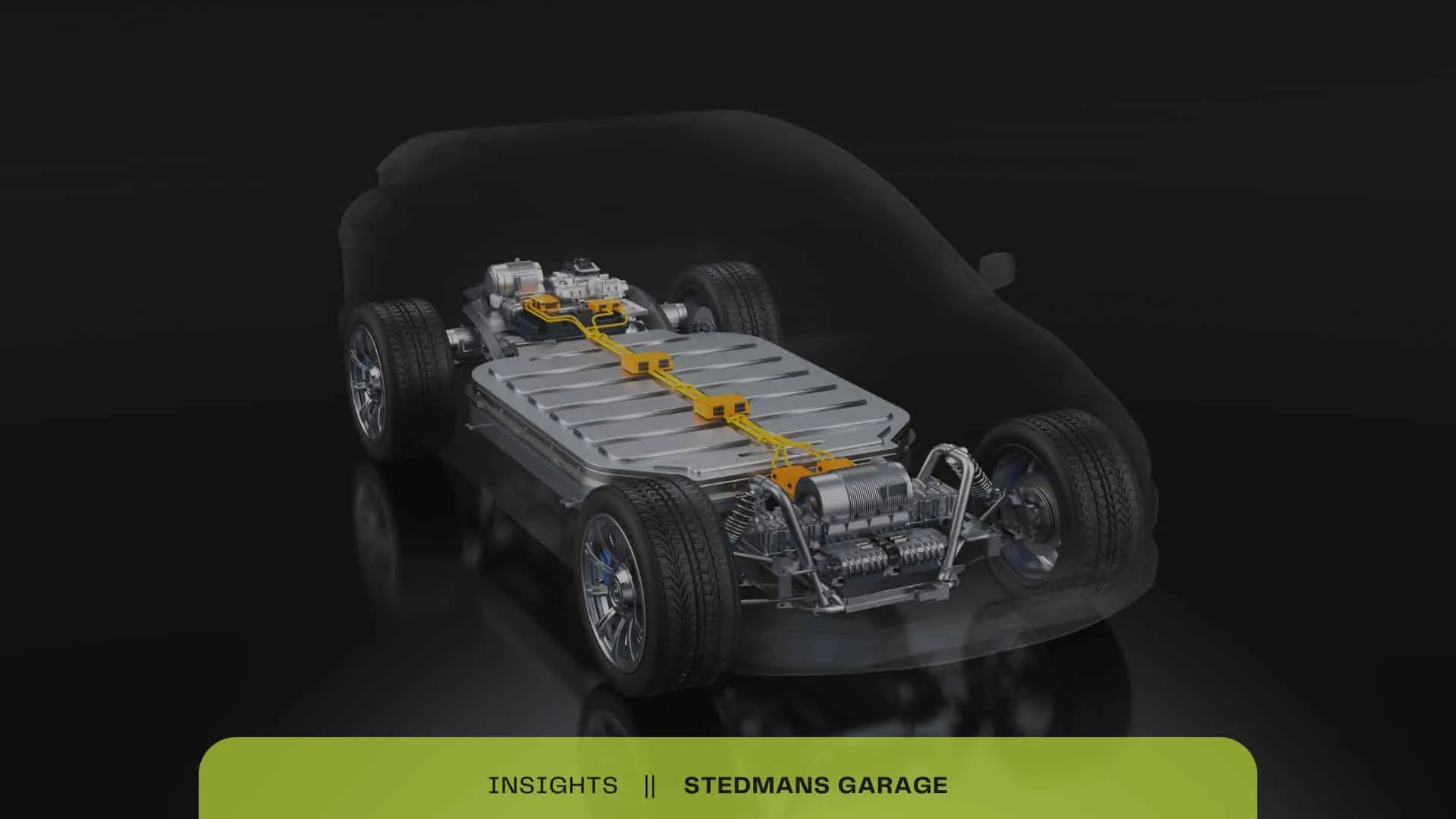
In modern electric vehicles (EVs), the integration of numerous ECUs poses significant management challenges. Traditionally, vehicles employed a distributed ECU architecture, where each ECU performed specific functions independently. However, this model is becoming inefficient as the number and complexity of ECUs increase. Managing more ECUs entails higher costs, additional components, and increased weight, which can adversely affect vehicle efficiency and performance. Automakers are transitioning towards more efficient domain- or zone-based ECU architectures. These systems group related functionalities, reducing the number of wiring harnesses and overall vehicle weight, thus enhancing performance and energy efficiency.
Balancing Processing Power Requirements with Energy Efficiency
Balancing the substantial processing power required by modern ECUs with the need for energy efficiency is a critical challenge. EVs rely on high-performance microcontrollers (MCUs) within their ECUs to handle complex tasks, including real-time sensor processing, vehicle control, and safety functionalities. These advanced MCUs often feature multiple cores and high clock speeds, enabling them to manage intricate workloads. However, this also leads to increased power consumption. Innovations in embedded memory technology and optimised code can help mitigate some of these energy demands by enhancing processing efficiency and reducing reliance on power-consuming operations.
Meeting Increasing Demands for Sophisticated Vehicle Control and Automation
The automotive industry is experiencing growing demands for sophisticated vehicle control and increased levels of automation. Modern vehicles are equipped with advanced driver-assistance systems (ADAS) and are moving towards fully autonomous driving capabilities. To meet these demands, ECUs must integrate a variety of sensors, cameras, and AI-enabled systems. This integration involves the development of new software-driven functionalities, which require greater computational capabilities and robust real-time processing. As the complexity of these systems increases, ECUs must also ensure seamless intercommunication and efficient energy use, presenting both a challenge and an opportunity for further innovation in ECU technologies.
This landscape creates ample opportunities for the integration of advanced technologies such as artificial intelligence, machine learning, and enhanced connectivity features. These advances can improve vehicle efficiency, adaptability to smart city infrastructures, and support the evolution of autonomous driving software. Addressing these challenges through innovation will not only enhance vehicle performance but also contribute to the broader adoption and success of electric vehicles.