
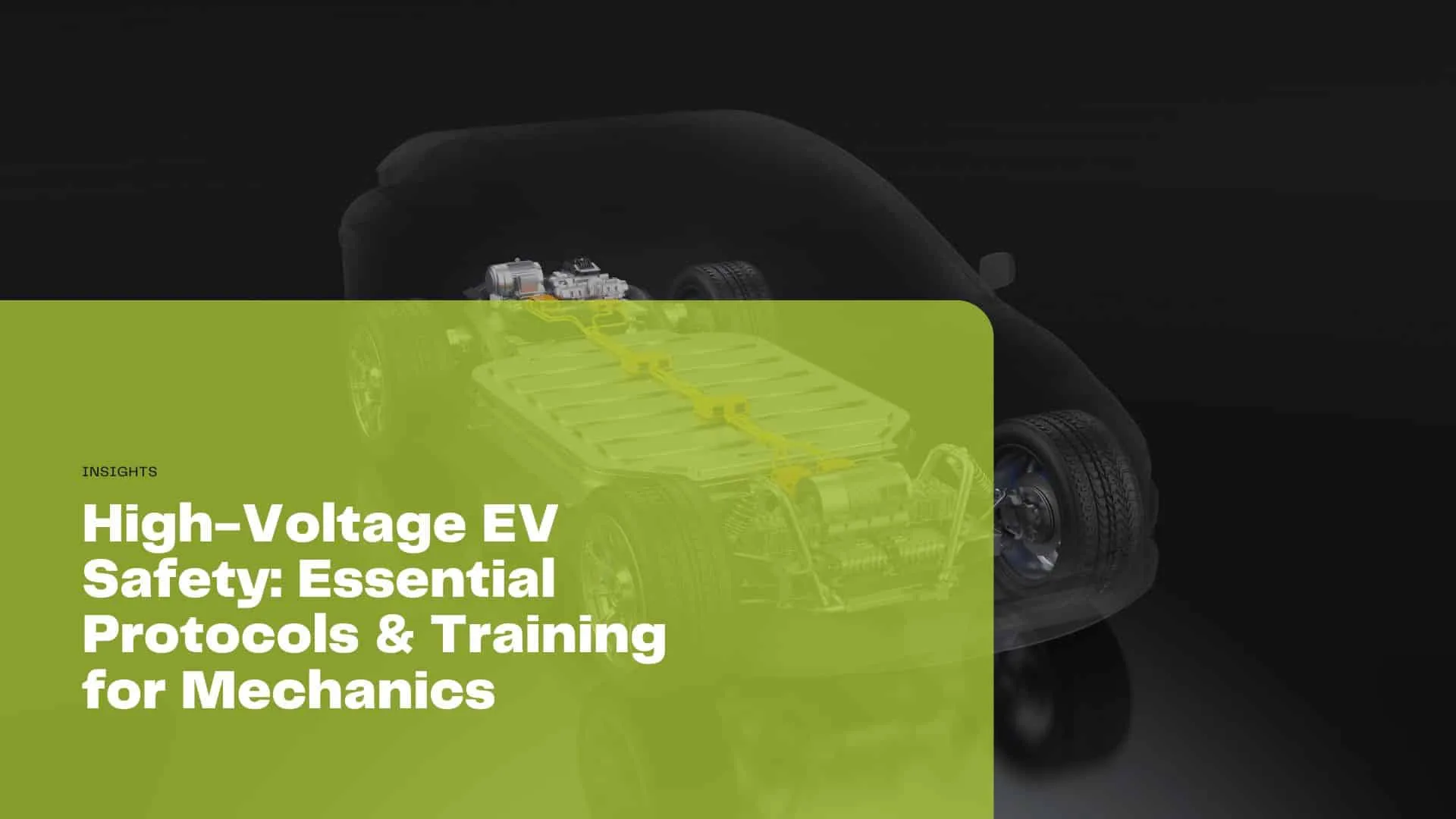
Understanding High-Voltage EV Systems
High-voltage systems in electric vehicles (EVs) are crucial components that operate with voltages exceeding 60V DC or 30V AC. According to ISO 6469-3, these systems are classified as voltage class 'B', with practical applications typically ranging from 60V DC to 1500V DC or 30V AC to 1000V AC. Most high-voltage systems in EVs operate within the range of 300V to 800V, although this range continues to expand as technology progresses.
Identification of High-Voltage EV Components and Orange Cable Coding
A key identifier of high-voltage components in EVs is the use of orange cables. These high-voltage cables pose significant risks; therefore, the orange coding serves as an immediate visual warning of danger. This safety measure ensures that technicians, first responders, and vehicle owners are aware of potential hazards. High-voltage components within the vehicle’s systems also feature warning stickers and labels indicating their status.
Potential Risks and Hazards Associated with High-Voltage Exposure
Working with high-voltage systems carries inherent risks that must be managed to ensure safety. High-voltage exposure can lead to severe or fatal electric shocks, which may occur from direct contact with live parts or as a result of arcing, where electricity jumps across a gap. Moreover, high-voltage batteries can store substantial amounts of energy, presenting risks of explosions and fires if damaged or improperly handled. Even when the vehicle is powered down, certain components may retain dangerous voltages, necessitating specific discharge procedures to ensure safety.
High-voltage systems in EVs also pose thermal hazards. Direct faults or short circuits in the battery can lead to thermal runaway, generating excessive heat and potentially igniting. Advanced cooling systems and battery management systems are essential measures to mitigate these risks.
Essential Personal Protective Equipment (PPE)
Working with high-voltage systems in electric vehicles (EVs) necessitates strict safety measures to protect technicians from electrical hazards. Personal Protective Equipment (PPE) is vital in ensuring the safety of those handling high-voltage systems. This section details the necessary safety gear and its proper use.
Overview of Required Safety Gear
The essential PPE for handling high-voltage EV systems includes insulating gloves, safety goggles, and non-slip boots.
- Insulating Gloves: These gloves protect against electric shock by providing a barrier between the technician and any high-voltage components.
- Safety Goggles: Eye protection is crucial to prevent injury from electrical arcs and other projectiles that may occur during maintenance or repair.
- Non-Slip Boots: Boots with non-slip soles are essential for stable footing and to prevent slips or falls, especially in high-risk environments.
Selection and Inspection of Class 0 Rubber Gloves
Class 0 rubber gloves, rated for up to 1,000 volts AC, are essential for high-voltage work. Here is a guide to their proper selection and inspection:
Selection:
- Ensure that the gloves meet regulatory standards and are classified as Class 0.
- They should provide a comfortable fit without compromising dexterity, allowing for precise movements.
Inspection:
- Inspect the gloves before each use for any signs of damage such as cuts, punctures, or abrasions. Even a small defect can render the gloves ineffective.
- Inflate the gloves slightly and listen for leaks, indicating a breach in the glove's integrity.
- Regularly test the gloves with an appropriate electrical test device to ensure their protective capabilities are intact.
Importance of Protective Outer Leather Gloves
Wearing protective outer leather gloves over insulated gloves offers several additional benefits:
- Mechanical Protection: Outer leather gloves shield the rubber insulating gloves from physical damage such as cuts and abrasions, which can compromise their effectiveness.
- Enhanced Grip: Leather gloves provide a better grip, essential for safely handling tools and high-voltage components, particularly in environments where hand dexterity is critical.
- Additional Insulation: While the primary function is mechanical protection, leather gloves add an extra layer of insulation, further reducing the risk of accidental electric shock.
Strict adherence to these guidelines ensures that the PPE used in high-voltage environments is always capable of providing the needed protection. Proper training and consistent safety practices are crucial in maintaining a secure working environment.

Required Tools and Testing Equipment
Selection of Appropriate CAT III or CAT IV Rated Digital Multimeters
When working with high-voltage systems in electric vehicles (EVs), selecting the right digital multimeter is crucial. CAT (Category) ratings are essential to ensure the multimeter can handle the transient voltages and surges associated with high-voltage environments. A CAT III rating is suitable for distribution wiring, while CAT IV provides the highest level of protection at the utility connection point. For example, a CAT III 1000V meter offers better protection than a CAT III 600V meter, ensuring enhanced safety.
Specialised Insulated Hand Tools and Voltage Testers for High-Voltage EV Work
Insulated hand tools are vital for safely handling high-voltage components. These tools, encased in non-conductive materials such as rubber or plastic, protect against electrical shocks and are rated for up to 1,000V AC or 1,500V DC.
Common Insulated Hand Tools Include:
- Pliers: Types such as lineman's pliers, diagonal-cutting pliers, and long-nose pliers.
- Screwdrivers: Available in various head types, like flat-head and Phillips.
- Wrenches: Including box-end, open-end, and combination wrenches.
- Sockets and Ratchets: Essential for various electrical connections.
These tools must be regularly inspected for signs of wear and tear that might compromise their insulating capabilities.
Voltage testers, such as two-pole voltage testers, are also essential tools. They should be rated at least CAT III to ensure they can safely withstand surges common in high-voltage environments.
Battery Handling Equipment and Testing Instruments Like Insulation Testers
Handling EV batteries requires specialized equipment designed to manage their weight and high energy content. Battery lifts with appropriate weight ratings allow for safe removal and installation of vehicle batteries.
Key Battery Handling Equipment and Testing Instruments:
- Insulation Testers: Used for measuring the insulation resistance of high-voltage components, ensuring that insulation has not degraded over time.
- Milliohm Meters: Crucial for assessing low resistance connections, such as the internal resistance of batteries.
Battery testing also includes evaluating thermal stability, mechanical robustness, and electrical performance through dedicated test chambers and instruments. This comprehensive testing ensures that EV batteries can withstand the demands of real-world use and maintain safety standards.
Having the correct tools and equipment is integral to ensuring safety and efficiency while working on high-voltage systems in EVs. Regular inspection and maintenance of these tools will further contribute to creating a safe working environment.
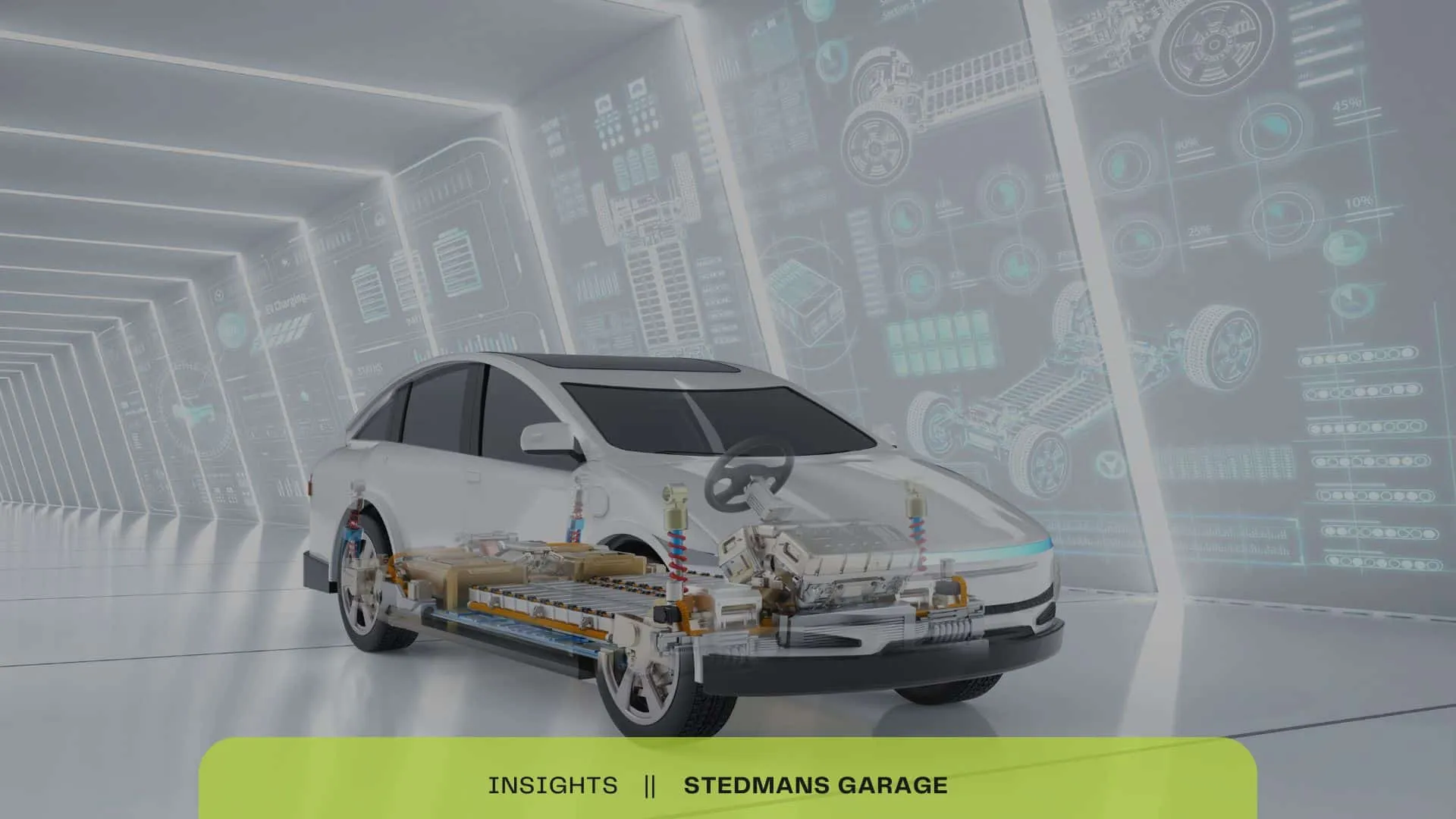
Standard Operating Procedures for High-Voltage EV Isolation
Ensuring the safety of EV mechanics starts with practising robust standard operating procedures for high-voltage isolation. This section outlines the necessary steps to safely power down, verify zero voltage, and observe mandatory waiting periods for system discharge.
Safe Power Down and Isolation of High-Voltage Systems
The first step in working with high-voltage systems is to safely power down the vehicle. Each electric vehicle (EV) may have specific procedures per the manufacturer's guidelines, but the general process includes the following steps:
- Disconnect the 12V Battery: Begin by disconnecting the vehicle's conventional 12V lead-acid battery to prevent any accidental activation of the high-voltage system.
- Locate the Service Disconnect: Each EV has a high-voltage service disconnect, often a removable device. Refer to the OEM manual for the exact location and method of disconnecting it.
- Remove High-Voltage Fuses: Carefully remove high-voltage fuses to ensure the disconnection of circuits that could carry high voltage.
- Isolation of the High-Voltage Battery: Follow the manufacturer’s instructions to isolate the high-voltage battery entirely, often involving the use of specialized tools and may include physically removing key connections.
Verification of Zero Voltage
Once the high-voltage system is powered down, it is crucial to verify that there is zero voltage within the system before beginning work.
- Use Appropriate Measurement Tools: Employ a CAT III or CAT IV rated digital multimeter capable of measuring high voltages to verify that the high-voltage lines are indeed de-energised.
- Check Across Terminals: Measure the voltage across the terminals of the high-voltage battery and other components to ensure no residual electricity remains.
- Confirm Zero Potential: Continuously confirm that all high-voltage points show zero potential to avoid any risks of electrical shock.
Mandatory Waiting Periods for System Discharge
Even after power-down, it is critical to observe mandatory waiting periods for the system to discharge. High-voltage components can retain power for a certain period, posing a risk if handled immediately.
- Recommended Waiting Time: Manufacturers typically recommend waiting for up to ten minutes after disconnection to ensure that capacitors and other storage elements have fully discharged.
- Heed OEM Recommendations: Refer to the original equipment manufacturer (OEM) guidelines for the exact duration required for each specific vehicle model, as some may suggest longer periods.
Ensuring Complete Isolation
Once the system has powered down and the mandatory waiting period has lapsed:
- Lock-out/Tag-out Procedures: Apply lock-out/tag-out devices to ensure that the high-voltage components remain isolated during the entire repair process, preventing accidental reconnection.
- Double Verification: As part of a conservative approach to safety, double-check all systems and follow a checklist to verify that all isolation protocols have been successfully implemented.
Observing these standard operating procedures for high-voltage isolation is fundamental to maintaining a safe work environment. Following these steps meticulously ensures that mechanics can operate without the hazard of high-voltage electric shock, allowing them to focus securely on the task at hand.
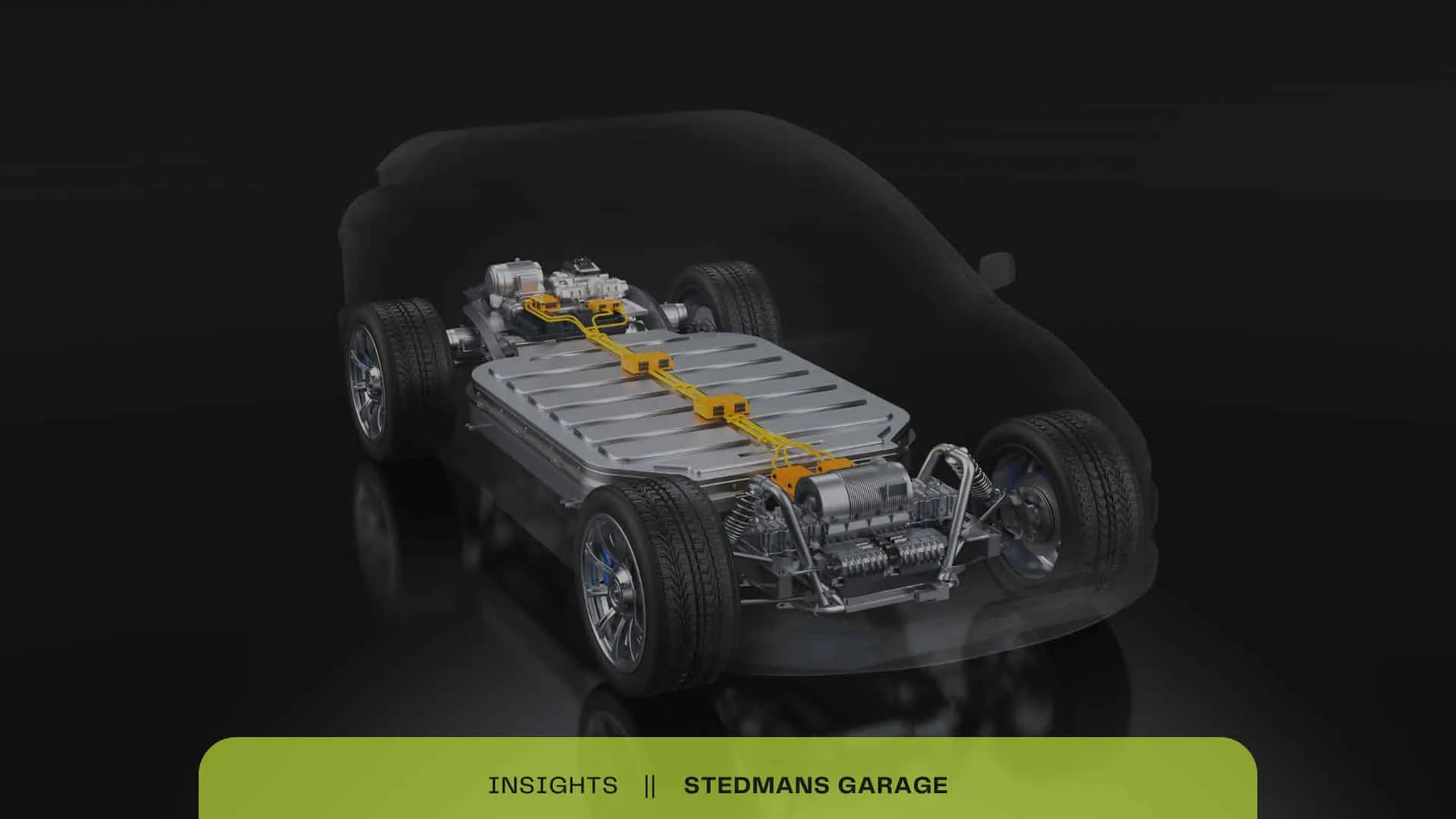
Workplace Safety Protocols and Regulations
Implementation of Safety Barriers and Warning Signage in Work Areas
Ensuring a safe workspace is paramount when working with high-voltage electric vehicle (EV) systems. The first step involves deploying physical safety barriers and prominent warning signs. These measures serve dual purposes: keeping unauthorised personnel away from hazardous areas and providing constant reminders to the working team about potential dangers.
Safety barriers should be robust and clearly marked with high-visibility tape or barricades, encompassing the entire work area where high-voltage tasks are performed. Warning signage, including hazard warnings, voltage indicators, and no-entry signs, should be placed at all access points and critical junctures within the work area. Consistent vigilance in maintaining these barriers and signs will ensure that the workspace is safe and that risks are minimised.
Compliance with Occupational Safety Standards and Regulations
Adhering to all relevant safety standards and regulations is non-negotiable when working with high-voltage EV systems. UK regulations, such as the Electricity at Work Regulations 1989, mandate comprehensive safety measures to protect workers from electrical hazards. Compliance involves regular safety audits, detailed risk assessments, and the implementation of robust safety policies.
EV mechanics must stay updated with evolving safety guidelines and practices. Many manufacturers of electric vehicles provide specific safety protocols and standards for handling their vehicles. Observing these manufacturer-specific guidelines not only ensures compliance but also enhances safety by addressing the unique configurations and risks associated with different EV models.
Emergency Response Procedures for Electrical Accidents
No safety protocol can eliminate the risk of accidents entirely. Therefore, having a well-structured and practiced emergency response plan is essential. Rapid and effective response can mitigate the consequences of electrical accidents and potentially save lives.
Immediate Response Actions
Upon encountering an electrical accident, the first step is to ensure that the power source is immediately isolated to prevent further harm. Utilising emergency shutdown procedures and disconnect switches is critical. Following this, it is essential to re-establish communication lines to indicate to all present personnel that an incident has occurred.
Medical Intervention
Administering first aid and seeking medical attention without delay is crucial. Personnel should be trained in first aid, specifically in procedures related to electrical injuries. This includes treatment for shock, burns, and the provision of CPR if necessary.
Reporting and Investigation
Accident incidents must be promptly reported to the appropriate regulatory bodies, followed by a thorough investigation. This includes documenting the cause of the incident, reviewing workplace protocols, and implementing corrective measures to prevent future occurrences.
Required Training and Certification
Overview of Necessary High-Voltage Certification Requirements
To work safely and effectively with high-voltage EV systems in electric vehicles (EVs), specialised certifications are indispensable. These certifications ensure that mechanics possess a comprehensive understanding of high-voltage components and systems, which are significantly different from traditional Internal Combustion Engines (ICEs).
One of the primary certifications for aspiring EV technicians is the Electric Vehicle Fundamentals (EVF) Certification. This credential provides a foundational understanding of electric vehicle technology, crucial for diagnosing and repairing high-voltage EV systems. This certification covers essential topics like battery technology, power electronics, and high-voltage safety protocols.
Moreover, many automotive service centres and dealerships require technicians to have specialised high-voltage electronics certifications. These certifications often involve intensive training courses and hands-on learning experiences, making mechanics proficient in safely handling complex electric drive systems.
Continuing Education and Specialised EV Training Programs
The landscape of electric vehicle technology is constantly evolving. Hence, ongoing education and training are crucial for maintaining and updating the knowledge and skills of EV mechanics. Various institutions offer specialised training programs designed to cater to the continuous learning needs of automotive professionals.
One significant pathway is enrolling in an associate degree in Electronic Vehicle Technology offered by community colleges. This program typically spans 1-2 years and covers in-depth knowledge of EV systems and hands-on training. Alternatively, trade schools offer shorter, intensive EV training courses ranging from 2 to 24 weeks, allowing a more expedited entry into the workforce while providing robust training.
Importance of Manufacturer-Specific Training for Different EV Models
Given the proprietary nature of high-voltage EV systems and components in different EV models, manufacturer-specific training is essential. Each manufacturer's EVs can vary significantly in design, technology, and safety protocols, necessitating targeted training.
For example, many Original Equipment Manufacturers (OEMs) have distinct certification programs tailored to their EV models. This training ensures that technicians are adept at troubleshooting and repairing specific vehicle systems accurately and safely. Such targeted learning is critical in understanding nuanced differences in high-voltage components and ensuring compliance with each manufacturer’s safety standards.
Furthermore, tailored programs from training partners are beneficial. These programs focus on the specific needs of companies' EV models and use cases, providing technicians with the precise knowledge required to maintain and repair particular types of vehicles effectively.
By prioritising manufacturer-specific training and continuous education, mechanics can stay abreast of the latest advancements in electric vehicle technology, ensuring they provide top-notch service and uphold high safety standards.
By understanding the imperative of comprehensive training and certifications, EV technicians can ensure their expertise remains relevant in this rapidly advancing field. This foundation sets the stage for further diving into critical safety protocols and standard operating procedures essential when handling high-voltage EV systems.

Conclusion
In conclusion, understanding and implementing high-voltage EV safety protocols is paramount for mechanics working with electric vehicles. By prioritising safety through proper training, the use of appropriate PPE, adherence to standard operating procedures, and consistent compliance with safety regulations, technicians can significantly reduce the risks associated with high-voltage EV systems. As the electric vehicle industry continues to evolve, ongoing education and manufacturer-specific training will remain crucial for maintaining high safety standards and ensuring the well-being of those involved in EV maintenance and repair.