
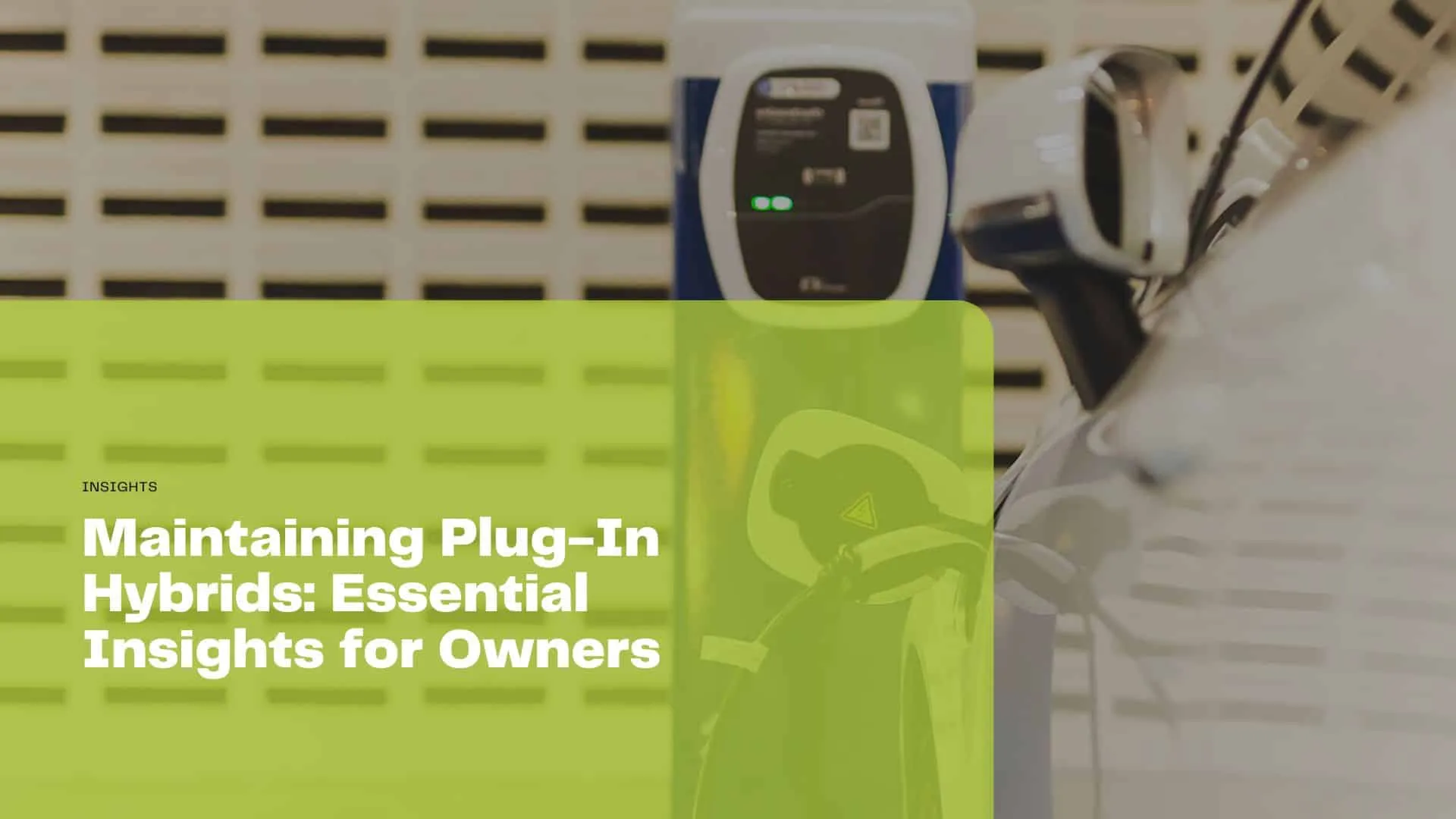
The automotive landscape is rapidly evolving, with plug-in hybrid vehicles (PHEVs) gaining significant traction among vehicle owners. As a bridge between traditional petrol or diesel cars and fully electric vehicles, plug-in hybrids present a unique combination of benefits, such as reduced emissions, improved fuel economy, and the flexibility provided by a petrol engine for longer journeys. However, to maximise these advantages, understanding the specific maintenance needs of plug-in hybrids is crucial. This blog will explore essential insights into plug-in hybrid maintenance, providing valuable tips for owners and potential buyers alike.
Overview of Plug-In Hybrids
What Are Plug-In Hybrid Vehicles?
Plug-in hybrid vehicles are equipped with both an internal combustion engine (ICE) and an electric motor. This dual system allows them to run on either power source or a combination of both. Unlike traditional hybrids, which primarily rely on the petrol or diesel engine and use regenerative braking to recharge the battery, plug-in hybrids can be charged via an external power source, such as a home charging station or public charging points. This capability to operate in electric-only mode for shorter trips while switching to the petrol engine for longer journeys offers remarkable flexibility for drivers.
Technology Behind Plug-In Hybrids
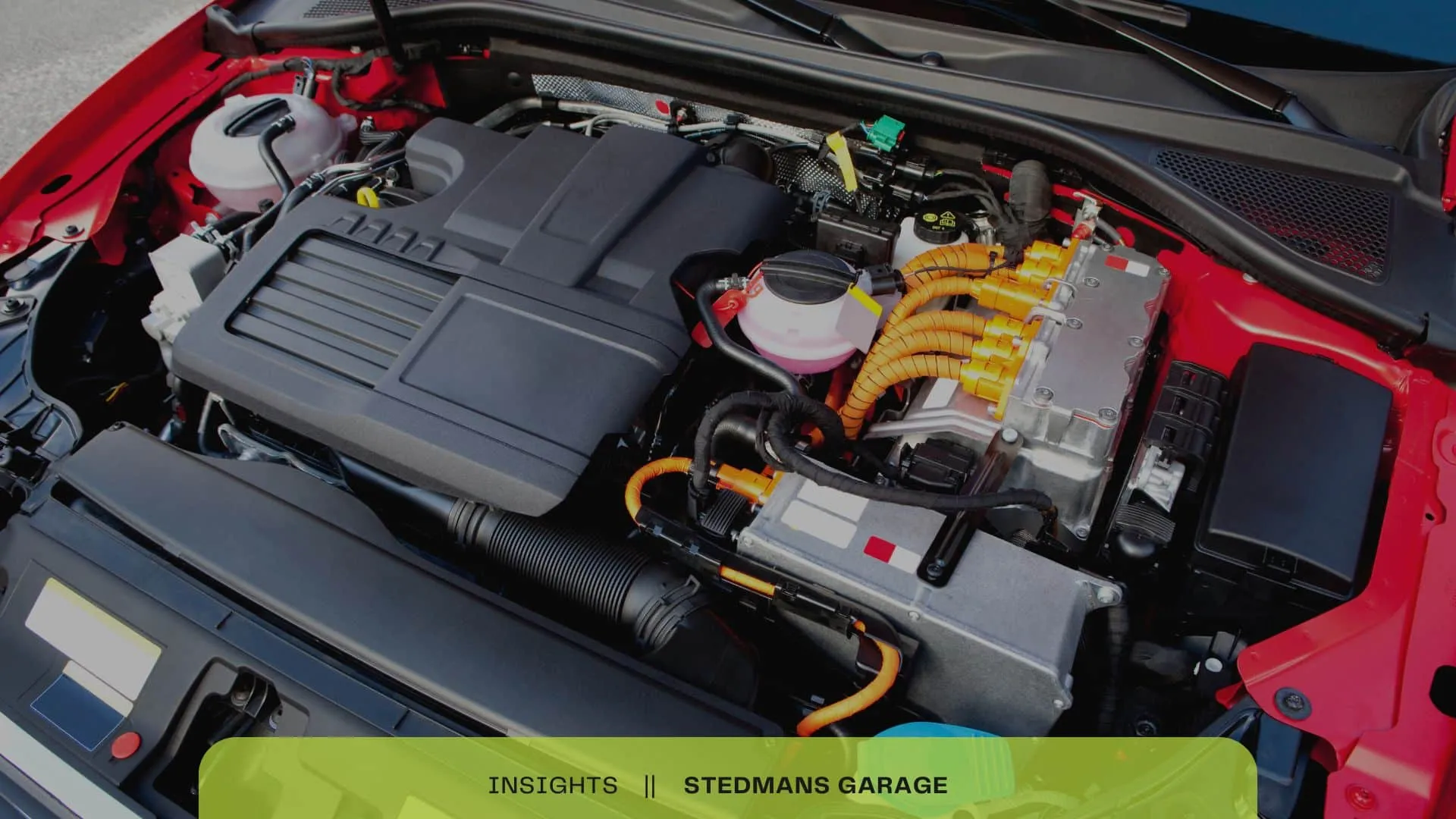
The key components of plug-in hybrids include the following:
- Electric Battery: This large battery pack stores energy for the electric motor, enabling the vehicle to operate solely on electric power for a certain distance, typically between 20 to 50 miles, depending on the model.
- Internal Combustion Engine: This engine activates when the battery is depleted or when additional power is needed for acceleration or climbing steep inclines.
- Regenerative Braking System: This innovative system captures energy that would otherwise be lost during braking, converting it into electricity to recharge the battery.
Understanding these components is vital for effective hybrid vehicle care, as each requires specific maintenance to ensure optimal performance and longevity.
Importance of Regular Maintenance
Why Regular Maintenance is Crucial
Regular maintenance is essential for plug-in hybrids to function efficiently and safely. The unique combination of electric and combustion systems means that PHEVs have more components to maintain compared to traditional vehicles. Regular servicing helps to ensure optimal performance, enhance safety, and extend the vehicle's lifespan. Routine checks and maintenance can prevent performance issues, ensuring that both the electric and petrol systems function well. Furthermore, regular inspections can identify potential safety hazards, such as brake wear or battery issues, before they escalate into serious problems. Proper maintenance can significantly increase the lifespan of both the electric battery and the internal combustion engine.
Potential Savings
Investing in regular maintenance can lead to significant savings over time. Well-maintained vehicles often experience fewer breakdowns and costly repairs, as well as improved fuel efficiency, which translates to lower fuel costs. Additionally, regular servicing can help maintain warranty coverage, providing extra protection for your investment.
Key Components Needing Attention
Understanding which components of your plug-in hybrid require regular maintenance is vital for effective vehicle upkeep. The primary areas to focus on include:
The Electric Battery
The battery is arguably the most critical component of a plug-in hybrid, and proper battery maintenance is essential to ensure longevity and performance. Monitoring battery health is crucial, as it can degrade over time. Signs of battery degradation include reduced electric-only range and slower charging times. To monitor performance, use the vehicle’s onboard diagnostics to track battery health and performance. Regularly check the state of charge (SoC) to ensure it remains within optimal levels (typically between 20% and 80%). Most plug-in hybrid batteries are designed to last around eight to ten years, depending on usage patterns and maintenance.
The Internal Combustion Engine
Despite the emphasis on electric driving, the petrol or diesel engine in a plug-in hybrid requires regular attention. Regular oil changes are essential due to the combustion engine’s operation. Consult the owner’s manual for recommended oil change intervals, typically every 5,000 to 10,000 miles. Additionally, air and oil filters should be replaced according to the manufacturer’s guidelines to ensure engine efficiency.
The Regenerative Braking System
The regenerative braking system not only helps recharge the battery but also requires maintenance to function effectively. While regenerative braking reduces wear on the brake pads, they still need to be inspected and replaced periodically. Listen for any squeaking or grinding noises while braking, which can indicate worn pads. Brake fluid should also be replaced every two years to maintain optimal braking performance.
Maintenance Schedule for Plug-In Hybrids
Establishing a comprehensive maintenance schedule is essential for ensuring your plug-in hybrid remains in top condition. Here’s a typical schedule to follow:
Recommended Service Intervals
Every 5,000 to 10,000 miles:
- Change the oil for the internal combustion engine.
- Inspect brakes, including pads, discs, and fluid levels.
- Check tyre pressure and tread depth.
Every 12 months or 12,000 miles:
- Conduct a comprehensive vehicle inspection, including a battery health assessment and electrical system checks.
- Replace air filters and cabin filters.
- Check and top up all fluids, including coolant and brake fluid.
Every 24 months:
- Replace brake fluid to ensure optimal braking performance.
- Inspect suspension components and alignment.
Specific Checks During Routine Servicing
During each service, ensure that the following checks are made:
- Tyre Health: Regularly inspect tyre pressure and tread depth to ensure safety and performance.
- Fluid Levels: Monitor engine oil, coolant, brake fluid, and windshield washer fluid levels.
- Electrical System: Conduct checks on the vehicle’s battery and electrical components to ensure they function correctly.
Understanding Battery Maintenance
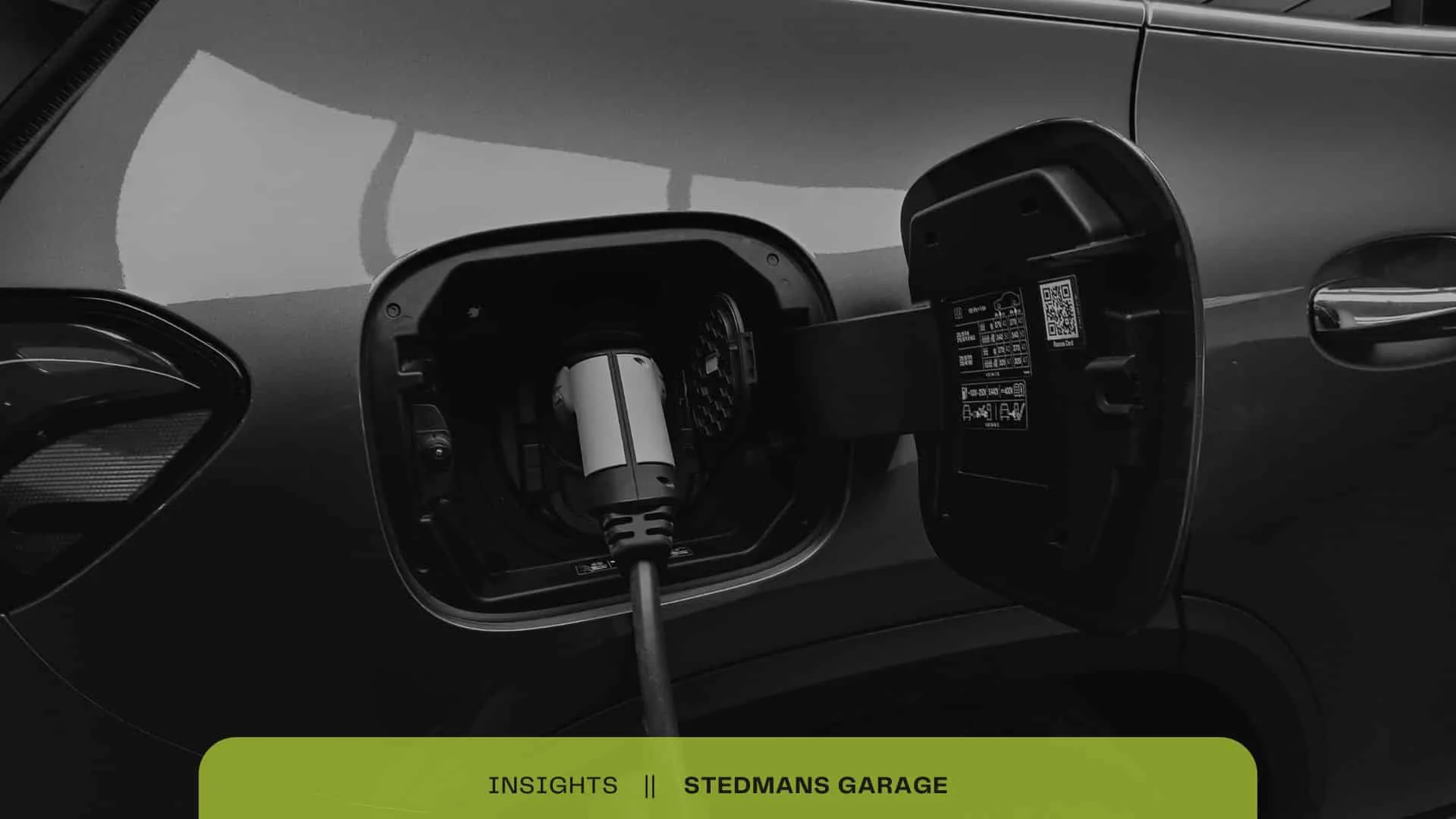
Battery maintenance is a crucial aspect of plug-in hybrid care. Here are several key points to consider:
Proper Charging Practices
To extend the lifespan of your plug-in hybrid's battery, follow these charging practices:
- Use a Home Charger: Whenever possible, use a dedicated home charger to ensure efficient charging and minimal wear.
- Avoid Deep Discharges: Try to avoid allowing the battery to drop below 20%, as deep discharges can reduce battery lifespan.
- Optimal Charge Levels: Keeping the battery between 20% and 80% can help maximise its health and efficiency.
Temperature Effects on Battery Performance
Battery performance can be significantly impacted by temperature. In cold conditions, battery efficiency may decrease, leading to reduced electric-only range. Consider parking in a garage or using heated seats to reduce battery drain. Conversely, high temperatures can accelerate battery degradation, so it is advisable to park in shaded areas or use sunshades to keep the vehicle cool whenever possible.
The Role of Software Updates
Significance of Software in Plug-In Hybrids
Software plays a crucial role in the performance of plug-in hybrids. Manufacturers often release software updates to improve the efficiency and functionality of the vehicle. These updates can optimise battery management systems, enhance regenerative braking, and improve overall vehicle efficiency. Owners should regularly check for software updates through the manufacturer’s website or via the vehicle’s infotainment system.
Ensuring Up-to-Date Software
Many dealerships can perform software updates during routine servicing, ensuring your vehicle remains up to date. It is also the owner’s responsibility to stay informed about updates and to schedule them as needed.
Common Myths About Plug-In Hybrid Maintenance
There are several misconceptions about maintaining plug-in hybrids that can lead to neglect in proper care. Here we address some common myths:
- Myth 1: Plug-in hybrids require less maintenance. While it’s true that plug-in hybrids benefit from electric driving, they are not maintenance-free. The internal combustion engine components still require regular servicing, and neglecting these can lead to significant issues.
- Myth 2: The battery lasts forever. Many people believe that the battery in a plug-in hybrid is everlasting; however, batteries do degrade over time. Regular checks and proper care are essential to extend battery lifespan.
- Myth 3: Charging is complicated. Charging a plug-in hybrid is straightforward. Owners can charge at home using a standard outlet or a dedicated home charger, and many models also provide charging options at public stations.
Environmental Impact and Efficiency
Contribution to Lower Emissions
Proper maintenance of plug-in hybrids plays a vital role in reducing emissions. By ensuring that both the electric and combustion systems are functioning efficiently, owners can minimise their carbon footprint. Effective battery management and regular servicing contribute to lower emissions, aligning with climate goals and environmental initiatives. A well-maintained plug-in hybrid achieves optimal fuel economy, reducing overall fuel consumption and associated emissions.
Broader Environmental Benefits
Maintaining plug-in hybrids not only benefits individual owners but also supports broader environmental goals. As more consumers adopt PHEVs, the cumulative effect of lower emissions can significantly contribute to improving air quality in urban areas, reducing reliance on fossil fuels, and supporting the transition to a more sustainable future.
Conclusion
Maintaining a plug-in hybrid vehicle is essential for ensuring optimal performance, safety, and longevity. By understanding the unique maintenance needs of these vehicles, owners can take proactive steps to care for their investment. Regular servicing, battery maintenance, and staying informed about software updates are critical components of effective hybrid vehicle care. As the automotive landscape continues to evolve, being knowledgeable about the specific requirements of plug-in hybrids will help owners maximise the benefits of their vehicles while contributing positively to environmental sustainability.
Stay informed about your vehicle's maintenance requirements and be proactive in your servicing to enjoy the full advantages of plug-in hybrid technology.