
Electric vehicles (EVs) have unique servicing requirements that set them apart from traditional petrol or diesel vehicles. Their reliance on advanced battery systems, electric motors, and regenerative braking technology means that maintenance involves specialised tasks and expertise.
This guide provides a detailed introduction to EV servicing, focusing on the essential components, common maintenance tasks, and how these differ from servicing traditional internal combustion vehicles. By understanding these differences, drivers can ensure their electric vehicles remain efficient, safe, and reliable.
Overview of Electric Vehicles and Their Mechanisms
Electric vehicles operate differently from internal combustion engine (ICE) vehicles. At their core, electric vehicles utilise electric motors powered by batteries, eliminating the need for traditional fuel. This section will delve into the mechanics of electric vehicles and how they compare with petrol and diesel counterparts.
How Electric Vehicles Operate
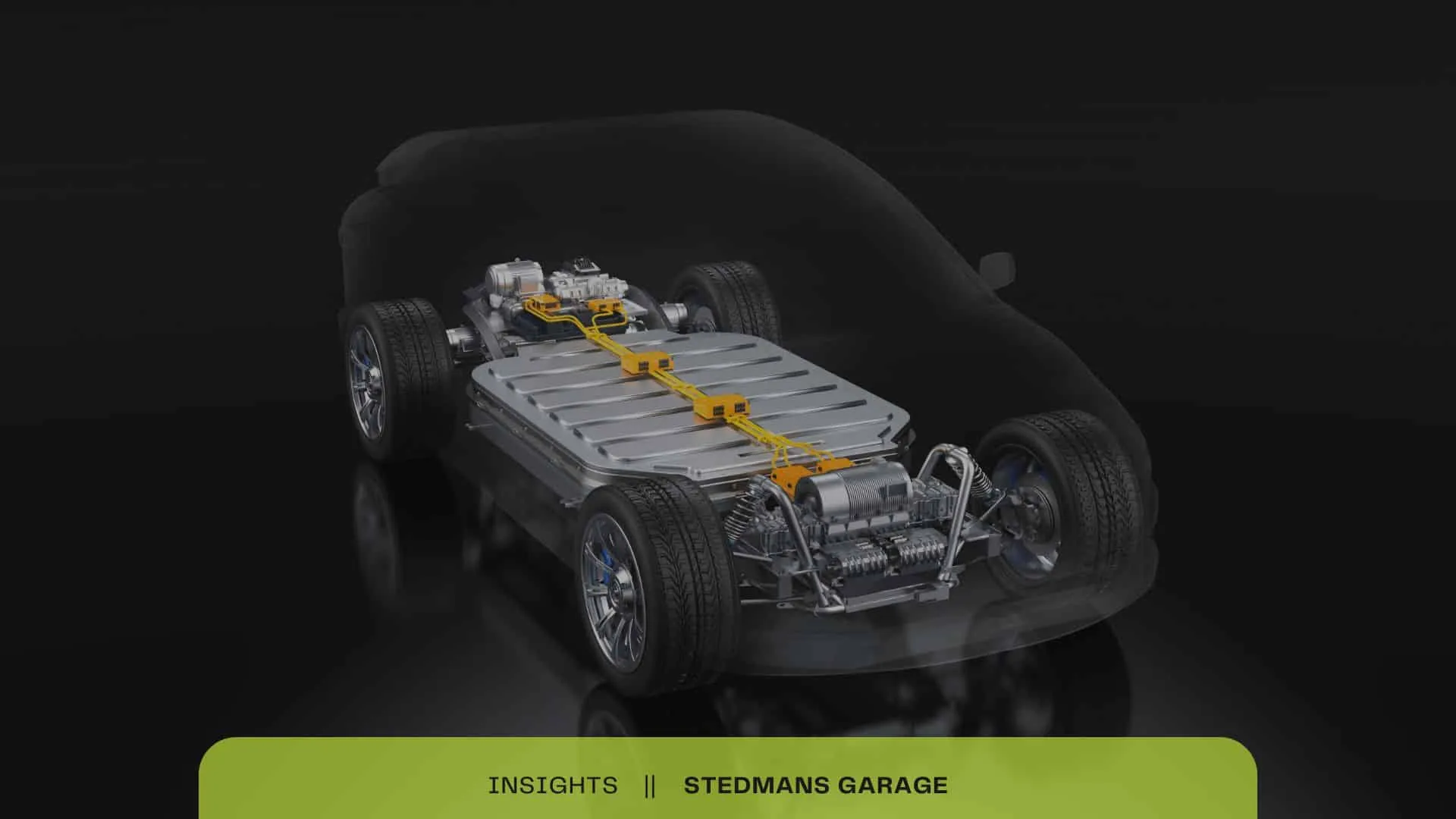
Electric vehicles function by converting electrical energy from the battery into mechanical energy through an electric motor. This process involves several key components:
- Battery: The core of an EV, the battery stores energy that powers the electric motor. Unlike gasoline, which is consumed in an ICE, the battery can be recharged multiple times and generally has a longer lifespan.
- Electric Motor: This component converts electrical energy into mechanical energy, driving the wheels of the vehicle. Electric motors are known for their efficiency and ability to deliver instant torque, resulting in quick acceleration.
- Regenerative Braking: This system captures energy that would otherwise be lost during braking. Instead of relying solely on friction to slow the vehicle, regenerative braking recovers energy and redirects it back to the battery, enhancing overall efficiency.
Key Components of Electric Vehicles
In contrast to traditional vehicles, which have complex engine systems, electric vehicles feature simpler components:
- No Fuel System: EVs do not require fuel tanks, fuel pumps, or injectors, which are essential for traditional vehicles.
- Cooling Systems: While ICE vehicles often have extensive cooling systems to manage engine temperatures, EVs focus primarily on battery temperature regulation.
- Fewer Moving Parts: Electric motors have significantly fewer moving parts compared to combustion engines, resulting in less wear and tear and contributing to lower maintenance costs.
Understanding these differences highlights the technological advancements of electric vehicles and sets the stage for the differing servicing needs.
Key Differences in Servicing Electric Vehicles and Traditional Vehicles
As Worthing drivers consider the implications of owning an electric vehicle, it is important to understand how their servicing requirements differ from those of traditional vehicles. The following outlines the main differences in servicing requirements, focusing on battery maintenance, oil changes, brake servicing, and cooling systems.
Maintenance of the Battery System
The battery is the most critical component of an electric vehicle. Regular checks on battery health are essential for optimal performance and longevity. Unlike traditional vehicles, which may require oil changes every few thousand miles, EVs need periodic checks of their battery management systems (BMS).
Importance of Battery Maintenance
- Performance: A well-maintained battery ensures that the vehicle performs optimally, providing adequate range and power.
- Longevity: Regular monitoring can help extend the battery’s lifespan, ultimately saving costs associated with premature battery replacement.
Absence of Oil Changes
One of the most significant differences in servicing between traditional vehicles and EVs is the absence of oil changes. Traditional internal combustion engines require regular oil changes to lubricate engine parts and prevent wear.
While electric vehicles do not have engines in the traditional sense, they do require other types of fluids. For example, EVs need coolant for their batteries and electric motors; however, this is not changed as frequently as engine oil.
Brake Servicing Differences
The regenerative braking system found in most electric vehicles fundamentally alters how brakes are serviced. Traditional vehicles rely on friction brakes for stopping, leading to consistent wear of brake pads and rotors.
- Regenerative Braking: In EVs, regenerative braking captures energy during deceleration, reducing reliance on mechanical brakes. This results in less wear on brake components, potentially extending the intervals between brake servicing. However, it is crucial to regularly check the brake system to ensure proper functionality.
Cooling Systems: EVs vs. Traditional Vehicles
Cooling systems in electric vehicles differ significantly from those in traditional vehicles. While ICE vehicles require extensive cooling systems to manage engine temperatures, electric vehicles focus primarily on battery and motor cooling.
- Battery Cooling: Maintaining optimal temperature ranges is essential for battery performance and longevity. Regular servicing of the cooling system is necessary to ensure it operates effectively, especially during extreme weather conditions.
- Less Complexity: The cooling systems in EVs are generally less complex than those in traditional vehicles, often requiring less frequent servicing.
Common Servicing Tasks for Electric Vehicles
While the servicing needs of electric vehicles differ from those of traditional vehicles, there are still common tasks that must be performed regularly. The following outlines the typical servicing tasks required for electric vehicles, ensuring that Worthing drivers are well-informed about their maintenance needs.
Battery Health Checks and Management
Regular battery health checks are vital for maintaining an electric vehicle. This includes monitoring the state of charge (SoC), state of health (SoH), and temperature of the battery.
- SoC Monitoring: Keeping track of the battery's charge can help drivers manage their range effectively.
- SoH Assessment: Evaluating the overall health of the battery can identify potential issues before they become significant problems, ensuring that the vehicle operates efficiently.
Software Updates and Diagnostics
Electric vehicles rely heavily on software to manage various systems, including energy consumption, battery management, and navigation. Regular software updates are crucial for optimal performance.
- Importance of Software Maintenance: Ensuring that the vehicle's software is up to date can improve functionality, enhance safety features, and address any security vulnerabilities.
Tyre Maintenance and Alignment
Tyre maintenance remains similar for both electric and traditional vehicles. However, EVs may require specific considerations due to their weight distribution and instant torque.
- Regular Checks: Maintaining proper tyre pressure and tread depth is essential for safety and efficiency.
- Alignment: EVs may experience different wear patterns on tyres due to their weight distribution, necessitating regular alignment checks.
Brake System Checks
While regenerative braking reduces wear on brake pads, it is still important to check the brake system regularly.
- Different Wear Patterns: Understanding that EV brakes may experience different wear patterns can help drivers maintain their vehicles effectively.
- Servicing Needs: Regular servicing of the brake system ensures safety and reliability, particularly in urban driving conditions common in Worthing.
The Role of Stedmans Garage in EV Servicing
In Worthing, we at Stedmans Garage are committed to being a leader in electric vehicle servicing. We offer a range of services tailored specifically for electric vehicle owners.
Expert EV Servicing
We have invested in the necessary training and equipment to effectively service electric vehicles. Our technicians are trained to understand the unique servicing needs of EVs, ensuring that drivers receive the best possible care for their vehicles.
Manufacturer-Approved Diagnostic Tools
Choosing us for EV servicing gives you access to manufacturer-approved diagnostic tools. This allows for accurate assessments and repairs, ensuring that every aspect of the vehicle functions optimally.
Comprehensive EV Services
We offer a variety of services for electric vehicles, including:
- Battery Health Checks: Regular assessments to monitor battery performance and health.
- Software Updates: Keeping the vehicle’s software up to date for optimal functionality.
- General Servicing: Comprehensive checks on all systems, including brakes, tyres, and cooling systems.
For more information on our specialised EV services, visit our Electric Vehicle page.
The Importance of Choosing a Qualified Garage for EV Servicing
Selecting a qualified garage for electric vehicle servicing is crucial for ensuring quality and reliability. Choosing a garage like Stedmans Garage in Worthing that specialises in EVs provides peace of mind for drivers.
Risks of Using Inexperienced Garages
Using a garage that lacks the proper training or equipment for servicing electric vehicles can lead to various risks:
- Potential Damage: Improper servicing may result in damage to crucial components such as the battery or electric motor.
- Safety Concerns: EVs have high-voltage systems, and inexperienced technicians may not handle them correctly, leading to safety hazards.
Benefits of Expert Servicing
- Quality Assurance: Qualified garages ensure that servicing is conducted according to manufacturer specifications, maintaining warranty coverage.
- Cost-Effectiveness: Regular expert servicing can prevent costly repairs down the line, saving drivers money in the long run.
Future Trends in EV Servicing
As the electric vehicle market continues to grow, so does the landscape of EV servicing. Several trends are emerging that will shape the future of electric vehicle maintenance.
Advancements in Technology
Technological advancements are continually changing how vehicles are serviced. As electric vehicles become more sophisticated, servicing practices must evolve accordingly.
- Increased Automation: The use of automated diagnostic tools and advanced software will enhance the efficiency of servicing.
- Telematics: Remote diagnostics and monitoring will allow garages to identify issues before they become critical, improving maintenance schedules.
Training for Technicians
As the demand for electric vehicles rises, the need for trained technicians will also increase.
- Specialised Training Programs: Garages like Stedmans Garage are likely to invest in ongoing training for our technicians to keep up with the latest advancements in EV technology.
Preparing for Change
Garages that recognise and prepare for these changes, like us at Stedmans Garage, will be better equipped to service the next generation of electric vehicles effectively. This preparation ensures that drivers in Worthing receive the best possible care for their EVs.
Conclusion
Understanding the differences between electric vehicle servicing and traditional vehicle maintenance is essential for Worthing drivers who are considering or currently own an electric vehicle. As the popularity of EVs continues to rise, knowing what to expect in terms of maintenance can help drivers make informed decisions.
We at Stedmans Garage are ready to support Worthing drivers with their EV servicing needs, offering expert care and a commitment to quality. For reliable and professional service, consider booking your next appointment with us at Stedmans Garage, where you can rest assured that your electric vehicle will be in experienced hands.