
As electric vehicles (EVs) gain popularity in the UK, particularly among residents of Sussex, it is essential for both potential buyers and current EV owners to understand the nuances of operating an electric vehicle during the winter months. The term "EV winter range" encapsulates the challenges and considerations that affect how far these cars can travel when the temperatures drop.
This blog explores the complexities of EV performance in winter, placing particular emphasis on the unique climate conditions of Sussex. With practical strategies, data, and insights from real-world experiences, you will be better equipped to maximise your electric vehicle's performance during the colder months.
Understanding EV Winter Range in Sussex
What is EV Winter Range?
EV winter range refers to the distance an electric vehicle can operate efficiently in colder weather, typically between November and March in the UK. In winter, EVs experience reduced battery efficiency, primarily due to lower temperatures affecting the chemical reactions that generate power. On average, EV winter range can decrease by approximately 20% to 40% compared to summer performance.
The Sussex Climate
Sussex is characterised by its maritime climate, featuring mild winters with frequent rainfall. Average winter temperatures hover around 2 to 7 degrees Celsius, which changes the performance dynamics of an electric vehicle. Wet and slippery roads can further complicate driving, exacerbating battery drain.
Why Understanding EV Winter Range Matters
Understanding how Sussex's unique climate affects EV winter range helps current and prospective owners set realistic expectations. This knowledge informs decisions about charging habits, maintenance, and driving methods, enabling a smoother transition into winter driving conditions.
Factors Affecting Winter EV Performance
Temperature and its Impact
Cold weather directly reduces battery efficiency. Lithium-ion batteries, standard in most EVs, perform optimally at temperatures around 20 degrees Celsius. As temperatures drop, the internal resistance of the battery increases, leading to reduced range.
- Buffering Capacity: While many EVs come equipped with buffer capacity, this does not completely mitigate range loss.
- Heating Systems: Heating systems consume considerable energy. Standard heating systems deplete battery reserves faster than heat pump systems, which are more efficient.
Driving Habits
Driving style plays a significant role in winter performance. Here are some habits that can enhance or diminish efficiency:
- Gentle Acceleration: Rapid acceleration drains the battery faster. In winter conditions, a smooth and gradual power delivery aids in preserving range.
- Use of Regenerative Braking: Efficient use of regenerative braking can extend the range of an EV in winter conditions. Engaging this feature allows the vehicle to convert kinetic energy back into stored energy when slowing down.
Types of EVs
Different models exhibit varying winter capabilities. For example:
- Tesla Models: Known for their advanced thermal management systems, Tesla vehicles generally maintain a higher winter range. The Model 3, for instance, retains winter range efficiency due to its dedicated battery management.
- Nissan Leaf: While affordable and efficient, the Nissan Leaf may not retain as much winter range compared to higher-end models. Its standard heating system can lead to more significant battery depletion in cold climates.
Strategies to Maximise EV Performance in Winter
Pre-conditioning your EV
Pre-conditioning your EV involves warming it up while still connected to a charger. This practice can help maintain battery life and range efficiency. Heating the interior and battery before driving ensures that less energy is expended during travel.
Tire Maintenance
Tire pressure decreases in colder weather. Keeping your tires adequately inflated enhances safety and maximises energy efficiency. Ensure your tires meet the manufacturer’s recommendations for winter performance.
Eco-Driving Modes
Most EVs come equipped with eco-driving modes. Activating this feature optimises energy use by adjusting power delivery and limiting energy-sapping features like heating.
Action Plan for Sussex Residents
- Check Battery Levels: Regularly monitor battery health through your vehicle’s onboard diagnostics.
- Plan Charging Stops: Identify local charging infrastructure to ensure access during longer journeys.
- Use Winter-Specific Accessories: Invest in winter tyres and additional insulating mats for added warmth in the cabin, reducing reliance on the heating system.
Charging Infrastructure in Sussex
Availability of Charging Stations
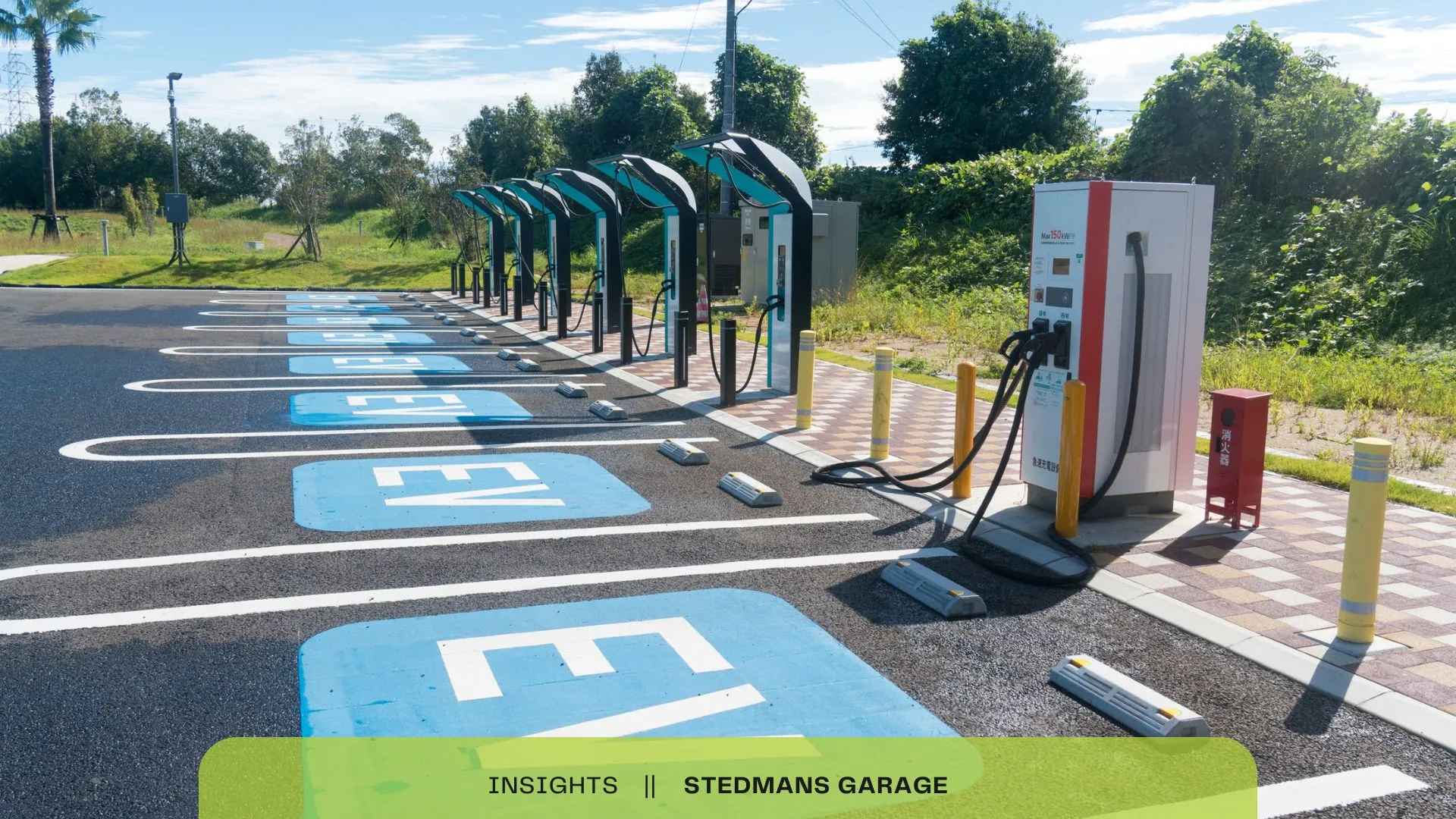
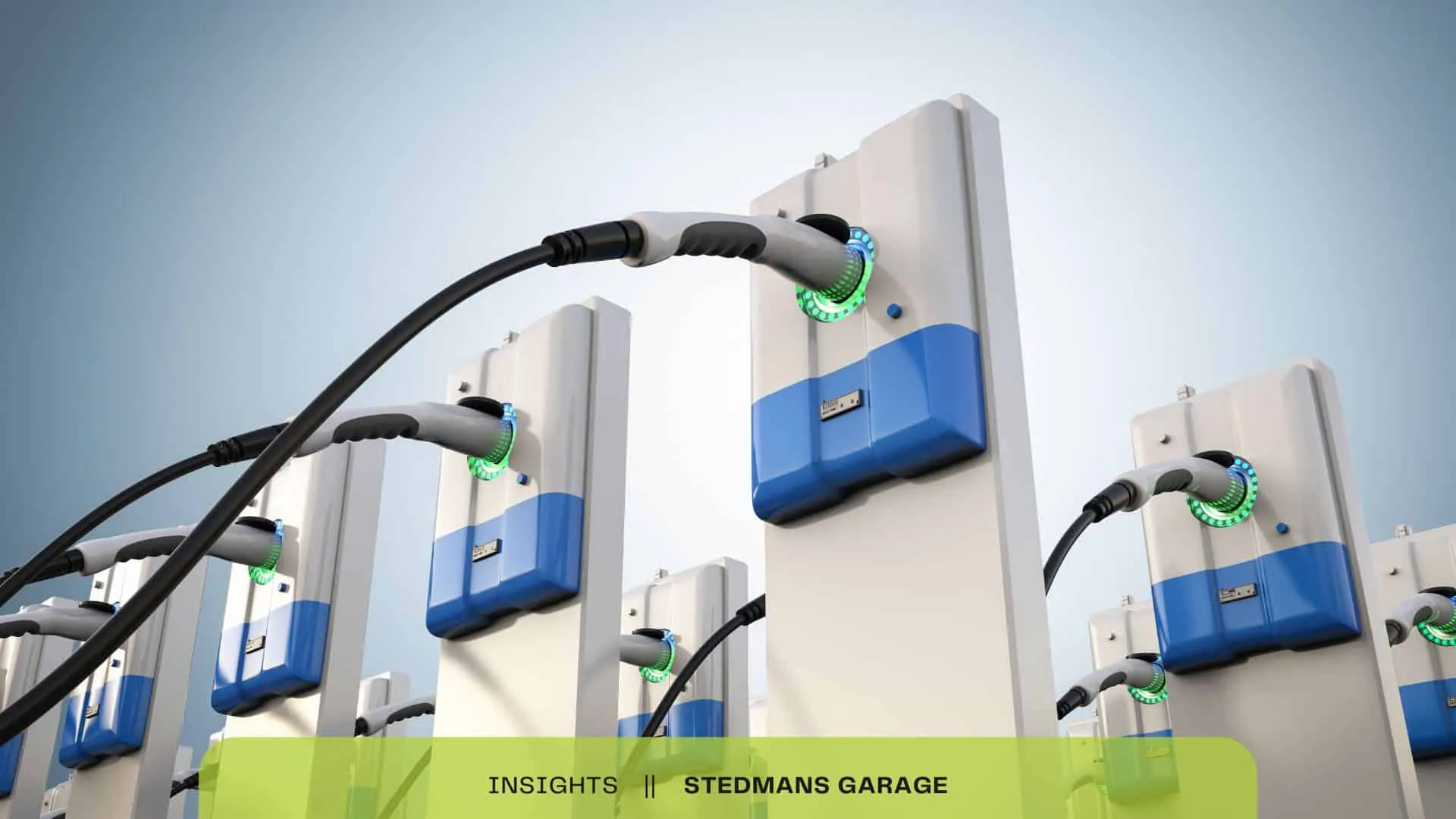
Sussex has made significant strides in bolstering its EV charging infrastructure. Charging stations are increasingly available in towns like Brighton, Eastbourne, and Hastings. High-capacity fast chargers are being installed along major routes. However, it is crucial to plan for potential reduced availability during winter months when demand may peak.
Government Initiatives
Several initiatives aim to support EV infrastructure development in Sussex, such as:
- Local Government Funding: The Sussex Local Enterprise Partnership has awarded funding for new EV charge points in key locations.
- Public Awareness Campaigns: Planned initiatives aim to educate the community on efficient charging practices during winter.
Actionable Tips for Preparing an EV for Winter
- Battery Preparation:
- Plan Charging Routes:
- Local Resources:
- Stay Informed:
Conclusion
Understanding EV winter range is crucial for electric vehicle owners and potential buyers in Sussex. The unique climate conditions can significantly impact performance. By adopting practical strategies for winter preparation, you can effectively manage expectations and enhance your driving experience.
If you are a current EV owner or thinking of making the switch, share your experiences or seek further information to connect with a community striving for efficient winter driving. Start preparing your EV for the winter months today!
Related reading: Tesla battery health guide
Related reading: EV drive modes