
Introduction to the Bentley Mulsanne Cooling System
The Bentley Mulsanne’s Legacy and Engineering
Produced between 2010 and 2020, the Bentley Mulsanne was designed to reflect the height of luxury and performance, showcasing contemporary design and traditional craftsmanship. As the flagship model, it stood out for its advanced engineering and attention to detail, holding a unique place within Bentley’s rich heritage.
Role of the Cooling System
A vital part of the Mulsanne’s engineering is its cooling system. The purpose of this system is threefold: it removes excess heat from the engine, maintains an optimal operating temperature for performance and efficiency, and allows the engine to reach this temperature quickly after starting. Without an effectively functioning cooling system, engine parts can be at risk of significant damage due to overheating.
Commonality of Cooling System Problems in Luxury Vehicles
Despite meticulous engineering, high-performance vehicles like the Bentley Mulsanne are not immune to cooling system issues. These cars often face coolant leaks, thermostat failures, and overheating, making diligent maintenance essential for continued reliability. Many Mulsanne owners report periodic issues linked to the cooling system, highlighting the importance of preventative care in ensuring performance and extending vehicle longevity.
Common Cooling System Problems in the Bentley Mulsanne
Overheating
Overheating is a well-known issue affecting many luxury vehicles, including the Bentley Mulsanne. If the engine temperature rises unusually, it could point to a problem within the cooling system. Overheating may occur due to low coolant levels, blocked radiator passages, or a malfunctioning water pump. The result can be severe engine stress or even permanent damage if not addressed quickly.
Coolant Leaks
Coolant leaks are another regular problem. In the Mulsanne, leaks can develop at multiple points: the radiator, connecting hoses, or the water pump. Owners should watch for fluid puddles under the car. Coolant comes in several colours (green, orange, or pink), making leaks easier to spot. Prompt action is crucial, as low coolant levels rapidly reduce the system’s effectiveness.
Thermostat Malfunctions
A faulty thermostat interrupts the engine’s ability to maintain proper temperature. If stuck open, the engine may run too cool, limiting performance and efficiency. If stuck closed, it can cause the engine to overheat. Symptoms often include fluctuating dashboard temperature readings or failure of the heating system to function as expected.
Causes of Cooling System Failures
Natural Wear and Tear
Over time, the cooling system components in the Bentley Mulsanne suffer from natural wear. Repeated heat cycles cause seals and gaskets to harden or shrink, leading to small leaks. Rubber hoses can become brittle, crack, or split, especially as they age. Metal parts such as the radiator and water pump can develop micro-cracks or fatigue, increasing the chance of fluid leakage during normal operation. Wear is expected in any vehicle, but high-performance luxury cars often put extra demand on cooling components.
Corrosion Within the System
Corrosion is a major factor behind many cooling system problems. It arises when oxygen and trace water react with metal surfaces inside the radiator, engine, or connectors. As corrosion builds up, it causes blockages, weakens metal, and eventually leads to leaks or even component failure. High temperatures accelerate corrosion, particularly if the coolant is old or the correct type is not used. Once corrosion takes hold, it can quickly spread, damaging sensitive parts such as the radiator core and thermostat housing. Degraded coolant, with a low pH, can make corrosion worse, putting aluminium, steel, and other metals at greater risk.
Poor Maintenance Practices
Failure to stick to a maintenance schedule or using the wrong type of coolant often leads to early cooling system problems. Ignoring regular coolant changes, for example, allows harmful chemicals and debris to circulate, damaging internal surfaces. Not checking or topping up coolant levels can let air into the system, reducing its efficiency and exposing parts to extra wear. Replacing worn components such as hoses, clamps, or the radiator only when a failure is obvious, rather than proactively, increases the risk of overheating or leaks.
Identifying Cooling System Issues in Your Mulsanne
Recognising Warning Signs
Spotting the first signs of a cooling system problem can help prevent engine damage in your Bentley Mulsanne. One of the most critical indicators is the engine temperature gauge. If it climbs towards the red zone or fluctuates unexpectedly, it points to issues with coolant flow or thermostat function. Your dashboard may also display warning lights related to high engine temperature, these should never be ignored, as they signal a problem that requires immediate attention.
Coolant Leaks and Fluid Checks
Visible coolant leaks are another prominent sign of trouble. Coolant often appears as green, orange, or pink fluid collecting beneath the vehicle. It may have a sweet smell and feels slimy to the touch. Leaking coolant often comes from worn hoses, a cracked radiator, or a compromised water pump. Even small leaks should be inspected promptly, as they can quickly lead to overheating.
Unusual Noises
Sound changes can also indicate cooling system faults. Whining, grinding, or hissing noises under the bonnet may signal air trapped in the system, a failing water pump, or escaping steam due to high pressure and heat. Accompanying these with visible steam or unusual odours from the engine bay often confirms a serious cooling issue that should not be delayed.
Radiator Problems and Solutions
Common Radiator Issues
The radiator in the Bentley Mulsanne plays a critical role in engine cooling by dissipating heat from the coolant. Over time, several problems may develop. Corrosion is a typical issue, especially if the coolant is not replaced regularly. This can lead to fine cracks, weakened fins, or even holes that cause leaks. Blockages are another frequent issue. They usually result from the buildup of sediment or old coolant, leading to reduced efficiency and possible overheating. Leaks may occur at radiator joints, seams, or due to impact damage.
Diagnostic Approaches
Identifying radiator faults requires careful inspection. Start by checking for visible signs of leaks around the radiator or beneath the vehicle. Coolant pooling under your Mulsanne often indicates a leak. Examine the radiator’s exterior for staining, corrosion, or damaged fins. A temperature gauge above normal or a rapidly fluctuating gauge can signal cooling inefficiency. For blockages, feeling for cold spots on the radiator after the engine has warmed up can help; these suggest restricted coolant flow.
Repair Options
Small leaks in the radiator may be temporarily fixed with sealants, but this is only a short-term solution. More significant leaks or corrosion require professional repair or complete replacement of the radiator. Blockages sometimes clear with a system flush, but if the core is heavily clogged, replacing the unit is often necessary. Regular attention to the radiator’s condition helps reduce risk of severe engine problems.
Water Pump and Thermostat Failures
Recognising Water Pump Failures
A failing water pump poses a significant risk to your Mulsanne’s engine. Typical signs include coolant leaks near the front of the engine, overheating, and unusual noises like grinding or squealing. If you observe steam from the radiator or engine bay, this is a clear warning. The water pump circulates coolant to maintain safe temperatures, so failure can quickly lead to overheating and severe engine wear or damage if left unresolved. Regular inspections are vital to spot leak trails or corrosion on the pump casing.
Thermostat Issues and Their Effects
The thermostat regulates engine temperature by controlling coolant flow. When a thermostat gets stuck closed, coolant cannot circulate, causing the engine to run too hot. Conversely, a stuck-open thermostat results in the engine running too cool, reducing efficiency and accelerating wear. Erratic temperature gauge readings or sudden changes from hot to cold are indicators of a malfunctioning thermostat. Additional signs include fluctuating cabin heater performance and rumbling sounds from the radiator.
Replacements and Recommended Parts
Water pump and thermostat replacements should use genuine or high-quality compatible Bentley components to ensure lasting repairs. Water pump replacement involves draining coolant, removing the belt and pump, and refitting with new gaskets, a process requiring care to prevent leaks or component misalignment. Thermostats are typically replaced by removing the housing near the top radiator hose, swapping the unit, and sealing with a new gasket.
Cooling System Hoses and Connections
Vulnerabilities of Hoses and Their Impact
Hoses in the Bentley Mulsanne cooling system are crucial for circulating coolant between the engine, radiator, and heater core. Over time, these hoses are prone to developing cracks, swelling, hardening, or soft spots, which increases the risk of leaks or bursting. Deterioration often results from age, heat cycles, or exposure to contaminants. Leaks can appear as drips or wet areas, especially under pressure, and should not be ignored as they can quickly escalate to severe engine damage if unaddressed.
Importance of Clamps and Secure Connections
Clamps and hose connections must be secure to prevent coolant loss. Worn or loosened clamps may allow coolant to seep, causing visible leaks and possible air entry into the system. This can reduce cooling efficiency and increase the likelihood of overheating. Ensuring clamps are correctly tightened and appropriately sized for the hoses is an inexpensive but vital preventative step for maintaining system integrity.
Inspection and Replacement Guidelines
Inspect hoses regularly by gently squeezing them; any feeling of brittleness, softness, or bulging warrants replacement. Check for residue build-up or dried coolant, which indicates slow leaks. Examine clamps and connections for rust, corrosion, or shifting from their correct position. When replacing, use high-quality hoses and clamps that meet original Bentley specifications, and always fit them securely to avoid future leaks.
Proper care of hoses, clamps, and connections keeps the Bentley Mulsanne’s cooling system efficient and protects engine longevity. Routine inspection aids in early detection of failures and helps prevent expensive repairs.
DIY Diagnostics for Cooling System Problems
Safe Inspection Methods
It is possible to assess your Bentley Mulsanne’s cooling system at home with a few straightforward steps. First, ensure the engine is cool before beginning any inspection to avoid burns from hot coolant or steam. Check the coolant level in the reservoir and radiator. Low levels might suggest a leak, while contaminated or discoloured coolant can point to internal corrosion or mixing with other fluids.
A visual inspection around the radiator, hoses, and beneath the car can often reveal dried coolant residue or fresh leaks. Examine hoses for cracks, bulges, or soft spots, and check that clamps are tight and secure. Listen for abnormal sounds such as gurgling or hissing when the engine is running, as these could indicate air in the system or small leaks.
Pressure Testing for Leaks
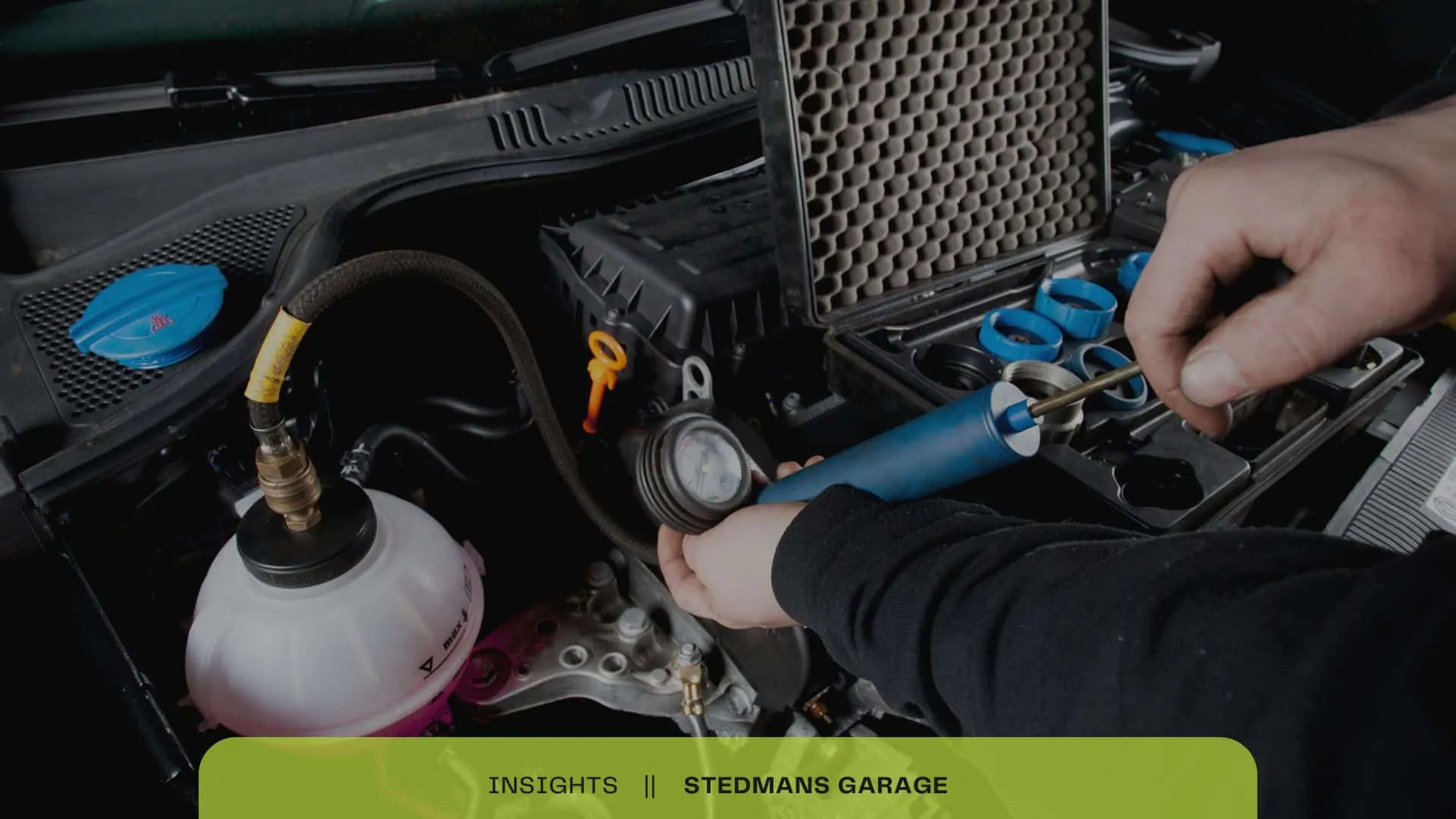
Pressure testing is a reliable DIY method to uncover hidden cooling system leaks. Cooling system pressure testers can be hired or purchased from automotive stores. With the engine off and cool, connect the tester to the radiator’s filler neck and pressurise the system as the tester’s instructions provide. Watch for drops in pressure, which signal leaks, and look for fluid escaping from any component.
Interpreting Symptoms Accurately
If the temperature gauge fluctuates, warning lights appear, or you spot coolant pooling under the vehicle, these signs should not be ignored. Consistent overheating, visible leaks, or unusual noises all provide clues to the part of the system in distress. Accurate interpretation of these symptoms can help guide your next steps for repair or further inspection by a professional.
Professional Repair vs DIY Solutions
Assessing the Right Repair Approach
Deciding whether to tackle a cooling system issue yourself or seek professional help is important for Bentley Mulsanne owners. Many minor checks, such as inspecting for visible leaks or testing hose firmness, can be performed at home with basic tools. Simple tasks, including topping up coolant or replacing easily accessible hoses, generally fall within the scope of DIY maintenance, as long as safety precautions are followed.
However, the Mulsanne features complex systems that often require specialised skills. Diagnosing hidden leaks, replacing core components like the radiator or water pump, and addressing electrical faults in the thermostat control frequently exceed most home mechanic capabilities. Additionally, the risk of damage from improper repairs is higher with such advanced vehicles.
Special Tools and Knowledge
Work on a Bentley’s cooling system safely and effectively often calls for specialist tools. These may include pressure testers specifically calibrated for high-end systems, vacuum fillers to avoid air locks, and diagnostic software compatible with Bentley electronics. Technical knowledge relating to part fitment, correct torque values, and electronic interfaces is also crucial. Without these, there is potential for incomplete repairs or additional faults.
When faced with uncertain symptoms or persistent problems, owners should consider professional servicing. Authorised repairers have access to Bentley-approved parts, technical bulletins, and the experience required for complex diagnostics. Timely expert intervention helps prevent extensive engine damage and supports long-term reliability.
Preventative Maintenance for the Cooling System
Establishing an Inspection Routine
Consistent, scheduled inspections of your Bentley Mulsanne’s cooling system are key to preventing costly failures. Visual checks should be performed every 10,000 miles or 12 months, whichever comes first, regardless of daily or occasional use. Look for signs of leakage, corrosion, or hose deterioration. If your vehicle is older or frequently driven in demanding conditions, increase the frequency of visual inspections as small issues can escalate quickly in luxury vehicles like the Mulsanne.
Choosing and Replacing Coolant
Using the correct coolant protects internal metals and maintains the system’s integrity. Reference your owner’s manual to match the coolant specification; using an unsuitable coolant may damage the engine. For Mulsanne models, manufacturers typically recommend replacing the coolant every five years. Several reputable brands supply compatible coolants and antifreeze options, such as Pentosin Pentofrost and ZEREX G05. Always use the type recommended for European luxury vehicles.
Cooling System Flushing
Flushing the cooling system helps remove accumulated debris, rust, and deposits. Perform a flush with the engine cold. Open the radiator cap and drain valve, let all old coolant drain out, and then refill with distilled water. Run the engine briefly and repeat the process until the water runs clear, ensuring no residues remain. Finish by refilling with the recommended coolant.Long-term Care for Your Mulsanne’s Cooling System
Maintaining System Health Over Time
To preserve your Bentley Mulsanne’s cooling system, consistent attention throughout ownership is essential. Visual checks for leaks, corrosion, or hose deterioration should be carried out every 10,000 miles or annually, aligning with Bentley’s recommended service intervals. Ensuring correct coolant type and replacing it every five years helps maintain optimal engine temperatures.
Considerations for Older Mulsanne Models
Models from 2010 to 2015 may present additional concerns as components age. Rubber hoses and gaskets can become brittle, increasing the risk of leaks. Wiring harnesses near the firewall can also degrade, sometimes resulting in unexpected issues. Proactive replacement of vulnerable parts and adhering to OEM specifications when making repairs will address these age-related problems.
Adapting to Climate Conditions
Climate plays a significant role in cooling system longevity. In hotter regions, frequent checks on coolant levels, radiator fins, and fan function are crucial. In colder climates, regular testing of antifreeze strength and inspecting for freeze damage can prevent major failures. Always adjust service routines according to your local weather to ensure reliable performance.

Conclusion: Ensuring Reliability of Your Bentley Mulsanne
Key Cooling System Practices
Maintaining your Bentley Mulsanne’s cooling system is essential for reliable engine performance and preventing costly damage. Begin by inspecting for leaks, corrosion, or hose deterioration every 10,000 miles or once a year. Address worn hoses, aged belts, or cracked connections promptly, as even small issues can escalate and affect engine cooling.
Coolant should be replaced every five years, following manufacturer guidelines. When selecting coolant, always use the specified type for the Mulsanne to prevent corrosion and maintain optimal heat transfer. Regular flushing helps remove debris and old coolant, supporting the efficiency of the entire system.
Pay attention to signs of trouble such as rising temperature gauge readings, dashboard warning lights, or visible puddles of coolant. If you notice any of these warnings, act quickly. Ignoring early symptoms can lead to engine overheating or more severe failures.
Importance of Prompt Attention
A well-maintained cooling system regulates temperatures, supports engine longevity, and preserves the luxury feel of your Mulsanne. Neglecting issues can lead to overheating, component failures, and expensive repairs. Timeliness in addressing the smallest warning signs helps ensure consistent performance and reduces the risk of major engine problems.