

Introduction to BMW Timing Systems
Overview of Timing Belts and Chains
BMW vehicles primarily use timing chains though in some older models, timing belts. Timing chains, made of metal, are more prevalent in modern BMW models due to their durability. In comparison, timing belts, typically crafted from rubber composites, are found in older models like the M40. While timing belts are quieter and cheaper initially, they require regular replacement to avoid engine damage.
Importance of Timing Systems in Engine Operation
The timing system is crucial in synchronising the crankshaft and camshaft motions to ensure the right timing of the engine's cycles. This synchronisation facilitates the optimal performance of the intake, compression, power, and exhaust strokes. A well-timed engine not only enhances fuel efficiency and performance but also minimises emissions.
BMW's Preference for Timing Chains
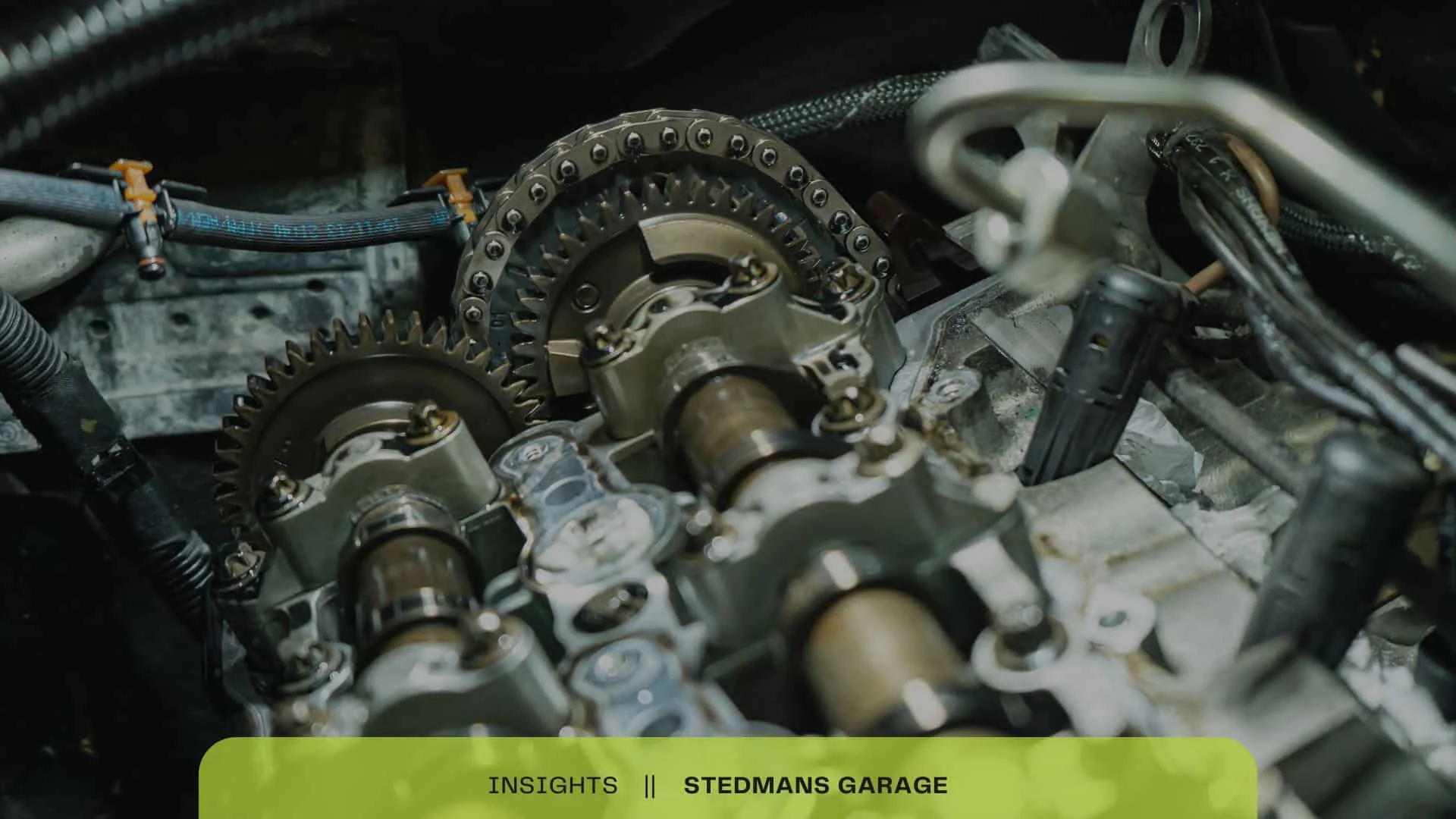
BMW's preference for timing chains stems from their longevity compared to belts. BMW sets no replacement mileage for a timing chain: it is designed to last the life of the engine, and is only replaced when the chain, its guides or its tensioner wear. Every modern BMW engine uses a chain; the belt-driven BMW engines were older designs such as the M20 six-cylinder and the M40 four-cylinder. A 'lifetime' chain is not trouble-free, though, so it still needs checking if it starts to rattle.
BMW's strategic choice favours the metal timing chain over the rubber timing belt due to its resilience in high-temperature environments and reduced maintenance needs. Although timing chains are more complex to install, their ability to withstand extensive wear makes them a preferred choice for enhancing the vehicle’s durability and performance. This choice reflects BMW's commitment to engineering precision and quality across its range.
Timing Chains vs. Timing Belts: Key Differences
Material Composition
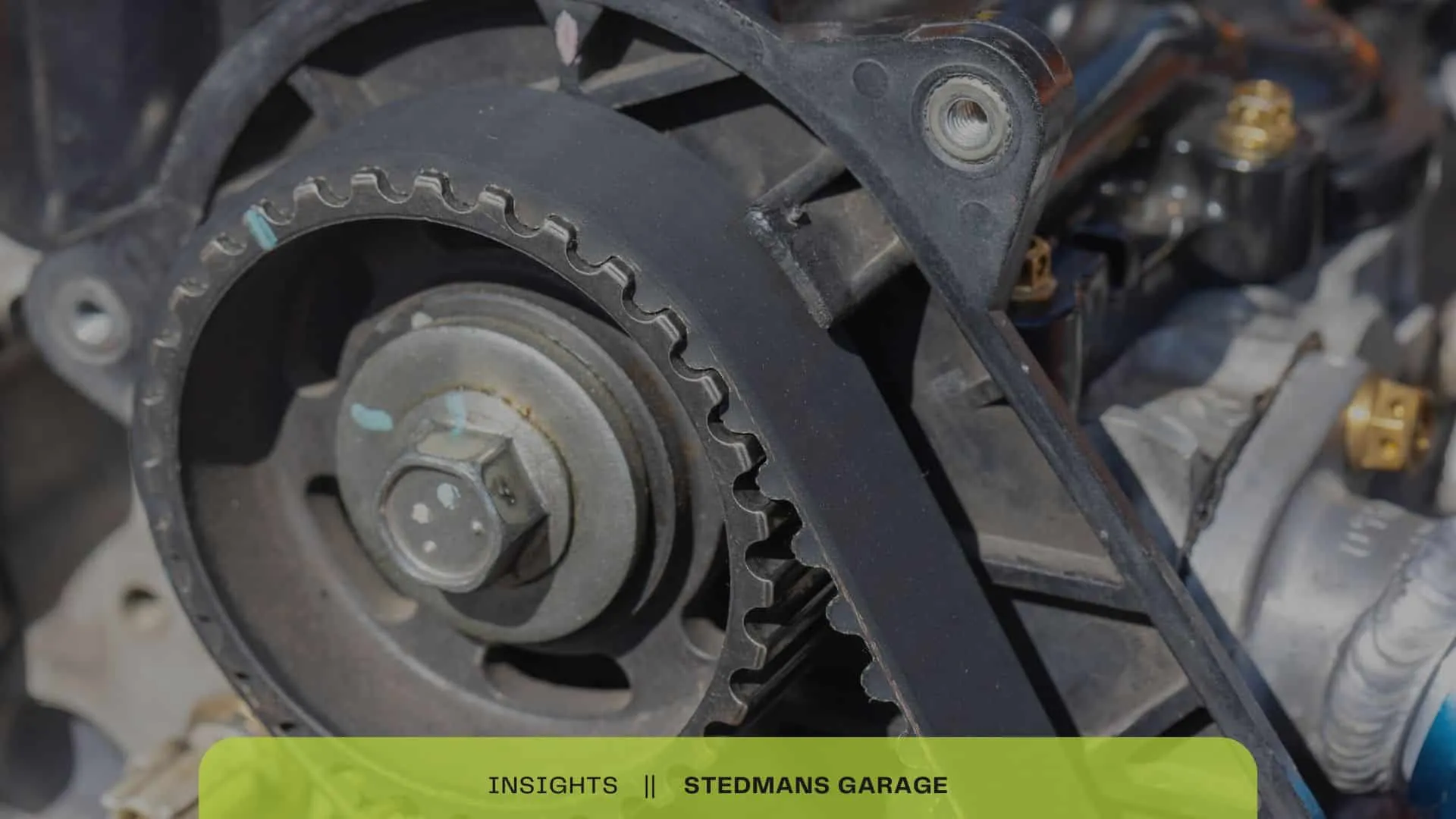
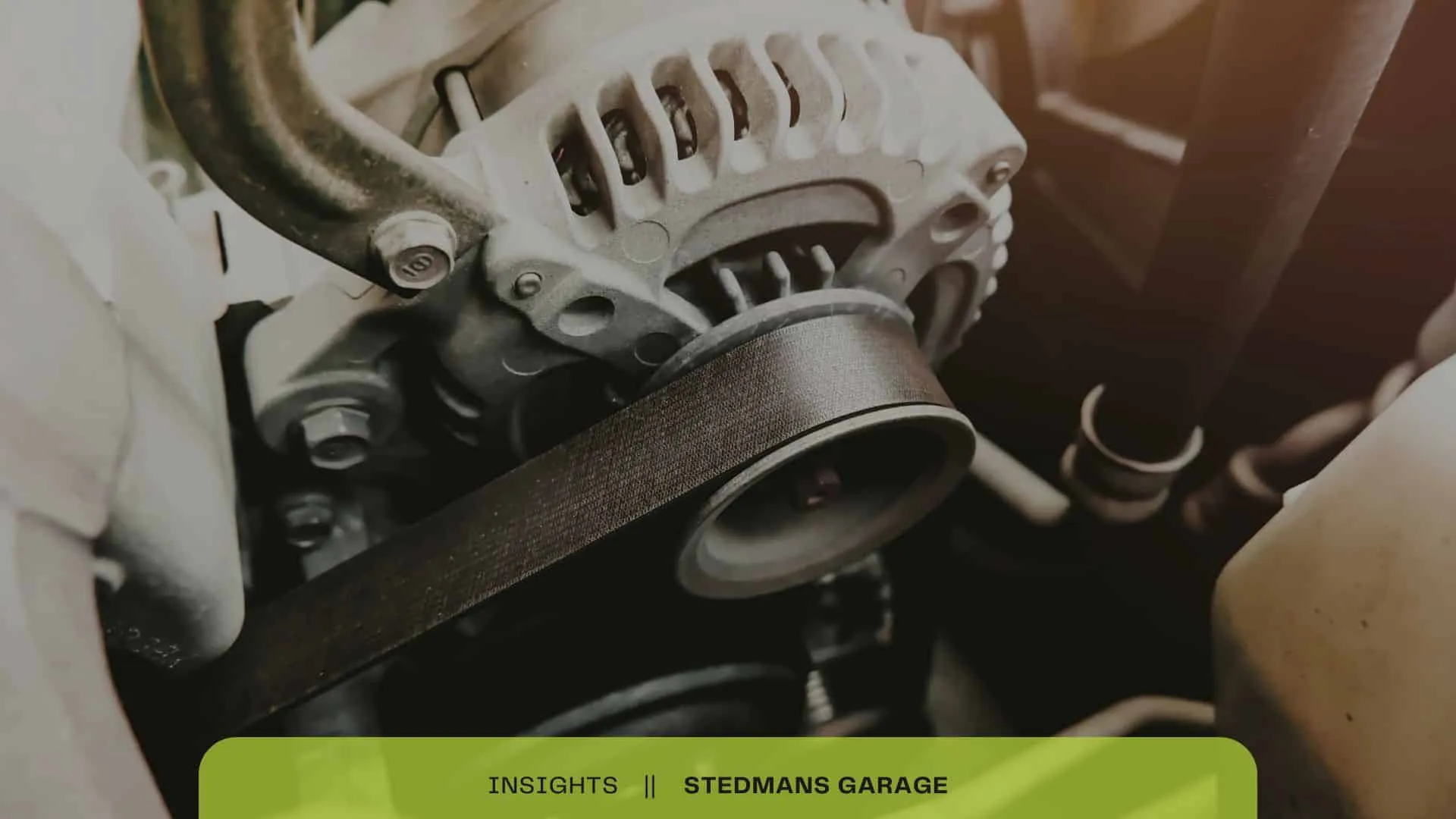
Timing systems are crucial for engine synchronisation, utilising either timing belts or chains. Timing belts are made from reinforced rubber, with fibre cords running through them as tension members and a fabric-faced toothed surface.
Conversely, timing chains are constructed from metal. This robust material allows chains to endure more stress and provides greater durability. Although both systems serve a similar purpose, the material differences significantly impact their performance and maintenance requirements.
Lifespan Comparison
The lifespan of timing components varies significantly. Timing chains generally last longer than belts, and are usually meant to last the life of the engine. A timing belt is replaced at a mileage and an age set by the manufacturer for that engine, whichever comes first, so the right interval comes from the car's service schedule rather than a general rule.
Noise Levels and Operational Characteristics
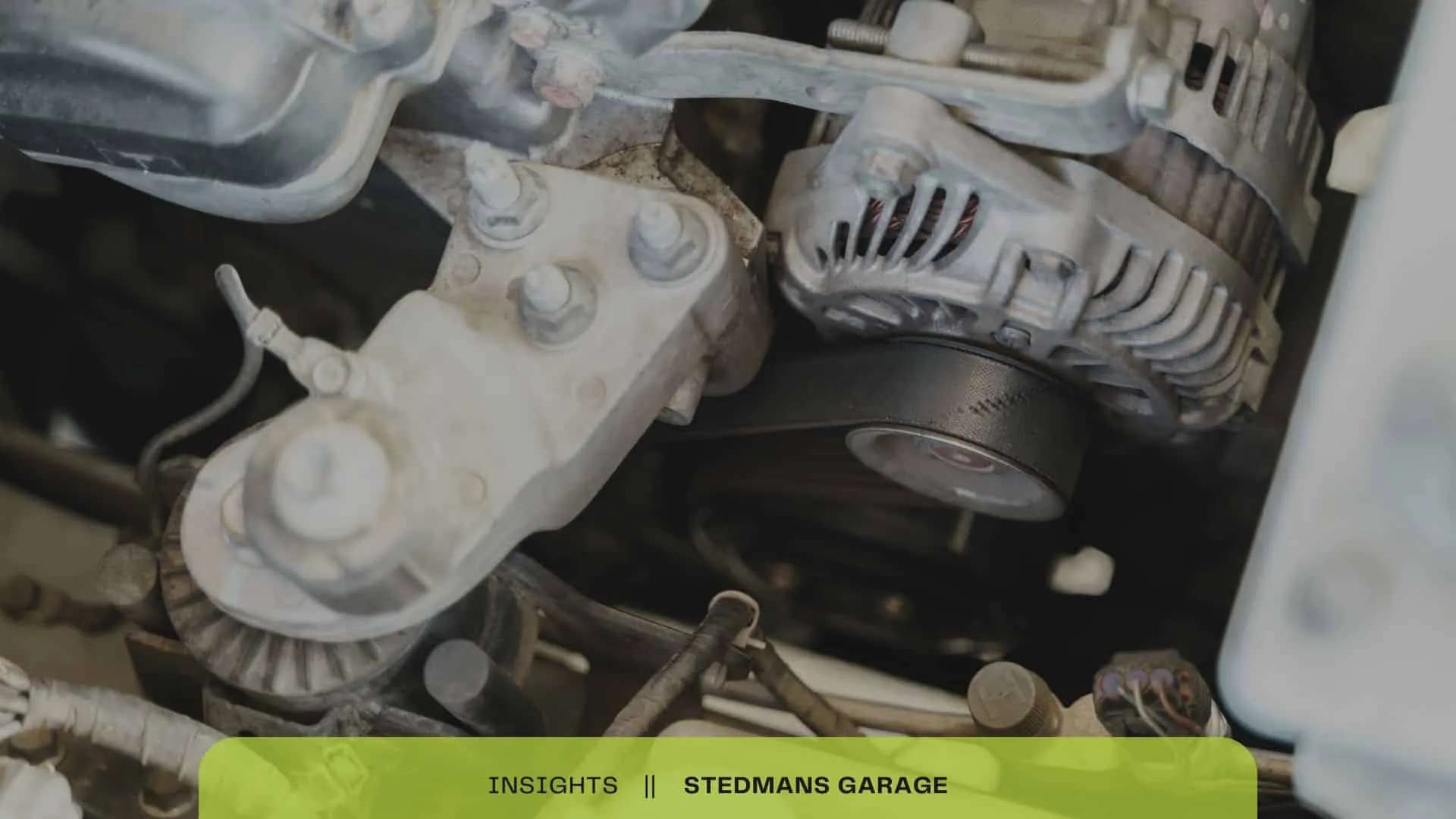
Noise is another differentiating factor between belts and chains. Timing belts are smoother and quieter, contributing to a more pleasant driving experience. This characteristic is due to their rubber composition, which minimises operational noise. Timing chains, however, can be noisier. The metal construction can generate more sound, especially if components such as tensioners wear over time.
Advantages of BMW Timing Chains & timing belts
Longevity and Durability
BMW's preference for timing chains over belts stems largely from the longevity and durability that chains offer. Timing chains, made from metal, generally outlast their rubber belt counterparts. A belt has a set replacement interval in miles and years; a chain has none and, if the oil is looked after, often lasts the life of the engine.
Reduced Maintenance Frequency
One of the key benefits of timing chains is that there is no routine replacement to plan for. Unlike belts, which are changed at set intervals, timing chains are treated as 'lifetime' components in BMW engines. They are not infallible, though: chains stretch, and guides and tensioners wear, especially if oil changes are missed. Having no scheduled replacement keeps long-term maintenance costs down for most owners.
Resilience in High-Temperature Conditions
Metal chains are not affected by heat and age in the way rubber belts are. A rubber belt hardens and cracks over time, even on a car that covers few miles, which is why belts carry an age limit as well as a mileage limit. A chain's weak points are different: its guides, its tensioner and the oil that lubricates it.

Potential Issues with BMW Timing Chains & Timing Belts
Common Problems in Specific BMW Engines
BMW’s N47 and N20 engines are well-known for their respective timing chain challenges. The N47 engine, particularly those manufactured from 2007 to 2011, has been plagued by timing chain failures. This is due to the chain’s placement at the rear of the engine, complicating repairs and increasing costs.
For owners of an affected car, this guide to BMW N47 timing chain problems lists the models that use the engine and what can be done about it.
Similarly, the early production N20 engines experienced premature timing chain wear, leading to significant engine problems, including decreased power and engine failure.
Wear of Chain Tensioners and Guides
Wear and tear of timing chain tensioners and guides is another prevalent issue. As these components degrade, the chain can lose alignment, causing timing discrepancies. This results in symptoms such as engine noise during startup or acceleration, misfires, and reduced fuel economy.
The N20 engine is particularly susceptible due to early models using less durable plastic for chain guides. These guides were redesigned in 2015 to a more robust material, mitigating the issue for later models.
Potential for Premature Failure
Premature failures in timing chains can result in catastrophic engine damage, including valves striking the pistons. On the BMW N20, the risk grows with mileage and is higher if oil changes have been missed, and putting a failure right is an expensive job.
Preventive measures, such as timely inspections and adhering to maintenance schedules, are crucial to avoid costly consequences. Regular oil changes are vital for maintaining the integrity of timing chains, as they rely heavily on adequate lubrication.
Being aware of the intricacies of your vehicle’s timing system and addressing any concerns promptly is essential for the long-term health of your engine. This proactive approach can save BMW owners from significant repair expenses down the line.
Maintenance and Replacement Guidelines
Recommended Replacement Intervals
BMW timing systems play a crucial role in engine function, ensuring the synchronisation of the camshaft and crankshaft. On the older belt-driven engines, the belt is due at the mileage or age the manufacturer set for that engine, whichever comes first, and a belt with no record of being changed should be treated as due. BMW sets no replacement interval for a timing chain. Instead, a chain is checked when it shows symptoms, such as a rattle on a cold start, or when a fault code points to the cam and crank timing.
Signs of Timing Chain and Belt Wear
Identifying early signs of wear in timing chains and belts can avert significant engine issues. Common indications include:
- Unusual Noises: A rattling sound, especially when cold, may signal a loose chain.
- Engine Misfire and Performance Issues: A worn timing component may cause irregular engine performance or impact fuel efficiency.
- Metal Shavings in Oil: If present during an oil change, this may indicate timing chain wear.
Regular monitoring of these signs can enable timely repairs, maintaining engine health.
Importance of Regular Oil Changes
The longevity of BMW timing chains is heavily influenced by oil quality. Changing the oil when the car's service indicator calls for it keeps the chain, guides and tensioner properly lubricated. Old or low oil accelerates wear, shortening the chain's life and potentially affecting overall engine performance.
Regular inspections, attentive listening for unusual sounds, and maintaining optimal oil health are key practices to sustain the effectiveness of your BMW's timing system.
Cost Considerations
Replacement Costs: Timing Chains vs. Belts
Timing chains and belts in BMWs differ significantly in replacement costs and labour intensity. Replacing a timing chain is more expensive due to the complex procedure and the higher price of parts.
Conversely, the cost of a timing belt replacement is generally lower. This is because belts are more accessible and involve less intricate disassembly. Despite their cheaper replacement cost, timing belts require more frequent changes than chains, affecting overall long-term expenses.
Potential Engine Damage Costs
A failed timing system can cause severe engine damage, leading to high repair expenses. A timing chain failure in BMWs can result in catastrophic engine issues such as bent valves, damaged pistons, or camshaft housing damage. These repairs can escalate costs into thousands, sometimes necessitating a full engine replacement.
Timing belts, if neglected, can also cause serious problems. A worn belt can jump a tooth, causing misfires and poor running, or snap without warning. On an interference engine, a snapped belt lets the valves hit the pistons, and the damage is just as severe as a chain failure.
Long-Term Cost-Effectiveness
Timing chains offer long-term durability, and many are never replaced in the life of the car. That makes them cheaper to own over time, even though a chain job costs more than a belt change when one is needed. Timing belts, while cheaper to replace, have to be changed at every interval the manufacturer sets, and those costs add up over time.
Over the years of ownership, timing chains are generally the cheaper system for BMW owners to live with: the occasional chain repair is balanced by having no routine replacements, whereas a belt is a recurring expense.
Understanding these cost implications helps BMW owners plan for the system their engine has. Proper maintenance remains crucial to minimise unexpected costs and enhance longevity. Whether your engine has a chain or a belt, being proactive in care ensures optimal performance and cost-efficiency.
Conclusion: Making an Informed Decision
Weighing the Pros and Cons
You do not choose between timing chains and timing belts for your BMW: the engine decides. If you are buying an older BMW, find out which one it has, because that decides the maintenance it needs. Timing chains are well-regarded for their durability and longevity, often designed to last the life of the engine. However, when issues like stretching or tensioner wear arise, repairs can be costly and complex.
Timing belts, while quieter and less expensive to replace, have to be changed at the intervals the manufacturer sets. Regular inspection and timely replacement are crucial to avoid catastrophic engine damage. Knowing which system your engine has, and what it needs, is the basis of a sensible maintenance plan for the car.
Importance of Regular Maintenance
Maintaining your BMW’s timing system is paramount, regardless of whether it uses a belt or a chain. Regular check-ups can prevent minor issues from escalating into major, costly repairs. Consistent oil changes are particularly crucial for the health of timing chains, ensuring reduced wear and extending their lifespan. Timing belts, meanwhile, require adherence to specific replacement intervals to safeguard against sudden failures.
Utilising Stedmans Garage
For those based in the south east of England, Stedmans Garage offers expertise in handling timing system issues for BMWs. They provide comprehensive services that include diagnostics, maintenance, and repairs specific to both timing belts and chains. Their understanding of common BMW timing issues can be invaluable, ensuring problems are addressed promptly and efficiently. You can find more information and book an appointment through their website: Stedmans Garage.
Understanding the nuances between timing systems and prioritising regular maintenance can significantly impact the longevity and performance of your BMW's engine. As you navigate your options, consider the expert services available to support your vehicle's needs.