
BMW transmission problems usually show up as jerky or delayed gear changes, slipping gears, a transmission fault or malfunction warning on the dash, whining or grinding noises, or a burning smell. The usual causes are low or contaminated transmission fluid, a leak, an electrical or sensor fault, or wear inside the gearbox itself. Because several faults can produce the same symptoms, a diagnostic check should come before any parts are replaced.
Introduction
The transmission system is a critical component in any BMW vehicle. It is responsible for transferring engine power to the wheels and optimising overall vehicle performance. Without a properly functioning transmission, acceleration, speed control, and even basic drivability can be severely impacted.
This blog post explores some of the most common BMW transmission problems that owners may encounter. Understanding these issues and their warning signs is the first step towards identifying and resolving transmission faults promptly. Catching problems early can help prevent more extensive and expensive repairs down the road.
Significance of Transmissions in BMWs
BMW uses sophisticated transmission technology in its vehicles. Most models utilise advanced automatic transmissions that deliver smooth, precisely timed gear changes. Manual and dual-clutch transmissions are also offered on certain models for drivers seeking a more engaging driving experience.
No matter the transmission type, proper operation is critical. Transmission components work together to transfer engine torque to the wheels. Without this power transfer, accelerating, maintaining speed, and manoeuvring would be impossible.
Purpose of this Blog Post
This blog post serves as a guide to common BMW transmission problems. It covers:
- Types of BMW transmissions and how they work
- Symptoms indicating potential transmission trouble
- Common faults and failure modes
- Solutions and preventative maintenance tips
- When to seek professional service
- Frequently asked questions
Equipped with this information, BMW owners can better understand transmission operation, recognise issues early, and make informed decisions regarding maintenance and repair.
Understanding BMW Transmission Systems
BMW vehicles utilise several types of transmissions to transfer engine power to the wheels, including automatic, manual, and dual-clutch transmissions. Each system plays a critical role in controlling power delivery for optimised vehicle performance.
Automatic Transmissions
Most modern BMW models use advanced 8-speed automatic transmissions. These feature a torque converter and planetary gear sets to smoothly shift through gears without any driver input required. Automatic transmissions are appreciated for their convenience and comfort during everyday driving.
Manual Transmissions
BMW has offered traditional six-speed manual gearboxes across its range, though availability has narrowed to a handful of models in recent years. Manuals give drivers more direct control over power delivery for spirited performance. However, they do require operating a clutch pedal and gear shift lever to change gears manually.
Dual-Clutch Transmissions
High-performance BMW M models have used 7-speed dual-clutch transmissions, though more recent M cars have moved back to eight-speed automatics. These advanced systems use two separate clutches and gear sets to enable incredibly quick and precise shifts. Dual-clutch transmissions bridge the gap between the control of a manual and the refinement of an automatic.
No matter the transmission type, proper maintenance is key to ensuring smooth, reliable performance. Fluid changes, inspections, and prompt repairs help minimise issues down the road.
Common BMW Transmission Problems
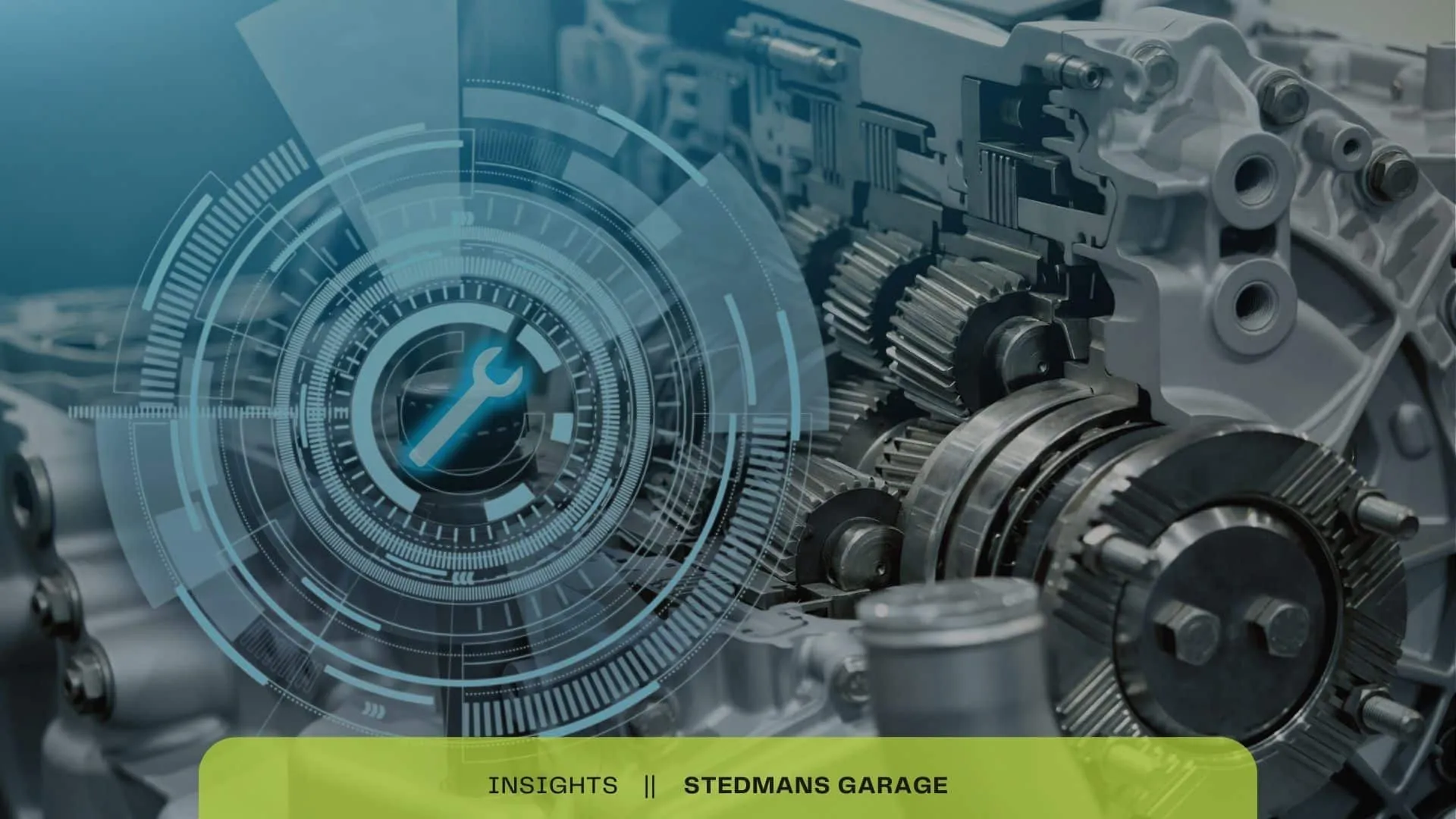
BMW vehicles are known for their performance and handling capabilities, but like any vehicle, they can experience issues with the transmission over time. Some of the most common BMW transmission problems stem from fluid leaks, rough shifting, warning lights, and slipping gears.
Fluid Leaks
Transmission fluid is essential for keeping the components properly lubricated and cool. Leaks can develop from various points like seals and gaskets, allowing fluid levels to run low. This can lead to overheating issues within the transmission, potentially damaging internal components and affecting performance.
Rough Shifting
If you notice jerky or abrupt gear changes, it could point to problems like worn shift solenoids or transmission control modules. This impacts the vehicle's ability to smoothly transition between gears. Rough shifts reduce driving comfort and may indicate the need for transmission repairs.
Warning Lights
Pay attention to warning lights like the "Transmission Malfunction" indicator on your BMW's dashboard. These alerts signify detected issues with the transmission control system. Ignoring them risks more severe mechanical problems. Have the codes read and inspected by a professional right away.
Slipping Gears
Gears that slip or struggle to engage properly affect acceleration and performance. You may notice high RPMs with minimal increase in road speed as you press the gas. This suggests internal components like clutches are worn out. Delayed or slipping shifts dramatically impact the driving experience and require prompt diagnosis.
Catching transmission problems early is key to minimising repair costs and damage. Poor shifting, leaks, and warning lights point to underlying issues needing attention. Consult a professional BMW mechanic if you notice these symptoms arise.
Signs of Transmission Problems
Unusual noises coming from the transmission system, such as whining, grinding or humming, can indicate potential problems. These noises signify internal issues within the complex assembly of gears, shafts and bearings. As BMW transmissions rely on precise tolerances and timing, any deviation from normal operation gets amplified into audible signs of trouble.
A burning odour emanating from the transmission points to overheated fluid. Transmission fluid not only lubricates the internal components, but also dissipates heat. Insufficient fluid levels can cause overheating and fluid breakdown. This produces a distinctive burning smell, alerting drivers to inspect fluid levels and top up if required.
Difficulties Shifting Gears
Drivers may experience difficulties getting BMW manual transmissions into or out of gear. Likewise, automatic transmissions may hesitate before engaging a gear or produce hard shifts. This indicates components are worn-out or failing to mesh correctly. Potential culprits range from damaged synchronizers and gears in manual transmissions to faulty valves and clutches in automatics.
Diagnosing the root cause requires analysis by a professional mechanic. However, drivers can mitigate such issues through preventive transmission maintenance and fluid changes at recommended intervals.
Warning Lights
Modern BMW models have onboard diagnostics to detect transmission problems. Warning lights such as the transmission fault indicator prompt drivers to seek immediate diagnosis. Ignoring the warnings risks further damage and costlier repairs down the line.
Solutions to BMW Transmission Issues
Routine transmission fluid changes and inspections are critical for maintaining optimal performance of BMW transmissions. As the transmission fluid breaks down over time, it can lead to rough shifting, slipping gears, and eventual transmission failure if left unchanged. BMW has described the fluid in many of its automatic gearboxes as a lifetime fill, and there is no single mileage figure that applies to every model, so the sensible approach is to follow the schedule for your own car and to have the fluid checked sooner if it tows, covers mostly short journeys or sits in heavy stop-start traffic. When getting the fluid serviced, a complete flush is ideal to fully remove old fluid and debris.
Fluid leaks are another common cause of BMW transmission problems. The seals and gaskets in the transmission can wear down over time, allowing fluid to slowly seep out. Catching and repairing leaks early is key, as low fluid levels will quickly lead to overheating and damage. Some signs of a leak include red fluid under the car, a burning smell, or the need to frequently top off the fluid. Have any external leaks traced to the source and repaired promptly.
In cases of major mechanical issues inside the transmission, or slippage and grinding despite adequate fluid, professional repair or rebuild services may be required. Repairs can quickly become complex and expensive due to the sophisticated engineering of BMW transmissions. If you experience jerky shifting, delayed gear changes, warning lights, or other serious symptoms, it is best to have the car looked at by a garage that works on BMWs and can read the transmission's own fault data before any parts are replaced.
When to Seek Professional Help
Consult professional BMW technicians anytime your transmission is not performing properly or you encounter the following issues:
- Warning lights indicating a transmission fault
- Burning smells from transmission fluid
- Visible fluid leaks underneath the vehicle
- Unusual noises such as grinding or whining
- Difficulty shifting gears or delayed gear engagement
- Jerky or slipping between gears while accelerating
Driving with transmission problems can quickly lead to more severe damage and breakdowns. Seeking prompt professional diagnosis and repair services as soon as issues emerge can often save you money over the long run. For safety-related problems, cease driving right away and have your BMW towed to a garage.

When to Seek Professional Help
Knowing when to seek professional help for BMW transmission issues is crucial to prevent further damage and ensure safety. As soon as you notice any of the common symptoms discussed in this blog, such as slipping shifts, difficulty changing gears, leaks or warning lights, it's wise to have your BMW inspected by a certified mechanic.
Address Safety Issues Immediately
Safety should always be the top priority when operating a vehicle. If you experience transmission problems that affect acceleration, shifting gears, or result in vibrations or shaking, have your BMW checked right away. Driving with these symptoms can lead to dangerous situations on the road. Seeking prompt professional diagnosis and repairs helps get your BMW operating safely again.
Don't Ignore Warning Signs
The transmission fault warning light, burning smells, unusual noises, and shifting difficulties are clear signs something is amiss. While you may be able to limp along for a short time, the situation will likely worsen. Ignoring these early warning signs risks more extensive and costly transmission repairs down the road.
Routine Maintenance Also Crucial
Along with addressing existing transmission problems promptly, maintaining your BMW properly is key. Follow the manufacturer's recommendations for periodic transmission fluid changes and inspections. This preventative maintenance helps minimise wear and tear and detect minor issues before they become major repairs.
By staying vigilant to transmission warning signs and pursuing preventative upkeep, BMW owners can often avoid costly transmission overhauls. When in doubt, seek professional assistance to get your vehicle operating safely and optimally again.
BMW transmission diagnostics in Worthing
If your BMW is slipping, hesitating between gears or showing a transmission fault warning, our BMW specialist garage in Worthing can evaluate how the gearbox is behaving and explain what the evidence shows before any repair is agreed. For other BMW systems, see our guides to how BMW xDrive works and what BMW warning lights mean.
FAQs About BMW Transmission Issues
BMW transmissions are complex systems that can develop issues over time. Here are answers to some frequently asked questions about common BMW transmission problems.
What does a BMW transmission fault warning mean?
It means the car has detected a problem in the transmission and has often dropped the gearbox into a protective restricted mode. The cause can be anything from low or degraded fluid to a sensor, wiring or valve body fault, so the stored fault data should be read before any part is replaced.
Are BMWs known for transmission problems?
Transmission work is a regular part of what BMW specialists see, but most of it traces back to fluid condition, leaks and electrical faults rather than a failed gearbox. Spotting the early signs is what keeps a small job small: slipping gears, difficulty shifting, warning lights, unusual noises and overheating.
What causes most BMW transmission failures?
Low or contaminated transmission fluid is the most common starting point, usually from a leak or from fluid that has degraded and never been changed. Electrical and sensor faults, valve body problems and internal wear account for much of the rest.
Can I drive with a BMW transmission fault?
It is not advisable. If the car is slipping, has dropped into a restricted mode or is showing a transmission overheating warning, carrying on driving risks turning a repairable fault into a much bigger job. Stop somewhere safe and arrange for the car to be recovered or booked in promptly.
Should I repair or replace a BMW transmission?
Minor faults such as leaks, sensors and fluid problems are usually repairable. Whether a badly worn or damaged gearbox is worth rebuilding or replacing depends on the age, condition and history of the car, which is why a proper diagnosis should come before that decision.
Can Stedmans Garage diagnose BMW transmission faults?
Yes. Our Worthing workshop works on BMWs and can evaluate how the transmission is behaving, read its stored fault data and carry out the repair work that follows.
Preventive Maintenance Tips for BMW Owners
Regular preventive maintenance is crucial for minimising the risk of transmission problems in BMW vehicles. Here are some tips for BMW owners:
Check Transmission Fluid Regularly
Check your BMW's transmission fluid level at least once a month. Low fluid levels can lead to overheating and accelerated wear on internal components. Top up the fluid if it is low. Also watch for leaks and have any identified quickly fixed.
Change Transmission Fluid and Filter
Have the fluid and filter checked and replaced in line with the service schedule for your model rather than to a fixed mileage, and sooner if the fluid is discoloured or the car is worked hard. This removes contaminants and replenishes additives that help prolong transmission life. Replace the fluid filter as well during this service.
Inspect Transmission Components
When having your BMW serviced, request an inspection of seals, gaskets, lines, and other transmission parts. Catching small leaks early prevents bigger problems down the road.
Drive Carefully
Avoid aggressive driving behaviours like rapid acceleration and hard braking, which put extra strain on your BMW's transmission. Shifting smoothly and accelerating gently extends the life of your vehicle's components.
Listen for Unusual Noises
Be alert to any new vibrations, grinding or whining from your BMW’s transmission. Strange noises can indicate issues like low fluid, worn parts or the need for an adjustment. Address any audible changes right away before they worsen.
Respond to Warning Lights
If your BMW displays a "Transmission Malfunction" or "Transmission Hot" warning light, have it inspected immediately. These alerts signify a possible failure, and catching problems early reduces repair costs.
Staying vigilant with preventive maintenance keeps your BMW’s transmission running smoothly for years to come. Address issues promptly and rely on factory-trained technicians for major repairs.
Conclusion
In summary, transmission issues are a common problem for BMW owners. As discussed, problems like fluid leaks, rough shifting, warning lights and slipping gears can indicate underlying issues that require prompt attention. Seeking professional diagnosis and repairs as soon as these problems emerge is crucial for maintaining safety and performance.
BMW owners should keep up with routine maintenance like fluid changes and inspections. However, when major problems occur, it's best to visit a specialist BMW mechanic. Stedmans Garage offers expert transmission repairs and services to get your BMW running smoothly again.
By understanding common BMW transmission failures, staying vigilant, and taking quick action when issues arise, BMW drivers can avoid costly repairs down the road. For personalised guidance on transmission repairs, Stedmans Garage has the experience and expertise to diagnose and fix BMW transmission problems correctly the first time.