
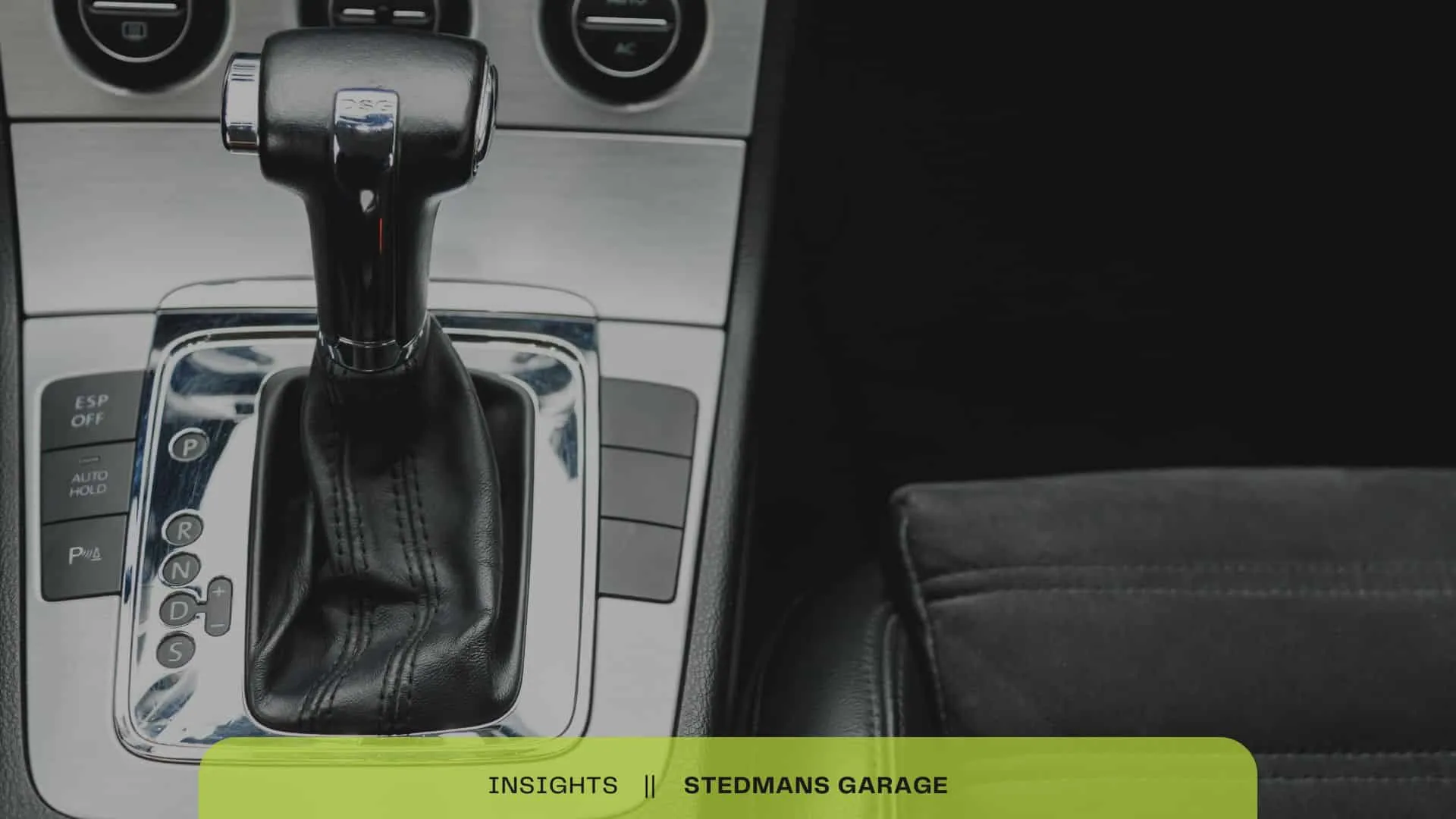
Introduction to Cupra DSG Transmissions
Prevalence of DSG in Cupra Vehicles
The DSG transmission is a staple in Cupra vehicles, a performance-oriented brand under the SEAT umbrella, which is part of the Volkswagen Group. Notably, models such as the Cupra Formentor and Cupra Leon feature DSG gearboxes as standard or optional equipment. This integration underscores the brand's commitment to delivering high-performance driving experiences, leveraging the advanced capabilities of DSG technology to enhance vehicle dynamics.
Overview of Direct Shift Gearbox (DSG) Technology
A Direct Shift Gearbox (DSG) is an electronically controlled, dual-clutch, automatic transmission system developed by the Volkswagen Group. Unlike conventional automatic gearboxes, DSG uses two separate clutches for odd and even gears, allowing pre-selection of the next gear before the current gear is disengaged. This technology ensures seamless and rapid gear changes, enhancing both performance and driving comfort. The intelligent design of DSG means that while one clutch is engaged, the other is prepped for the next shift, significantly reducing shift times and providing a smoother ride.
Benefits of DSG Transmissions in Performance Applications
Faster Gear Shifts
One of the primary advantages of DSG gearboxes in performance applications is the speed of gear changes. The dual-clutch system allows for shifts that occur in mere milliseconds, exceeding the capabilities of both manual and traditional automatic transmissions. This rapid shifting enhances acceleration and overall driving performance.
Smooth Transition
DSG technology ensures smooth gear transitions, which is especially beneficial in dynamic driving conditions. The pre-selection mechanism virtually eliminates any lag or jolt often associated with gear changes in other systems. This smoothness contributes to a more refined driving experience, especially at higher speeds or during spirited driving.
Improved Efficiency
Despite the complexity of dual-clutch systems, DSG transmissions can offer improved fuel efficiency compared to traditional automatics. This efficiency stems from the reduced power loss during shifts, helping drivers get the most out of every litre of fuel.
Dual-Mode Flexibility
The DSG gearbox can operate in both fully automatic and semi-manual modes. This flexibility allows drivers to enjoy the convenience of an automatic transmission during regular commutes and the tactile engagement of manual shifts when desired. The semi-manual mode often includes paddle shifters or gear selector controls, offering a more hands-on driving experience without the need for a clutch pedal.
With these advantages, it is clear why DSG technology is a preferred choice in Cupra’s high-performance vehicles. The next chapter will delve deeper into the common issues associated with DSG transmissions, helping you understand potential challenges and solutions.
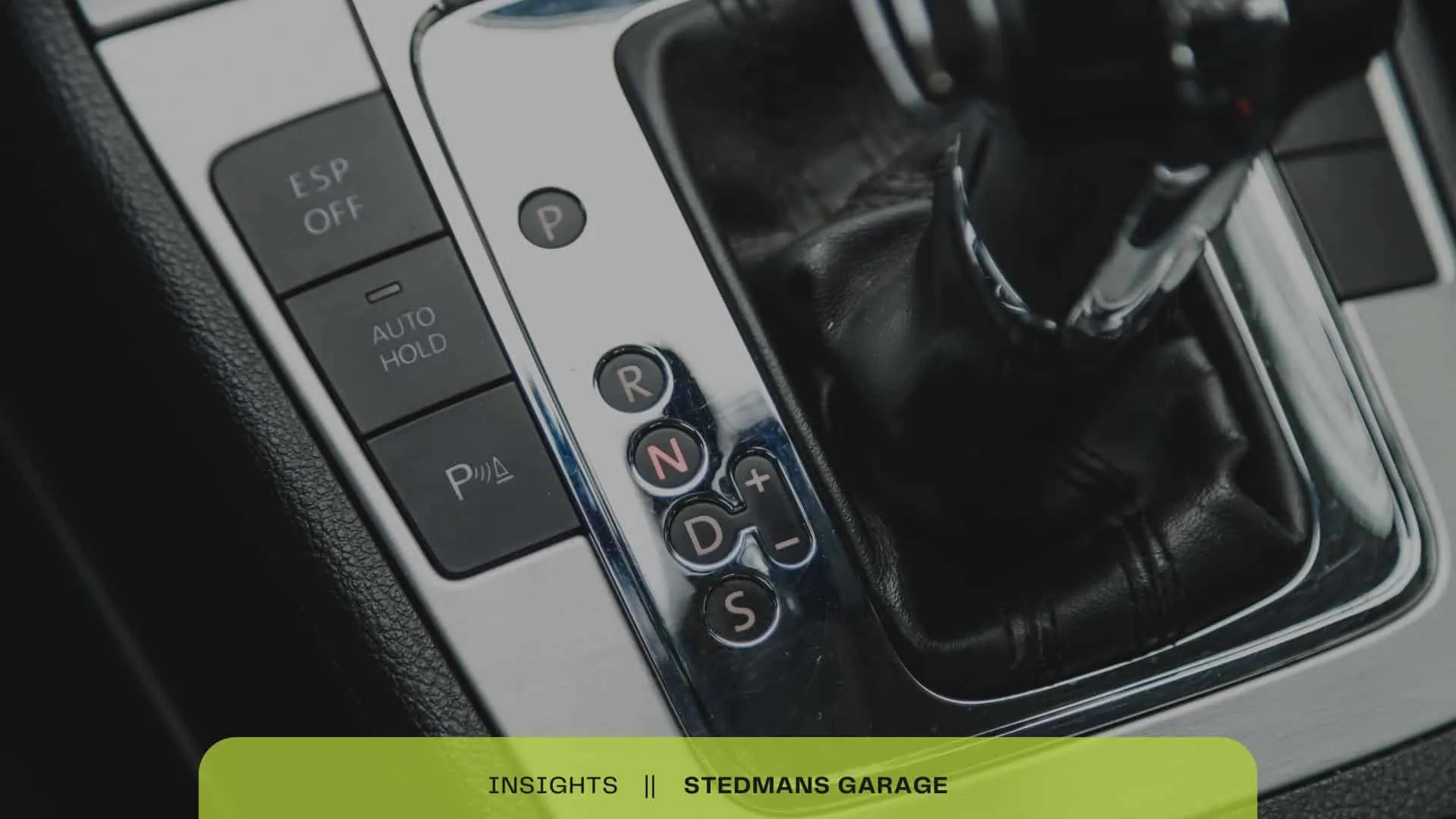
Common DSG Transmission Issues
Solenoid Valve Problems and Symptoms
Solenoid valve issues are a frequent complication in DSG transmissions. These valves regulate the flow of hydraulic fluid necessary for gear changes. When a solenoid valve malfunctions, you may experience several signs:
- Rough, jerky gear changes
- The car slipping in and out of gear
- Gears delayed in engaging or not engaging at all
These symptoms can lead to an uncomfortable driving experience and, if ignored, result in more severe transmission problems. Early detection and prompt intervention are essential. For further details on such solenoid valve issues, see this Stedmans Garage article.
Mechatronic Unit Failures
The mechatronic unit is a critical component in DSG transmissions, merging mechanical and electronic functions to facilitate smooth gear shifts. Common issues attributable to mechatronic failures include:
- Sudden loss of power
- Harsh gearshifts
- Failure to select some gears
- Engine stalls at low speeds
- Mechanical noises
- Excessive vibration
Any of these symptoms warrant immediate attention. Sometimes, repairs may not suffice, necessitating the replacement of the mechatronic unit.
Clutch Wear in Dry vs. Wet DSG Systems
Clutch wear is another prevalent issue in DSG transmissions, particularly distinguishing between dry and wet clutch systems. Here's a breakdown:
Dry Clutches
Dry clutches are not immersed in oil, making them more efficient but noisier and prone to faster wear. They are used in the 7-speed DQ200, which is fitted behind smaller engines.
- Noisier operation
- Shorter lifespan due to lack of cooling lubrication
Wet Clutches
Wet clutches are submerged in oil, which helps keep the components cool and reduces wear. These are generally more robust and are used in larger engine vehicles. Benefits include:
- Longer lifespan due to cooling lubrication
- Smoother and quieter operation
Understanding these common DSG transmission issues and their symptoms can help in early detection and maintenance, thus extending the lifespan of your vehicle’s transmission system. Always consult a specialist like Stedmans Garage for diagnoses and repairs to ensure optimal performance.
Diagnosing DSG Transmission Problems
Key Symptoms of DSG Failures
Identifying issues in DSG transmissions in Cupra vehicles can be challenging, but certain symptoms are clear indicators of problems. Owners commonly report rough, jerky gear changes, or the transmission slipping in and out of gear, often caused by solenoid valve problems. Additionally, gears may engage late or not at all. Other symptoms include:
- Transmission jerking between shifts
- Clunking sounds when changing gears
- Irregular lag when starting the car
- Flashing engine management warning light on the dashboard
- A slight burning smell
- Clutch slip or banging when engaged
Problems with mechatronic units and high-pressure pumps also have specific signs. These include no drive in any gear, transmission refusal to shift, flashing gear selectors, loud noises from the transmission, and error messages on the dashboard.
Warning Signs of Impending Issues
Early detection of DSG transmission issues is crucial. Warning signs can include delayed gear changes, erratic kickdowns, hard downshifts, unusual noises, smells, and oil leaks. If you experience bad gear selection, stuck gears, or no gear selection, it is essential to address these early. Vibration and knocking sensations, as well as worrying noises, are also common indicators.
Importance of Early Diagnosis and Intervention
Early diagnosis and prompt intervention are vital for maintaining the performance and longevity of DSG transmissions. Ignoring initial symptoms can lead to more significant problems, which are more costly and time-consuming to repair. Recognising warning signs and seeking specialist consultations can help prevent catastrophic failures. Regular maintenance, such as timely oil changes and using the correct transmission fluids, can prevent many problems and ensure the gearbox remains in optimal condition.
By addressing issues early, Cupra owners can avoid extensive damage and costly repairs, thus extending the lifespan of their DSG transmission and ensuring a smooth driving experience. For professional advice and diagnostics, visiting a Cupra specialist like Stedmans Garage is highly recommended.
Specific DSG Issues in Cupra Models
Reliability Differences Between Wet-Clutch and Dry-Clutch DSG Units
The useful distinction is the clutch type, not the number of gears. The 6-speed DQ250 and the 7-speed DQ381 and DQ500 all use wet multi-plate clutches running in oil, while the 7-speed DQ200 uses dry clutches. This divergence significantly affects the performance and reliability of each unit. The wet-clutch gearboxes are generally regarded as more robust and reliable, particularly in higher power applications.
In contrast, the dry-clutch DQ200, though praised for its efficiency, has faced criticism for poorer reliability and less smooth operation, particularly in slow traffic. The performance Cupras use wet-clutch gearboxes: the 2.0 TSI Formentor and Leon have the 7-speed DQ381, and earlier Leon Cupra models used the 6-speed DQ250. The DQ200 is found behind smaller petrol engines such as the 1.5 TSI.
Common Problems in Cupra Formentor and Leon Models
Both the Cupra Formentor and Leon models have reported several recurring issues with their DSG transmissions. For instance:
- Solenoid Valve Problems: These can lead to rough, jerky gear changes and the transmission slipping in and out of gear. Symptoms include delays or failures in gear engagements.
- Mechatronic Unit Failures: Not uncommon, these failures can result in severe transmission issues, including harsh gear shifts and sudden losses of power. This is often linked to earlier DSG units, such as those in older Leon models.
- Clutch Wear: Dry clutches in the DQ200 are particularly prone to wear, especially under heavy use. Conversely, the wet clutches in the DQ250 and DQ381 are more durable but require proper maintenance.
Recall Information for Affected Cupra Vehicles
Recalls have been issued on VW Group DSG gearboxes in the past, and Cupra shares its gearboxes with Volkswagen, Audi, SEAT and Skoda models. To find out whether your Cupra Formentor or Leon is affected by a recall, use the DVSA vehicle recall checker, which searches by make and model, or ask a Cupra dealer to check the vehicle identification number (VIN).
That shared hardware runs deeper than the gearbox, as our piece on how the Leon Cupra and Octavia vRS share VW Group engineering shows, from the engines through to the drivetrain.
Understanding the specific DSG issues prevalent in Cupra models is vital for proper maintenance and timely interventions. The difference between wet-clutch and dry-clutch DSG units has clear implications for owners, with the wet-clutch gearboxes generally regarded as the more robust. Awareness of common problems and recall information can help Cupra owners take preemptive measures to ensure their vehicles run smoothly.
Preventative Maintenance for DSG Transmissions
Recommended Service Intervals for DSG Gearboxes
To maintain the optimal performance of DSG transmissions in Cupra vehicles, adhering to recommended service intervals is crucial. The wet-clutch gearboxes have their oil and filter changed at a set interval: every 40,000 miles on the DQ250 and DQ500, and at the longer interval in the service schedule on the DQ381. The dry-clutch DQ200 has no scheduled oil change. Dirty oil can cause overheating and clutch burnouts, leading to compromised gear selection and overall transmission failure. Regular servicing ensures that your DSG gearbox remains efficient and durable over the long term.
Proper Usage Habits to Extend DSG Lifespan
Driving style has a significant impact on the longevity of DSG transmissions. Here are key habits to practise:
- Smooth Gear Changes: Avoid abrupt acceleration and high-speed driving, which put extra stress on the transmission.
- Regular Inspections: Have your transmission checked periodically for signs of wear and tear. Timely detection can prevent extensive damage.
- Cooling System Maintenance: Ensure that the gearbox cooling system is functioning correctly to prevent overheating.
Importance of Using Correct Transmission Fluids
Using the correct transmission fluid is vital for the health of the DSG gearbox. The DSG fluid is a specific type of gear oil with unique properties. It ensures smooth operation, reduces wear, and has excellent thermal stability. Using the wrong fluid can result in severe transmission issues. Always refer to the manufacturer’s recommendations for the appropriate type and viscosity.
Preventative maintenance for DSG transmissions involves adhering to service intervals, practising good driving habits, and using the correct fluids. Each of these aspects plays a crucial role in ensuring the longevity and optimal performance of your DSG gearbox.
Repair and Replacement Options
Cost Considerations for DSG Repairs vs. Replacements
Repairing or replacing a DSG transmission in a Cupra can represent a significant expense. The cost of replacing a twin clutch/DSG gearbox can sometimes range from £1,100 to £2,300 depending on the specifics of the vehicle and the nature of the repair.
Additionally, labour costs can add several hundred pounds to the total expenditure. When it comes to DSG transmissions, a complete replacement is often more costly than repairs, especially when you consider that remedial fixes generally address specific components which are failing. Clutch replacements, for instance, might be necessary after prolonged use but are less expensive than an entire gearbox overhaul.
Availability of Remanufactured Mechatronic Units
One cost-effective option for Cupra owners facing DSG issues is opting for remanufactured mechatronic units. These refurbished units can sometimes save up to 50% compared to brand-new parts purchased from the main dealers, with prices starting from as little as £850.
Benefits of These Units
Remanufactured mechatronic units undergo rigorous testing and quality control to ensure they meet or exceed the original specifications. They often come with warranties that offer peace of mind similar to that of new units but at a fraction of the cost. Additionally, these units help reduce environmental impact by reusing existing components.
Benefits of Specialist DSG Repair Services
Engaging a specialist for DSG repairs can provide several advantages:
- Expertise and Experience: Specialists possess in-depth knowledge of DSG systems, enabling accurate diagnostics and effective repairs.
- State-of-the-Art Equipment: Workshops like Stedmans Garage are equipped with the latest tools and diagnostic devices, ensuring high-quality service.
- Access to High-Quality Parts: Specialists often have relationships with parts suppliers, obtaining high-quality OEM or remanufactured parts at competitive prices.
- Comprehensive Service: From routine maintenance to complex repairs, specialists can handle all aspects of DSG service, saving time and ensuring the longevity of the transmission.
Using a specialist not only ensures better service quality but also helps to maintain the vehicle’s resale value and performance standards. By carefully considering the cost implications and opting for high-quality remanufactured parts when viable, Cupra owners can effectively manage DSG transmission issues without excessive expenditure. Additionally, leveraging the expertise of specialists like those at Stedmans Garage can further ensure optimal results and long-lasting repairs.
Frequently Asked Questions
What are the most common DSG gearbox problems on Cupra models?
Three account for most of them: solenoid valve problems, mechatronic unit failures and clutch wear. All three have been reported on both the Cupra Formentor and the Cupra Leon, and between them they cause most of the rough shifting, slipping and loss of drive that owners notice.
What is the difference between a wet and a dry clutch DSG?
A dry clutch DSG runs its clutches without oil, which makes it efficient but noisier and quicker to wear. A wet clutch DSG runs its clutches in oil, which keeps them cool and reduces wear, so it is the more robust design and the one used with larger, more powerful engines. Knowing which one your Cupra has matters, because their maintenance needs differ.
What are the symptoms of a failing DSG mechatronic unit?
Sudden loss of power, harsh gear changes, failure to select some gears, the engine stalling at low speed, mechanical noises from the gearbox and excessive vibration. Any of these needs attention promptly, because driving on a failing mechatronic unit can cause further damage.
Does a faulty mechatronic unit always need replacing?
Not always, but sometimes a repair is not enough and the unit has to be replaced. Where replacement is needed, a remanufactured mechatronic unit is a cost-effective alternative to a new one: remanufactured units are tested against the original specification and often come with a warranty.
Why does the correct DSG gearbox fluid matter?
DSG fluid is a specific gear oil with its own properties: it keeps the gearbox operating smoothly, reduces wear and stays stable at high temperatures. The wrong fluid can cause serious gearbox problems, and old, dirty fluid can lead to overheating and burnt-out clutches. Always use the type the manufacturer specifies.
Can Stedmans Garage repair a Cupra DSG gearbox?
Yes. We are a Cupra specialist in Worthing with main-dealer level equipment, and we maintain and repair DSG gearboxes as part of our Cupra servicing, diagnostics and repair work. A diagnostic check tells you whether the fault is a solenoid valve, the mechatronic unit or the clutches before any parts are ordered.
Conclusion: Expert Advice from Stedmans Garage
Summary of Key Points for Cupra Owners with DSG Transmissions
Understanding and maintaining your DSG transmission is crucial to ensure optimal performance and longevity. Here's a summarised list of the key takeaways for Cupra owners:
- Stay informed about the nature and function of your DSG gearbox, whether it has wet or dry clutches.
- Recognise common issues such as solenoid valve problems, mechatronic unit failures, and clutch wear.
- Identify symptoms of DSG failures early, such as jerky shifts, slipping gears, and unusual noises.
- Ensure regular and preventative maintenance with timely oil changes and correct transmission fluid usage.
Importance of Regular Maintenance and Prompt Attention to Issues
Regular maintenance of DSG transmissions cannot be overstated. It helps prevent clutch slipping, premature shaft bearing failure, and synchromesh failure, among other issues. Timely intervention can save significant costs in the long run and prolong the life of your DSG gearbox. For instance, clean and fresh oil is essential to prevent overheating and avoid the clutches from burning out. Similarly, paying attention to any unusual behaviour in your vehicle's transmission can help catch problems before they escalate.
Benefits of Choosing a Specialist Like Stedmans Garage for DSG Servicing
Choosing a specialist like Stedmans Garage for your DSG transmission servicing brings several benefits:
- Expertise: As DSG specialists, Stedmans Garage has years of experience in diagnosing and repairing DSG units.
- High-Quality Parts: Using only top-quality parts for repairs, ensuring optimal performance and longevity of the transmission.
- Comprehensive Service: From oil changes to complete transmission overhauls, offering a range of services tailored to your needs.
In conclusion, for Cupra owners, the key to a long-lasting and well-performing DSG transmission is regular maintenance, early diagnosis, and utilising the services of specialists. Proactive care not only maximises the lifespan of the gearbox but also ensures a smoother and more reliable driving experience.