

Skoda has earned a reputation for being the sensible choice in the Volkswagen Group lineup. They offer German engineering at a more accessible price point. Generally, the engines ( shared with VW, Audi, and SEAT ) are robust and reliable.
However, like any mechanical system, they have specific weak points. Whether you drive a Fabia, an Octavia, or a Kodiaq, knowing what to look out for can save you thousands in repair bills.
This guide breaks down the most common Skoda engine problems, helping you distinguish between a minor service item and a major mechanical failure.
Understanding Your Skoda Engine
To understand the problems, you first need to identify which engine is under your bonnet. Skoda engines generally fall into three categories:
- Petrol (TSI/TFSI): These are turbocharged petrol engines. They are punchy and efficient but are known for complex timing chain systems and oil consumption issues in older generations.
- Diesel (TDI): The long-distance workhorses. The 1.6 and 2.0 TDI units are legendary for fuel economy, but modern emissions equipment (DPF and EGR) can cause headaches.
- Hybrid (iV): Found in newer models like the Octavia iV and Superb iV. These combine a 1.4 TSI petrol engine with an electric motor. While reliable, the complexity of integrating two power sources introduces new potential electrical faults.
Top 4 Common Skoda Engine Problems
While Skoda reliability is generally high, these are the specific issues that mechanics see most frequently.
1. Excessive Oil Consumption
Affected Engines: Primarily 1.8 TSI and 2.0 TSI petrol engines (older generations).
If you find yourself topping up your oil every few weeks, you are not alone. Some Skoda petrol engines are notorious for burning oil. This is often caused by the design of the piston rings, which allow oil to slip into the combustion chamber.
The Symptoms:
- The low oil warning light comes on frequently between services.
- Blue smoke from the exhaust (burning oil).
- Sooty deposits on the rear bumper.
The Fix: Keep a close eye on your dipstick. If consumption is extreme (more than 1 litre per 1,000 miles), it may require an engine rebuild with updated piston rings, which is a significant repair.
2. Turbocharger Failures
Affected Engines: 1.6 TDI and older 1.2 TSI engines.
The turbocharger forces air into the engine to create power. In some Skoda diesel models, the actuator (the part that controls the turbo boost) can fail, or the turbo bearings can wear out due to oil starvation.
The Symptoms:
- Limp Mode: The car suddenly loses power and won't rev above 2,500 RPM.
- Whining Noise: A loud "dentist drill" sound when accelerating.
- Black/Blue Smoke: Thick smoke under acceleration.
The Fix: Turbo failure often stems from poor maintenance. Regular oil changes are the best prevention. If it fails, the unit usually needs replacing or refurbishing.
The same turbocharger appears across the group, and on the Cupra Leon it more often shows up as a boost leak than an outright failure. That version of the fault is covered in Cupra Leon turbo failure and boost leaks under load.
3. Diesel Particulate Filter (DPF) Blockages
Affected Engines: All modern TDI Diesel engines.
This is the most common issue for diesel owners who primarily drive in the city. The DPF traps soot from the exhaust. To clean itself (regenerate), the engine needs to get hot during a long motorway run. If you only do short school runs, the filter clogs up.
The Symptoms:
- An amber exhaust filter light appears on the dashboard.
- The car feels sluggish.
- The cooling fans run loudly even after the engine is turned off.
The Fix: Take the car for a 20-minute drive on a dual carriageway, keeping the revs above 2,000 RPM. If the light doesn't go out, you may need a professional "forced regeneration" or a chemical clean.
Short-journey drivers hit this far sooner than the mileage suggests, and the 1.6 TDI Octavia is the example we see most. There is a longer piece on DPF clogging in the Skoda Octavia 1.6 TDI and what actually works on a short commute.
4. Timing Chain Rattles
Affected Engines: 1.2 TSI and 1.4 TSI (Chain-driven versions).
Older TSI engines used a timing chain rather than a belt. These chains can stretch over time, or the tensioner can fail. If the chain jumps a tooth, it can cause catastrophic engine damage.
The Symptoms:
- A loud metallic "rattle" for 2-3 seconds immediately after starting the engine from cold.
- Rough idling.
- Check engine light (camshaft correlation error).
The Fix: Do not ignore a rattling chain. If you hear this noise on startup, have the tensioner and chain inspected immediately.
Diagnostic Procedures: How to Check
If you suspect your Skoda is developing a fault, here is how to investigate.
Visual Inspection Pop the bonnet. Look for oil leaks around the turbo and the valve cover. Check the coolant reservoir; is the pink liquid clean, or does it look like mayonnaise? (Oil mixing with water indicates a head gasket failure).
The Dashboard Check Modern Skodas are clever. If a light pops up, don't guess.
- Amber Light: Something is wrong, but you can usually drive to a garage.
- Red Light: Stop immediately. Driving further could kill the engine.
OBD-II Scanning This is the most accurate method. Plugging a diagnostic scanner into the port (usually under the steering wheel) gives you a "P-Code."
- P0299: Turbo Underboost.
- P0300: Random Misfire (Spark plugs or coils).
- P0420: Catalyst/Exhaust system efficiency.
Maintenance Strategies for Longevity
You can prevent most of these common Skoda engine problems with a strict maintenance routine.
1. Choose Fixed Servicing for Short Journeys Skoda offers flexible servicing, where the car works out when it is due and the gap can stretch to as much as two years, and fixed servicing on a set annual schedule. Flexible servicing suits cars that regularly cover long runs. A car doing mostly short local trips, which is exactly where turbo, timing chain and DPF trouble starts, is better on fixed servicing with an annual oil and filter change. Fresh oil is the cheapest insurance you can buy.
2. Use Premium Fuel If you drive a TDI, use premium diesel every 4th tank. It contains additives that help keep the injectors and the DPF clean.
3. Let the Turbo Cool Down After a hard drive or a motorway run, let the engine idle for 30 seconds before turning it off. This allows oil to circulate through the turbo as it spins down, preventing carbon build-up.
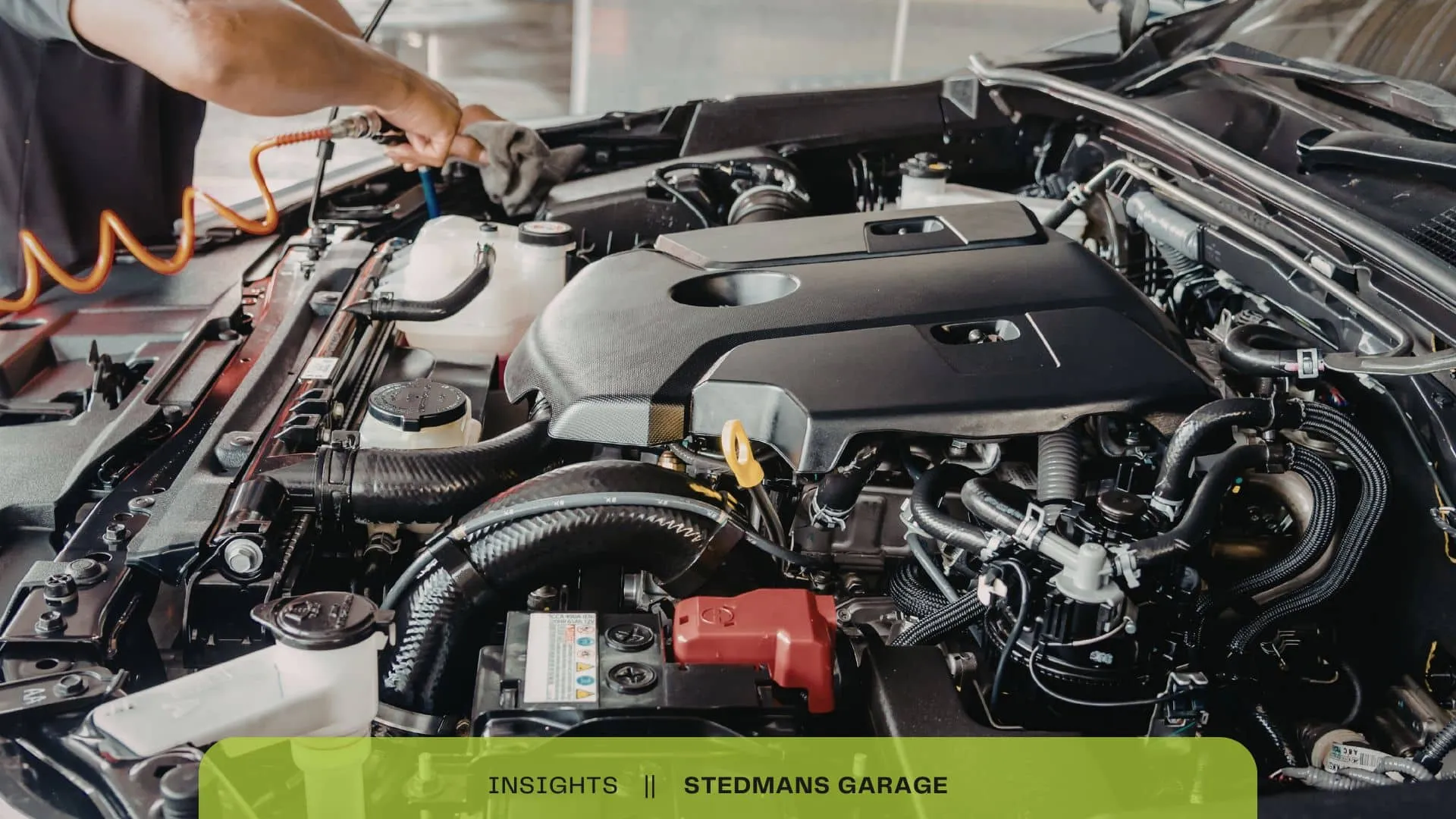
If you're unsure what's behind a fault, our guide to the common engine repair issues we see in Worthing covers the warning signs and what to do next.
Frequently Asked Questions
What are the most common Skoda engine problems?
Four come up most often. Older 1.8 and 2.0 TSI petrol engines can burn oil, the 1.6 TDI and older 1.2 TSI can suffer turbocharger failures, modern TDI diesels used mostly for short journeys block their diesel particulate filter, and chain-driven 1.2 and 1.4 TSI engines can develop a timing chain rattle.
Why is my Skoda TSI engine using so much oil?
Some older generation 1.8 and 2.0 TSI engines are known for burning oil, usually because the piston ring design lets oil slip past into the combustion chamber. The signs are the low oil warning coming on between services, blue smoke from the exhaust and sooty deposits on the rear bumper. Where consumption is extreme, the fix is an engine rebuild with updated piston rings, which is a significant repair.
What does a rattle on cold start mean on a Skoda TSI?
On a chain-driven 1.2 or 1.4 TSI, a loud metallic rattle for two or three seconds after a cold start points to a stretched timing chain or a failing tensioner. It can come with rough idling and a check engine light. Do not ignore it: if the chain jumps a tooth it can cause catastrophic engine damage, so have the chain and tensioner inspected straight away.
What are the signs of turbo failure on a Skoda?
The car suddenly loses power and goes into limp mode, a loud whining noise appears under acceleration, or thick black or blue smoke comes out under load. Turbo failure often comes down to oil starvation wearing the bearings, or a failed actuator on some diesels, which is why regular oil changes are the best prevention.
How do I clear a blocked DPF on a Skoda diesel?
The filter cleans itself by regenerating, which needs the engine properly hot. Try a 20 minute drive on a dual carriageway with the revs kept above 2,000 rpm. If the exhaust filter light still does not go out, the car needs a professional forced regeneration or a chemical clean.
Can Stedmans Garage diagnose Skoda engine problems?
Yes. We are a Skoda specialist in Worthing with main-dealer equipment, and we carry out complete vehicle computer diagnostics and engine work on Skodas from the Fabia to the Kodiaq. Reading the fault codes and live data first tells you whether a warning light is a minor service item or the start of a bigger mechanical problem.
Conclusion
Skoda engines are capable of high mileage if treated correctly. While issues like oil consumption and DPF blocks are common, they are manageable with knowledge and care.
The key takeaway? Listen to your car. A new noise or a warning light is a cry for help. Addressing these common Skoda engine problems early is the difference between a £200 sensor replacement and a £2,000 engine rebuild.
Keep your service book stamped, use quality oil, and your Skoda will remain the reliable companion it was built to be.
Related reading: when to replace your timing belt