
Understanding CUPRA's DSG Technology
Overview of Direct Shift Gearbox (DSG) and its Dual-Clutch System
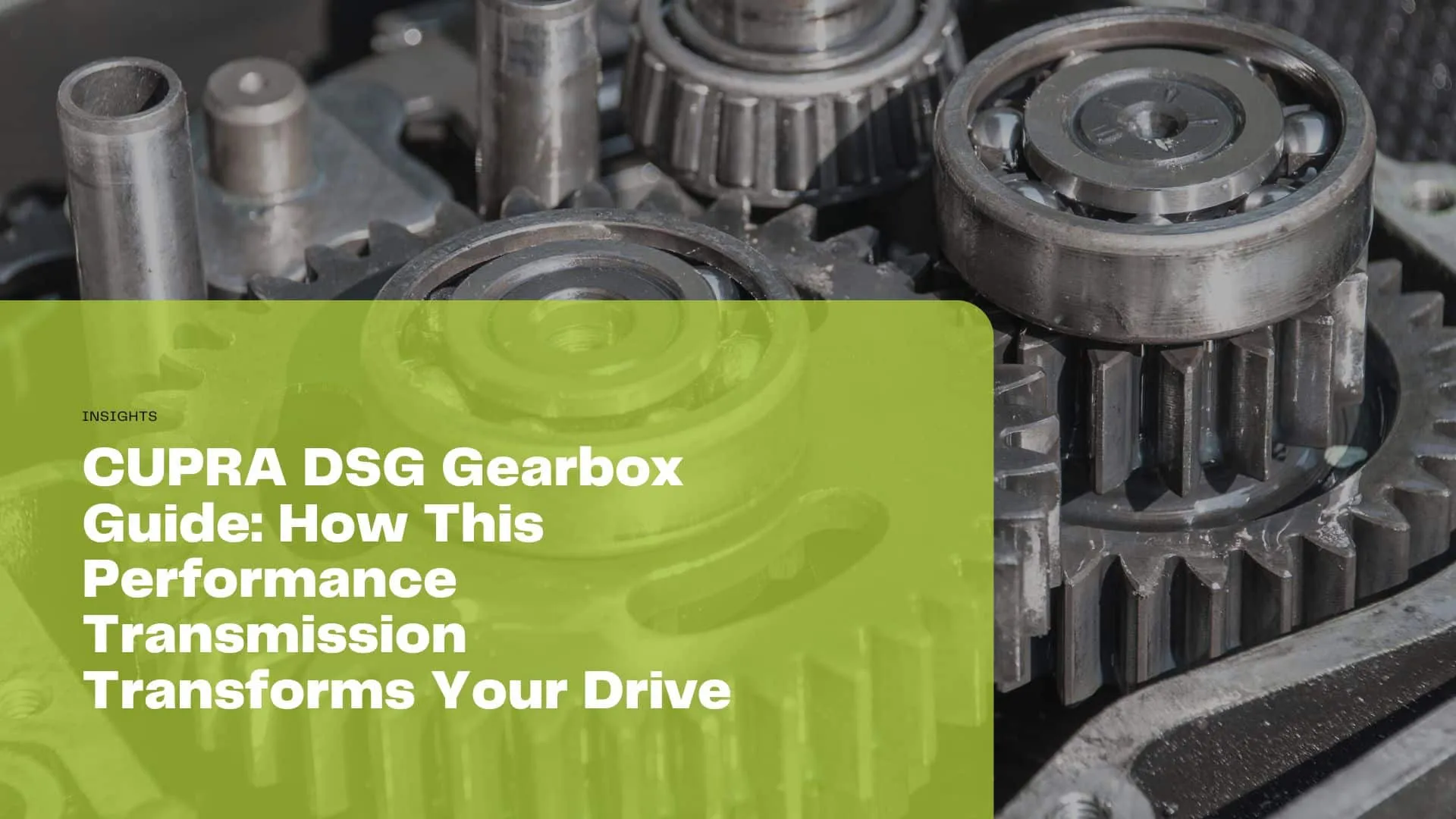
The Direct Shift Gearbox (DSG) is a type of dual-clutch transmission that automates two separate manual gearboxes within one housing, working as a single unit. This technology provides the precision of a manual gearbox along with the ease of an automatic. DSG systems, available in both 6-speed and 7-speed variants, use two drive shafts connected independently to the engine, allowing for pre-selection of gears for faster and smoother transitions. Initially designed by BorgWarner and licensed to the Volkswagen Group, DSG technology has seen widespread use across various brands, including CUPRA.
If you're looking for expert support with transmission servicing or fault diagnosis, Stedmans Garage offers dealer-level Cupra diagnostics in Worthing. From DSG gearbox issues to drive mode faults, we’re equipped to handle every system with precision.
How DSG Technology Enhances CUPRA's Performance Credentials
DSG technology significantly enhances the performance of CUPRA vehicles by ensuring seamless and rapid gear changes. The dual-clutch system allows gears to be pre-selected, meaning one clutch is engaged for the current gear while the other prepares the next gear, reducing shift times and delivering a smoother drive. This rapid and smooth shifting enhances driving comfort and performance, making CUPRA models particularly responsive and exhilarating to drive. Moreover, the absence of a torque converter in DSG technology results in a more direct mechanical connection, leading to improved efficiency and power delivery.
Key Differences Between 6-speed and 7-speed DSG Variants
The key difference between the 6-speed and 7-speed DSG variants lies in their clutch systems and applications. The 6-speed DSG, primarily equipped with wet multi-plate clutches, is designed to handle higher torque outputs and is typically used in larger engine vehicles. In contrast, the 7-speed DSG employs two single-plate dry clutches and features an additional output shaft for the reverse gear, making it more suitable for smaller engines with lower torque requirements. The 7-speed DSG offers marginally better efficiency due to its additional overdrive gear, reducing RPMs at cruising speeds which can lead to improved fuel economy.
By understanding the intricacies of CUPRA's DSG technology, drivers can appreciate the advanced engineering that contributes to the brand's high-performance reputation. Maintaining this sophisticated system is crucial for optimising driving experiences and ensuring the long-term reliability of these transmissions.
Performance Benefits of DSG in CUPRA Models

Lightning-fast gear changes and seamless power delivery
CUPRA's Direct Shift Gearbox (DSG) is renowned for its incredibly swift gear changes, a critical factor in the model's enhanced performance. The dual-clutch system pre-selects the next gear while the current gear is still engaged, resulting in minimal interruption in power delivery. This translates to a virtually seamless driving experience with rapid, split-second gear shifts. Consequently, the acceleration is both fluid and tremendously responsive, delivering the exhilarating performance that CUPRA models are celebrated for.
Dual-mode flexibility: automatic convenience and manual control
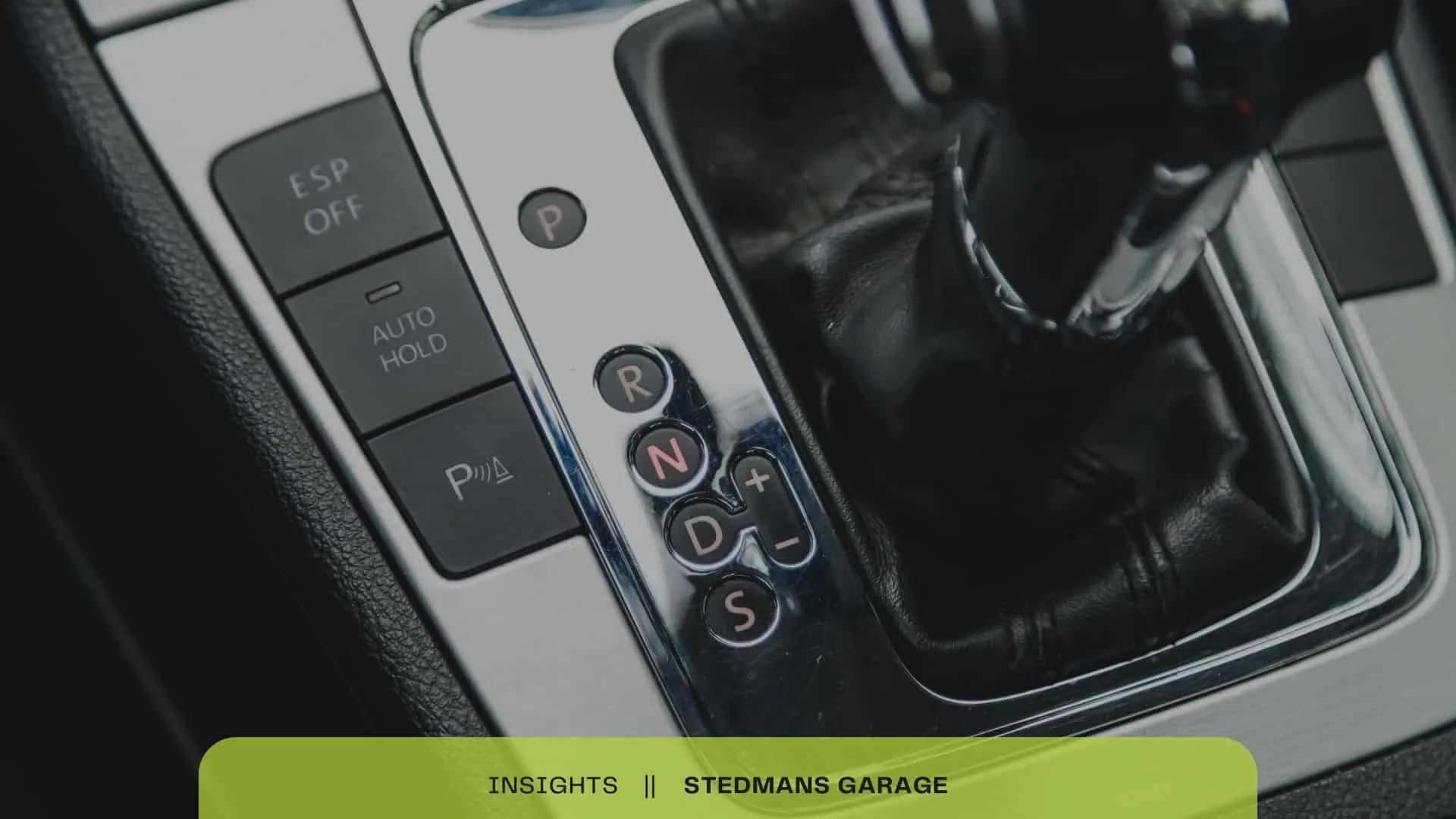
One of the standout features of CUPRA's DSG technology is its dual-mode operation. Drivers benefit from the ease and convenience of an automatic transmission, ideal for daily commuting and relaxed drives. However, the DSG also offers manual control for those who prefer a more engaging driving experience. This flexibility makes it possible to switch effortlessly between hands-on control and automated ease, depending on the driving scenario and personal preference. The paddle shifters positioned behind the steering wheel facilitate quick manual gear changes, adding a dynamic edge to the driving experience.
Improved efficiency and acceleration compared to conventional transmissions
Beyond the thrilling performance, the DSG in CUPRA models also ensures improved efficiency and better fuel economy compared to traditional automatic transmissions. Thanks to the pre-selecting dual-clutch design, the DSG delivers power more efficiently, reducing the lag often associated with gear changes. This results not only in enhanced acceleration but also in better overall fuel management. The rapid and accurate gear shifting facilitates optimal engine speed, which in turn, minimises fuel consumption and emissions. In essence, CUPRA's DSG technology strikes a balance between high performance and eco-friendliness, enhancing both the driving pleasure and the environmental credentials of the vehicle.
With these performance benefits, CUPRA's DSG technology sets a high benchmark in the automotive world. Understanding how to maximise these advantages while maintaining the gearbox's longevity is crucial for every owner.
Common DSG Issues and Warning Signs
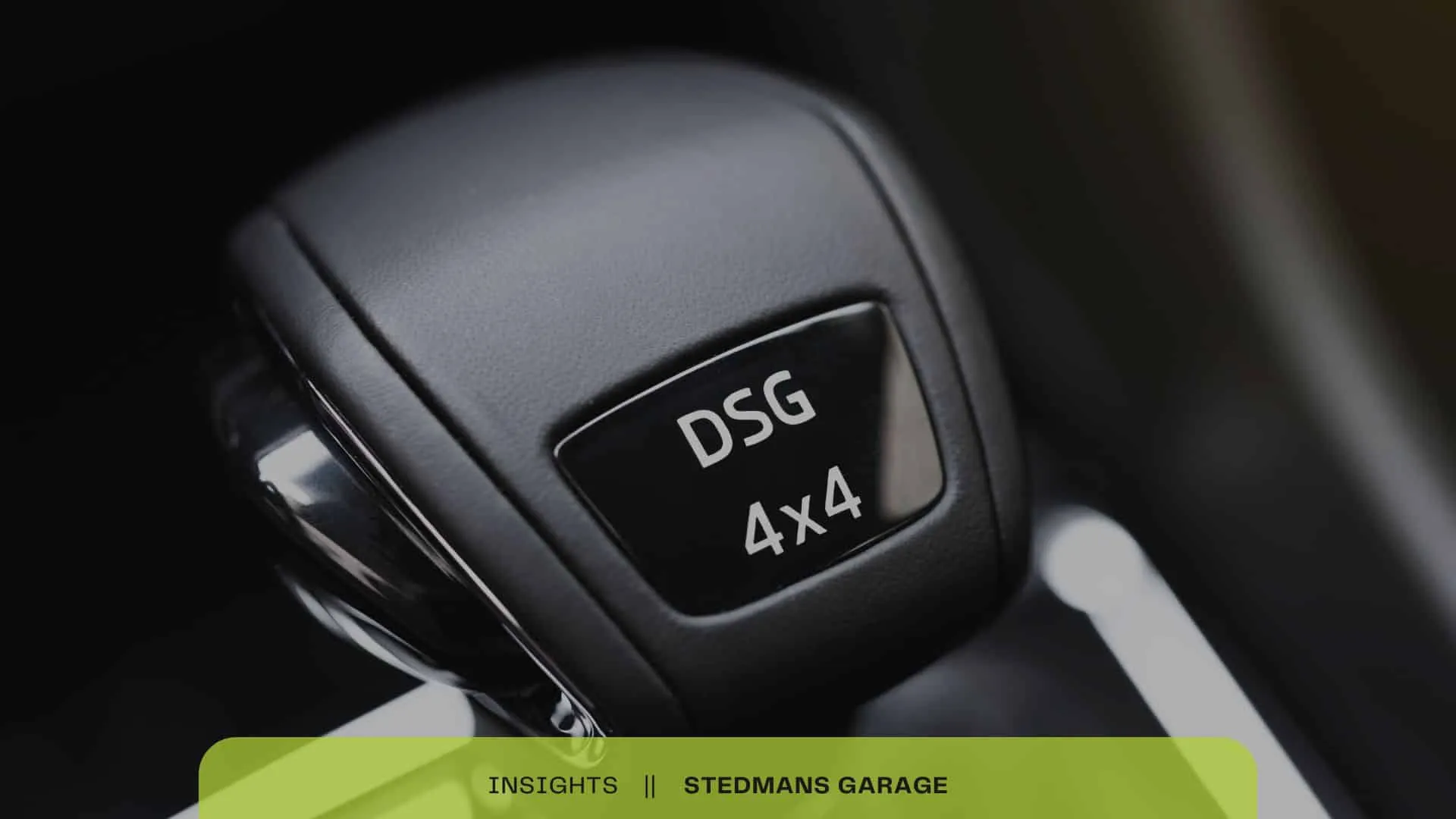
CUPRA's advanced Direct Shift Gearbox (DSG) technology provides significant performance benefits, but like any complex system, it is not without potential issues. Understanding the key warning signs and common problems can help prevent more severe damage and ensure optimal performance.
Key Symptoms
Several symptoms can indicate problems with your DSG transmission:
- Rough shifts: If the gear changes are not smooth and you experience jolting or jerking during transitions, it may signal an underlying issue.
- Delayed engagement: A noticeable delay when shifting into drive or reverse can point to transmission problems.
- Warning lights: Transmission warning lights on the dashboard should never be ignored as they often indicate serious issues.
Mechatronic Unit Failures
The mechatronic unit is a crucial component of the DSG system, combining electronic and hydraulic controls. It's responsible for managing gear shifts and clutch operations. Failure in this unit can lead to several indicators:
- Erratic shifting: Inconsistent or unexpected gear changes can often be traced back to a malfunctioning mechatronic unit.
- Stalling: At times, a failing mechatronic unit can cause the vehicle to stall suddenly, particularly during gear shifts.
- Loss of power: The car might experience reduced power or fail to accelerate properly, often linked to mechatronic complications.
Solenoid Valve Problems
The solenoid valves in the DSG transmission control the flow of transmission fluid and play an integral role in regulating gear engagement. Problems with these valves might present as:
- Transmission slipping: When gears disengage or slip unexpectedly, it can be due to solenoid valve issues.
- Overheating: Faulty solenoids may lead to insufficient cooling, causing the transmission to overheat.
- Irregular fluid pressure: Variations in hydraulic pressure can result from malfunctioning solenoids, which may manifest as inconsistent gear engagement.
Recognising these warning signs early can prevent more severe damage to your CUPRA's DSG system. Keeping an eye on the transmission's behaviour and addressing any anomalies promptly ensures longevity and reliability.
Essential Maintenance Guidelines

Regular Fluid Changes and Service Intervals
To ensure the longevity and optimal performance of your CUPRA's DSG transmission, regular fluid changes are critical. The recommended interval for this service is every 40,000 miles, although it’s advisable to consider earlier changes if you frequently drive in harsh conditions. Dirty or degraded transmission fluid can lead to overheating, clutch burnouts, and even total gearbox failure. Thus, sticking to this service schedule is crucial for maintaining your DSG's efficiency and reliability.
Importance of Using Manufacturer-Approved Transmission Fluids
The type of fluid used in your DSG transmission is essential for its health. Manufacturer-approved fluids are specifically formulated to meet the needs of your DSG system, ensuring optimal performance and preventing damage. Using the wrong type of fluid can lead to severe transmission issues, including impaired gear changes and potential transmission failure. Always consult your vehicle's manual for the correct fluid specifications.
Best Driving Practices to Protect DSG Longevity
Adopting the right driving habits can significantly extend the lifespan of your DSG transmission. Here are some key practices:
- Smooth Gear Changes: Avoid abrupt acceleration and high-speed driving, as these habits increase stress on the transmission components. Instead, aim for gradual acceleration and deceleration to promote smoother gear transitions.
- Regular Inspections: Periodically check your transmission for signs of wear, leaks, or unusual noises. Addressing these issues early can prevent more extensive damage and costly repairs.
- Cooling System Maintenance: Ensure that the gearbox's cooling system is functioning correctly. This prevents the transmission from overheating, which can cause significant damage over time.
By following these maintenance guidelines, CUPRA owners can protect their DSG transmissions from common issues and extend the overall lifespan of their vehicles, ensuring continued optimal performance and reliability.
DSG Repair and Service Options
Cost Considerations for Repairs versus Replacement
Repairing a DSG gearbox often proves to be less expensive than replacing it outright. Common issues, such as failures in the clutch pack or the mechatronics unit, typically necessitate repairs costing around £1,200 to £1,500 for parts only, with additional labour costs. In contrast, replacing a DSG unit can be significantly costlier, with prices ranging from £1,100 to £2,300 depending on the gearbox's complexity and the vehicle's specifications.
When assessing whether to repair or replace a DSG gearbox, it is important to consider the extent of the damage and the vehicle's overall condition. Minor issues might only require targeted repairs, whereas severe damage often justifies full replacement, particularly if the repair costs approach or exceed half of the replacement cost. Remanufactured DSG units offer a cost-effective alternative, providing refurbished parts that meet original manufacturer specifications and often come with warranties.
Benefits of Specialist DSG Servicing Over General Maintenance
Specialist DSG servicing offers enhanced benefits due to the complex nature of DSG systems. Technicians with specific training in DSG units can provide more accurate diagnostics and repairs, preventing minor issues from escalating into costly problems. Specialist servicing includes precise fluid and filter replacements, careful inspection of transmission components, and up-to-date software adjustments that general maintenance may overlook.
Additional advantages of specialist servicing include:
- Improved Performance: Ensuring faster and smoother gear shifts.
- Enhanced Fuel Efficiency: Proper maintenance enhances the vehicle's fuel efficiency, saving costs over time.
- Extended Transmission Lifespan: Regularly scheduled inspections and maintenance help avoid premature gearbox failure.
Availability of Remanufactured Parts and Warranty Options
Remanufactured DSG parts can be an economical and reliable alternative to new units. These components are refurbished to meet original manufacturer specifications and are rigorously tested for quality and performance. The use of remanufactured parts can significantly reduce repair costs while maintaining the gearbox's reliability and efficiency.
Warranty options for remanufactured DSG parts, such as the DSG gearbox warranty, typically provide coverage for up to five years or 150,000 km, whichever comes first. This offers peace of mind and ensures that any defects or failures within this timeframe are addressed at no additional cost. Similarly, remanufactured components bought from reputable suppliers often come with warranties covering two years of unlimited mileage.
By considering these aspects, CUPRA DSG owners can make informed decisions that balance performance, cost, and reliability. Ensuring proper maintenance and opting for specialist servicing can sustain gearbox longevity, preventing significant issues and enhancing the driving experience. Optimal practices further contribute to maintaining performance and reliability, prolonging the DSG unit's lifespan.
Making the Most of Your CUPRA DSG
Optimal Driving Techniques for DSG-Equipped CUPRA Vehicles
Understanding the operational finesse of CUPRA's DSG technology can significantly enhance your driving experience and extend the gearbox's lifespan. Here are some vital tips:
- Use the Correct Gear: Always select the appropriate gear for your driving conditions. For instance, use the first gear when starting from a standstill and shift to higher gears as speed increases. This general practice can avoid undue stress on the transmission.
- Manual Mode on Slopes: When navigating slopes, switch to manual mode and use the paddle shifters to maintain better control. This technique, called engine braking, reduces wear on the DSG's clutch packs and enhances safety.
- Avoid Overreliance on Neutral: Refrain from shifting into neutral while driving. Keeping the car in neutral disengages the clutches, leading to improper lubrication and potential damage.
- Careful with Launch Control: Launching your car improperly can severely stress the DSG system. Avoid frequent high-rev launches as they can lead to premature clutch wear and overheating.
- Drive Like an Automatic: For everyday driving, treat the DSG like a regular automatic transmission. Use the manual mode to enjoy a sportier drive, but ensure shifts are smooth and timed with your deceleration and acceleration.
How to Avoid Common User Errors That Can Damage the Transmission
Understanding and avoiding common user errors can substantially prevent damage to your DSG transmission:
- Do Not Ride the Clutch: Since DSG-equipped cars lack a traditional clutch pedal, avoid actions that simulate riding the clutch, like half-accelerating from a stop.
- Avoid Excessive Towing: Towing heavy loads can strain the transmission, causing overheating. Stick to your vehicle's recommended towing capacity.
- Prevent Overheating: Regularly check your vehicle’s hardware for leaks or potential overheating issues to prevent long-term damage.
Maximising Performance While Maintaining Reliability
Ensuring peak performance while maintaining the long-term reliability of your DSG transmission involves a combination of proper driving habits and systematic maintenance:
- Adhere to Service Intervals: Regular transmission fluid and filter changes are critical. The recommended interval is every 40,000 miles. Using high-quality, manufacturer-approved fluids is essential for the health of your DSG transmission.
- Smooth Driving Practices: Avoid abrupt acceleration and rapid deceleration. Gentle handling reduces the strain on clutch packs and other components, extending the transmission's lifespan.
- Professional Servicing: Opt for specialist DSG servicing over general maintenance to ensure that any issues are diagnosed and corrected accurately. Specialist services offer a deeper understanding and better handling of DSG-specific problems, which can significantly enhance the transmission’s performance and reliability.
By following these guidelines, you can make the most of your CUPRA DSG, enjoying both its sporty capabilities and its reliability for years to come.