
The Cupra Formentor, a dynamic and sporty SUV, has garnered significant attention from car enthusiasts and automotive professionals alike. One of the key components contributing to its exhilarating performance is the DSG (Direct-Shift Gearbox). Understanding the intricacies of the DSG gearbox, particularly the potential mechatronic issues, is essential for maintaining the vehicle's performance and reliability.
Understanding the DSG Gearbox
What is a DSG Gearbox?
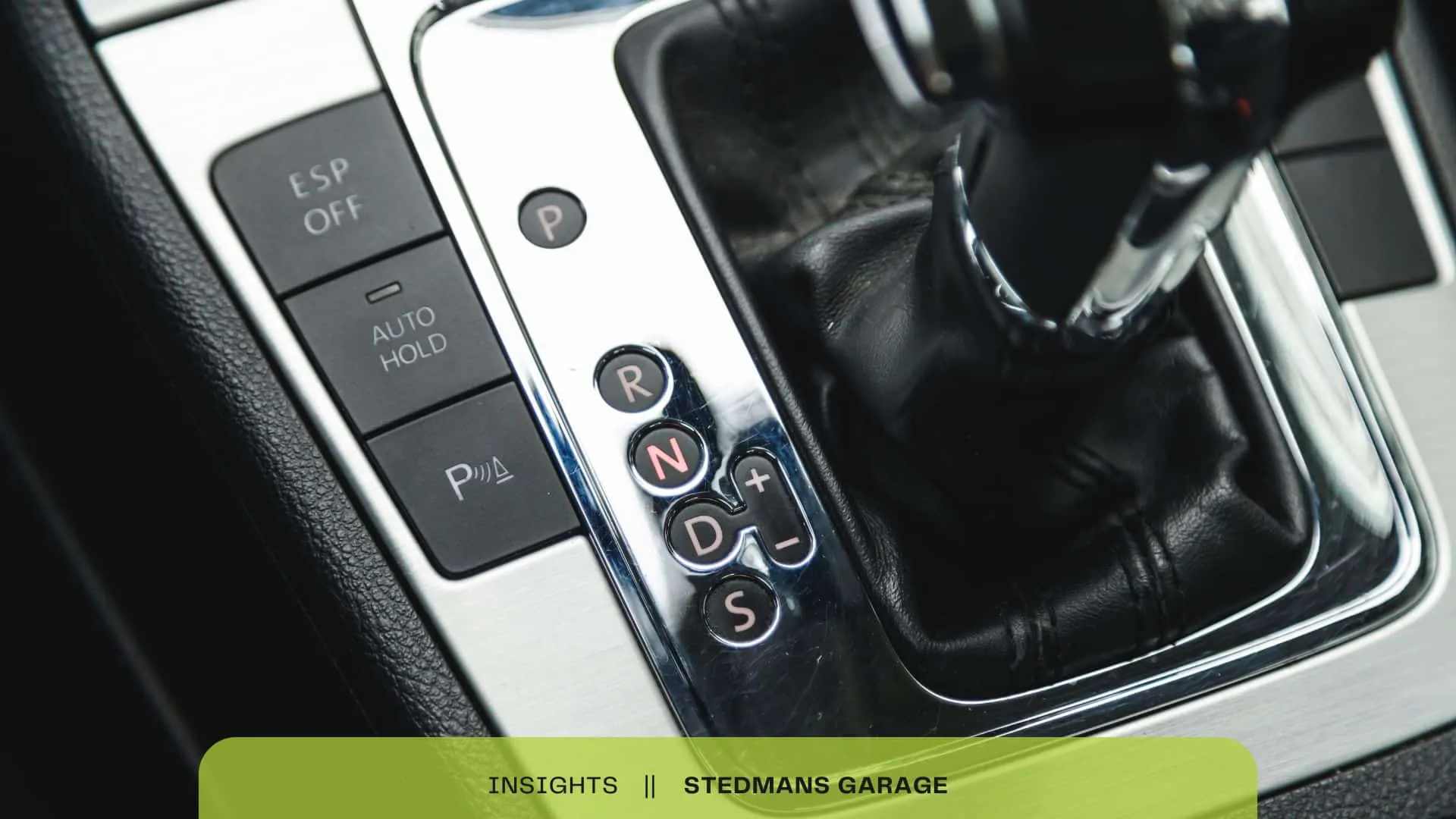
The Direct-Shift Gearbox (DSG) is a type of automated manual transmission that utilises two separate clutches for odd and even gears. This dual-clutch system allows for smooth gear shifts, significantly enhancing the driving experience. Unlike traditional automatic gearboxes that rely on a torque converter, the DSG operates with two clutches that pre-select the next gear while the current gear is still engaged. This mechanism ensures that gear changes occur almost instantaneously, resulting in improved acceleration and responsiveness.
How Does the DSG Work?
The operation of a DSG gearbox is based on sophisticated engineering principles. When the driver selects a gear, one clutch engages while the other clutch prepares the next gear. For instance, if the vehicle is in first gear, the first clutch is engaged while the second clutch is poised to engage second gear. As the driver accelerates and reaches the appropriate RPM, the first clutch disengages while the second clutch engages, resulting in a smooth transition without any interruption in power delivery. This process happens so quickly that it feels like a single, continuous motion, contributing to a thrilling driving experience.
Advantages of the DSG Gearbox
The advantages of the DSG gearbox are numerous. Firstly, the dual-clutch system allows for faster gear shifts compared to traditional automatic transmissions. This rapid shifting capability enhances acceleration and improves fuel efficiency by ensuring that the engine operates at optimal RPMs. Secondly, the DSG provides a more engaging driving experience, as drivers can manually select gears using paddle shifters, giving them greater control over their vehicle's performance.
Moreover, the DSG gearbox is designed to handle high torque outputs, making it suitable for performance-oriented vehicles like the Cupra Formentor. Its sophisticated design also includes features such as adaptive shift strategies, which adjust to the driver's driving style, further enhancing the driving experience. Ultimately, the DSG gearbox represents a significant advancement in automotive transmission technology, combining the benefits of manual and automatic transmissions.
Common Mechatronic Issues
Understanding Mechatronic Systems
The mechatronic control unit (MCU) is a crucial component of the DSG gearbox, integrating mechanical and electronic systems to manage gear shifts and overall transmission performance. However, like any complex system, the MCU can experience issues that affect the gearbox's functionality. Understanding these potential mechatronic issues is essential for Cupra Formentor owners.
Typical Mechatronic Issues in the DSG Gearbox
- Faulty Mechatronic Control Unit: One of the most common issues is a malfunctioning mechatronic control unit. This can lead to erratic gear shifts, unexpected gear changes, or even the inability to change gears entirely. Symptoms may include the vehicle getting stuck in a specific gear or experiencing a "limp mode," where performance is significantly reduced.
- Electrical Faults: Electrical issues can arise from wiring problems or poor connections within the DSG system. These faults may trigger warning lights on the dashboard and lead to erratic shifting behaviour. In some cases, electrical faults can prevent the gearbox from operating correctly, resulting in a complete failure to shift.
- Software Glitches: The DSG gearbox relies on sophisticated software algorithms to manage gear shifts. Software glitches can occur, leading to improper gear selection or delayed shifts. Regular software updates from the manufacturer can help mitigate these issues.
- Mechanical Wear: Over time, the mechanical components within the DSG gearbox can experience wear and tear. This may manifest as grinding noises during gear shifts or difficulty engaging certain gears. Regular maintenance can help identify and address mechanical issues before they escalate.
- Fluid Contamination: The DSG gearbox relies on specific transmission fluid to operate optimally. Contaminated or degraded fluid can cause overheating and lead to premature wear of the gearbox components. Regular fluid changes are essential to prevent contamination and maintain performance.
Importance of Regular Fluid Changes
Whether the gearbox oil has a set change interval depends on which DSG your Cupra Formentor has. The 2.0 TSI models use the wet-clutch 7-speed DQ381, whose oil is changed at the interval in the service schedule. The 1.5 TSI models use the dry-clutch 7-speed DQ200, which has no scheduled oil change. Where a change is due, using the correct fluid specification is paramount, as it ensures optimal performance and longevity. Neglecting fluid changes can lead to contamination and mechanical failures, making this a vital aspect of vehicle maintenance.
Diagnostic Trouble Codes (DTCs) to Monitor
As a Cupra Formentor owner, it's beneficial to be aware of common Diagnostic Trouble Codes (DTCs) associated with DSG mechatronic issues. Some examples include:
- P17BF: The hydraulic pump has reached its protection limit, usually because the mechatronic unit cannot build or hold hydraulic pressure. It is most often seen on the dry-clutch DQ200.
- P1895: The gearbox has restricted its operation because of a drop in hydraulic pressure.
- P177B: Clutch 1 has reached its tolerance limit, which usually points to clutch wear.
Monitoring these codes can provide insights into potential problems before they escalate.
Adaptation After Fluid Change
After performing a DSG fluid change, it is often necessary to conduct a "DSG adaptation" procedure using a diagnostic tool. This process ensures that the gearbox adapts to the new fluid and calibrates the clutch settings, allowing for smooth shifting and optimal performance. Skipping this step can lead to irregular gear changes and hinder the overall functionality of the gearbox.
Maintenance Considerations for DSG Gearboxes
Essential Maintenance Practices
Maintaining the DSG gearbox is crucial for preventing mechatronic issues and ensuring a smooth driving experience. Here are some essential maintenance practices to consider:
- Regular Servicing: Schedule regular servicing with a qualified technician who understands the intricacies of the DSG system. Regular checks can help identify potential issues before they escalate into significant problems.
- Check for Gearbox Oil Leaks: A DSG has no dipstick, so the oil level cannot be checked at home. Ask for the gearbox to be checked for leaks at each service, because low oil can lead to inadequate lubrication and increased wear on components, potentially resulting in failure.
- Check the Clutch and Flywheel: It is also advisable to check the condition of the clutch and flywheel regularly. Worn or damaged components can affect gear engagement and overall vehicle performance, leading to costly repairs if left unaddressed.
- Software Updates: Keep your vehicle's software up to date. Manufacturers often release software updates to improve performance, address glitches, and enhance the overall functionality of the DSG system.
- Fluid Changes: As mentioned earlier, change the DSG transmission fluid at the manufacturer-recommended intervals. Fresh fluid helps maintain optimal performance and prevents contamination that can lead to mechanical wear.
- Use Genuine Parts: When replacing components within the DSG system, always opt for genuine parts from the manufacturer. Using non-genuine parts can compromise performance and reliability.
- Monitor Driving Habits: Be mindful of your driving habits. Aggressive driving, frequent hard accelerations, and abrupt gear changes can place additional stress on the DSG gearbox, potentially leading to premature wear.
Benefits of Proper Maintenance
Proper maintenance of the DSG gearbox can yield several benefits, including:
- Extended Lifespan: Regular servicing and fluid changes can significantly extend the lifespan of the DSG gearbox, saving you from costly replacements.
- Improved Performance: A well-maintained gearbox ensures smooth and responsive gear shifts, enhancing your overall driving experience.
- Reduced Risk of Failures: Proactive maintenance helps identify issues early, reducing the likelihood of unexpected failures and keeping your Cupra Formentor in prime condition.
Frequently Asked Questions
What does the mechatronic unit do in a Cupra Formentor DSG gearbox?
It is the control centre of the gearbox. The mechatronic unit combines the mechanical and electronic systems that manage every gear change, deciding when each of the two clutches engages and which gear is preselected next. When it develops a fault, the whole gearbox behaves badly.
What are the signs of a mechatronic fault on a Cupra Formentor?
Erratic or unexpected gear changes, gear changes that will not happen at all, the car getting stuck in one gear, or the gearbox dropping into limp mode with performance noticeably reduced. Warning lights on the dashboard often come with them.
What else can cause DSG shifting problems on a Formentor?
Not every shifting fault is the mechatronic unit itself. Wiring problems or poor connections in the DSG system, software glitches, mechanical wear inside the gearbox, and contaminated or degraded gearbox fluid can all produce similar symptoms. That is why the cause needs diagnosing rather than assuming the most expensive part has failed.
What is a DSG adaptation?
After the gearbox fluid has been changed, a DSG adaptation is run with a diagnostic tool so the gearbox recalibrates its clutch settings to the new fluid. Skipping it can leave the car with irregular gear changes even though the fluid itself is fresh.
Can a software update fix DSG shifting problems on a Cupra?
Where the fault is in the software, yes. The DSG relies on its software to manage gear changes, and manufacturer updates can resolve glitches that cause delayed shifts or the wrong gear being selected. A software update will not fix mechanical wear or a fluid problem, though, so the fault needs diagnosing first.
Can Stedmans Garage diagnose a Cupra Formentor DSG fault?
Yes. We are a Cupra specialist in Worthing with main-dealer level equipment, and we maintain and repair DSG gearboxes on the Formentor, Leon and Ateca. We read the gearbox fault data with diagnostic equipment before recommending any repair, so you know whether the cause is the mechatronic unit, the software, the wiring or the fluid.
Conclusion
Understanding the DSG gearbox and its potential mechatronic issues is essential for Cupra Formentor owners. Awareness of the common warning signs and maintenance practices can significantly enhance your vehicle's performance and reliability. By staying informed and proactive regarding gearbox functionality, you can ensure that your driving experience remains enjoyable and hassle-free.
If you're a Cupra owner, take the time to familiarise yourself with the workings of your DSG gearbox, monitor for warning signs, and keep up with maintenance. In doing so, you'll not only enhance the longevity of your vehicle but also enjoy the exhilarating performance that the Cupra Formentor is designed to deliver.