
Introduction to Coolant System Leaks in the Bentley Bentayga
The Role of the Cooling System in Luxury Performance
The cooling system in the Bentley Bentayga is vital for sustaining both performance and longevity. In a luxury vehicle, engine components are often more advanced and sensitive than in mass-market cars. Maintaining precise temperatures is critical for the complex engine to function optimally. Even a minor coolant leak can quickly affect this balance, potentially leading to overheating and further engine complications.
Recognising the Early Signs of a Leak
Detecting a coolant system leak early is crucial. Classic signs include pools of fluid, often bright green, orange, pink or even blue, found under the vehicle, typically near the front. This coolant usually has a slippery feel and a sweet odour, making it easier to differentiate from other fluids. Additionally, you may notice a sweet scent inside the cabin or around the engine bay. Dash warning lights, fluctuations in the temperature gauge, and changes in engine performance can also point towards a coolant leak. Internal leaks may be more subtle, sometimes presenting as white smoke from the exhaust or steadily dropping coolant levels with no visible puddles.
The Importance of Immediate Action
Prompt diagnosis and repair are essential. Engine coolant not only prevents overheating but also helps avoid internal corrosion and component failure. Ignoring a leak, even a small one, can result in severe engine damage and significantly higher repair costs. Quick action helps ensure this high-performance luxury SUV stays reliable, safe, and valuable.
Understanding how the cooling system works is the next step to maintaining your Bentayga’s performance and preventing long-term issues.
Understanding Your Bentayga's Cooling System
Key Components and Their Functions
The Bentley Bentayga’s cooling system consists of several main components that work closely together to control engine temperature. These include the radiator, water pump, thermostat, cooling fan, hoses, and engine coolant. The radiator cools the heated coolant received from the engine, while the water pump circulates coolant throughout the loop. The thermostat regulates when coolant moves between the engine and radiator, helping the engine reach and maintain its optimal operating temperature. Hoses and pipes connect these parts, ensuring smooth coolant flow and preventing leaks.
Recommended Coolant Type for 2016-2020 Models
For optimal performance in the 2016-2020 Bentayga, it is crucial to use the manufacturer-recommended coolant. Notably, Peak Original Equipment Euro Violet, Pentosin Pentofrost SF (G12+/OAT), and ZEREX G-05 formulas are common choices. These coolants are formulated for European engines and offer protection against internal corrosion and cavitation. It’s important never to mix coolant types, as incorrect fluids increase the risk of corrosion and damage to engine metals.
Cooling System Differences in the Bentayga
Compared to standard vehicles, the Bentayga cooling system is engineered for superior thermal management. The high output V8 and W12 engines generate considerable heat, necessitating a robust cooling setup with advanced thermostatic controls and durable hoses rated for luxury performance demands. The system is also tailored for reliable function under higher stress, which aligns with the extended comfort and capability attributes found in the Bentayga.
Understanding the design and fluid requirements of the Bentayga’s cooling system supports both effective maintenance and swift troubleshooting.
Common Signs of Coolant Leaks in the Bentayga
Recognising Fluid Puddles
One of the most straightforward signs of a coolant leak in your Bentayga is the appearance of a coloured puddle under the vehicle after parking. Coolant in the Bentayga may appear green, orange, or pink, depending on the type used. Such a puddle usually forms near the front of the vehicle, under the engine bay. If you spot this, it is a clear sign that coolant is escaping from the system and needs immediate attention.
Noticing Distinctive Smells
Another key indicator is a sweet, syrup-like scent. This odour often lingers around the engine compartment or, in some cases, may enter the cabin through the ventilation system. This distinctive fragrance is typical of ethylene glycol-based coolant. Smelling this inside or outside your vehicle is an early warning that a leak might be present, even if you do not see obvious pools of liquid.
Monitoring Warning Signs While Driving
Modern Bentaygas are equipped with various electronic safeguards. If the coolant level drops too low, you may see warning lights on the dashboard, such as a coolant symbol or generic engine malfunction light. The temperature gauge might also behave irregularly, rising above normal or fluctuating unexpectedly. Even slight overheating or loss of heater performance can point to loss of coolant and should not be ignored.
Being vigilant for these signs is essential. Quick detection helps maintain the health of your cooling system and keeps your Bentayga running as intended. Regular checks of these indicators are key to responsible luxury vehicle ownership and help avoid larger issues down the road.
Primary Causes of Coolant Leaks in the Bentayga (2016-2020)
Radiator Damage and Associated Issues
One common reason for coolant leaks in the Bentley Bentayga is damage to the radiator. Radiators in these models can develop cracks or suffer from corrosion over time, which may result in coolant seeping out. Additionally, the connections where the radiator meets hoses or the expansion reservoir can become weak or loose, especially as the vehicle ages. This can manifest as visible fluid pooling under the front of the car or a persistent drop in coolant levels. Consistent checks on the radiator's physical state and the tightness of its connections are essential to catch leaks early.
Deteriorated Hoses and O-Rings
Another prevalent source of leaks involves the hoses and O-rings in the cooling system. As these components are constantly exposed to heat and pressure, their materials can become brittle and lose elasticity, leading to cracks or splits. The N90316801 O-ring, specifically designed for the Bentayga, is a known point of failure. If it is degraded or incorrectly fitted, coolant can escape, often at hose connections in the engine bay. Regular inspection and timely replacement of these parts help prevent unexpected leaks.
Water Pump Seal Failures
Water pump seals on Bentayga models from this range are also prone to wear. A compromised seal may allow coolant to leak from the pump, sometimes visible as a drip beneath the engine or as a build-up of residue around the pump area. Ignoring this issue can result in a sudden loss of coolant and even cause overheating. Early identification and repair of water pump seal failures are key to avoiding more costly damage.
Staying attentive to these primary causes ensures the cooling system can operate reliably and maintain the performance standards expected from the Bentayga.
Secondary Causes of Coolant System Failures
Expansion Tank Faults
The expansion tank in the Bentley Bentayga is a key part of the cooling system. It allows coolant to expand and contract safely as temperatures change. If the expansion tank develops cracks or the seals fail, you may notice a steady loss of coolant. Common symptoms include low coolant warnings and visible leaks around the tank. Sometimes, a drop in coolant levels occurs even if the tank looks intact, so regular inspection is crucial. Prolonged leaks lead to engine overheating and increased risk of expensive engine damage if not addressed quickly.
Heater Core Leaks
The heater core acts as a small radiator, transferring heat from the coolant to warm the cabin. When it leaks, you might detect a sweet smell inside the car, foggy or frosty windows, or wet carpets, especially near the passenger floor. Cabin heat may become weak or fluctuate, even if the engine is warm. In some cases, cold air blows from the vents despite proper climate control settings. Ignoring these signs can allow coolant to contaminate the vehicle’s interior and lead to bigger system failures.
Head Gasket Failures
A head gasket failure differs from other coolant leaks. It can let coolant mingle with engine oil or cause white exhaust smoke due to coolant entering the combustion chamber. You may notice milky oil, unexplained coolant loss, or engine overheating. This failure is costly and often follows repeated overheating events. Timely investigation is essential, as ongoing head gasket leaks can quickly destroy the engine.
Proper awareness of these issues and regular checks keep your cooling system resilient. Next, it is helpful to understand how you can safely pinpoint the source of leaks on your own.
DIY Diagnosis: Locating the Source of the Leak
Visual Inspection Process
Begin by ensuring your engine is cool before carrying out any checks. Open the bonnet and visually inspect the radiator, hoses, and connections for any signs of dried coolant residue or active leaks. Look for colourful puddles under the vehicle; green, orange, or pink fluid suggests a coolant leak. Inspect below hose junctions, near the radiator, around the water pump, and at the expansion tank. Pay particular attention to hose clamps and O-rings, as these are common failure points.
Check the engine bay for a tell-tale sweet smell, which is another sign of a coolant leak. If you spot white streaks or corrosion, this could indicate slow leaks that evaporate before hitting the ground.
Performing a Pressure Test
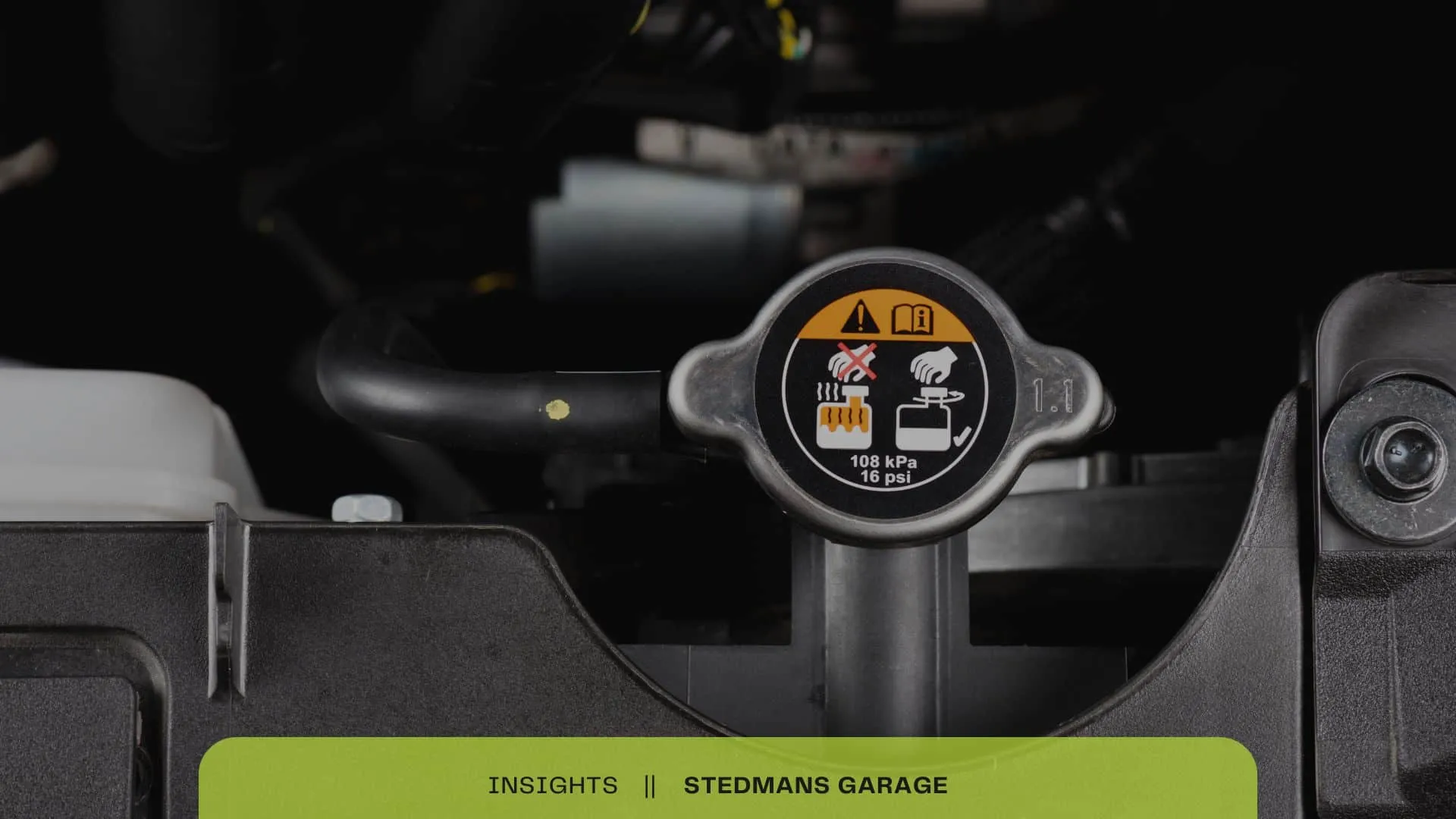
A cooling system pressure test is a reliable way to find leaks that aren't visible. You can use a universal radiator pressure tester to pressurise the system. Attach the tester to the filler neck or expansion tank and slowly pump up to the pressure rating listed on your coolant cap. Hold the pressure and observe the gauge, if it drops, there is a leak. While the system is under pressure, inspect for escaping coolant along hoses, the radiator, and at connection points for evidence of leakage. Diagnostic kits for this purpose are widely available.
Using Diagnostic Tools
For elusive or internal leaks, a UV dye and torch can help. Add UV dye to your coolant, run the engine briefly, and then inspect with a UV torch. Bright fluorescence indicates the source. Some advanced pressure kits also include adaptors for all European vehicles, making it easier to find tricky leaks.
Prompt location and repair of any leaks will help protect your Bentayga’s engine and cooling components. Regular checks and use of diagnostic tools are key to early detection and cost-effective maintenance.
When to Attempt Repairs Yourself vs. Seeking Professional Help
Deciding on DIY Repairs
Owners of the Bentley Bentayga can safely handle some cooling system tasks at home. Straightforward jobs include topping up coolant, replacing easily accessible hoses, or replacing standard O-rings. These repairs usually do not require specialist tools or advanced mechanical knowledge. Before starting, make sure the engine is cool and use only the recommended coolant type and mixed ratio for your model. Perform all work in a safe, well-lit area.
When to Call a Specialist
Bentley’s sophisticated engineering means more complex issues are best left to professionals. Leaks from the water pump, radiator core, heater core, or head gasket need expert attention. These parts are not only difficult to access but also directly affect engine performance and long-term reliability. Attempting advanced repairs without the right knowledge can cause further damage or void your warranty. Specialist technicians use model-specific diagnostic tools to ensure the problem is fully resolved.
Cost Considerations
Simple repairs like hose or O-ring replacement are typically low-cost, especially if done yourself. Dealerships may charge a premium, reflecting Bentley’s labour rates and parts quality. Independent specialists offer lower prices for major repairs but may not always have access to genuine parts or up-to-date diagnostic equipment. Balancing cost against expertise and peace of mind is essential when making your decision.
Step-by-Step Repair Guide for Common Issues
Replacing Hoses and O-rings
Hoses and O-rings are common sources of coolant leaks in the Bentayga. Over time, rubber components can degrade or crack under heat and pressure. Begin by allowing the engine to cool. Safely lift the vehicle and locate the leaking hose. Loosen and remove hose clamps, then gently detach the hose. Inspect O-rings, especially the N90316801, as it is known to fail in these models. Replace damaged parts, ensuring new O-rings are properly seated. Refit the hose and secure the clamps, taking care not to overtighten.
Addressing Radiator Leaks
Radiator issues may arise from cracks or corrosion. Start by checking the radiator for visible damage or signs of coolant seepage. If the leak is minor and limited to a join, some sealants are available, though this is only a temporary fix. More significant damage or corrosion requires radiator replacement. After fitting a new radiator, refill the coolant and run the engine to verify the repair.
Water Pump Replacement Considerations
The water pump circulates coolant; leaks here can cause overheating. If you detect fluid around the pump or hear a whining noise, the pump may need replacing. Remove the serpentine belt and any covers blocking access. Unbolt the pump, noting coolant may spill, and install the new unit following manufacturer specifications. Always use fresh coolant and check for leaks after refitting.
Maintaining these areas ensures your Bentayga’s cooling system continues to function as intended. Regular checks help catch issues early and keep your vehicle running reliably.
Preventative Maintenance to Avoid Future Leaks
Scheduled Service and Replacement
Keeping your Bentayga’s cooling system in top condition starts with regular servicing. Bentley recommends an annual service, or every 10,000 miles, to check the state of all vehicle components, including the cooling system. In addition, the coolant should be replaced every five years to maintain performance and prevent internal corrosion.
That annual visit is also the sensible moment to rule the turbochargers in or out, because sustained heat is hard on them and the symptoms overlap with a cooling fault. The detail is in our guide to diagnosing turbocharger failures on the 2017-2019 Bentayga.
Choosing and Mixing Coolant
Always use the coolant type specified for your Bentayga model. Many owners opt for a 50/50 premixed solution designed for European vehicles, such as Peak Euro Violet or Prestone Universal 50/50, which are recommended for optimal protection against temperature extremes and corrosion. If mixing coolant from concentrate, use equal parts distilled water and antifreeze to ensure the correct balance.
Routine Inspection Practices
Inspect the coolant level at least twice a year, ideally before summer and winter. Top up whenever it drops below the guide marks. Regularly check hoses, clamps, and the radiator for signs of wear, leaks, or corrosion, and replace any aging parts promptly.
Maintaining this simple routine helps ensure your Bentayga’s engine remains protected and running reliably, supporting maximum comfort and performance.
Conclusion: Protecting Your Bentayga Investment
Key Steps for Cooling System Integrity
Maintaining your Bentley Bentayga's cooling system is essential to safeguard both vehicle performance and value. Key measures include regular visual checks for leaks, monitoring coolant levels, and promptly addressing warning lights or unusual odours. Replacing hoses, O-rings, and coolant at the service intervals specified by Bentley helps deter unexpected failures. It is equally important to ensure only the approved coolant is used and mixed in the correct ratio to avoid system damage and preserve warranty coverage.
If you own a Mulsanne rather than a Bentayga, the cooling system has its own set of known weak points, and our guide to Bentley Mulsanne cooling system problems covers them.
The Long-Term Value of Proactive Maintenance
Being proactive with cooling system care brings considerable long-term benefits. Timely inspections and part replacements help avoid engine overheating and associated repair bills, which can quickly escalate, especially in luxury vehicles like the Bentayga. Keeping cooling components in optimal condition supports a smooth ride and extends engine lifespan. Investing in scheduled maintenance, such as annual servicing or checks every 10,000 miles, may appear costly upfront but prevents much greater expenses due to major engine work or breakdown.
Where to Turn for Further Assistance
For ongoing maintenance and in case of uncertainty, Bentley owners benefit from using authorised service centres and experienced independent specialists. Trusted resources include Bentley's official service network, detailed service guides from reputable sites, and model-specific communities that can offer practical advice and recommendations. Keeping a record of service visits and repairs also aids future resale and preserves your investment.
Protecting your Bentayga means adopting the right care routines today, ensuring rewarding ownership for years to come.