
Turbochargers have become increasingly popular in modern vehicles, providing enhanced performance and fuel efficiency. However, like any mechanical component, turbochargers can experience problems that affect a vehicle's performance. This guide aims to help UK drivers understand common turbo problems, how to diagnose them, and the appropriate steps for repair. By the end of this blog, you will have a clear understanding of turbocharger diagnosis and repair, enabling you to address issues effectively and maintain your vehicle’s performance.
Understanding Turbochargers and Their Functionality
What is a Turbocharger?
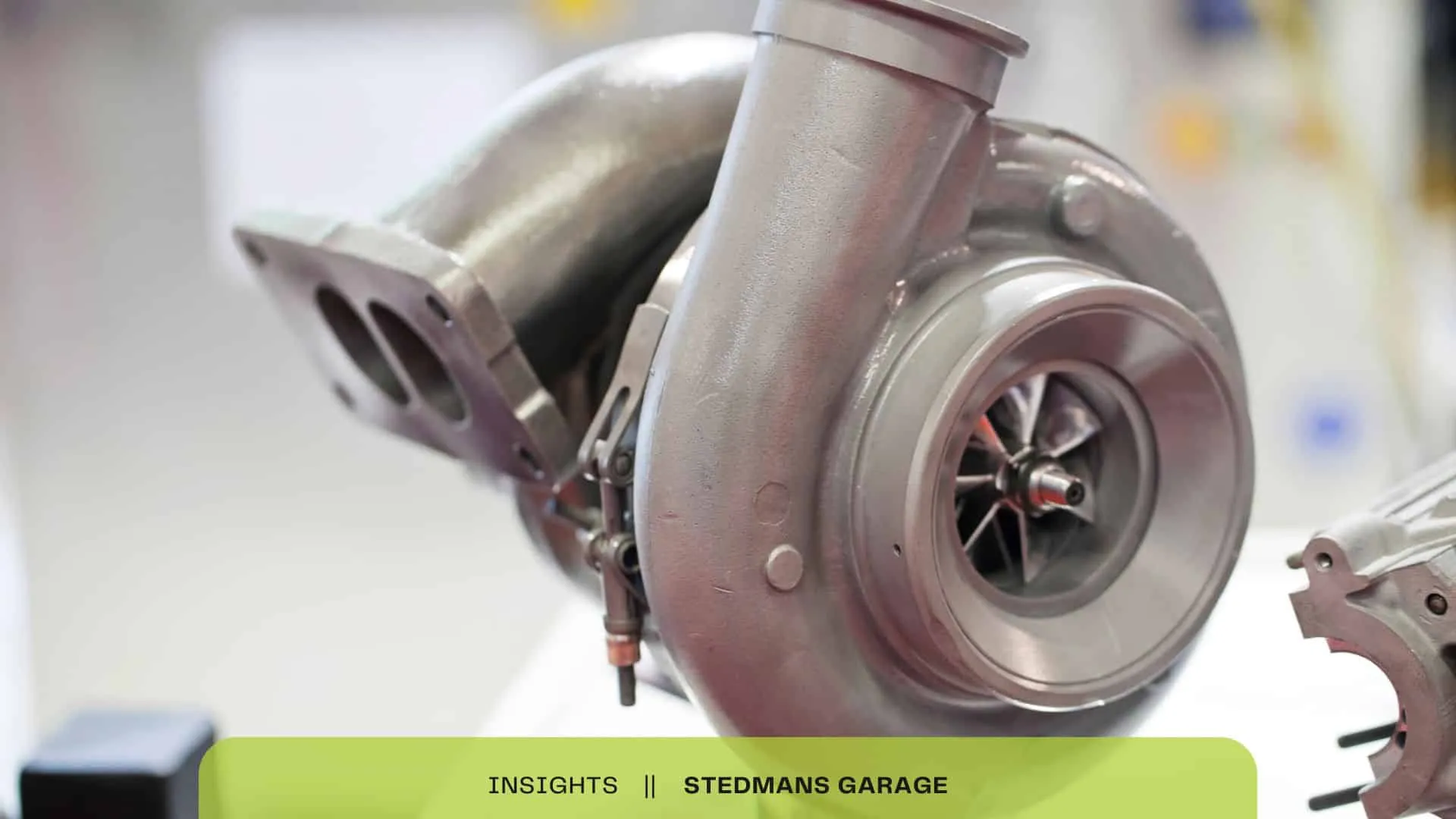
A turbocharger is a forced induction device that compresses the air entering your vehicle's engine. By pushing more air into the engine's combustion chamber, a turbocharger allows for more fuel to be burned, resulting in increased power output without significantly increasing engine size. A turbocharger consists of essential components such as the turbine, compressor, and the wastegate, which work together to enhance engine efficiency and performance.
How Turbochargers Work
Turbochargers use exhaust gases produced by the engine to spin a turbine connected to a compressor. As the turbine spins, it draws in air through the compressor, compressing it before it enters the engine. This process increases the density of the air-fuel mixture, allowing for a more powerful combustion process.
Benefits of Turbocharging in UK Vehicles
Turbocharging offers numerous benefits. This is particularly true for vehicles operating in the UK’s varied climate. Key advantages include:
Increased Power Output
Turbochargers significantly boost engine power, making smaller engines more powerful and efficient.
Improved Fuel Efficiency
By enhancing the air-fuel mixture, turbochargers lead to better fuel combustion, resulting in improved miles per gallon (MPG).
Reduced Emissions
More efficient combustion also means lower emissions, which is increasingly important with the UK's stringent environmental regulations.
Performance in All Weather Conditions
Turbocharged engines perform well in colder temperatures, as the denser air allows for better combustion, making them ideal for the UK's variable weather.
Common Turbo Problems and Symptoms
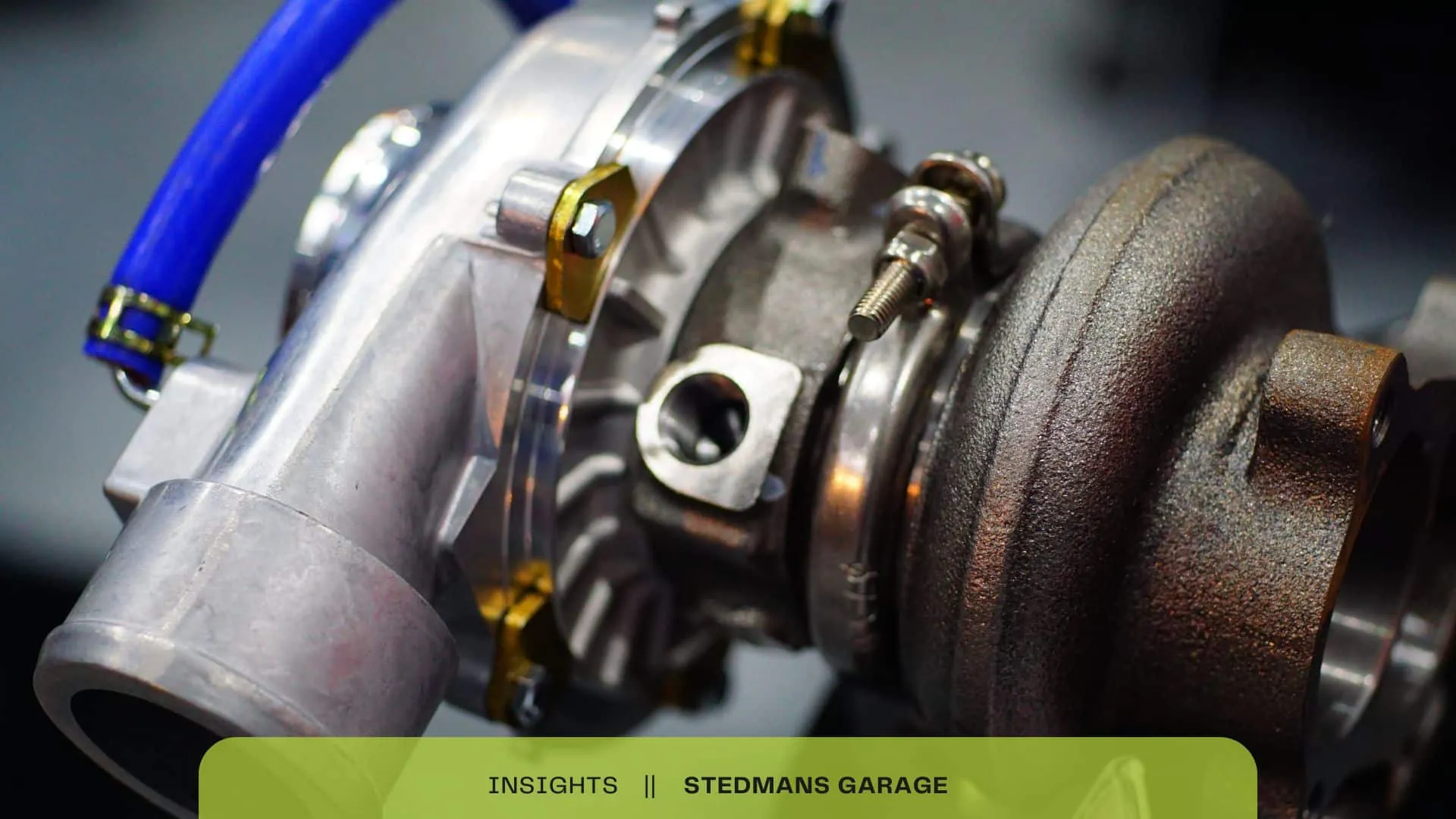
Understanding common turbo problems is crucial for any driver with a turbocharged vehicle. Here are some prevalent issues and their symptoms.
Turbo Lag: Causes and Solutions
Definition of Turbo Lag
Turbo lag refers to the delay between pressing the accelerator and the turbocharger delivering increased power. This phenomenon occurs because the turbo needs time to spool up and generate boost pressure.
Causes of Turbo Lag
- Wastegate Issues: If the wastegate is stuck open, it can prevent the turbo from building enough pressure quickly.
- Exhaust Restrictions: Blockages in the exhaust system can restrict the flow of exhaust gases, delaying the turbo’s spool-up time.
- Engine Load: High engine loads can also increase the time it takes for the turbo to respond.
Solutions for Turbo Lag
- Inspect and Repair the Wastegate: Ensure the wastegate is functioning correctly. If it's malfunctioning, it may need adjustment or replacement.
- Check the Exhaust System: Look for any blockages or restrictions in the exhaust that could impede gas flow.
- Upgrade to a Performance Turbo: In some cases, upgrading the turbocharger can provide a quicker response time.
Boost Leaks: Diagnosis and Repair
What are Boost Leaks?
Boost leaks occur when compressed air escapes from the intake system before it reaches the engine. This can lead to a significant drop in performance.
Symptoms of Boost Leaks
- Decrease in Power: Noticeable loss of acceleration and performance.
- Unusual Sounds: Hissing or whistling noises from the engine bay.
- Check Engine Light: Often triggered by a decrease in boost pressure.
Diagnosing Boost Leaks
- Visual Inspection: Check all hoses and connections for signs of wear or damage.
- Pressure Testing: Use a boost leak tester to pressurise the intake system and listen for escaping air.
Repairing Boost Leaks
- Reconnect or Replace Hoses: Ensure all connections are tight and replace any damaged hoses.
- Seal Leaks: Use silicone sealant or rubber gaskets to seal any identified leaks.
Wastegate Malfunctions: Understanding the Issues
Role of the Wastegate
The wastegate controls the amount of exhaust gas that flows through the turbine. It opens to divert exhaust away from the turbine when the desired boost level is reached, preventing overboost.
Signs of Wastegate Problems
- Overboost: Engine knocking or pinging due to excessive boost pressure.
- Underboost: Lack of power and poor acceleration if the wastegate is stuck open.
Repair Methods for Wastegate Issues
- Inspect the Actuator: Check the actuator for proper movement. If it’s jammed or broken, it may need replacement.
- Adjust the Wastegate: Ensure the wastegate is correctly calibrated for your turbocharger and engine setup.
How to Diagnose Turbo Problems

Diagnosing turbo problems effectively requires a systematic approach using the right tools and techniques.
Tools Required for Diagnosis
- OBD-II Scanner: Essential for reading error codes related to turbo performance.
- Boost Gauge: Helps measure the boost pressure to ensure it’s within normal operating ranges.
- Visual Inspection Tools: Basic tools like wrenches, screwdrivers, and flashlights for checking connections and components.
Step-by-Step Diagnosis
- Check for Error Codes: Use the OBD-II scanner to check for any fault codes related to the turbo system.
- Inspect Physical Components: Look for signs of wear, leaks, or damage in the turbocharger and associated piping.
- Test Boost Pressure: Install a boost gauge and observe the pressure while accelerating to identify any irregularities.
UK-Specific Regulations
When performing turbo repairs, it’s important to consider the UK’s vehicle regulations. Ensure that any modifications or repairs comply with DVSA and MOT standards to avoid penalties or issues during vehicle inspections.
Repairing Turbochargers: When to DIY and When to Seek Help

DIY Repairs: When Are They Feasible?
Some turbocharger issues may be addressed through DIY repairs, particularly if you have mechanical experience. Here are scenarios where DIY is possible:
- Minor Boost Leaks: Replacing hoses or clamps.
- Wastegate Adjustments: Basic adjustments to the wastegate mechanism.
Professional Help: Knowing When to Call an Expert
For more complex turbo issues, seeking professional assistance is recommended. Scenarios include:
- Turbo Failure: If the turbocharger is damaged, a professional evaluation is necessary.
- Electrical Issues: Problems with the electronics controlling the turbo may require specialised diagnostic equipment.
Finding Reputable UK Garages
If professional help is needed, look for reputable garages that specialise in turbo repairs. Some well-known options include:
- Turbo Dynamics: Renowned for turbocharger sales and repairs.
- AET Turbos: Specialists in turbocharger refurbishment and diagnosis.
Actionable Tips for Diagnosing and Repairing Turbo Problems
Here’s a concise guide to help you effectively diagnose and repair turbo issues:
- Utilise an OBD-II Scanner: Regularly check for codes related to turbo performance.
- Perform Visual Inspections: Regularly inspect hoses and connections for wear and tear.
- Install a Boost Gauge: Monitor boost pressure to ensure optimal operation.
- Listen for Unusual Sounds: Pay attention to any hissing or whistling noises that could indicate a boost leak.
- Consult a Professional When Necessary: Don’t hesitate to seek help for complex issues.
Conclusion
In conclusion, understanding turbocharger issues is essential for any UK driver with a turbocharged vehicle. By recognising common problems such as turbo lag, boost leaks, and wastegate malfunctions, you can take proactive steps to diagnose and repair your turbocharger effectively. Regular maintenance and monitoring can significantly enhance your vehicle’s performance and longevity.
Don’t wait for issues to escalate; start monitoring your turbocharger and performing regular checks. If you suspect problems, consult a professional or take the necessary steps for repairs. Your vehicle’s performance depends on it!