

BMW VANOS problems commonly cause a rough idle, hesitation, reduced low-speed power, poor fuel economy or an engine warning light. VANOS is BMW's variable camshaft timing system. Depending on the engine and fault, the cause may be contaminated oil, restricted oil flow, a sticking control solenoid, an electrical fault, worn seals or a mechanical timing problem. Because several faults can produce similar symptoms, diagnostic testing should come before replacing parts.
Introduction to BMW VANOS System
Definition of VANOS and Its Purpose
VANOS stands for "Variable Nockenwellen Steuerung," which translates to "Variable Camshaft Timing" in English. It is BMW's innovative system for variable valve timing. The primary purpose of VANOS is to optimise the timing of the intake and exhaust valves, improving engine performance and efficiency. By adjusting the camshaft positioning relative to the crankshaft, VANOS enables the engine to adapt to various driving conditions, enhancing low-end torque, increasing fuel efficiency, and reducing emissions.
Evolution from Single to Double VANOS Systems
BMW introduced the Single VANOS system in 1992, controlling only the timing of the intake camshaft. This initial version significantly improved engine performance by adapting to different RPM ranges. However, advancements led to the development of Double VANOS, introduced around 1999, which controls both the intake and exhaust camshafts. This dual control allows for continuously variable adjustment based on engine load and speed, offering greater flexibility and efficiency. Essentially, Double VANOS ensures optimal camshaft timing throughout the entire RPM range, providing enhanced power output and smoother engine operation, especially during high-performance driving situations.
Contribution to Engine Performance and Efficiency
The VANOS system is crucial for enhancing engine performance and efficiency. By altering the camshaft positions, VANOS adjusts valve timing to meet different driving conditions. This adaptability offers several benefits:
- Improved Low-End Torque: The system optimises valve opening times at lower RPMs for better torque, making the vehicle more responsive during city driving and quick accelerations.
- Enhanced Fuel Efficiency: By synchronising valve timing with the engine’s needs, VANOS improves fuel combustion efficiency, leading to better fuel economy.
- Reduced Emissions: Efficient combustion translates to cleaner exhaust emissions, as more fuel is burned before being released through the exhaust system.
- Optimised Power Delivery: The system ensures the camshafts are always in the most advantageous position for power output, providing a seamless and powerful driving experience.
The integration of advanced technologies like the VANOS system exemplifies BMW's commitment to high-performance engineering and sustainability. This system enhances the driving experience and contributes to the overall longevity and health of the engine.
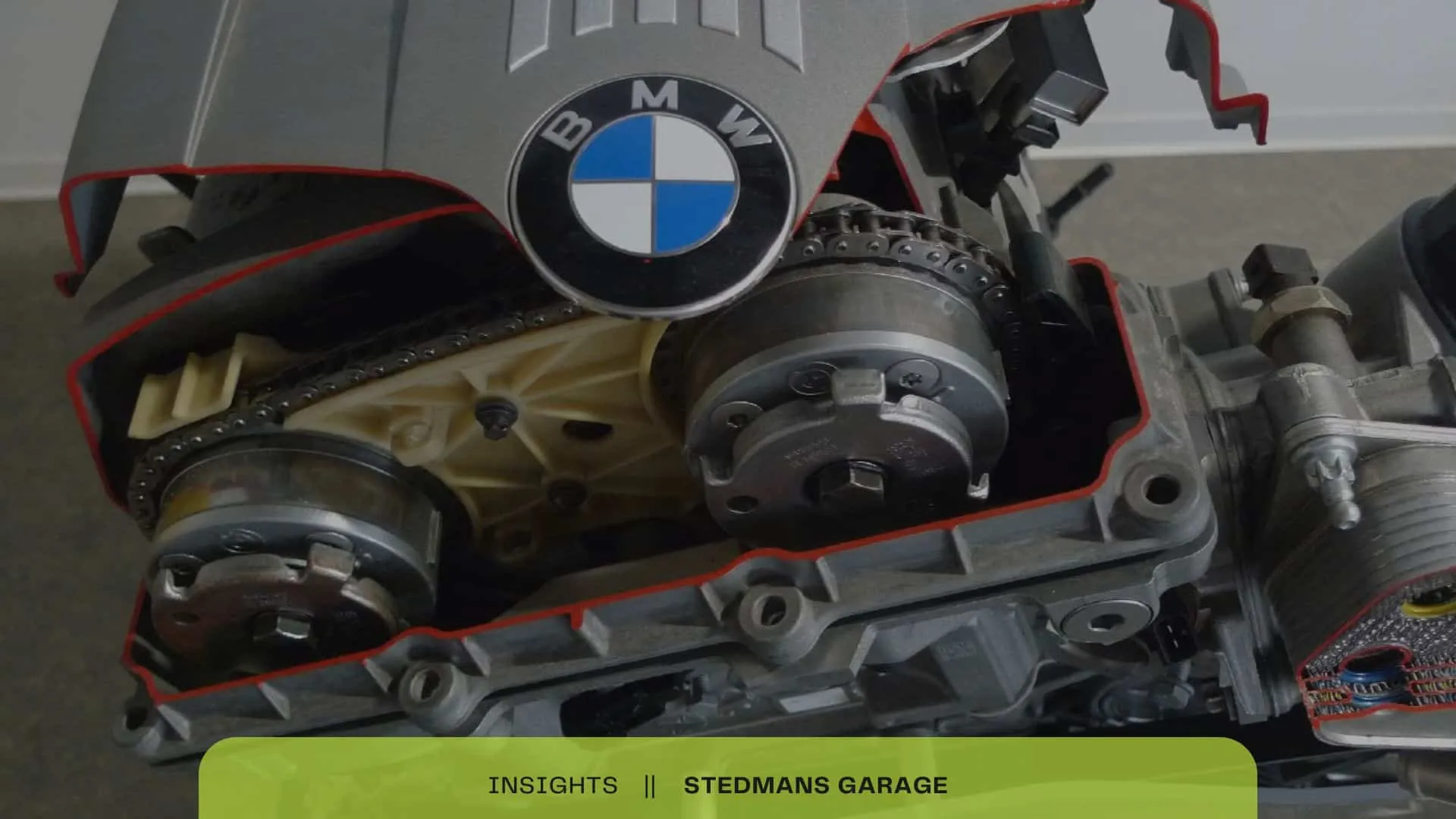
How VANOS Works
Technical Explanation of Camshaft Timing Adjustment Mechanism
The BMW VANOS system is all about optimising your engine's intake and exhaust valve timings. At its core, the VANOS (Variable Nockenwellen Steuerung) system adjusts the camshaft's position relative to the crankshaft. This adjustment is done dynamically while the engine runs, achieving better performance and efficiency.
The camshaft opens and closes the engine's valves, and its timing is crucial. The VANOS system uses a helix-shaped gear mechanism to adjust the camshaft, allowing it to advance or retard its position. This movement changes the timing of the valve operations, ensuring they open and close at the most optimal moments for the current engine load and speed.
Role of Oil Pressure and Hydraulic Systems in VANOS Operation
Oil pressure is vital in the functioning of VANOS. The system uses engine oil as hydraulic fluid to actuate the camshaft adjustment. A piston within the VANOS mechanism is moved by oil pressure, adjusting the camshaft's position. Thus, oil pressure directly controls the timing adjustments.
It's essential to maintain proper oil levels and cleanliness, as contaminated or low oil can impair the hydraulic system, leading to suboptimal performance or even VANOS failure.
Interaction Between ECU, Solenoids, and Mechanical Components
The entire VANOS operation is coordinated by the car's Engine Control Unit (ECU). The ECU receives various engine operating parameters, such as throttle position, engine speed, and load. Based on this data, it determines the optimal valve timing and sends signals to the VANOS solenoids.
The solenoids act as valves, controlling the oil flow into the VANOS unit. When activated by the ECU, they open or close to adjust the oil pressure within the system. This pressure moves the piston, shifting the camshaft position accordingly. The precise interplay between the ECU, solenoids, and mechanical components ensures that the camshaft timing is always optimal, seamlessly optimising engine performance.
This harmonious interaction allows the VANOS to continually adapt to differing driving conditions. Whether idling in traffic or accelerating on the motorway, VANOS ensures that the engine runs efficiently and effectively.
Common VANOS Issues
Maintaining the integrity of the BMW VANOS system is crucial for optimal engine performance; however, several common issues can affect the system’s functionality over time.
VANOS Seals and Engine-Specific Wear
VANOS design differs between BMW engine generations. Some systems can develop internal leakage or seal wear, while others are more likely to suffer from oil-flow, solenoid, wiring or mechanical timing faults. Rough running, hesitation and power loss can also have ignition or fuelling causes, so symptoms alone do not identify the failed part.
Solenoid Malfunctions
The solenoids play a critical role in the VANOS system by controlling the oil flow that adjusts the camshaft position. When these solenoids fail, the VANOS system cannot regulate camshaft timing effectively. Solenoid malfunctions can arise from various factors, including oil contamination, electrical issues, or general wear and tear. Symptoms of failing solenoids include rough idling, poor acceleration, reduced fuel efficiency, and triggering limp mode or check engine lights. Additionally, a clogged solenoid can disrupt oil pressure regulation, further impacting VANOS performance.
Oil-Related Problems
Oil quality is paramount for the proper functioning of the VANOS system. Contaminated or dirty oil can accelerate the wear of VANOS components and reduce the effectiveness of the solenoids and hydraulic systems. Metal shavings or sludge from degraded oil can clog the solenoids, leading to poor performance and potential system failures. Ensuring regular oil changes with high-quality synthetic oil can significantly mitigate these risks. It's also essential to use the correct oil weight and adhere to maintenance schedules to prevent these issues.
Understanding and addressing these common issues is vital for maintaining the performance and longevity of your BMW's VANOS system. Regular maintenance, including timely replacement of seals and O-rings, proper solenoid function checks, and consistent oil quality monitoring, can mitigate many of these problems.
Symptoms of VANOS Failure
When the BMW VANOS system starts to fail, you may notice various symptoms that could significantly affect your driving experience. These symptoms often relate to engine performance, fuel economy, and operational sounds, indicating that the VANOS system might need attention.
Rough Idling, Misfires and Loss of Power
A common sign of VANOS failure is a noticeable drop in engine performance. This can manifest in several ways:
- Power Loss: A failing VANOS system can lead to significant power loss, especially at lower RPMs. This loss occurs due to improper camshaft timing, which reduces air intake and exhaust efficiency.
- Rough Idle: If the engine idles roughly or experiences uneven RPMs, the VANOS unit may struggle to adjust the camshaft timing correctly. Most often, this is due to worn-out seals or solenoid issues.
- Hesitation: Another sign is engine hesitation, particularly noticeable when accelerating from a stop. This occurs because the camshaft timing isn't optimising the air-fuel mixture for acceleration.
Fuel Economy Problems and Increased Emissions
VANOS failure can also negatively impact your car's fuel efficiency and emissions:
- Reduced Fuel Efficiency: If your trips to the petrol station are becoming more frequent, a failing VANOS may be to blame. The system's inability to adjust timing optimally can lead to inefficient fuel burning, consuming more fuel for the same performance.
- Higher Emissions: Improper timing due to VANOS failure can cause your engine to emit higher levels of pollutants, potentially leading to failing emissions tests and requiring immediate repairs to keep the car road-legal.
Unusual Noises and Cold Start Difficulties
A failing VANOS system may produce unusual sounds and affect how your engine behaves during cold starts:
- Unusual Noises: If you hear rattling or ticking noises from the engine, especially when idling, it might indicate that the VANOS components are worn out. These noises signify that the internal parts are no longer functioning smoothly.
- Cold Start Problems: Difficulty with cold starts is another symptom of VANOS issues. You might find the engine struggling to start or running roughly until it warms up. This is often due to poor camshaft timing during startup, failing to optimise the cold start phase.
Recognising these symptoms early can prevent further damage to your BMW's engine and help maintain its performance. Regular diagnostics using fault codes and vigilant maintenance can catch VANOS issues before they lead to more severe problems.
How a BMW VANOS Fault Is Diagnosed
A fault code is a starting point, not proof that the VANOS unit itself has failed. A proper diagnosis should compare the requested and actual camshaft positions, check the engine oil level and condition, inspect the solenoids and electrical connections, and consider oil pressure and mechanical timing where the evidence points that way.
This matters because a sticking solenoid, damaged wiring, unsuitable or contaminated oil, low oil pressure and timing-chain wear can produce overlapping symptoms. Testing the system first avoids replacing a VANOS component that is not responsible for the fault.
Preventive Maintenance
Importance of Regular Oil Changes and Using Proper Synthetic Oil
Maintaining the BMW VANOS system's optimal performance relies heavily on regular oil changes and using high-quality synthetic oil. The intricate hydraulic operations of the VANOS mechanism depend on clean oil, free from contaminants, to function efficiently. Dirty, old, or low-quality oil can lead to clogging, affecting the solenoids and hydraulic actuators' performance, leading to inefficiencies and potential failures.
Synthetic oils are formulated to provide better lubrication and stability under varying temperatures compared to conventional oils. They resist breakdown and maintain viscosity longer. For BMW engines equipped with VANOS, using the manufacturer-recommended synthetic oil ensures the hydraulic system remains well-lubricated, mitigating wear and tear on components such as seals, O-rings, and solenoids.
Do VANOS Seals Have a Replacement Interval?
BMW does not set one universal mileage interval for replacing VANOS seals across every engine. The correct approach is condition-based diagnosis. If the engine develops relevant symptoms or fault codes, the oil condition, oil pressure, solenoid operation, wiring, camshaft position data and mechanical timing should be checked before any parts are replaced.
Proactive Monitoring of System Performance
Proactive monitoring is crucial to keeping the VANOS system in top shape. Regularly checking for signs of VANOS failure, such as unusual engine noises, rough idling, hesitation during acceleration, or increased fuel consumption, can help in the early detection and resolution of potential issues.
Moreover, using diagnostic tools to actively monitor the performance metrics of the VANOS system is beneficial. These tools can read error codes from the ECU, providing insights into anomalies or malfunctions within the system. Promptly addressing these indications can prevent minor issues from escalating into significant failures, safeguarding engine performance and efficiency.
By understanding and implementing these preventive maintenance practices, BMW owners can ensure their VANOS system operates smoothly, enhancing overall engine performance and extending the vehicle's lifespan. Regular oil changes, timely seal replacements, and proactive system monitoring collectively contribute to preventing common VANOS issues and maintaining optimal engine health.

Repair and Replacement
Professional Diagnosis and Repair Procedures
Diagnosing VANOS system issues is crucial for effective and lasting repairs. Professional diagnosis begins with an in-depth inspection of the system's components using advanced diagnostic tools to accurately identify the root cause. Technicians monitor parameters such as oil pressure, solenoid activation, and camshaft positions, ensuring a comprehensive assessment.
Most repairs commence with a detailed inspection using these tools, allowing technicians to pinpoint specific problem areas. Following diagnosis, technicians may proceed with necessary repairs, such as:
- Seal and O-ring Replacement: Most commonly, deteriorated seals and O-rings are replaced to prevent oil leaks and ensure optimal hydraulic performance.
- Solenoid Replacement: If diagnostics reveal solenoid malfunctions, they are replaced or cleaned to restore proper function.
- VANOS Unit Overhaul: In some cases, a full VANOS unit rebuild or replacement may be necessary, especially if the unit has extensive wear or damage.
Precision is vital in these repair procedures to ensure the system functions correctly post-repair.
Choosing the Right Repair and Parts
The correct repair depends on the engine and the evidence from testing. A fault may require cleaning or replacing a control solenoid, repairing wiring, correcting an oil-supply problem, replacing worn seals or addressing mechanical timing wear. Parts should match the exact BMW engine and repair specification. Diagnosis comes first, because replacing the VANOS unit will not fix an electrical, lubrication or timing-chain fault elsewhere in the system.
What Affects the Cost of a VANOS Repair?
The cost depends on the engine, the failed component and the access needed to reach it. Cleaning or replacing a solenoid is a different job from repairing wiring, restoring oil pressure, replacing seals or correcting mechanical timing. A diagnostic check is the sensible first step because it establishes which repair is actually required before work is agreed.
Regular maintenance and timely repairs not only extend the life of your BMW but also ensure it runs efficiently with optimised performance. Keeping up with maintenance will help mitigate the need for extensive repairs, offering a more economical approach to vehicle care. Enthusiasts and owners must be proactive in monitoring their cars, addressing issues as they arise to maintain their BMWs in peak condition.
BMW VANOS Fault Codes and Live Data
BMW fault wording and code formats vary by engine and diagnostic system. A stored camshaft-control or timing code identifies the system that needs testing, but it does not always identify the failed part. The useful next step is to compare the requested camshaft position with the actual position while checking oil condition, solenoid control, wiring and mechanical timing.
That distinction helps separate an electrical or oil-flow problem from wear inside the adjuster or a wider timing fault. Replacing a component from the code description alone can miss the real cause.
Common BMW VANOS Fault Codes
| Code | What it points to |
|---|---|
| 2A82 | Intake VANOS mechanically jammed, commonly the intake VANOS solenoid or a restricted oil supply |
| 2A87 | Exhaust VANOS mechanically jammed |
| P1520 | Exhaust camshaft position actuator, faulty reference value |
| P1523 | Exhaust camshaft position actuator tight or jammed |
| P1397 | Camshaft position sensor B circuit, bank 1 |
P1397 is the one on this list to read carefully, because it is not a VANOS actuator code at all: it reports a fault in the camshaft position sensor circuit. It often appears alongside genuine VANOS faults, which is why it is worth listing, but the sensor and its wiring should be ruled out before the VANOS unit is condemned. Replacing an adjuster on the strength of P1397 alone is how an expensive repair ends up fixing nothing.
The same caution applies across the whole list. A stored code names the circuit the control unit is unhappy with rather than the part that has failed, and low or dirty oil can set VANOS codes with nothing mechanically wrong inside the unit.
BMW Diagnostics and Related Guides
If your BMW has developed rough running, hesitation, a loss of power or a camshaft-timing fault, our BMW specialist garage in Worthing can test the system and explain the evidence before repairs are agreed. For other BMW systems, see our guides to common BMW iDrive issues and how BMW xDrive works.
Frequently Asked Questions
What are the symptoms of a BMW VANOS problem?
Possible symptoms include rough idling, hesitation, reduced low-speed power, poor fuel economy, difficult starting or an engine warning light. These symptoms are not unique to VANOS, so diagnostic testing is needed before replacing parts.
Can I drive with a BMW VANOS fault?
It depends on the symptoms. If the engine warning light is steady and the car runs normally, arrange a diagnostic check promptly and avoid hard driving. Stop safely and seek assistance if the warning flashes, the engine misfires badly, oil pressure is low or there is a severe mechanical noise.
What causes BMW VANOS problems?
The cause varies by engine. Possibilities include contaminated or unsuitable oil, restricted oil flow, a sticking solenoid, damaged wiring, worn seals, low oil pressure or a mechanical timing fault. Testing should identify the cause before parts are replaced.
Does a BMW VANOS solenoid always need replacing?
No. A fault code or timing-control symptom does not prove the solenoid has failed. Oil condition, wiring, electrical supply, commanded and actual camshaft position, oil pressure and mechanical timing may also need checking.
Is there a set mileage for replacing BMW VANOS seals?
There is no single replacement interval that applies to every BMW engine. VANOS designs differ, so seals and related components should be assessed when symptoms or test results justify it rather than changed at a universal mileage.