
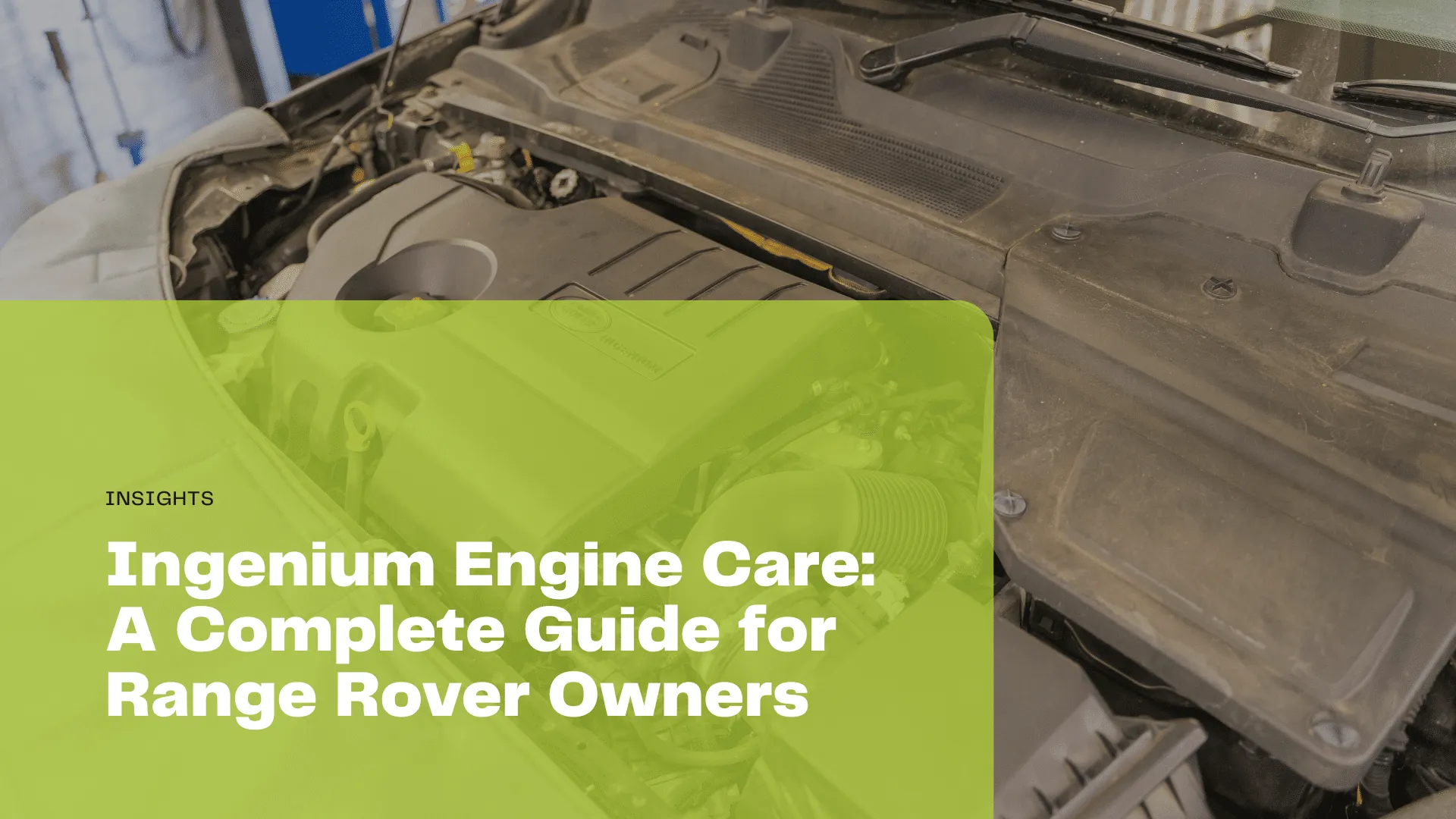
Caring for a Range Rover with the 2.0 Ingenium engine comes down to three things: following the car's own service indicator, using oil to the correct Jaguar Land Rover specification and, on diesels, giving the particulate filter enough longer runs to clean itself. That last point matters most on the Evoque, whose filter sits further back under the floor. This page covers the points specific to the Evoque, Velar and Range Rover Sport; the full detail on oil, coolant and warning signs is in our 2.0 Ingenium engine maintenance guide.
Which Range Rovers have the 2.0 Ingenium
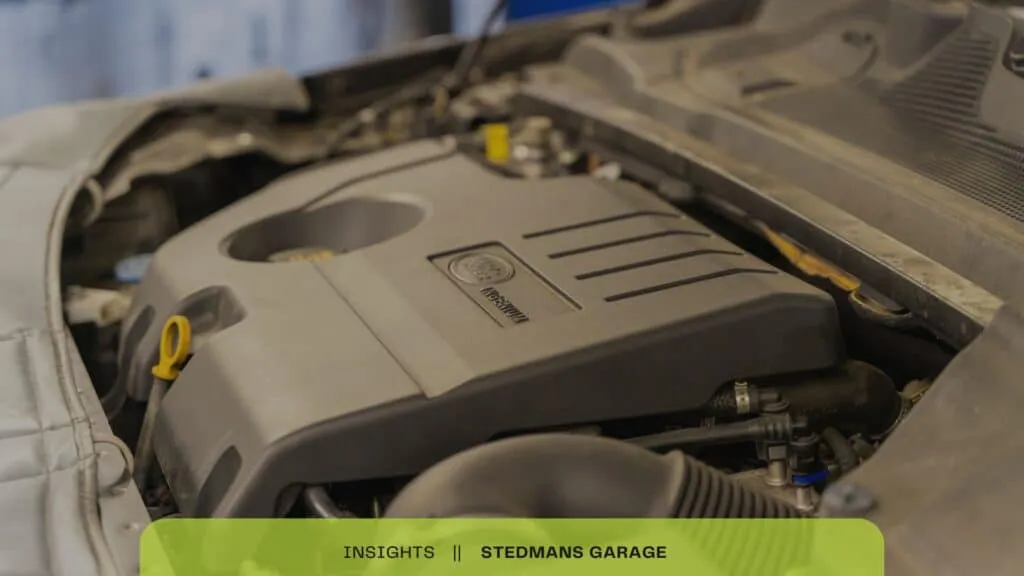
- Range Rover Evoque: the Ingenium diesel arrived for the 2016 model year, badged TD4 at 150PS and 180PS, plus a 150PS two-wheel drive eD4. The Ingenium petrol followed for the 2018 model year at 240PS and 290PS.
- Evoque P300e: the plug-in hybrid (from 2020) uses a 1.5 three-cylinder Ingenium petrol of 200PS with a 109PS electric motor on the rear axle, 309PS combined. It is not a 2.0.
- Range Rover Velar: four-cylinder versions use the 2.0 Ingenium in petrol and diesel form, mounted lengthways in the car.
- Range Rover Sport: four-cylinder versions use the 2.0 Ingenium, including the P400e plug-in hybrid from 2018, which pairs a 300PS 2.0 Ingenium petrol with an electric motor for 404PS combined. The Range Rover itself was also offered as a P400e.
One trap for used buyers: an Evoque badged Td4 or Sd4 from before the 2016 model year is not an Ingenium. It has the older 2.2 litre diesel, which uses a cam belt, and earlier petrol Evoques had a Ford-based 2.0 engine. If you are not sure which engine your car has, see how to identify an Ingenium engine.
Servicing a Range Rover Ingenium
Jaguar Land Rover does not set one fixed mileage for every Ingenium engine. These cars use a flexible service schedule: the car monitors how it is actually driven and shows the next service on the instrument panel, so two Range Rovers of the same model can fall due at different mileages. Your vehicle's own service schedule and that indicator are the authority, and short, cold journeys will bring a service forward.
On a diesel, an early service message usually means the engine has estimated that the oil has picked up fuel. Act on it rather than resetting it.
Use oil to the correct Jaguar Land Rover specification, not just the right viscosity:
- 2.0 petrol: STJLR.03.5006, a 0W-20 grade.
- 2.0 diesel: STJLR.03.5007, a 0W-30 low-SAPS grade that protects the diesel particulate filter.
Check the specification printed on the bottle and use the same oil for top-ups. Coolant is a long-life OAT type to Jaguar Land Rover's specification, replaced when the schedule says and never mixed with other types. The maintenance guide linked above covers oil checks, coolant, warm-up habits and the early warning signs in full.
The Evoque's short-trip problem
The Evoque has its engine mounted across the car, and on this layout the diesel particulate filter (DPF) sits further back, under the floor. It takes longer to get hot enough to clean itself, so an Evoque diesel that mostly does short trips can end up with repeated regenerations that never finish.
That matters because of how a regeneration works. The engine injects extra fuel late in the cycle to heat the filter and burn off soot. When a short journey cuts a regeneration off, some of that fuel washes past the piston rings into the sump. The oil becomes thinner and protects the timing chain, bearings and turbocharger less well. Signs to watch for are a rising oil level on the dipstick or level display, a smell of fuel from the oil and a service message earlier than expected.
What Evoque diesel owners can do:
- Give it a regular longer run at a steady speed so regenerations can finish.
- If the amber DPF light shows, drive above about 37mph for around 20 minutes so the filter can regenerate.
- If the light turns red or the car reduces its performance, have it checked rather than continuing to drive it hard.
- Keep some fuel in the tank. A workshop regeneration needs the tank reasonably full, so staying above a quarter of a tank is a sensible habit, though it is not an on-road rule.
- Consider an interim oil change. Specialists commonly advise an extra oil change between services on a diesel used mainly for short trips.
Soot load and regeneration history are best read with equipment that can see Jaguar Land Rover's own data; a generic code reader often shows only a fault code. If a DPF warning keeps returning, have it diagnosed rather than trying to force a regeneration yourself. If most of your driving is short urban trips, a petrol or P300e Evoque may simply suit that use better than a diesel. For the wider picture on this model, see our guide to Range Rover Evoque common issues.
The timing chain on Range Rover diesels
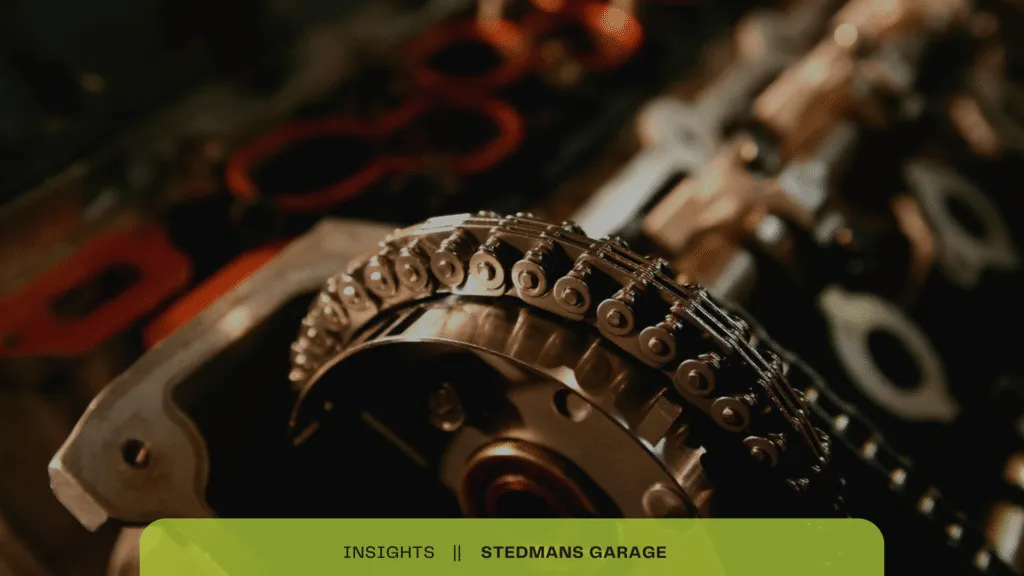
The 2.0 Ingenium's timing chain sits at the back of the engine, at the gearbox end. It runs on a hydraulic tensioner, cannot be adjusted and cannot be seen at a service, and there is no scheduled replacement. Stretch is mainly a diesel problem, especially on engines built before revised parts arrived around 2019.
The first symptom is a metallic rattle from the back of the engine for a few seconds after a cold start. A garage confirms it by reading live camshaft and crankshaft correlation data on equipment that reads Jaguar Land Rover systems. There is no UK recall for Ingenium timing chains. For the detail, read our guides to Evoque timing chain stretch and the top Ingenium engine issues on Range Rovers.
AdBlue on Range Rover diesels
Ingenium diesel Range Rovers use AdBlue to cut nitrogen oxide emissions. Top up with non-drip bottles rather than the commercial (HGV) pumps at fuel stations, whose flow rate is too high for a car's filler, and wipe away spills because AdBlue is corrosive. Never let the tank run dry: once it is empty the car will not restart until it is refilled.
Recalls worth checking on Range Rover Ingenium models
None of the UK recalls on these cars concerns the timing chain, but two affect Evoques and are worth checking on any car you own or are buying:
- R/2018/036: Evoque fuel rail end caps, with a possible fuel leak, on cars built May 2016 to January 2018.
- R/2024/113: Evoque turbocharger oil feed pipe, which may loosen, on cars built March 2020 to July 2024. Our guide to Range Rover Evoque turbocharger problems explains why oil supply matters to the turbo.
Check any Evoque, Velar or Range Rover Sport by registration on the GOV.UK vehicle recall checker, and ask for outstanding recalls and engine software updates to be checked at each service.
Buying a used Range Rover with the 2.0 Ingenium
If you are looking at a used Evoque, Velar or Range Rover Sport with the 2.0 Ingenium, a few checks tell you a lot about how it has been looked after:
- Service history: look for invoices that record the correct JLR oil specification, and for oil changes made when the car asked for them rather than messages being reset.
- Cold start: hear the engine start from cold if you can, and listen for a rattle from the back of the engine in the first few seconds.
- Recalls and updates: run the registration through the GOV.UK recall checker and ask whether engine software updates have been applied.
- Use: on a diesel Evoque, ask how it has been driven. A car that has only ever done short trips is more likely to have suffered fuel in its oil.

Range Rover Ingenium servicing in Worthing
Stedmans Garage are Range Rover specialists with main-dealer equipment, carrying out diagnostics, servicing and repairs on the Evoque, Velar and Range Rover Sport. For model-specific faults, see our guides to Range Rover Velar common issues and Range Rover Sport common faults.
If your Range Rover has an early service message, a DPF light that keeps returning or a rattle on a cold start, contact Stedmans Garage to book it in.
Frequently Asked Questions
Which Range Rover Evoques have the Ingenium engine?
Evoque diesels from the 2016 model year (TD4 150PS and 180PS, and the eD4) and Evoque petrols from the 2018 model year have the 2.0 Ingenium. The P300e plug-in hybrid uses a 1.5 three-cylinder Ingenium. An Evoque badged Td4 or Sd4 from before the 2016 model year has the older 2.2 diesel, not an Ingenium.
What oil does a Range Rover 2.0 Ingenium engine need?
The 2.0 petrol needs oil to JLR specification STJLR.03.5006 (0W-20) and the 2.0 diesel needs STJLR.03.5007 (0W-30), a low-SAPS oil that protects the diesel particulate filter. Check the specification on the bottle rather than relying on the viscosity, and treat your handbook as the authority.
Why might a Range Rover Ingenium diesel need its oil changed sooner than the indicator says?
Repeated short journeys can interrupt particulate filter regenerations, letting fuel wash into the sump and thin the oil, which then protects the timing chain and bearings less well. Specialists commonly advise an extra oil change between services on a diesel used mainly for short trips.
Can I keep driving with a DPF warning light on a Range Rover?
With the amber light, Land Rover advises driving above about 37mph for around 20 minutes so the filter can regenerate. If the light stays on, turns red or the car reduces its performance, stop relying on driving to clear it and have it diagnosed, because a blocked filter is a bigger repair.
Is there a timing chain recall on the Range Rover Evoque?
No. There is no UK recall for Ingenium timing chains. The UK recalls on Ingenium Evoques cover the fuel rail end caps (R/2018/036) and the turbocharger oil feed pipe (R/2024/113). Check any car by registration on the GOV.UK vehicle recall checker.
Can Stedmans Garage service a Range Rover with the Ingenium engine?
Yes. Stedmans Garage are Range Rover specialists with main-dealer equipment in Worthing. We service and repair the Evoque, Velar and Range Rover Sport, follow the car's own schedule with Jaguar Land Rover specification oil, and use diagnostic tools that read the manufacturer's data for DPF and timing checks.