
The best way to protect a 2.0 Ingenium engine's timing chain is to keep oil of the correct Jaguar Land Rover specification in it, change that oil when the car asks for it (or sooner on a diesel that mostly does short journeys), and act quickly on a rattle from the back of the engine after a cold start. The chain sits at the gearbox end of the engine and cannot be seen or adjusted at a service, so clean oil and early diagnosis are the real defences. This guide covers the service schedule, oil specifications, oil dilution on diesels, the warning signs and the driving habits that help, for Jaguar, Land Rover and Range Rover models with the 2.0 Ingenium.
Why maintenance matters more on the 2.0 Ingenium
Ingenium is Jaguar Land Rover's own modular engine family, built at its Engine Manufacturing Centre in Wolverhampton. Production began in 2015, with the Jaguar XE as the first application, and the 2.0 four-cylinder has since been fitted in petrol and diesel form across Jaguar, Land Rover and Range Rover models.
Three things make maintenance on this engine more important than on many others:
- The timing chain is at the back of the engine. The chain drive sits at the gearbox end. It runs on a hydraulic tensioner, so it cannot be adjusted, and it cannot be seen during a service. There is no scheduled replacement. If it stretches, the repair is a revised chain, guides and tensioner kit fitted with the gearbox removed (or the engine out), which makes it a labour-heavy job worth preventing.
- The chain depends on the oil. The chain, its guides and the hydraulic tensioner all rely on clean engine oil of the right specification. Oil that is overdue, the wrong grade or thinned by fuel gives them less protection.
- Diesels can dilute their oil. On the 2.0 diesel, interrupted particulate filter regenerations can wash fuel into the sump. The chain problem is mainly a diesel one (the AJ200D, also known as the 204DTD), especially on engines built before revised parts arrived around 2019.
For the full list of faults and what causes them, see our guide to 2.0 Ingenium engine problems.
The service schedule: follow the indicator, not a mileage
Jaguar Land Rover runs a flexible, indicator-driven service schedule on Ingenium engines. The car works out when the next service is due from how it is actually driven and shows it on the instrument panel, so two cars of the same model can fall due at different mileages. Your vehicle's own service schedule, the handbook and that indicator are the authority. Be wary of any single mileage figure quoted for every Ingenium, because no such figure applies.
A pattern of short, cold journeys brings the next service forward on petrol and diesel cars alike. On a diesel there is a second reason a service can arrive early: the engine has no sensor that measures fuel in the oil, so the engine management estimates how diluted the oil has become and brings the service message forward when it thinks the oil needs changing.
That is why an early service message on an Ingenium diesel should never be ignored or simply reset. It usually means the oil has picked up fuel and is protecting the chain, bearings and turbocharger less well than it should. Book the oil change rather than clearing the message.
Use oil to the correct JLR specification
Jaguar Land Rover sets its own oil specifications for Ingenium engines, and they matter more than the viscosity printed on the front of the bottle:
- 2.0 Ingenium petrol: oil to JLR specification STJLR.03.5006, a 0W-20 grade. It replaced the earlier STJLR.51.5122 from April 2018.
- 2.0 Ingenium diesel: oil to JLR specification STJLR.03.5007, a 0W-30 grade. It is a low-SAPS oil, formulated to protect the diesel particulate filter.
Two oils with the same viscosity can meet different specifications, so check that the specification itself is printed on the bottle, and use the same specification when you top up between services. If in doubt, the handbook for your car is the authority.
The 2.0 Ingenium uses a replaceable filter element in a housing (a cartridge), not a spin-on canister. It is renewed with the oil at each oil service. For the general case for keeping on top of oil, see the benefits of regular oil changes.
Interim oil changes on short-journey diesels
Specialists commonly advise an extra oil change between scheduled services on a 2.0 Ingenium diesel that is used mainly for short trips. The reasoning is simple: fuel in the oil thins it, thin oil gives the chain and bearings less protection, and fresh oil removes the fuel. This is specialist advice rather than part of Jaguar Land Rover's schedule, so the car's own indicator still decides when the main service is due.
If you are buying a used Ingenium diesel, look for a service history that records the correct oil specification and, ideally, oil changes at or before the times the car asked for them. A history of early service messages being reset rather than acted on is a reason for caution.
Petrol owners do not face the same regeneration-driven dilution, but short, cold journeys still bring the service forward on a 2.0 petrol, so the same rule applies: follow the indicator, use oil to the right specification and do not stretch the gap between changes.
How to check for oil dilution
Oil dilution is a diesel issue. During an active regeneration of the diesel particulate filter (DPF), the engine injects extra fuel late in the cycle to heat the filter and burn off soot. If short journeys keep interrupting those regenerations, some of that fuel washes past the piston rings into the sump. Diluted oil is thinner and protects the timing chain, bearings and turbocharger less well, and specialists link heavy dilution to crankshaft bearing failure.
The signs to look for are:
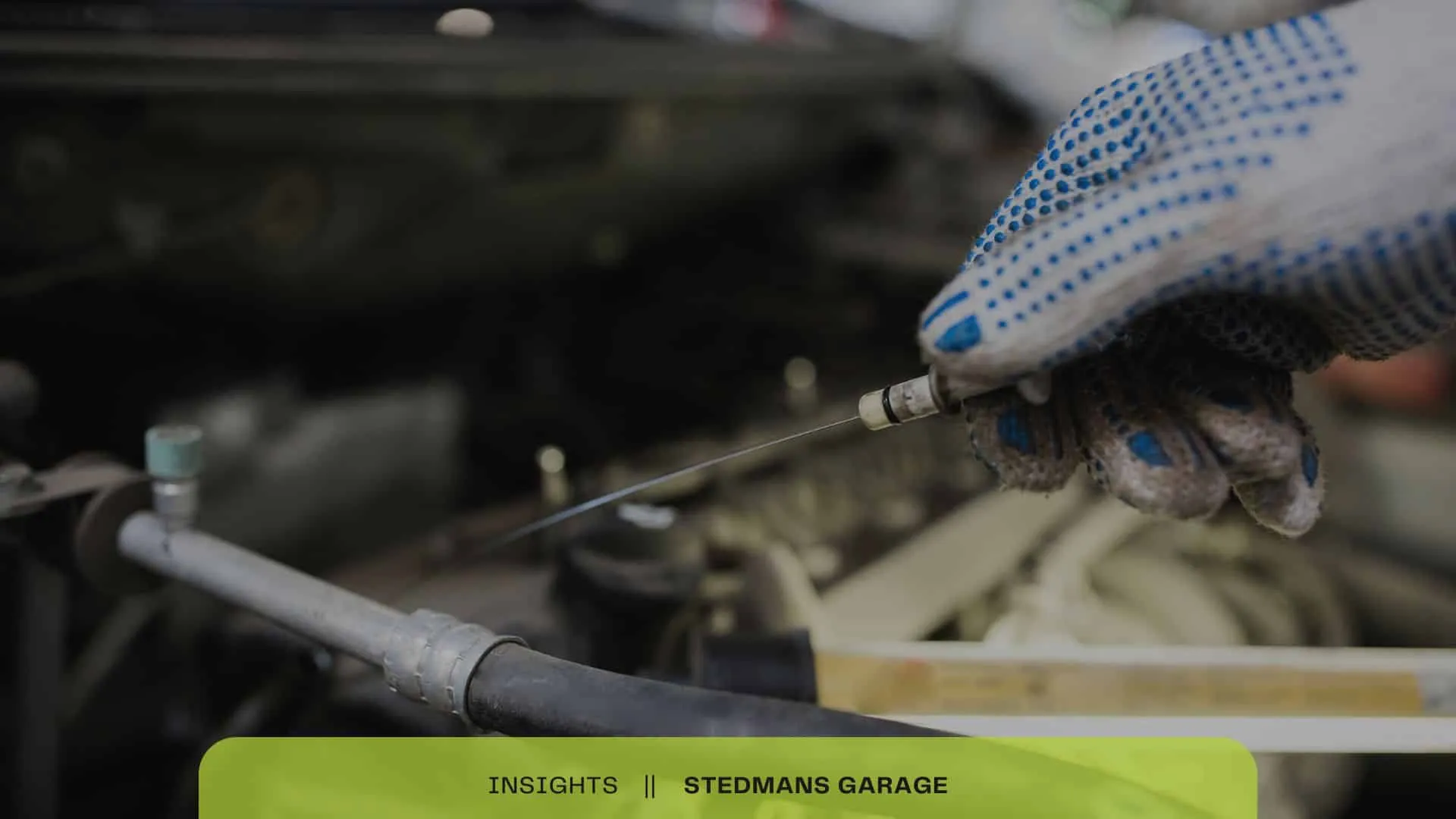
- A rising oil level on the dipstick or the oil level display, when nothing has been added.
- A smell of fuel from the oil.
- A service message earlier than expected, as described above.
Check the level regularly on level ground, following the handbook. On a petrol Ingenium a rising level is not expected; a falling level on either fuel points to the engine using oil or a leak, and is worth having looked at.
Let regenerations finish
The practical defence against oil dilution is letting regenerations complete. A regular longer run at a steady speed gives the filter the heat and time it needs, which matters most on cars that otherwise only do short journeys.
If the amber DPF warning light appears, Land Rover's advice is to drive above about 37mph for around 20 minutes so the filter can regenerate. If the light turns red, or the car reduces its performance, stop relying on driving to clear it and have it checked.
The layout of the car matters. On the transverse-engined models (Evoque, Discovery Sport and E-PACE) the filter sits further back, under the floor, so it takes longer to get hot enough to clean itself on short trips. That is why these models suffer more repeated regenerations and more fuel in the oil. The Jaguar XE, by contrast, has a close-coupled filter nearer the engine.
If a regeneration has to be carried out in the workshop, the equipment needs the tank reasonably full, so keeping a diesel above a quarter of a tank is a sensible habit. It is not an on-road rule from Jaguar Land Rover. Soot load and regeneration history are best read with equipment that can see Jaguar Land Rover's own data; a generic code reader will often show only a fault code. We do not recommend consumer gadgets or forcing regenerations yourself, because a forced regeneration on a heavily loaded filter needs the right checks first.
Coolant: long-life, and never mixed
Ingenium engines use a long-life OAT (organic acid technology) coolant to Jaguar Land Rover's specification. It is replaced when the vehicle's service schedule says, so routine flushing is not part of looking after it. Do not mix coolant types, and top up only with coolant to the same specification.
Check the level in the expansion tank with the engine cold, and never open the cap on a hot engine because the system is pressurised. A level that keeps dropping, a sweet smell or damp hoses are signs of a leak that should be found before the engine overheats.
AdBlue on diesel models
Ingenium diesels use AdBlue to cut nitrogen oxide emissions. Top it up when the car warns you, using non-drip bottles rather than the commercial (HGV) pumps at fuel stations, whose flow rate is too high for a car's filler. Wipe up any spills straight away, because AdBlue is corrosive. Do not let the tank run dry: once it is empty, the car will not restart until it has been refilled.
Early warning signs to act on
Most expensive Ingenium failures give some warning first. These are the signs worth acting on quickly.
Noises
- A metallic rattle from the back of the engine for a few seconds after a cold start. This is the first symptom of a stretched timing chain. Do not wait for it to get worse.
- A high-pitched whine that rises with engine speed can point to a turbocharger problem, often linked to oil supply or oil condition.
- On petrol engines, knocking or pinking under load can indicate a combustion problem or the wrong fuel, and should be diagnosed.
Performance and warning lights
- Loss of power or a limp-home mode, with or without the engine management light.
- Fault codes for camshaft and crankshaft correlation. P0016 to P0019 and P0341 are generic correlation and camshaft sensor codes that stretched chains commonly log.
- A DPF warning that keeps returning, which suggests regenerations are not completing.
Oil level changes
- Rising level on a diesel: likely fuel dilution.
- Falling level: oil consumption or a leak. Blue smoke from the exhaust suggests oil is being burnt.
Because the chain cannot be seen at a service, wear is confirmed by reading live camshaft and crankshaft correlation data on equipment that reads Jaguar Land Rover systems, alongside any stored fault codes. A garage can also look inside with a borescope. Our car diagnostics in Worthing cover this kind of check.

Warm-up and cool-down habits
From a cold start, drive off gently rather than leaving the engine to idle, and keep the revs moderate until it has warmed up. Driving warms the engine and oil faster than idling, and on a diesel long idling and short runs both add to soot loading and dilution.
After a long motorway run or towing, let the engine idle briefly before switching off so oil keeps circulating through the turbocharger. There is no need to do this after ordinary driving.
Software updates and recalls
Jaguar Land Rover releases engine software updates that change how the engine and its emissions systems behave, including updates aimed at oil dilution on diesels. Ask for outstanding updates and recalls to be checked at each service.
You can check any car yourself by registration on the GOV.UK vehicle recall checker. There is no UK recall for Ingenium timing chains. In South Korea, Jaguar Land Rover runs a free-repair campaign (not a recall) replacing the chain, guides and tensioner on 2.0 Ingenium diesels built up to 2020, but UK owners have no equivalent scheme and any goodwill is at Jaguar Land Rover's discretion. The UK recalls that do affect these cars are for other parts:
- R/2018/036: Range Rover Evoque and Land Rover Discovery Sport fuel rail end caps (possible fuel leak), built May 2016 to January 2018.
- R/2024/113: Range Rover Evoque turbocharger oil feed pipe may loosen, built March 2020 to July 2024.
- R/2025/178: Land Rover Discovery Sport turbocharger oil feed pipe clamp fitted the wrong way, built January 2024 to May 2024.
Independent servicing and your warranty
Land Rover's UK new car warranty runs for 3 years with unlimited mileage, and servicing is not included. Having the car serviced by an independent garage during the warranty is fine, provided the schedule is followed and Jaguar Land Rover specification parts and fluids are used. Keep the invoices, and make sure they record the oil specification used. Our car servicing in Worthing follows the vehicle's own schedule.
Which model do you have?
The 2.0 Ingenium is fitted across all three makes, and each has its own points to watch. If you are not sure whether your car has one, start with how to identify an Ingenium engine. An Evoque or Discovery Sport badged Td4 or Sd4 from before the 2016 model year has the older 2.2 diesel, not an Ingenium.
- Jaguar (XE, XF, F-PACE, E-PACE): read our guide to Jaguar engine problems, or see our Jaguar specialists page.
- Land Rover (Discovery Sport, Discovery, Defender): read about Discovery Sport Ingenium engine issues, or see our Land Rover specialists page.
- Range Rover (Evoque, Velar, Range Rover Sport): read our Range Rover Ingenium engine care guide, or see our Range Rover specialists page.
If your Ingenium has a cold-start rattle, an early service message or a DPF light that keeps coming back, contact Stedmans Garage in Worthing to book it in.
Frequently Asked Questions
How often should a 2.0 Ingenium engine be serviced?
Jaguar Land Rover uses a flexible, indicator-driven schedule rather than one fixed mileage. The car works out when the next service is due from how it is driven and shows it on the instrument panel. Follow that indicator and your handbook. Short, cold journeys will bring the service forward.
What oil does a 2.0 Ingenium engine take?
The 2.0 petrol takes oil to JLR specification STJLR.03.5006 (0W-20), which replaced STJLR.51.5122 from April 2018. The 2.0 diesel takes oil to STJLR.03.5007 (0W-30), a low-SAPS oil that protects the diesel particulate filter. Check the specification on the bottle, not just the viscosity.
Can the timing chain be checked during a service?
Not by looking at it. On the 2.0 Ingenium the chain sits at the gearbox end of the engine, cannot be seen at a service and cannot be adjusted. Wear is picked up by listening for a rattle after a cold start and by reading camshaft and crankshaft correlation data and fault codes with equipment that reads Jaguar Land Rover systems.
Why has my Ingenium diesel asked for a service early?
The engine estimates how much fuel has diluted the oil, usually from particulate filter regenerations cut short by short journeys, and brings the service message forward when it thinks the oil needs changing. Do not reset it. Book the oil change, and consider more longer runs so regenerations can finish.
Is there a UK recall for Ingenium timing chains?
No. There is no UK recall for Ingenium timing chains. Jaguar Land Rover runs a free-repair campaign in South Korea for 2.0 diesels built up to 2020, but UK owners have no equivalent scheme. Check your car for other open recalls by registration on the GOV.UK vehicle recall checker.
Can Stedmans Garage service a 2.0 Ingenium engine while the car is under warranty?
Yes. Stedmans Garage are Jaguar, Land Rover and Range Rover specialists with main-dealer equipment. Independent servicing during the warranty is fine as long as the schedule is followed with Jaguar Land Rover specification parts and fluids, so keep invoices that show the oil specification used. Book a service in Worthing.