
Jaguar vehicles are renowned for their performance, elegance, and technological advancement. However, like all vehicles, they are not immune to potential issues, particularly in the gearbox. Understanding Jaguar gearbox issues is essential for UK drivers who want to maintain the performance and safety of their vehicles. This blog post aims to educate Jaguar owners on common gearbox symptoms and possible solutions. By recognising gearbox problems early, drivers can save time and money on repairs while preserving the longevity of their cherished vehicles.
In this post, we will explore the different types of gearboxes used in Jaguar cars, discuss common gearbox issues, examine diagnostic methods, provide preventative maintenance tips, and highlight when to seek professional help. Let’s embark on this informative journey together.
Overview of Jaguar Gearbox Types
Types of Gearboxes Used in Jaguar Vehicles
Jaguar has employed several gearbox types across its range of models, each tailored to specific performance needs and driving experiences. The two primary types include manual and automatic gearboxes.
1. Manual Gearboxes
Manual gearboxes, often referred to as "stick shifts," offer enthusiasts a more engaging driving experience by allowing them to select gears manually. This type is less common in newer Jaguar models but remains available in models like the Jaguar F-Type.
Features:
- Direct driver control.
- Typically lighter and mechanically simpler.
Advantages:
- Offers greater control over gear selection.
- May provide better fuel efficiency in some scenarios.
Disadvantages:
- Requires more skill and heightened attention from the driver.
- Not as convenient in heavy traffic.
2. Automatic Gearboxes
Most contemporary Jaguar models, such as the XE and F-Pace, are fitted with automatic gearboxes, particularly the ZF 8-speed transmission. This advanced transmission is designed to deliver optimal performance and smooth gear changes.
Features:
- Computer-controlled gear changes.
- Adaptive transmission capable of adjusting based on driving style.
Advantages:
- Smooth and effortless shifting enhances comfort.
- Reduced workload for the driver in traffic conditions.
Disadvantages:
- More complex and potentially costly to repair.
- May lead to gearbox issues if not maintained properly.
Common Usage Across Jaguar Models
Different Jaguar models may feature variations of these gearboxes, depending on their performance goals. For instance, the F-Type is designed for speed and agility, often equipped with sportier gear ratios, while the XF prioritises comfort, featuring more relaxed ratios for smoother rides. The choice of gearbox significantly affects how each vehicle handles, which is crucial for owners to understand when evaluating gearbox issues.
Common Gearbox Issues in Jaguar Cars
Recognising the typical symptoms of gearbox problems can help drivers address issues before they escalate. Below, we’ll explore some common gearbox issues faced by UK Jaguar owners.
Delayed Gear Engagement: Understanding the Symptoms
Delayed gear engagement occurs when there is a significant lag between pressing the accelerator and the transmission responding. This may suggest low transmission fluid levels, a malfunctioning transmission pump, or serious internal failures.
Identifying Symptoms UK drivers may notice:
- A significant pause before the vehicle starts moving after selecting a gear.
- The engine revving without a corresponding increase in vehicle speed.
- Rough transitions between gear changes.
Real-World Examples In a recent report from a Jaguar owner in London, an XF experienced a delay in lower gears, especially when trying to accelerate from a stop. After inspection, low transmission fluid was identified as the root cause, which was easily rectified with a fluid top-up.
Actionable Insights If you experience delayed gear engagement:
- Check Transmission Fluid Levels: Open the dipstick to confirm levels; low fluid can lead to performance issues.
- Inspect for Leaks: Examine beneath the vehicle for signs of fluid pooling.
- Consult a Professional: If fluid levels are adequate, seek assistance from a garage specialised in Jaguar repairs.
Slipping Gears: Why It Happens and What to Look For
Slipping gears occur when the gearbox unexpectedly shifts out of gear while driving, causing a sudden loss of power. This is often a sign of wear and tear in gear synchronisers, fluid contamination, or low fluid levels.
Symptoms of Gear Slipping
- Sudden or unexpected changes in speed.
- The engine revs disproportionately compared to the vehicle’s speed.
- Difficulty maintaining speed, especially during acceleration.
Causes and Solutions This issue may manifest in various models, including the Jaguar XE. For instance, a driver in Weybridge reported slipping in their automatic transmission when accelerating from a standstill. After seeking help, a simple transmission fluid flush and replacement resolved the problem.
What to Do When experiencing slipping gears:
- Check Fluid Condition: Discoloured or burnt-smelling fluid may require replacement.
- Inspect Clutch Components: For manual gearboxes, ensure the clutch isn't worn or damaged.
- Seek Professional Help: A mechanic can carry out a thorough examination to diagnose internal gearbox components.
Unusual Noises: Identifying Mechanical Problems
Hearing unusual noises from the gearbox can indicate potential problems. Mechanical sounds such as whining, grinding, or clunking often point to significant issues requiring immediate attention.
Common Noises and Their Meanings
- Whining: Often signifies low fluid levels or gear wear.
- Grinding: Can indicate that the gearbox is struggling to engage, pointing towards mechanical failure.
- Clunking: Generally implies issues with the gears or mounting, often due to misalignment or wear.
Examples from UK Drivers Several UK Jaguar owners reported grinding noises when shifting gears in their XF models, prompting them to inspect their gearbox. They discovered that the gearbox mount was worn, leading to misalignment that required replacement.
Actionable Insights If you detect unusual noises:
- Investigate Fluid Levels: Ensure adequate transmission fluid to reduce friction.
- Check Gearbox Mounting: Loose or worn mounts can cause excessive vibrations and noise.
- Consult an Expert: Persistent issues necessitate professional diagnostics to prevent further damage.
Diagnostic Methods and Professional Assessment
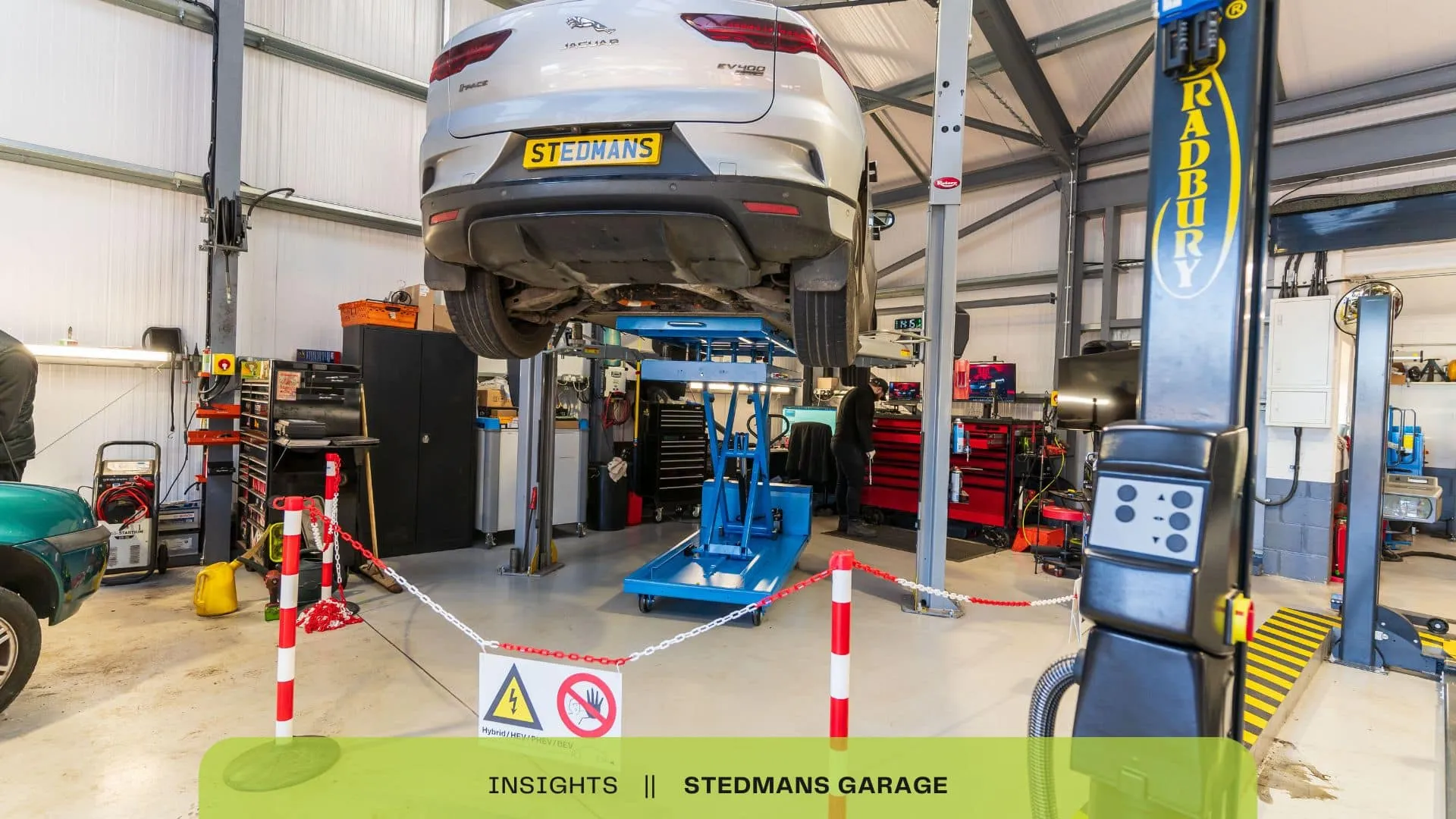
Diagnosing Jaguar gearbox issues can sometimes be straightforward for experienced drivers but often requires professional assessment. Here's how to navigate the process effectively.
DIY Diagnostic Checklist for Jaguar Owners
- Fluid Levels: Check the transmission fluid level and condition using the dipstick.
- Fluid Leaks: Inspect the area under the vehicle for any sign of leaking fluid.
- Sounds and Feedback: Note any abnormal noises or sensations from the gearbox during shifts.
- Error Codes: Use an OBD-II scanner to check for error codes from the vehicle’s computer system.
When to Consult a Professional
While some gearbox issues can be tackled at home, there are situations when seeking professional help is necessary:
- Persistent noises that don’t resolve after basic checks.
- Difficulty in changing gears that continues even after checking fluid and clutch components.
- Warning lights on the dashboard indicating transmission issues.
Finding Reputable Service Centres
- Research Online: Use platforms like Trustpilot or Google Reviews to read about local mechanics.
- Ask for Recommendations: Consult the Jaguar community or forums for trusted garages.
Preventative Maintenance and Tips for Jaguar Owners
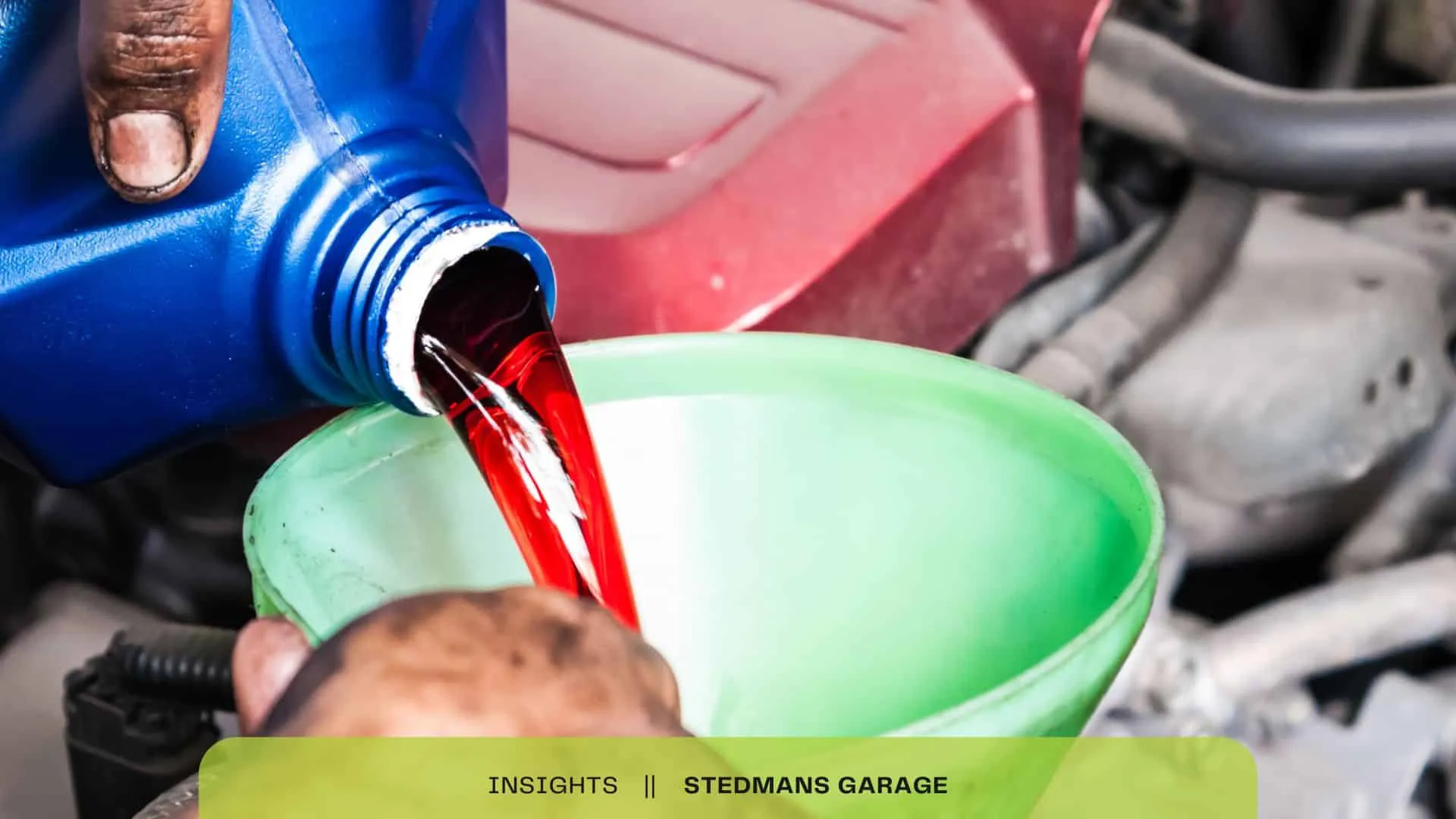
Proper gearbox maintenance for Jaguars can significantly mitigate issues and extend the vehicle’s operational life. Here are practical measures Jaguar owners should consider.
Regular Fluid Checks and Changes
- Frequency: Check transmission fluid levels monthly and consider changing it every 30,000 to 50,000 miles, depending on the model and driving conditions.
- Quality of Fluid: Always use manufacturer-recommended fluids to ensure optimal performance.
Bearing the UK Climate in Mind
The climatic conditions in the UK (particularly dampness) can impact gearbox functionality. For instance, moisture can lead to corrosion, hence:
- Keep Gearbox Seals Intact: Regularly inspect seals for signs of wear and replace them as needed.
- Protect Against Road Salt: During winter months, ensure the undercarriage is cleaned of road salt to prevent corrosion that might affect the gearbox.
Acting Early on Symptoms
Understanding your vehicle’s responses is crucial, everything from slipping gears to delayed engagement could be a warning sign. The sooner you address these symptoms, the less likely the problem will escalate into an expensive repair.
When to Seek Professional Help
Jaguar owners need to know when to consult experts. Here are scenarios warranting professional attention:
- Warning Lights: If you see a “Transmission Fault” warning, consult a mechanic immediately.
- Persistent Problems: Recurring issues such as slipping gears or unusual noises require specialist evaluation.
- Comprehensive Inspection: Consider a full gearbox inspection after severe driving conditions like towing or off-roading.
Finding a Trustworthy Mechanic
- Jaguar Dealerships: Often provide the best service for Jaguar models; while prices may be higher, they utilise OEM parts and possess expert insights.
- Local Mechanics: Look for mechanics experienced in servicing luxury cars and with positive customer feedback.
Actionable Tips Section
To help you recognise gearbox problems, here’s a concise action plan.
Early Symptoms to Look For While Driving
- Delayed Engagement: Notice a lag before moving when shifting from park to drive/reverse; check fluid levels immediately.
- Slipping Gears: If you experience a sudden loss of power while driving, safely pull over and document the issue for the mechanic.
- Unusual Noises: Listen for grinding or whining sounds and note when they occur: are they constant or only during shifts?
Maintenance Tips
- Regular Oil Change: Change your transmission fluid at suggested intervals using quality products.
- Fluid Level Checks: Check fluid levels before long journeys, especially if you travel regularly under high loads.
- Drive Responsibly: Avoid aggressive starts and hard accelerations, this can extend the life of your gearbox.
Conclusion
Understanding and addressing Jaguar gearbox issues early can save you significant costs and hassle. By recognising common symptoms, such as delayed engagement, slipping gears, and unusual noises, UK Jaguar drivers can take proactive measures to maintain their vehicles' health.
Regular maintenance, fluid checks, and knowing when to consult a professional are vital steps to ensure the longevity of your Jaguar's gearbox. Whether you're experiencing minor issues or serious symptoms, don’t hesitate to seek help. Awareness and education are key to preserving the impressive performance that Jaguar vehicles offer. Start prioritising your gearbox today!
Related reading: Jaguar XF EGR valve and limp mode issues