
On a modern Land Rover, timing chain tensioner trouble almost always means the 2.0 Ingenium diesel. That engine is fitted to the Discovery Sport from the 2016 model year, the Discovery from 2017 and the Defender from 2020, and its chain runs at the rear of the engine, at the gearbox end, on a hydraulic tensioner. When the tensioner and guides wear, the chain slackens, the camshaft timing drifts and the engine management logs a camshaft and crankshaft correlation fault, usually with a rattle on a cold start. The chain cannot be seen or adjusted without major dismantling, so it is diagnosed from the engine's timing data rather than by eye.
Introduction
This guide explains what the timing chain tensioner does, which Land Rover engines have had problems with it, the warning signs, and what the repair involves, so you know what you are dealing with before a garage opens the bonnet.
Understanding Timing Chains and Tensioners in Land Rovers
What Are Timing Chains?
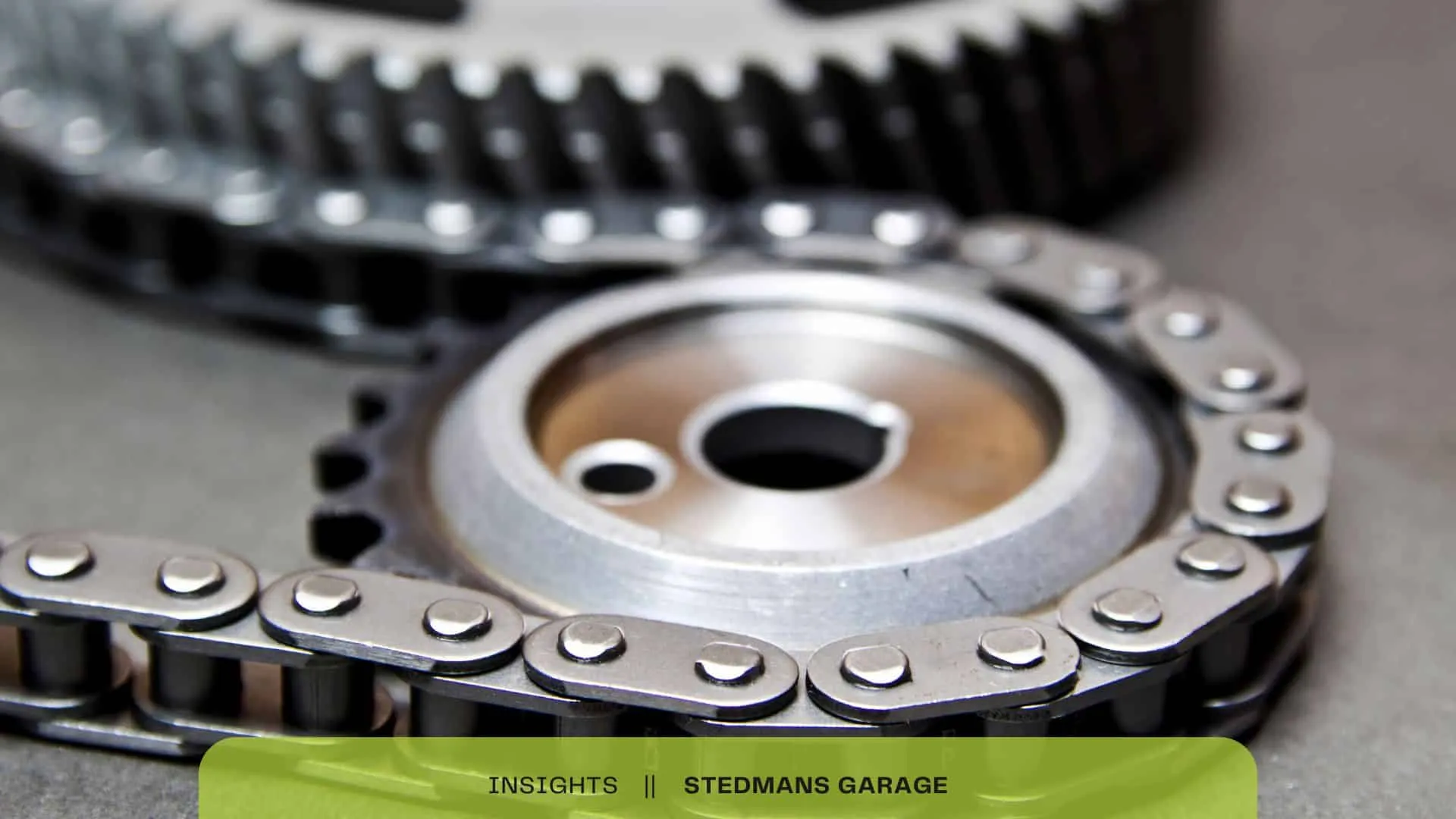
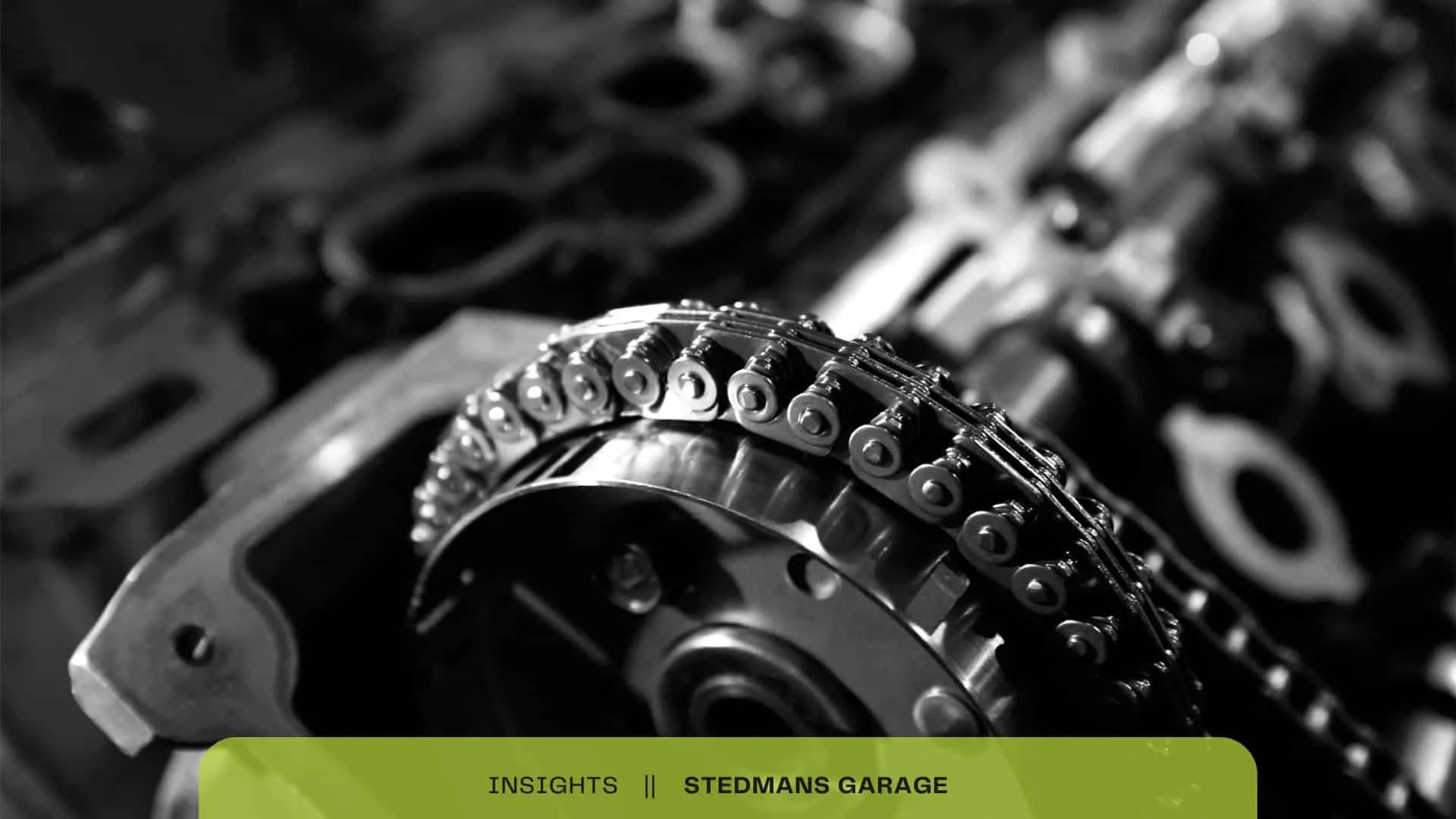
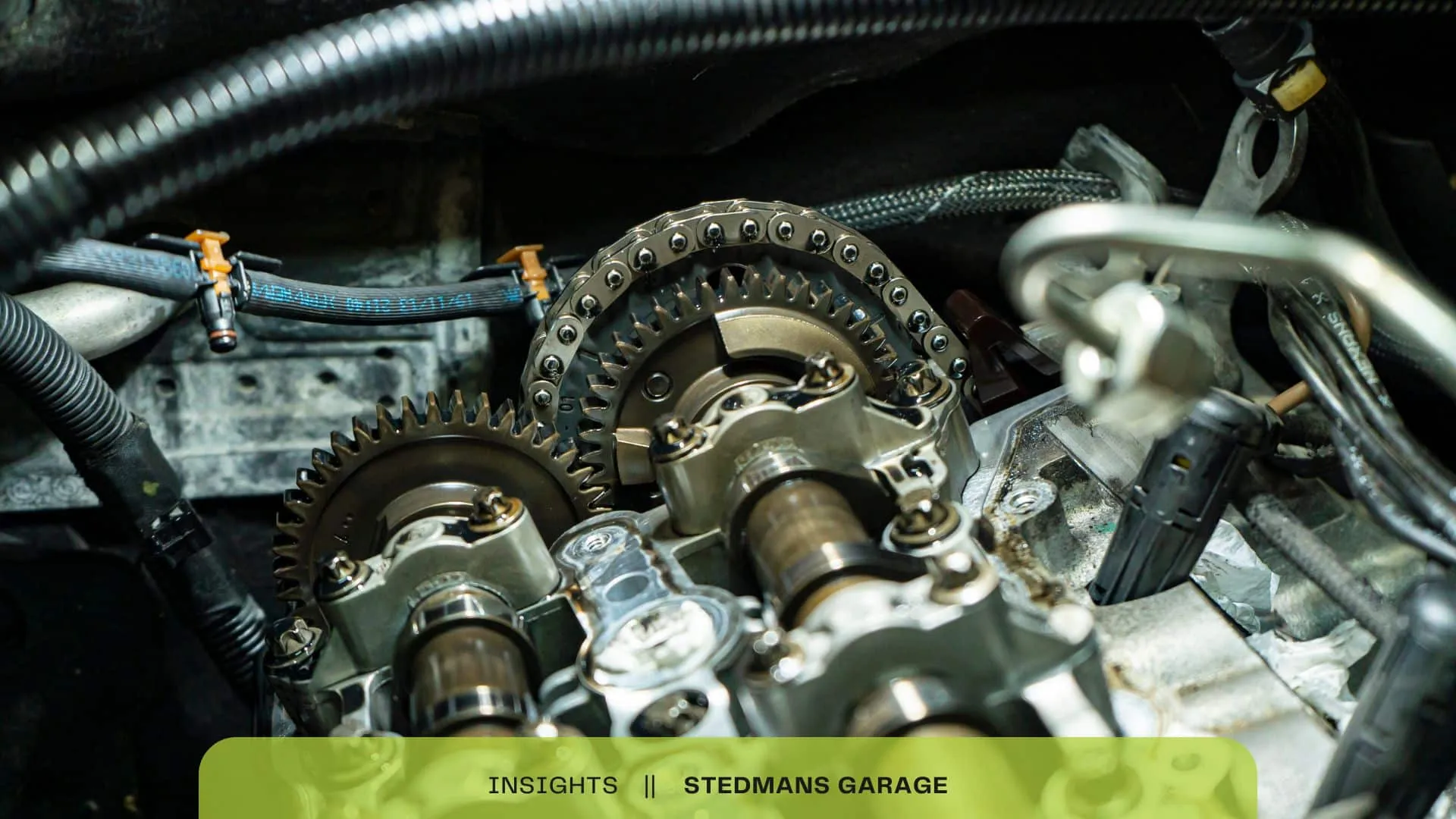
Timing chains are integral components of an engine's timing system, responsible for synchronising the rotation of the crankshaft and camshaft. This synchronisation ensures that the engine's valves open and close at the correct intervals during each cycle. Unlike timing belts, timing chains are generally more durable and robust, designed to withstand the rigours of engine operation for longer periods. However, they are not immune to wear and tear, particularly in high-performance vehicles like Land Rovers.
The Role of Timing Chain Tensioners
The timing chain tensioner is a device that maintains the correct tension on the timing chain, preventing it from becoming too loose or too tight. A properly functioning tensioner is crucial for optimal engine performance and reliability. In Land Rover vehicles, the tensioner automatically adjusts to provide the necessary pressure on the chain, compensating for stretch and wear over time. This adjustment is particularly important given the demanding driving conditions often faced by Land Rover owners, such as off-roading and towing.
Which Land Rover Engines Are Affected
The engine most associated with timing chain tensioner wear in the current range is the 2.0 Ingenium four-cylinder, and the problem has mainly affected the diesel. In Land Rover models it arrived in the Discovery Sport for the 2016 model year (diesel) and 2018 model year (petrol), and is fitted to the Discovery from 2017 and the Defender from 2020. A Discovery Sport badged Td4 or Sd4 from before the 2016 model year has the older 2.2 diesel, which is not an Ingenium.
Revised timing parts were introduced around 2019, with no published cut-off point, so an earlier engine is not automatically affected and a later one is not automatically immune. There has been no UK recall for the Ingenium timing chain. Our guide to the Land Rover Ingenium engine covers the engine's other known faults.
Common Causes of Timing Chain Tensioner Failures
Timing chain tensioner failures usually come down to a handful of causes, most of them linked to wear and to the oil the tensioner depends on. Understanding them helps Land Rover owners take preventive measures.
1. Wear and Tear
Like all mechanical parts, timing chain tensioners are subject to wear and tear over time. The constant pressure on the tensioner as it maintains chain tension can lead to degradation. Consequently, this wear can result in tensioner failure, leading to a loose or malfunctioning timing chain.
2. Lack of Maintenance
Regular engine maintenance is crucial for the longevity of any vehicle, especially complex machines like Land Rovers. Failing to change the engine oil or neglecting scheduled maintenance can lead to premature wear of the timing chain and tensioner. Oil serves as a lubricant for these components, and without proper lubrication, they can overheat and fail.
3. Manufacturing Defects
Some engines have needed revised parts. On the 2.0 Ingenium, Jaguar Land Rover introduced revised timing components around 2019, with no published cut-off point and no UK recall, which is why earlier engines are the ones most often found with a worn chain and tensioner.
4. Oil Condition and Fuel Dilution
The hydraulic tensioner on the Ingenium works on engine oil pressure, so the condition of the oil matters directly. On the diesel, short journeys can interrupt the diesel particulate filter's regenerations, and repeated attempts can thin the oil with fuel. Specialists commonly advise keeping an eye on the oil level for a reading that rises rather than falls, which is a sign of dilution, and having the oil changed if it does.
5. The Wrong Oil Specification
Ingenium engines are specified for low-viscosity oils to Jaguar Land Rover's own standards: STJLR.03.5007 0W-30 for the diesel and STJLR.03.5006 0W-20 for the petrol. An oil that does not meet the specification for the engine can change how the tensioner and the variable valve timing behave, so check what has gone in, particularly if the car has been topped up away from its usual garage.
Symptoms of Timing Chain Tensioner Issues
Identifying the symptoms of timing chain tensioner issues early can save Land Rover owners from costly repairs and engine failure. Here are some common warning signs to watch for:
1. Unusual Noises
One of the most common symptoms of a failing timing chain tensioner is an unusual rattling or ticking noise coming from the engine. This noise occurs when the chain becomes loose due to inadequate tension, allowing it to slap against its guides. On the Ingenium the chain sits at the rear of the engine, so the noise comes from the gearbox end, and it is usually loudest for the first few seconds after a cold start, before oil pressure builds.
2. Engine Performance Issues
A failing tensioner can lead to poor engine performance, including reduced power, misfiring, or stalling. These issues arise because the timing chain may not maintain proper synchronisation between the camshaft and crankshaft, leading to inefficient engine operation. If your Land Rover is not performing as it should, consider checking the timing chain tensioner.
3. Dashboard Warning Lights
Many modern Land Rover models are equipped with diagnostic systems that can alert drivers to engine issues. If the check engine light illuminates, it may indicate timing chain tensioner problems. It’s advisable to have the vehicle scanned for error codes to identify the specific issue.
4. Oil Leaks
In some cases, a failing timing chain tensioner may lead to oil leaks. This can occur if the tensioner becomes damaged or if its seal deteriorates. Oil leaks can not only affect engine performance but also pose a fire hazard, making it crucial to address them immediately.
Consequences of Ignoring Tensioner Failures
Failing to address timing chain tensioner issues can have serious consequences for your Land Rover, including:
1. Engine Failure
The most severe consequence of ignoring tensioner failures is complete engine failure. If the timing chain jumps or breaks due to a faulty tensioner, it can cause catastrophic damage to the engine components, leading to costly repairs or even the need for a complete engine replacement.
2. Costly Repairs
The size of the repair depends heavily on when the fault is caught. A worn chain, tensioner and guides replaced while the engine is only rattling is a timing drive job. Once the chain has jumped a tooth, the valves and pistons can make contact, and the repair can extend to the cylinder head or the engine itself. Acting on the first cold-start rattle or correlation fault keeps it to the smaller of the two.
3. Diminished Resale Value
A Land Rover with a history of timing chain tensioner issues may have a diminished resale value. Potential buyers will likely be wary of a vehicle that has experienced major engine problems, making it more challenging to sell.
Repair and Replacement Options for Timing Chain Tensioners
When a tensioner problem is confirmed, the repair has two parts: the timing parts themselves, and whatever wore them out.
1. Chain, Guides and Tensioner Together
The tensioner, the guides and the chain wear together, so the repair is normally carried out as a set rather than the tensioner alone. Fitting a new tensioner to a stretched chain leaves the underlying wear in place. On the Ingenium, the rear-mounted timing drive makes this a substantial job, which is why an accurate diagnosis before any parts are ordered matters.
2. Putting Right the Cause
A new chain set will wear the same way if the conditions that wore out the first one are still there. The oil and filter are renewed to the correct STJLR specification, and it is worth looking at how the car is used: a diesel that mostly does short journeys and keeps interrupting its particulate filter regenerations is the one most at risk of fuel in the oil.
What Affects the Cost of a Land Rover Timing Chain Tensioner Repair
There is no fixed price for this job. The figure depends on the engine and on what the diagnosis finds, and these are the things that move it:
- Where the timing drive sits: On the 2.0 Ingenium the chain is at the rear of the engine, at the gearbox end, so reaching it involves far more dismantling than an engine with its chain at the front.
- How much is replaced: The chain, tensioner and guides are normally replaced as a set rather than the tensioner alone. That is more parts at the time, but it avoids paying for the same dismantling twice when a stretched chain outlasts a new tensioner.
- Whether the chain has jumped: Caught while it is rattling, it is a timing drive repair. If the chain has skipped a tooth and the valves have touched the pistons, cylinder head or engine work comes into it.
- Diagnosis before parts: A correlation fault can come from a camshaft or crankshaft sensor, or from the oil supply, rather than the chain. Reading the timing data first can show the repair is a much smaller one.
- Parts, seals and oil: Genuine Land Rover parts and quality aftermarket kits differ, and the seals, gaskets, oil and filter renewed while the engine is apart are part of the job.
Once the fault has been diagnosed, we can quote for the work your Land Rover actually needs rather than a general range.
Actionable Tips for Preventing Timing Chain Tensioner Failures
To avoid the hassle and cost of timing chain tensioner failures, Land Rover owners should take proactive steps. Here are some practical tips to help maintain your vehicle:
1. Regular Maintenance Checks
- Schedule Regular Services: Follow the manufacturer's service schedule for oil changes and inspections. Consistent maintenance can catch potential issues before they escalate.
- Check Oil Levels: Regularly monitor your engine oil levels and quality. Use high-quality oil recommended by Land Rover to ensure optimal lubrication.
2. Listen for Unusual Noises
- Pay Attention to Sounds: If you hear any rattling or ticking noises from the engine, have it checked immediately. Early diagnosis can prevent more severe damage.
3. Monitor Engine Performance
- Be Alert to Changes: Notice any changes in engine performance, such as reduced power or stalling. If issues arise, consult a mechanic promptly to avoid further complications.
4. Have the Timing Data Checked
- Ask for a Proper Diagnosis: If a correlation fault code or a cold-start rattle appears, have the camshaft and crankshaft timing data read rather than replacing parts on the strength of the noise alone. It separates a worn chain from a sensor or oil supply fault.
5. Stay Informed
- Follow Manufacturer Updates: Keep abreast of any recalls or updates related to your vehicle model. This information can be crucial in addressing potential issues early on.
Conclusion
Understanding the mechanics behind Land Rover timing chain tensioner failures is vital for any owner or enthusiast. By being aware of the causes, symptoms, and repair options, drivers can take proactive steps to maintain their vehicles and prevent costly repairs. Regular maintenance, prompt attention to warning signs, and informed decision-making can significantly enhance vehicle reliability and performance.
Stay informed and keep your Land Rover running smoothly by scheduling regular maintenance checks today! Investing in your vehicle's health now can save you significant time and money in the future.
Land Rover Timing Chain Tensioner FAQs
Which Land Rover engines have timing chain tensioner problems?
In the current range it is mainly the 2.0 Ingenium diesel, fitted to the Discovery Sport from the 2016 model year, the Discovery from 2017 and the Defender from 2020. A Discovery Sport badged Td4 or Sd4 from before the 2016 model year has the older 2.2 diesel, which is not an Ingenium.
What does a failing timing chain tensioner sound like on a Land Rover?
Usually a rattle or ticking that is loudest for the first few seconds after a cold start and fades as oil pressure builds. On the Ingenium the chain is at the rear of the engine, so the noise comes from the gearbox end rather than the front.
Has Land Rover issued a recall for the Ingenium timing chain?
No. There has been no UK recall for the Ingenium timing chain. Revised parts were introduced around 2019 with no published cut-off point, so a worn chain on an earlier engine is diagnosed and repaired on its own merits.
Can you see or adjust the timing chain on an Ingenium engine?
No. The chain runs at the rear of the engine on a hydraulic tensioner, and it is not visible or adjustable without major dismantling. Wear is diagnosed from the camshaft and crankshaft correlation data recorded by the engine management.
Is it safe to drive a Land Rover with a rattling timing chain?
It is not worth the risk. If a worn chain jumps a tooth, the valves and pistons can make contact and the repair becomes an engine rebuild. If the noise is new or getting worse, keep the mileage to a minimum and have it diagnosed.
How much does it cost to fix a Land Rover timing chain tensioner?
There is no fixed price. On the 2.0 Ingenium the chain sits at the rear of the engine, so reaching it is a substantial job, and the chain, tensioner and guides are normally replaced together. Catching it before the chain jumps a tooth keeps it to a timing drive repair rather than cylinder head or engine work, and a diagnosis first rules out a smaller sensor or oil supply fault.
Can Stedmans Garage diagnose a Land Rover timing chain tensioner problem?
Yes. We work on Land Rovers at our Worthing garage and can read the fault codes and live camshaft and crankshaft timing data to establish whether the chain, the tensioner, a sensor or the oil supply is at fault before any parts are ordered.