
Introduction to VW Group's Performance Siblings
Overview of SEAT Leon Cupra and Skoda Octavia vRS as Performance Variants
Within the Volkswagen Group's vast portfolio, the SEAT Leon Cupra and the Skoda Octavia vRS stand out as prominent performance-oriented variants. Both models cater to enthusiasts seeking a blend of practicality and spirited driving characteristics. The SEAT Leon Cupra, particularly in its Cupra guise, is marketed as a sporty and dynamic vehicle, while the Skoda Octavia vRS is recognised for balancing everyday usability with a touch of sporting flair.
Both Cars' Position within the Volkswagen Group Family
The SEAT Leon Cupra and Skoda Octavia vRS hold unique positions within the Volkswagen Group's diverse range of products. SEAT, the Spanish brand, is geared towards younger, dynamic customers with a penchant for spirited driving. On the other hand, Skoda, a Czech brand, is reputed for its emphasis on practicality and value, all while subtly integrating high-performance elements within its models.
The Shared Philosophy Behind These Performance Models
Despite their brands' differing personalities, both the SEAT Leon Cupra and the Skoda Octavia vRS share a common engineering ethos. This shared philosophy is driven by the Volkswagen Group's advanced technology and modular design principles. Utilising the same platforms, engines, and transmission systems, both cars represent VW Group's ingenuity in maximising component synergies while allowing each brand to infuse its unique flavour. This approach not only ensures high levels of performance but also optimises cost-effectiveness and maintains reliability across the models.
The performance siblings embody a blend of carefully balanced attributes (sportiness, practicality, and efficiency), catering to a variety of customer preferences. While the Leon Cupra leans towards a more aggressive and dynamic driving experience, the Octavia vRS prioritises comfort and versatility without compromising on the thrill of driving. This diversity in execution showcases the Volkswagen Group's mastery in offering different interpretations of shared automotive DNA.
Common Engine Architecture
The 2.0-litre TSI Engine Platform
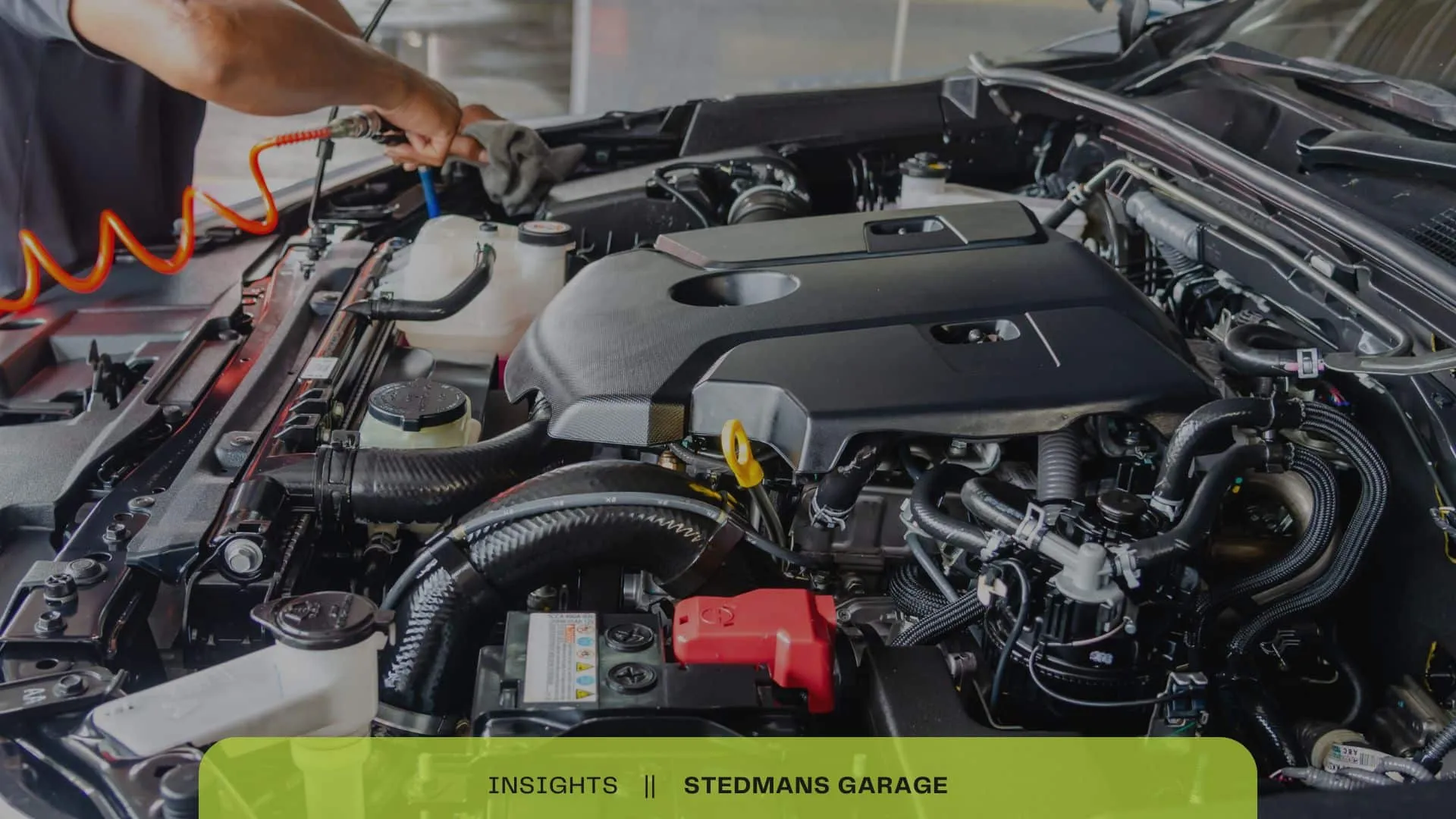
At the heart of both the SEAT Leon Cupra and the Skoda Octavia vRS lies the Volkswagen Group’s ubiquitous 2.0-litre TSI engine. This turbocharged powerhouse epitomises the engineering rigor and flexibility the VW Group is known for, delivering performance and efficiency in equal measure. The platform is the foundation for a unified approach to performance across brands.
Power Output Comparisons
Despite sharing the same engine architecture, the power outputs for the SEAT Leon Cupra and the Skoda Octavia vRS differ, showcasing calibrated approaches for distinct driving experiences. The Leon Cupra comes in variants offering between 290PS and 310PS. In comparison, the Octavia vRS provides slightly less aggressive outputs, spanning from 245PS to 265PS. This variance in power highlights the differing brand philosophies: SEAT’s sporting pedigree and Skoda’s balance between performance and comfort.
Transmission Options: DSG Technology
A significant shared feature is the transmission technology. Both models employ Volkswagen Group’s Direct Shift Gearbox (DSG), available in 6-speed and 7-speed versions. The DSG system offers seamless gear changes and optimises performance while maintaining fuel efficiency. This cutting-edge technology supports both full-automatic and semi-manual driving, catering to varied driver preferences and enhancing the driving experience[2].
The DSG technology is a trademark of the Volkswagen ecosystem, ensuring smooth power delivery and quick gear changes. This versatility extends to providing options for those who prefer more direct control over gear selection or those who enjoy the convenience of an automatic gearbox[3].
The shared engine platform and transmission choices lay the groundwork for the distinct personalities each car embodies, maintaining mechanical coherence while allowing room for individual brand expression.
Chassis and Suspension Differences
Distinct Suspension Tuning
Regarding the suspension setups adopted by the SEAT Leon Cupra and Skoda Octavia vRS, each model takes a different approach to balance comfort and performance. As part of the Volkswagen Group, both cars share various engineering elements, but they diverge significantly when it comes to suspension tuning.
Skoda's Focus on Comfort
Skoda has designed the Octavia vRS with a particular emphasis on ride comfort. The suspension system, consisting of MacPherson front suspension and multi-link rear suspension, is tuned to provide a more compliant ride. This setup enables the Octavia vRS to handle rough tarmac and suit varied road conditions, offering a softer edge to its ride quality. The comfort-oriented suspension combined with 17-inch wheels and taller tyres gives the Octavia vRS a supple, composed ride that is ideal for long-distance cruising.
One advantage of Skoda's strategy is that the Octavia vRS can navigate urban environments and uneven surfaces with less cabin disturbance, making it a versatile everyday performer. While it does offer a stiffer setup than the standard Octavia, the inclusion of optional Dynamic Chassis Control (DCC) allows drivers to fine-tune suspension settings for either comfort or more spirited driving, providing adaptability based on preference and road conditions.
SEAT's Sporty Suspension Setup
Conversely, SEAT's approach with the Leon Cupra pivots towards delivering heightened agility and sharp handling. The sportier suspension setup, firm and lower compared to the Octavia vRS, is paired with larger 18-inch or 19-inch wheels, contributing to a more aggressive stance and enhanced driving dynamics.
This configuration translates into better cornering capabilities and a more engaging driving experience, making the Leon Cupra an appealing option for drivers seeking excitement and precision. The sport-tuned suspension, designed to minimise body roll and provide rapid response to steering inputs, creates a more connected feel with the road, a characteristic revered by driving enthusiasts.
Performance and Drivetrain

Acceleration Figures and Performance Metrics Comparison
When comparing the SEAT Leon Cupra and Skoda Octavia vRS, it is crucial to consider their performance metrics. The SEAT Leon Cupra boasts impressive acceleration, achieving 0-62 mph in approximately 4.9 seconds for the higher-output VZ3 variant, which produces 310 PS. In contrast, the Skoda Octavia vRS achieves the same in around 6.7 seconds with its 245 PS engine.
Top speed also reflects the performance focus of these models, with both capable of reaching approximately 155 mph. While the SEAT Leon Cupra aims to provide a thrilling ride and swift acceleration, the Skoda Octavia vRS offers strong performance but is somewhat more balanced in its approach.
Available Drivetrain Options
Both models offer multiple drivetrain options, enhancing their appeal to different driving preferences. The SEAT Leon Cupra is available in both front-wheel-drive (FWD) and all-wheel-drive (AWD) configurations. The AWD variants come paired exclusively with the Direct Shift Gearbox (DSG), while the FWD models can be equipped with either a manual or a DSG automatic gearbox. This flexibility allows the Leon Cupra to cater to sports-focused drivers as well as those seeking practicality.
Similarly, the Skoda Octavia vRS is primarily offered as a FWD model equipped with a seven-speed DSG transmission, which provides smooth and responsive gear changes. This configuration is robust enough to handle the performance-oriented demands while balancing efficiency and everyday usability.
Torque Management and Power Delivery Characteristics
Effective torque management and power delivery are essential for performance vehicles. The SEAT Leon Cupra's higher output variants (310 PS) benefit from a well-engineered AWD system that enhances traction during aggressive acceleration and cornering. With 295 lb-ft of torque available from 2,000 to 5,450 rpm, the Cupra delivers robust and consistent power delivery across the rev range.
On the other hand, the Skoda Octavia vRS features a more civilised power delivery, with torque peaking at 273 lb-ft from 1,600 to 4,300 rpm. This broad torque band ensures that the Octavia is responsive at various speeds, maintaining a good balance between performance and drivability. Additionally, the Octavia comes with an electronic limited-slip differential (E-diff), enhancing cornering stability and grip, making it an enjoyable drive on winding roads.
The distinct drivetrains in both models reflect their brand philosophies, creating an alluring choice for those seeking spirited driving or a practical performance vehicle. While each model leverages Volkswagen Group's technological advancements, they remain true to their brand identities.
The unique interpretations of these shared technologies reveal much about the brand ethos and the driving experiences they aim to deliver. This blend of performance and practicality speaks volumes about their market positioning and appeal.
Brand Positioning and Market Appeal
SEAT/Cupra's Sporty Dynamism
The SEAT Leon Cupra, and now the Cupra Leon under SEAT's performance-oriented Cupra sub-brand, is positioned as the sportier and more dynamic choice within the Volkswagen Group's performance lineup. This model appeals to enthusiasts who value agile handling, thrilling acceleration, and an engaging driving experience.
The Leon Cupra’s design and engineering underscore its commitment to performance. It features a sporty suspension setup that prioritises superior cornering abilities and a more direct, responsive steering feel. Performance figures highlight this focus, with the top-tier models boasting power outputs up to 310 PS and acceleration from 0-62 mph in around 4.9 seconds. The availability of both FWD and sophisticated AWD systems further enhances its dynamic appeal, ensuring optimal traction and stability.
Skoda's Practical Performance
Conversely, the Skoda Octavia vRS is tailored to those who seek a balance between everyday usability and sporty performance. Skoda's focus on practicality is evident in the vRS’s design, which offers a more subdued yet still engaging driving experience. The Octavia vRS is not just about raw performance, though its 245 PS engine and 0-62 mph time of roughly 6.7 seconds are respectable. It also emphasises comfort and reliability, making it an excellent choice for families and professionals who desire a versatile vehicle.
This practical approach is reflected in the vRS’s suspension, which is tuned for a supple and comfortable ride over long distances while retaining enough firmness for spirited driving when desired. Additionally, the Octavia vRS features a well-engineered seven-speed DSG transmission, known for its smooth and efficient gear shifts, appealing to those who often drive in varied conditions.
Target Audience Differentiation
The target audiences for the SEAT Leon Cupra and Skoda Octavia vRS are distinct yet overlap in the realm of performance enthusiasts. The Leon Cupra attracts younger drivers and those looking for a weekend track car with the convenience of daily usability. It's for buyers who relish a sportier aesthetic and need a car that excites on mountain roads and racetracks.
On the other hand, the Octavia vRS targets customers who require a more well-rounded vehicle. Ideal for those who view their car as an all-purpose tool, it blends performance with practicality, making it suitable for daily commuting, family road trips, and occasional spirited drives. This customer base values reliability, efficiency, and a touch of sporty zest without compromising on comfort and utility.
Understanding these distinct brand identities and market appeals offers insight into how Volkswagen Group leverages shared technology to cater to diverse preferences, each brand carving out its unique niche within the broader performance car segment. This strategic differentiation enriches the Volkswagen Group's overall market presence, demonstrating that a common engineering foundation can lead to varied and successful interpretations.
Conclusion: Different Interpretations of Shared DNA
The SEAT Leon Cupra and Skoda Octavia vRS highlight the Volkswagen Group's ability to tailor shared technology to suit different market segments effectively. Both cars are built on the same foundations, yet they manifest distinct personalities that appeal to different types of drivers.
Leveraging Common Technology
The underpinnings of both the Leon Cupra and the Octavia vRS are steeped in the engineering prowess of the Volkswagen Group. They share the robust and reliable 2.0-litre TSI engine, capable of delivering impressive performance figures. Despite this shared DNA, each car is tuned to reflect its brand's ethos.
- SEAT/Cupra leans heavily into its sporty image. The Leon Cupra, with its agile handling and dynamic responsiveness, targets driving enthusiasts. Offering power outputs from 290 PS to 310 PS, it is the choice for those seeking thrilling acceleration and precise cornering capabilities.
- Skoda, on the other hand, prioritises a balanced approach, merging performance with practicality. The Octavia vRS, with power ranges from 245 PS to 265 PS, appeals to those who value everyday usability alongside spirited driving.
Unique Brand Characteristics
While the cars share mechanical similarities, they are imbued with their unique brand characteristics.
- SEAT Leon Cupra
- Skoda Octavia vRS
This differentiation allows both brands to maintain their distinct identities while appealing to specific market segments.
Value Proposition in the Performance Car Segment
Both the Leon Cupra and the Octavia vRS provide exceptional value in the performance car segment. They offer drivers a taste of high performance without the astronomical costs typically associated with such capabilities.
- For enthusiasts, the SEAT Leon Cupra represents an exhilarating option that doesn't compromise on everyday usability.
- For pragmatic buyers, the Skoda Octavia vRS stands out as a versatile and balanced choice, delivering a blend of performance and practicality that few rivals can match.
Volkswagen Group's strategic allocation of engineering resources ensures that despite their differences, both cars exemplify reliability and top-tier performance, making them compelling choices in their respective niches.
Related reading: Cupra Formentor DSG gearbox