
Introduction
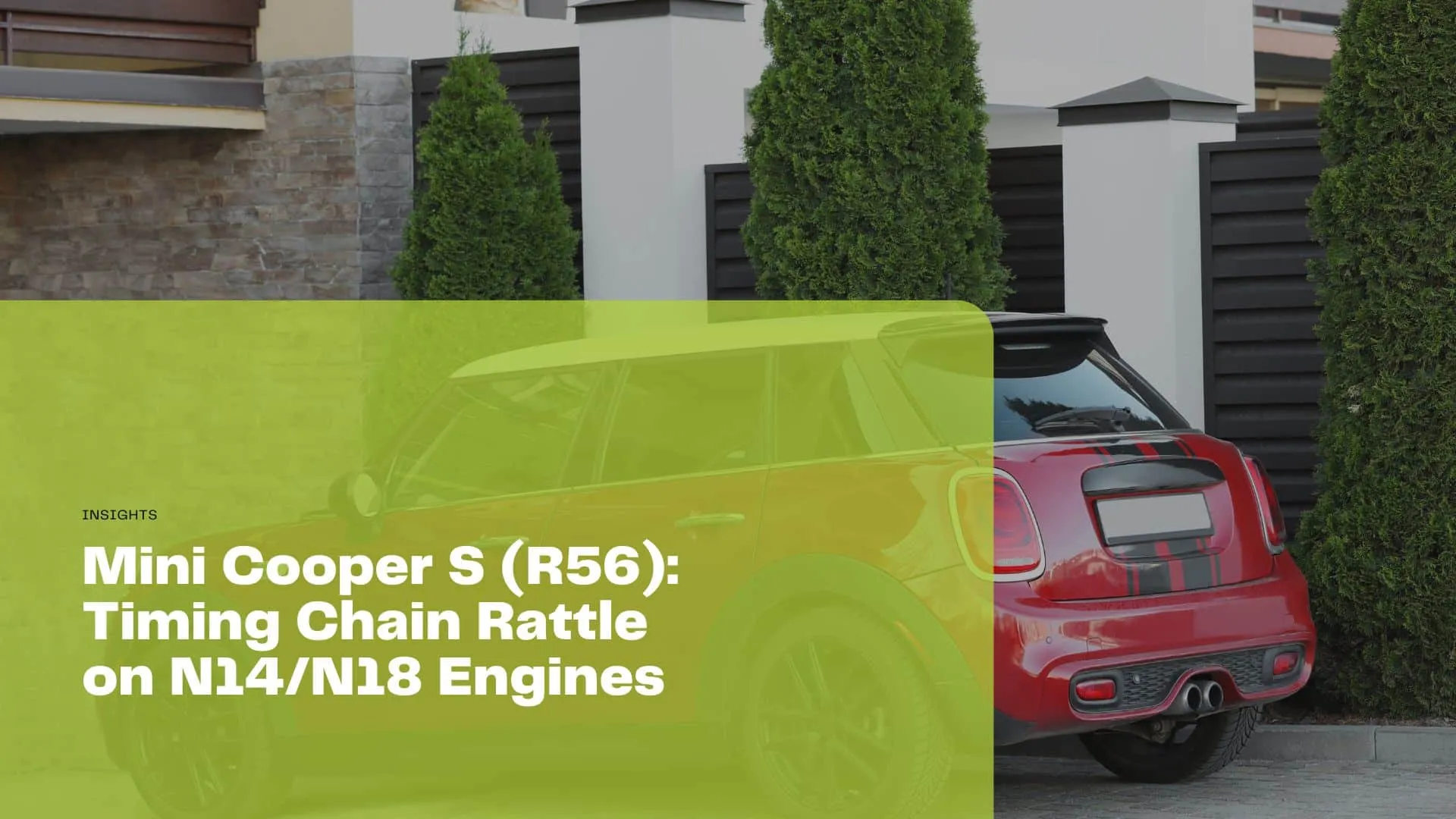
The Mini Cooper S (R56) is not just a car; it is an emblem of performance and style, captivating automotive enthusiasts worldwide. With its compact design and spirited driving dynamics, this model stands out for both its aesthetic appeal and engineering excellence. At the heart of the Mini Cooper S R56 lie the N14 and N18 engines, celebrated for their responsive performance. However, like many high-performance engines, these are not without their issues. One particularly common concern among Mini owners is the timing chain rattle, a symptom that can lead to significant engine problems if left unaddressed.
This blog aims to provide Mini Cooper owners, automotive enthusiasts, and anyone interested in engine maintenance and performance with a comprehensive understanding of the timing chain rattle associated with the N14/N18 engines. We will explore the mechanics of these engines, the causes and symptoms of timing chain rattle, and the preventative measures that can be taken to safeguard against this issue.
Understanding the N14 and N18 Engines
Specifications and Design Features
The N14 and N18 engines are turbocharged inline-four engines that power various models within the Mini Cooper range, specifically the R56 version. Introduced in 2006, the N14 engine was designed to provide a thrilling driving experience while maintaining efficiency. It boasts a displacement of 1.6 litres, producing typical output ranges of approximately 165 to 175 bhp. The N18 engine, a later iteration of the N14, features refinements that enhance performance and efficiency while reducing emissions. It shares a similar displacement but benefits from improved turbocharging technology and engine management systems, yielding typical output ranges of approximately 175 to 184 bhp.
Both engines incorporate advanced technologies, such as direct fuel injection and variable valve timing, contributing to their responsiveness and fuel efficiency. The compact design allows for lightweight construction, which is crucial for the agility and handling characteristics that Mini Cooper enthusiasts cherish.
Performance Characteristics
The N14 and N18 engines deliver an exhilarating driving experience. The turbocharged setup allows for quick throttle response, making the Mini Cooper S R56 feel nimble on city streets and winding country roads. They are engineered to provide a broad power band, ensuring that drivers can access significant torque even at lower RPMs, which is particularly beneficial for everyday driving scenarios.
However, this performance comes with a caveat. The complexity of the engine's design means that while they deliver thrilling performance, they are also susceptible to specific issues, particularly related to the timing chain. Understanding these engines’ design and performance characteristics is essential for any owner looking to maintain their Mini Cooper S effectively.
The Timing Chain: Function and Importance
What is a Timing Chain?
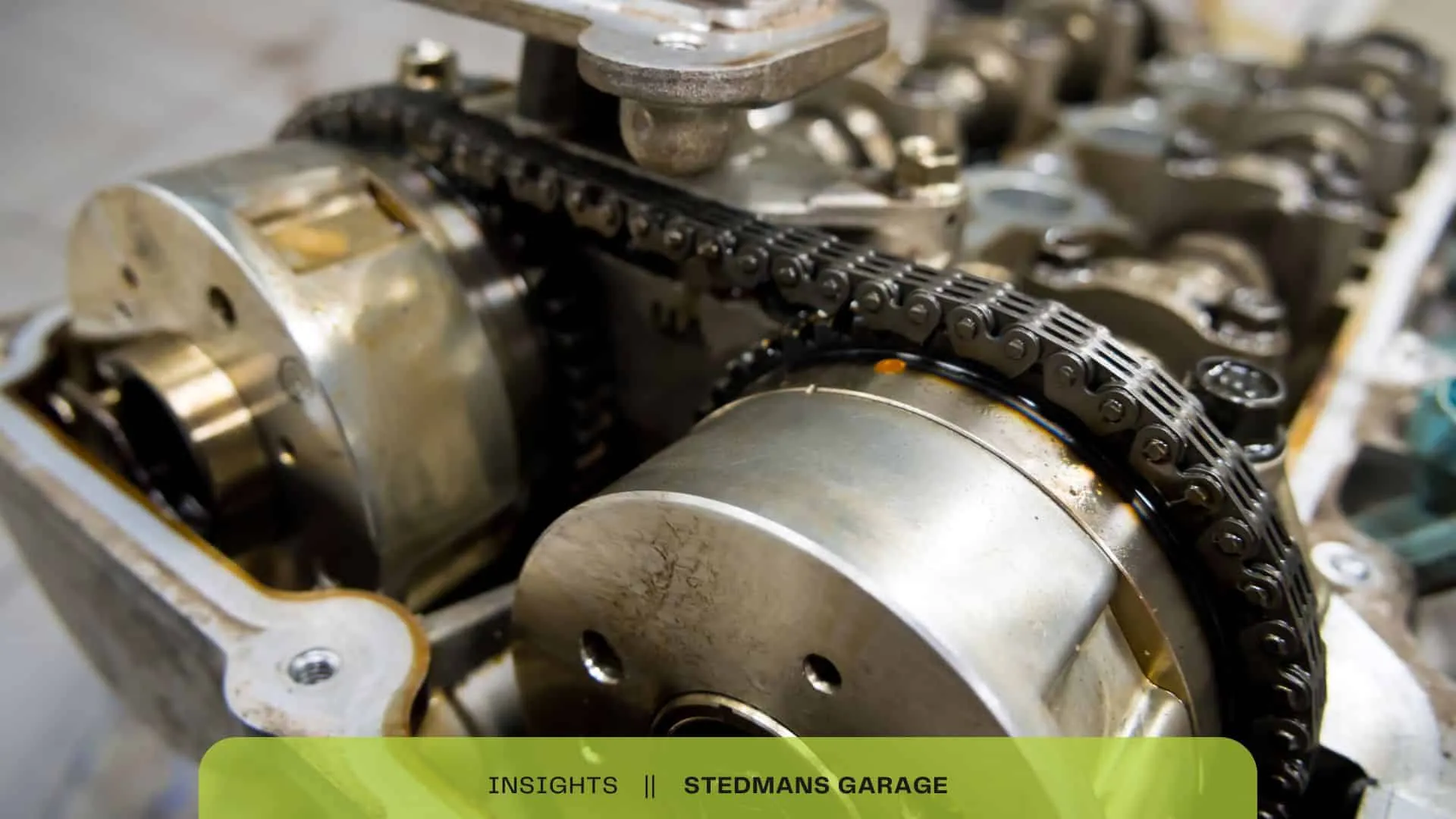
At its core, the timing chain is a crucial component of your engine that synchronises the rotation of the crankshaft and camshaft. This synchronisation is vital for ensuring that the engine’s valves open and close at appropriate times during each cylinder's intake and exhaust strokes. The timing chain's role is essential for maintaining engine performance and efficiency.
How Timing Chains Operate
Timing chains are typically made from high-strength steel, designed to withstand the rigours of engine operation. Unlike timing belts, which are made from rubber and require periodic replacement, timing chains are generally more durable and can last a long time; however, they may require replacement under certain circumstances, such as excessive wear, poor maintenance, or modifications made to the engine. Over time, they can stretch, leading to a phenomenon known as timing chain rattle.
Timing Chain vs. Timing Belt
One of the most significant differences between timing chains and timing belts is their maintenance requirements. While timing belts need to be replaced at regular intervals (usually every 60,000 to 100,000 miles), timing chains are generally considered low-maintenance. Nevertheless, this does not mean they are exempt from issues. For instance, if the chain begins to rattle, it can indicate that it is either stretched or that the tensioner is failing, which can lead to catastrophic engine failure if not addressed promptly.
Symptoms of Timing Chain Rattle
Auditory Signs
The most noticeable sign of timing chain issues in the Mini Cooper S R56 is an audible rattle or slapping noise, particularly during cold starts or acceleration. This noise can be alarming, as it often signifies that the timing chain is not maintaining proper tension. Drivers may initially notice a faint rattle that becomes more pronounced under engine load.
Performance Implications
Beyond the sound, timing chain rattle can lead to significant performance issues. As the timing chain loses tension, it can cause the engine's timing to be off, resulting in poor fuel efficiency, misfires, and a general decline in engine performance. If left unaddressed, this can escalate to more severe issues, including engine damage.
Variability in Symptoms
The intensity of the rattle can vary based on driving conditions and engine temperature. For instance, during colder weather, the noise may be more pronounced due to thicker engine oil, which can impede the chain's lubrication. Awareness of these symptoms is crucial for Mini owners to take timely action before the problem worsens.
Causes of Timing Chain Rattle
Design and Material Weaknesses
The N14 and N18 engines, while engineered for performance, do have inherent design weaknesses that can lead to timing chain rattle. For example, the timing chain tensioners in these engines are known to wear out over time, leading to insufficient tension on the chain. Different versions of tensioners and available upgrades can help mitigate these issues. Additionally, the timing chain guides and rails can break down and cause wear, while the sprockets can wear and cause the chain to slip, all contributing to the rattle.
Wear and Tear Over Time
Like any mechanical component, timing chains experience wear and tear. Regular use, particularly in demanding driving conditions, can accelerate this process. The constant movement and vibrations can lead to chain stretch, which is a primary cause of the rattle. It is essential for Mini Cooper owners to be aware of their driving habits, as aggressive driving can exacerbate these issues.
Inadequate Lubrication
Lubrication is vital for the longevity of the timing chain. If the engine oil is not changed regularly or if the oil becomes contaminated, it can lead to inadequate lubrication of the timing chain and its components. This lack of lubrication can cause increased friction and wear, resulting in the rattle. It is also important to ensure that the correct engine oil is used and to check the oil feed pipe, as it can become blocked and restrict proper lubrication.
Environmental Influences
External factors such as temperature extremes and driving conditions can also impact the timing chain's performance. For example, prolonged exposure to cold can lead to thicker oil, which may not circulate effectively, leading to increased wear on the timing chain. Similarly, driving in stop-and-go traffic or on rough terrain can place additional stress on the engine and its components.
Addressing Timing Chain Rattle
Diagnosis and Repair Options
Once timing chain rattle has been diagnosed, it is crucial to address the issue promptly to avoid severe engine damage. The first step is usually a thorough inspection by a qualified mechanic who understands the nuances of the Mini Cooper S R56. This inspection may include checking the timing chain tensioner, chain condition, and overall engine health, including the solenoids, which should also be checked for proper function.
Timing Chain Replacement
If the timing chain is found to be excessively worn or damaged, replacement is often necessary. This process involves removing various engine components to access the timing chain, which can be labour-intensive. It's vital to use genuine Mini parts for replacement to ensure compatibility and reliability.
Tensioner Adjustments
In some cases, the rattle may be alleviated by adjusting or replacing the timing chain tensioner. This component is responsible for maintaining the correct tension on the chain, and a faulty tensioner can lead to the rattle. Replacing this part may resolve the issue without the need for a full chain replacement.
Professional Repairs
It is advisable to have any repairs carried out by professionals who specialise in Mini vehicles. Their expertise ensures that the work is done correctly and that the engine's integrity is maintained. While using aftermarket parts may be tempting for cost savings, these can often lead to further issues down the line.
Preventative Measures for Timing Chain Issues
Importance of Regular Maintenance
Regular maintenance is the cornerstone of preventing timing chain issues in the Mini Cooper S. Adhering to the manufacturer’s recommended service schedule is crucial. This schedule often includes engine oil changes, which are vital for keeping the timing chain lubricated and functioning correctly.
Oil Changes and Engine Inspections
Regular oil changes using high-quality engine oil can significantly extend the life of the timing chain. Additionally, periodic inspections of the engine can help identify potential issues before they escalate. Mini Cooper owners should be proactive in monitoring their engine’s performance and addressing any unusual noises or behaviours immediately.
Engine Modifications
While many Mini enthusiasts enjoy modifying their vehicles for enhanced performance, it is essential to consider how these changes can impact the engine's timing chain. Modifications that increase the engine's power output can place additional stress on the timing chain, potentially leading to premature wear. Owners should consult with experts before making significant modifications to ensure compatibility and reliability.
The Role of Community and Resources
Engaging with the Mini Cooper Community
One of the most significant advantages of owning a Mini Cooper is the robust community of enthusiasts. Online forums, social media groups, and local clubs provide a wealth of knowledge and support for owners experiencing timing chain issues. Engaging with these communities can offer insights into effective solutions and preventative measures based on the experiences of fellow Mini owners.
Accessing Technical Resources
Mini Cooper owners can access a variety of technical resources, including service manuals and repair guides, which can provide valuable information on maintaining their vehicles. Many enthusiasts also share DIY repair videos and articles that can help owners understand more about their engines and how to care for them.
Finding Trusted Mechanics
Connecting with trusted mechanics who specialise in Mini vehicles is crucial for maintaining the health of the N14 and N18 engines. Recommendations from community members can lead to finding professionals who have a deep understanding of Mini engineering and can provide the necessary repairs and maintenance.

Conclusion
Understanding the timing chain rattle associated with the Mini Cooper S (R56) and its engines is essential for every owner. The N14 and N18 engines are remarkable pieces of engineering, but they require vigilance and care to ensure optimal performance. By recognising the symptoms of timing chain rattle, understanding its causes, and taking preventative measures, Mini Cooper owners can enjoy the spirited driving experience that their vehicles offer without the worry of potential engine issues.
Engaging with the Mini Cooper community can provide invaluable support and resources, further enhancing the ownership experience. Remember, proper maintenance is the key to ensuring the longevity and reliability of your Mini Cooper S. Stay informed, stay proactive, and enjoy every drive in your beloved Mini.