

Most DSG trouble on a Skoda comes down to which of the two gearbox families the car has. Many lower-powered petrol models, such as the Fabia, Scala, Kamiq and smaller-engined Octavia, use the seven-speed dry-clutch gearbox, which is most sensitive to slow stop-start driving and is the one most associated with judder when pulling away. Higher-torque engines, including the 2.0 TDI and the vRS, use wet-clutch gearboxes whose clutches run in oil and which need their oil and filter changed. Knowing which one your Skoda has tells you what a symptom is likely to mean and what maintenance it needs.
Introduction
Understanding the common issues with Skoda's DSG (Direct-Shift Gearbox) is crucial for any owner wishing to maintain optimal vehicle performance. This blog discusses prevalent Skoda DSG gearbox issues, their causes, and effective maintenance tips to ensure the longevity of your Skoda.
DSG gearboxes are a hallmark of modern Skoda vehicles, offering appealing efficiency and performance that draws in a wide variety of drivers. They provide a seamless experience that combines the best aspects of automatic and manual transmissions. However, like any sophisticated mechanical system, they can encounter problems, leading to a variety of symptoms that Skoda owners should recognise.
In this comprehensive guide, we will explore the workings of a DSG gearbox, identify common issues associated with it, provide troubleshooting methods, and offer maintenance tips to help you keep your DSG gearbox in prime condition. This information will empower Skoda owners and engage automotive enthusiasts eager to deepen their understanding of this crucial vehicle component.
Understanding the DSG Gearbox: How It Works
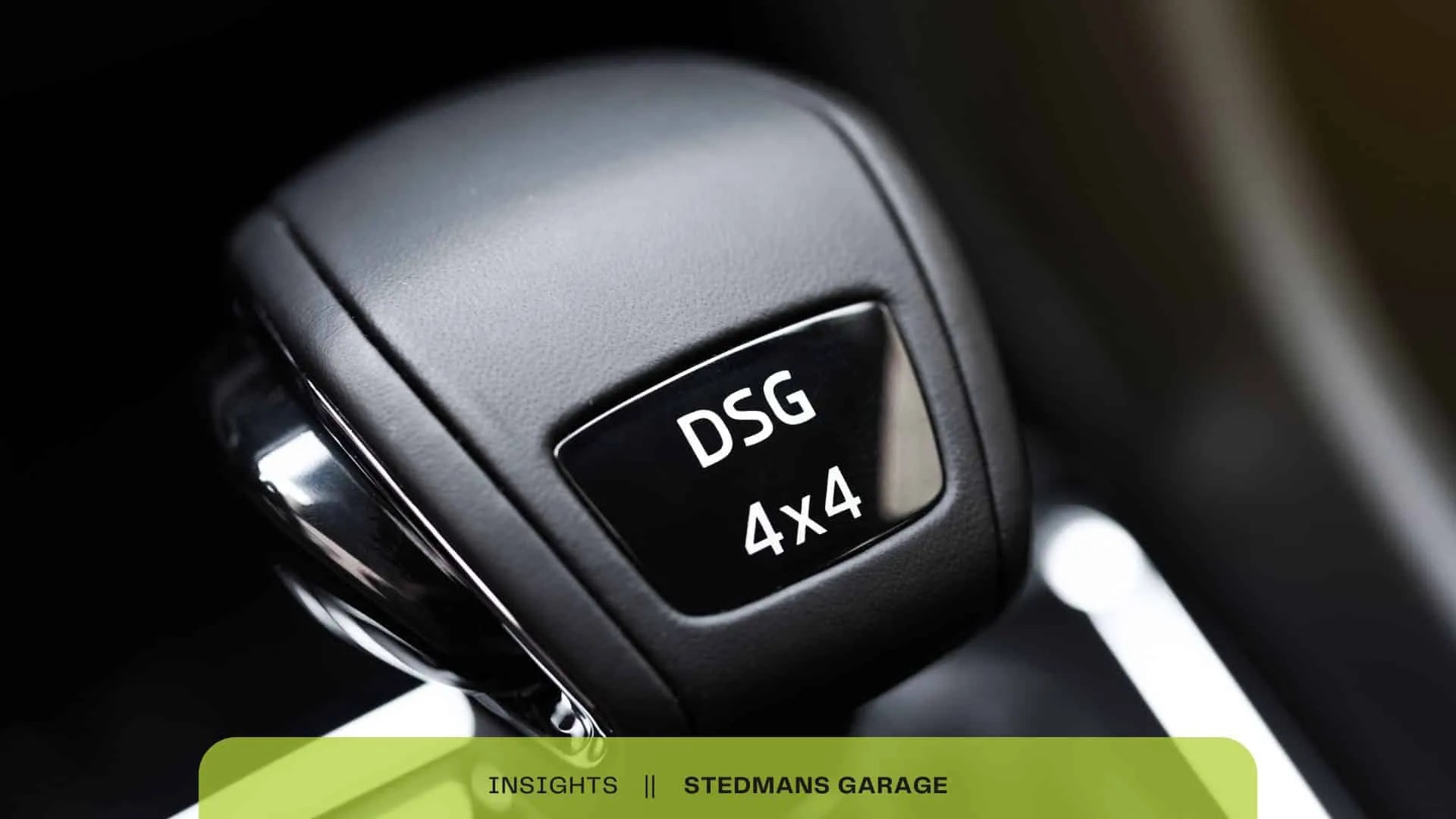
DSG, or Direct-Shift Gearbox, blends the operational capabilities of both automatic and manual gearboxes. Unlike conventional automatic transmissions that utilise fluid couplings and torque converters, a DSG uses two clutches for quick gear shifts, resulting in enhanced acceleration and performance.
The Mechanism Behind DSG Gearboxes
A typical DSG gearbox operates with two separate clutches: one controls odd-numbered gears while the other manages even-numbered gears. This means when one gear is engaged, the next is pre-selected, allowing for incredibly fast shifts, often within milliseconds. This is why DSG gearboxes are particularly popular in performance-oriented vehicles, including various Skoda models.
Dry-Clutch and Wet-Clutch DSG in Skodas
Skoda uses two kinds of DSG. The seven-speed dry-clutch gearbox is fitted behind lower-torque engines, such as many 1.0 and 1.5 TSI petrol models. Its clutches run dry, like a manual, which makes it efficient but means they heat up and wear fastest when the car creeps in traffic or holds itself on a slope.
The wet-clutch gearboxes, a six-speed on older cars and seven-speed units on newer ones, go behind higher-torque engines such as the 2.0 TDI and the vRS. Their clutch packs run in oil, which copes better with heat and load but makes the oil and filter service essential. The two families behave differently when they go wrong and need different maintenance, so the first question on any Skoda DSG fault is which one is fitted.
Advantages of DSG Gearboxes
- Seamless Gear Changes: Shifts occur without interrupting power delivery, enhancing the driving experience.
- Fuel Efficiency: DSG gearboxes can offer better fuel economy compared to traditional automatics due to reduced shifting times.
- Driver Control: They can be driven in fully automatic mode or switched to manual mode for a more engaging driving experience.
Terminology Related to DSG Gearboxes
Understanding some key terms helps Skoda owners navigate discussions about DSG issues effectively:
- Dual-Clutch Technology: This refers to the use of two clutches operating independently.
- Shift Quality: This relates to the smoothness of the gearbox's gear changes.
- Mechatronic Unit: The combined hydraulic and electronic control unit that operates the clutches and selects the gears. Many DSG faults are traced to it rather than to the clutches themselves.
Awareness of these elements will help Skoda owners appreciate the intricacies of their vehicles while being better prepared for potential DSG gearbox issues.
Common DSG Gearbox Problems in Skoda Models
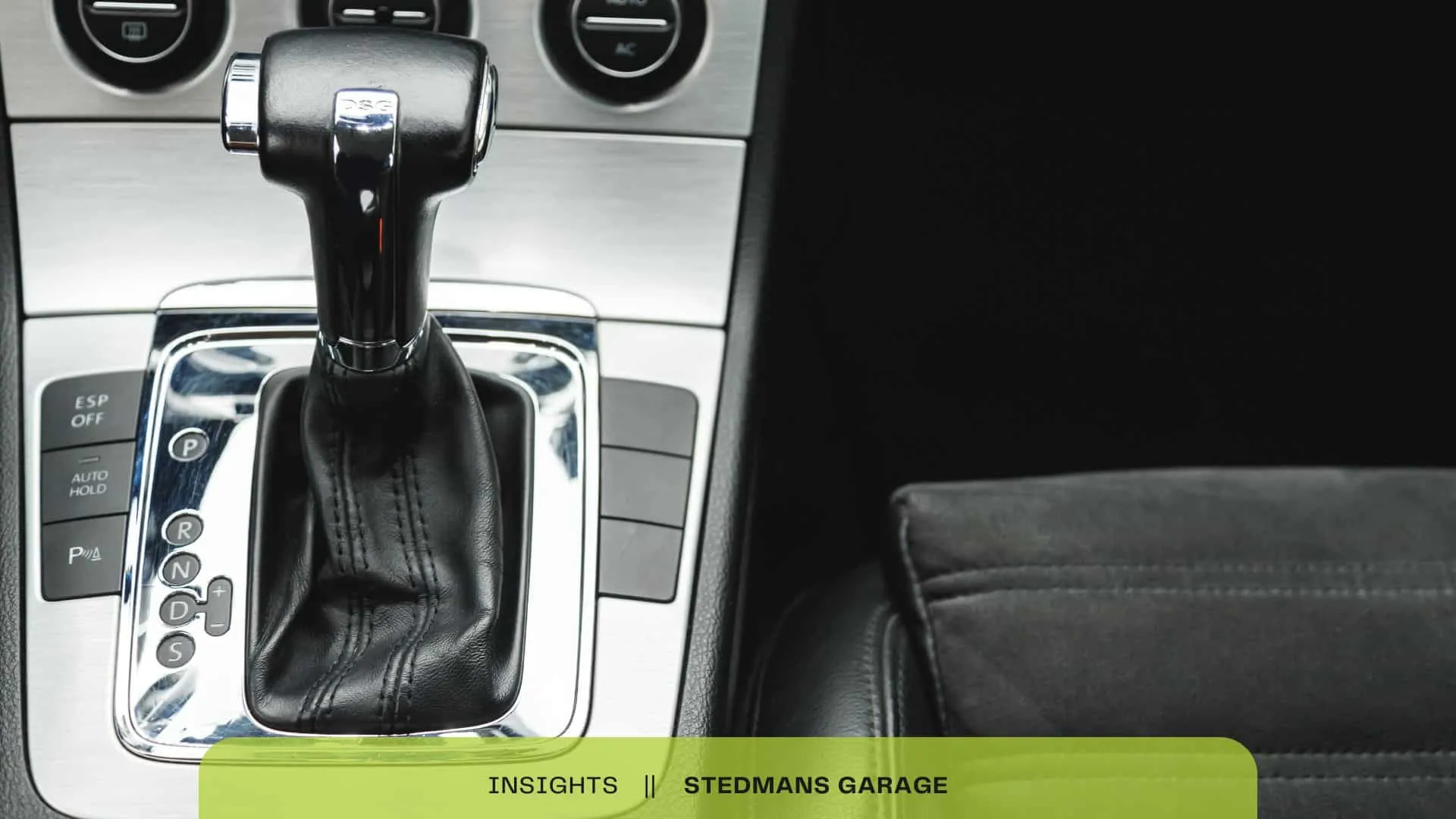
While DSG gearboxes are designed for durability and efficiency, they may still experience problems. Below, we outline some common issues that Skoda owners might encounter.
Notable Symptoms of DSG Issues
Owners should pay close attention to specific symptoms that may indicate DSG problems:
- Jolting during Shifts: Feeling a noticeable jerk or bump when changing gears may signal clutch issues.
- Delayed Engagement: If the gearbox takes longer than usual to respond when shifting, it can indicate internal problems.
- Unusual Noises: Any grinding, whining, or clattering sounds during gearbox operation suggest mechanical issues that require immediate attention.
- Warning Messages: A gearbox warning symbol or a gearbox fault message on the instrument display. On many cars the gear indicator also flashes when the gearbox has stored a fault.
- Gearbox Overheating Warnings: The dry-clutch seven-speed can warn of clutch overheating after long periods of creeping in traffic or holding the car on a hill. Pull over safely and let it cool, and if it keeps happening, have the clutch and its adaptation checked.
Identifying these symptoms early can prevent more severe issues from developing, saving Skoda owners from costly repairs.
Causes of DSG Problems
Understanding potential causes of DSG issues is essential for effective troubleshooting. Here are some likely culprits:
- Software Glitches: A common issue in modern vehicles, software errors can lead to operational conflicts within the DSG.
- Mechanical Wear: Over time, components such as clutches and gears can wear down, leading to performance degradation.
- Transmission Fluid Issues: Low transmission fluid levels or degraded fluid can impair the gearbox's performance, potentially causing malfunctions.
- External Factors: Driving habits, such as frequent stop-and-go traffic, can contribute to gearbox strain and wear.
- Electrical Failures: Faulty sensors or wiring connections within the DSG system can lead to erratic behaviour.
By being aware of these factors, Skoda owners can anticipate issues and act promptly when they arise.
Troubleshooting: Diagnosing DSG Gearbox Issues
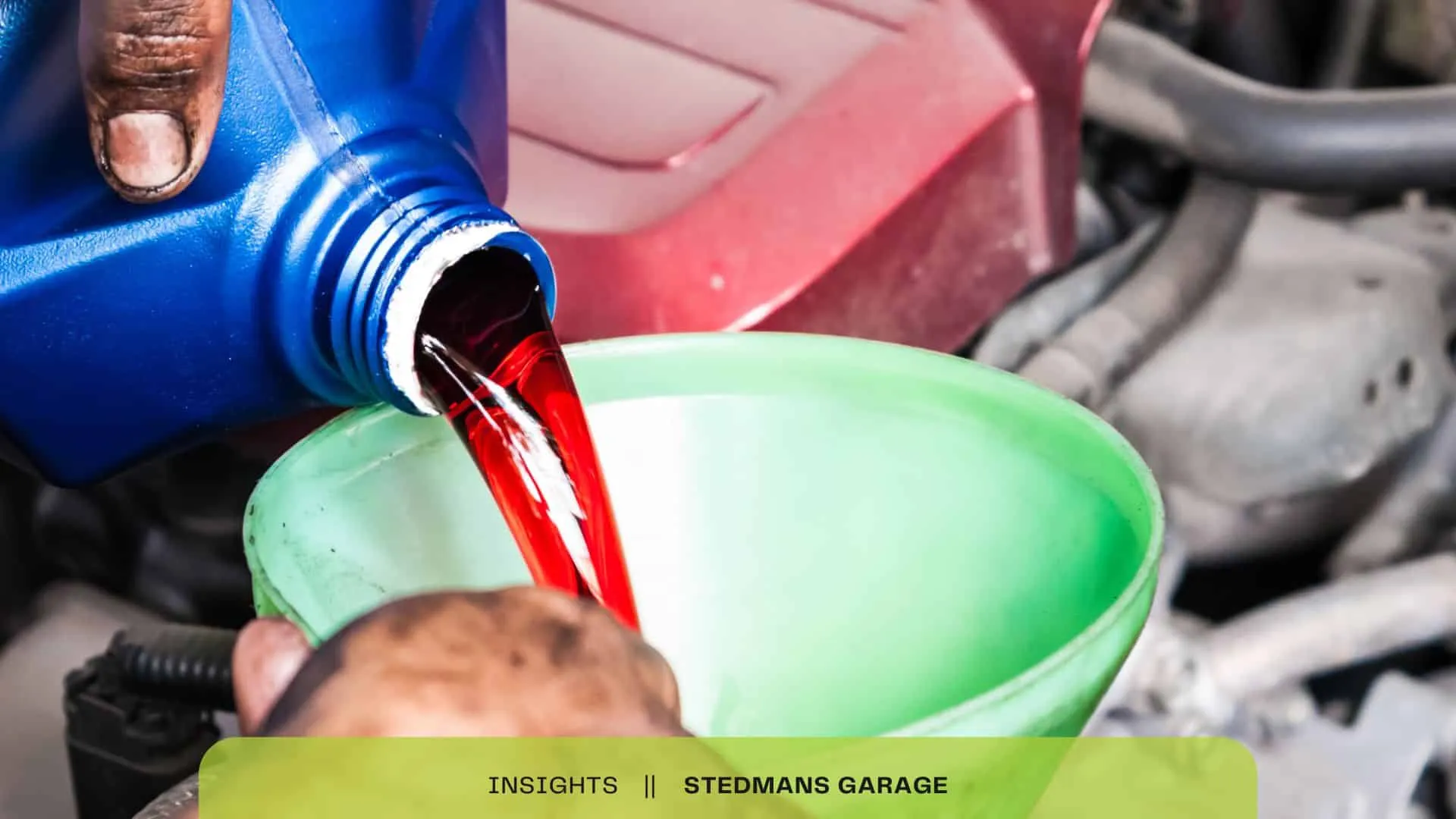
Diagnosing DSG issues can seem daunting, but a methodical approach can help owners determine the root cause of the problems.
Step-by-Step Diagnosis
- Check for Warning Lights: Start by scanning the vehicle’s dashboard for warning indicators. If a "DSG fault" warning appears, consult the owner's manual for guidance.
- Do Not Look for a Dipstick: DSG gearboxes do not have one. On the wet-clutch gearboxes the oil level is checked through a level plug with the gearbox at a set temperature, read with a diagnostic tool, so it is a workshop job.
- Listen for Noise: Drive the vehicle and note how it sounds during shifts; abnormal sounds could indicate mechanical problems that require expert evaluation.
- Monitor Shift Quality: Take note of any unusual jolting or delays during engagement. Documenting these occurrences will aid mechanics in diagnosing the issues.
- Scan for Fault Codes: Utilise an OBD-II scanner to read any stored fault codes in the vehicle's computer system; these can offer insights into specific issues requiring attention.
Maintenance Tips for DSG Gearboxes
Proper maintenance is crucial to ensuring the longevity and reliability of your Skoda's DSG gearbox. Here are actionable tips to keep your gearbox in top condition.
Regular Servicing
- Fluid changes: the right interval depends on which DSG your Skoda has, and getting it wrong costs money either way. Wet-clutch gearboxes run their clutch packs in oil and take a fluid and filter service in the region of 40,000 miles. The seven-speed dry-clutch unit fitted to lower-torque engines is filled for life in Volkswagen Group service schedules and has no routine gearbox oil change, though its mechatronic unit holds a small separate oil charge. Check which gearbox is fitted before booking anything.
- Software Updates: Ask whoever services the car to check for transmission software updates that might improve transmission performance or resolve existing issues.
- Visual Inspections: Have the gearbox checked for oil leaks as part of each service.
DIY Versus Professional Maintenance
While some maintenance tasks can be conducted at home, others are best left to professionals:
- DIY Maintenance: Watch for the symptoms above and for oil leaks under the car. The gearbox oil level itself is not a driveway check on a DSG.
- Professional Checks: Any software updates, significant repairs, or complex diagnoses should be handled by trained technicians to avoid voiding warranties through unqualified repairs.
Practical Tips for Skoda DSG Owners
A few habits and checks go a long way with a DSG:
Using Diagnostic Tools:
- Invest in an OBD-II scanner to regularly check for fault codes.
- Use the device to reset minor warning lights post-servicing, but consult a mechanic for persistent issues.
Routine Maintenance Schedule:
- Set reminders to change fluids and perform inspections based on mileage.
- Keep a log of past services to monitor any recurring issues over time.
Monitoring Driving Habits:
- Aim for smooth acceleration and deceleration to minimise strain on the gearbox.
- Avoid hard braking and rapid acceleration, especially in stop-and-go traffic.
- On a dry-clutch car in slow traffic, it is commonly advised to leave a gap and move off in one go rather than creeping, and to hold the car on a slope with the brake or auto hold rather than the throttle.
Incorporating Updates:
- Ask whoever services the car to check for gearbox software updates, which can improve shift quality and resolve known faults.
Conclusion
In summary, being a Skoda owner entails a commitment to understanding and maintaining your vehicle, particularly the intricacies of its DSG gearbox. By being aware of common issues, their causes, and effective maintenance tips, you can significantly enhance your driving experience. Routine checks and timely interventions will keep your gearbox performing at its best, preventing more severe complications in the future.
Ensuring your Skoda’s DSG gearbox is in top condition will enhance your driving pleasure. Start your maintenance schedule today!
Skoda DSG Diagnostics in Worthing
If your Skoda's DSG has started to judder, hesitate or show a warning, the useful first step is reading the gearbox fault memory and the clutch data, because a mechatronic fault, a worn clutch and a gearbox that simply needs its adaptation resetting can feel much the same from the driving seat. We can establish which gearbox is fitted, what it has recorded and what it needs before any work is booked.
Skoda DSG Gearbox FAQs
Which DSG gearbox does my Skoda have?
Lower-torque engines, such as many 1.0 and 1.5 TSI petrol models in the Fabia, Scala, Kamiq and Octavia, use the seven-speed dry-clutch DSG. Higher-torque engines such as the 2.0 TDI and the vRS use a wet-clutch DSG. If you are unsure, a garage can confirm it from the vehicle details or the gearbox control unit.
Why does my Skoda DSG judder when pulling away?
Judder when moving off is most often linked to the seven-speed dry-clutch gearbox, where the cause can be worn clutches, a clutch that needs its adaptation resetting, or a mechatronic fault. Reading the gearbox fault memory and clutch data separates them before any parts are replaced.
How often does a Skoda DSG need an oil change?
It depends on the gearbox. Wet-clutch DSGs take a fluid and filter service in the region of 40,000 miles. The seven-speed dry-clutch gearbox is filled for life in Volkswagen Group service schedules and has no routine gearbox oil change.
Can I check the DSG oil level myself?
No. A DSG has no dipstick. On the wet-clutch gearboxes the level is checked through a level plug with the gearbox at a set temperature, which needs a diagnostic tool to read, so it is a job for a workshop.
Is it safe to keep driving a Skoda with a DSG warning?
If the warning appears with the gearbox behaving normally, drive gently and have it checked soon. If the car will not select gears, holds one gear or the warning came with a clunk or a loss of drive, stop and have it looked at before driving further, because continuing can turn a repairable fault into a gearbox replacement.
Can Stedmans Garage diagnose a Skoda DSG problem?
Yes. We work on Skodas at our Worthing garage and can read the gearbox fault memory and clutch data, confirm which DSG is fitted and establish whether the clutches, the mechatronic unit or the software is behind the symptom before any work is booked.