
Understanding the Importance of Timing Belts
Role of Timing Belts in Engine Synchronisation
At the heart of an internal combustion engine lies the timing belt, a critical component responsible for orchestrating the delicate dance of engine parts. The timing belt ensures that the camshaft and crankshaft rotate in sync, allowing valves and pistons to move in a precise, harmonious manner. Without this synchronisation, the engine's performance would be chaotic, leading to inefficiency and potential damage. Think of the timing belt as the conductor of an orchestra, making sure each instrument (or engine part) plays its part at the right time, thus keeping the engine running smoothly.
Consequences of Timing Belt Failure
The failure of a timing belt can spell disaster for your engine. Unlike other car parts that wear out gradually, a timing belt tends to fail suddenly. When a timing belt breaks, the engine's camshaft and crankshaft fall out of sync, leading to severe engine trouble. This dissonance can cause pistons to collide with valves, resulting in bent valves, damaged pistons, and potentially a ruined engine. In essence, a snapped timing belt can leave you stranded with a hefty repair bill. In extreme cases severe engine damage can occur.
Interference and Non-Interference Engines
How much damage a broken belt does depends on how the engine is built. In an interference engine the valves and pistons share the same space at different moments, so if the belt breaks, the pistons can strike open valves. That is what bends valves, damages pistons and sometimes cracks the cylinder head. In a non-interference engine there is enough clearance that they do not meet, so a broken belt usually leaves you stranded rather than facing an engine rebuild. Many modern engines are interference designs, which is why the replacement schedule matters so much. A garage can tell you which type your engine is.
When Is a Timing Belt Due for Replacement?
Timing belts do not last indefinitely, but there is no single interval that applies to every car. Each manufacturer sets a replacement schedule for each engine, usually as a mileage and an age limit, whichever comes first. The figures differ between makes, between engines in the same range and sometimes between model years, so a number quoted for one car tells you nothing about another. Check the service schedule for your engine in the handbook or service book, or ask a garage to look it up from your registration.
The age limit matters as much as the mileage. The rubber ages whether or not the car is driven, so a low-mileage car can be due on age long before it reaches the mileage figure. Some manufacturers also give a shorter interval for harder use, such as towing or lots of short journeys, so check whether yours does. If you have bought a used car and there is no record of the belt being changed, treat it as due until the history shows otherwise.
What Shortens a Timing Belt's Life
A belt can wear out before its scheduled change if something is attacking it. The usual causes are:
- Oil contamination: a leaking oil seal behind the timing cover soaks the belt and softens the rubber.
- Coolant leaks: on engines where the belt drives the water pump, a weeping pump can contaminate the belt and its bearing can fail.
- Heat: engine heat hardens and cracks the rubber over time.
- Incorrect tension: a belt fitted too tight, or a tensioner that has weakened, wears the belt and its pulleys faster.
- Worn pulleys: a tensioner or idler pulley with a rough bearing puts extra load on the belt.
Timing Belt or Timing Chain?
Not every engine has a timing belt. Some use a metal timing chain instead, which runs in the engine oil and is designed to last much longer. A belt is quieter, lighter and cheaper to make, but it has to be replaced on a schedule. A chain usually has no fixed replacement interval, although it is not immune to wear: a chain can stretch and its tensioners and guides can wear, particularly if oil changes have been missed. Manufacturers have moved between belts and chains over the years, even within one model range, so the badge on the car is not a reliable guide.
The quickest way to find out what your engine has is the service schedule: if it lists a timing belt or cambelt change, your engine has a belt. A garage can also confirm it from the registration or the engine code.
Stedmans Garage Provides Professional Services
Routine maintenance and timely replacement of your car's timing belt are crucial for preventing unexpected breakdowns and costly repairs. At Stedmans Garage, you can trust their expert technicians to handle your timing belt needs with precision and care. Their team is well-equipped with the knowledge and tools needed to replace timing belts efficiently and ensure your engine runs at its optimal best.
Having a reliable service like Stedmans Garage can make a significant difference. They provide thorough inspections and utilise high-quality parts for replacements, ensuring the longevity and performance of your vehicle. Proper maintenance by professionals can save you from unexpected engine failures, providing peace of mind and smooth driving experiences.
Visual Inspection for Wear and Tear for Timing Belt Replacement
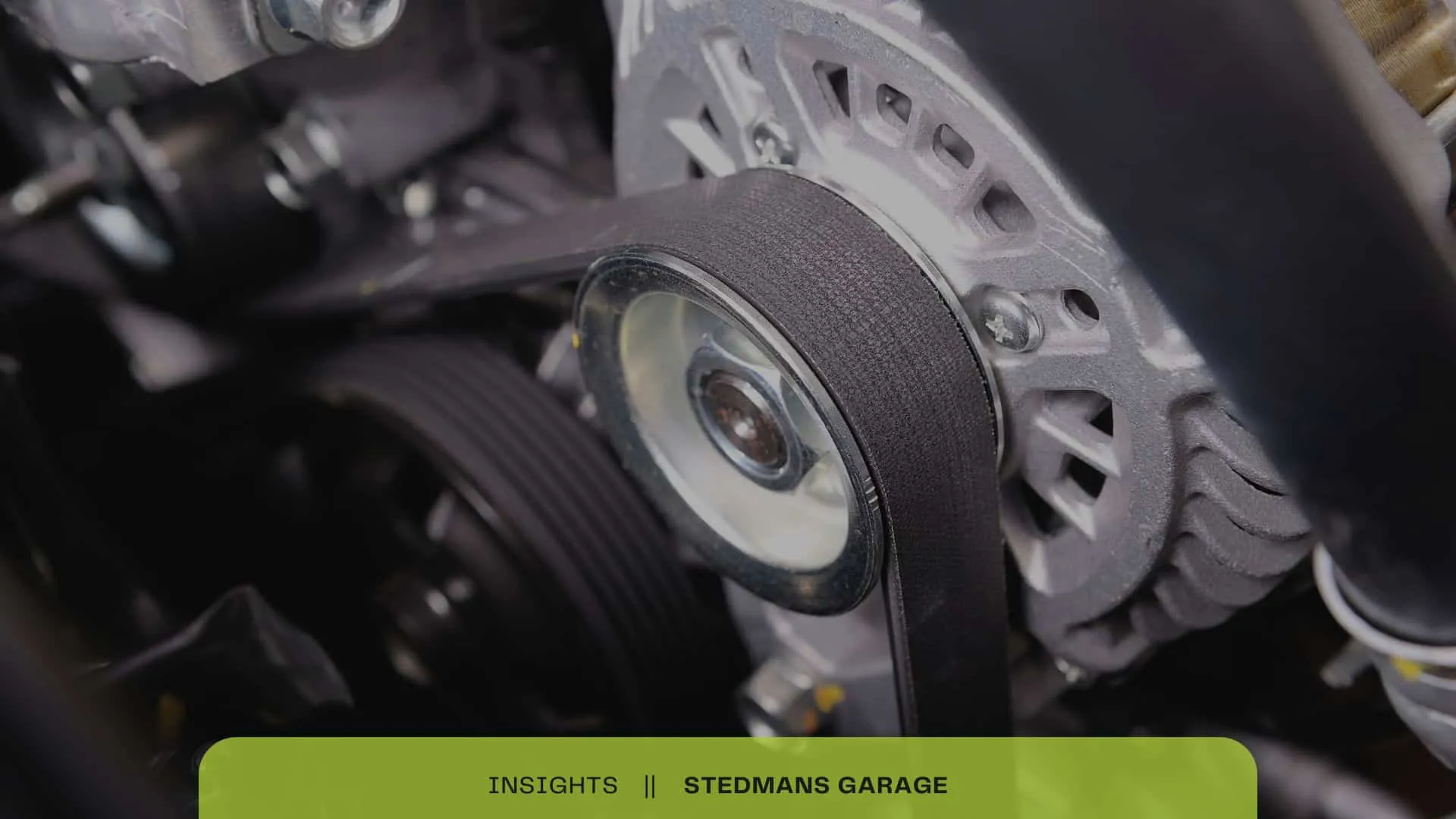
Regular inspections of your timing belt are vital for maintaining your vehicle's engine health and performance. A timing belt that exhibits signs of wear and tear can lead to catastrophic engine failure if not addressed promptly. On most engines the belt sits behind a cover, so this is a check a garage makes with the cover off, not one a driver can do with the bonnet up. These are the things a mechanic looks for.
Checking for Cracks, Fraying, or Glazing on the Belt
One of the first signs of a deteriorating timing belt is visible damage. Look out for:
- Cracks: With time and use, the rubber on the timing belt can start to develop small cracks. These may appear on the surface or within the grooves of the belt. A cracked belt is a clear indication that it needs to be replaced soon.
- Fraying: Inspect the belt edges for signs of fraying, which occurs when the belt's fabric starts to wear down and unravel. Frayed edges can lead to weak spots and potential tearing.
- Glazing: If the belt looks shiny or polished, it is likely glazed. Glazing comes with heat and age hardening the rubber, and a glazed belt has lost the flexibility it needs to grip its pulleys properly.
Inspecting for Oil Contamination
Oil contamination is another critical factor to check during your visual inspection. Oil can degrade the rubber material of the timing belt, leading to premature failure. Ensure you look for any signs of oil leaks around the motor, specifically near the timing belt cover. If oil is present, it's important to address the leak and replace the contaminated belt promptly.
Looking for Missing Teeth or Visible Damage
Lastly, examine the belt for any missing teeth or other visible damage. Missing teeth can prevent the belt from engaging properly with its pulleys, so the belt can jump and knock the valve timing out. Wear on the teeth on the inner side of the belt is a sign that it is nearing the end of its life.
These inspections can catch problems early, saving you from more costly and extensive repairs down the line. A belt that looks fine can still be due on age or mileage, though, so an inspection never replaces the manufacturer's schedule. If you notice any of the symptoms in the sections below, have the belt checked by a professional mechanic.
Listening for Unusual Engine Noises
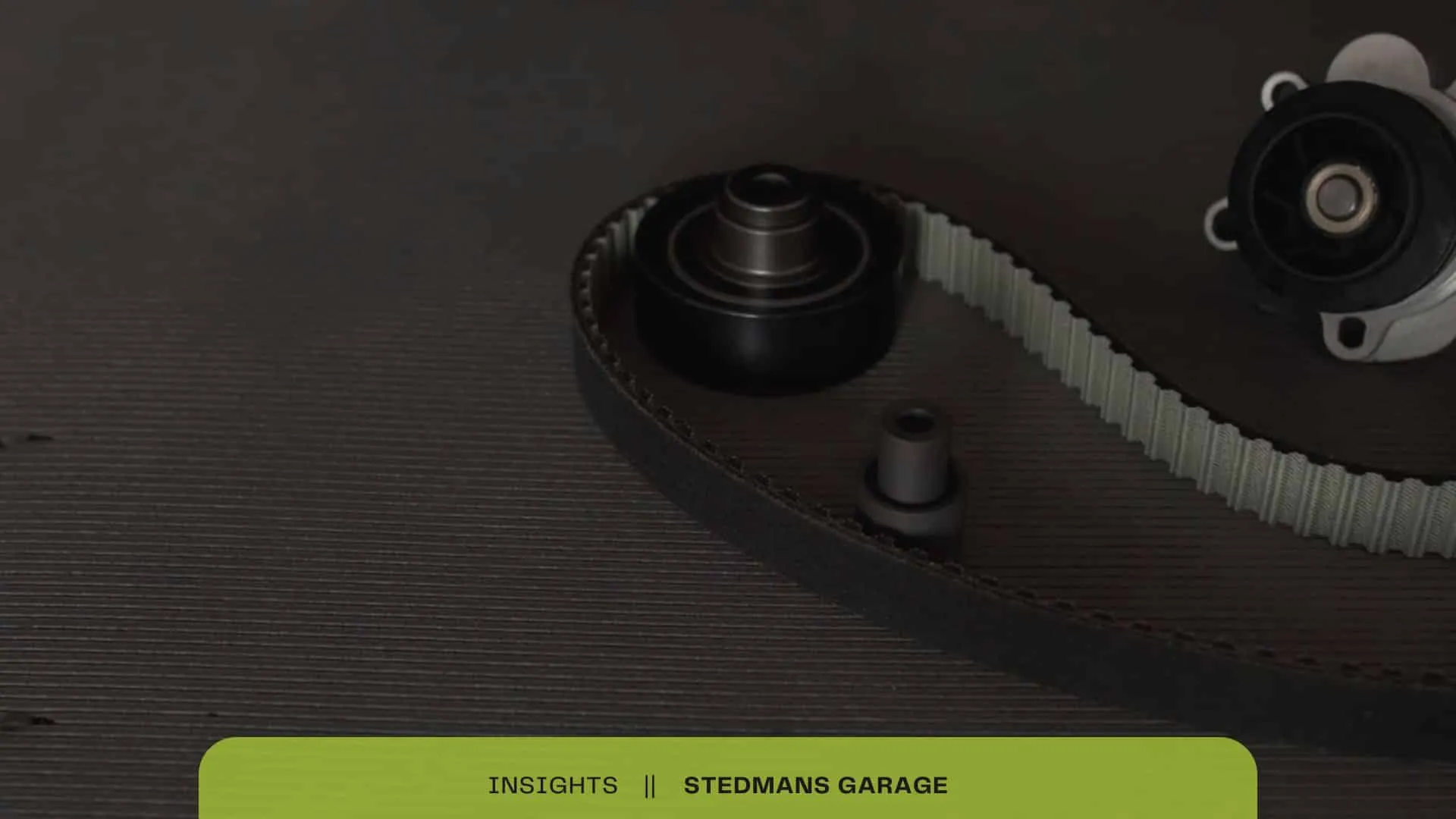
One of the clearest indicators that it may be time to replace your timing belt is the presence of unusual noises emanating from your engine. Identifying these sounds can save you from costly repairs and potential engine damage. Below are the key noises to be aware of and what they signify.
Identifying Ticking or Clicking Sounds
A ticking or clicking from the front of the engine can come from a worn belt or from a failing tensioner or idler pulley. The same sound is just as often the valve gear or a low oil level, though, so it needs diagnosing rather than assuming.
Recognising Squealing, Whining or Grinding Noises
A squeal when you start the engine or pull away is more often the auxiliary belt, the ribbed belt on the outside of the engine that drives the alternator, than the timing belt. It is still worth having checked, because on some engines the auxiliary belt has to come off to reach the timing belt, and the two are often renewed together.
A whine, growl or grinding from behind the timing cover is a different matter. It can be a worn tensioner, idler pulley or water pump bearing, and on many engines all three run on the timing belt. If one of those bearings seizes, it can strip or break the belt, so this noise needs looking at promptly.
Noticing a Rattle or Flapping Sound as the Revs Rise
Pay close attention to how your engine sounds as the revs rise. A rattle or flapping sound from the front of the engine could be an indication that the timing belt is loose or deteriorating. Over time, a belt that is coming to the end of its life, or a tensioner that has weakened, can lose tension, and a loose belt can whip against its cover.
These changes in sound should not be ignored, as they signal that your engine's synchronisation is compromised. Failing to address them may lead to more severe issues, such as complete belt failure, which can cause significant engine damage.
Understanding these noises and what they mean will help you maintain your vehicle's health. A proactive approach in recognising these sounds and seeking professional help can prevent major mechanical failures.
Monitoring Engine Performance Issues for Timing Belt Replacement
Understanding engine performance issues can be a reliable method for detecting timing belt problems early on. Let's delve into how recognising engine misfires or rough idling, experiencing difficulty starting the vehicle, and observing decreased engine power or overheating can provide valuable insights into the health of your timing belt.
Recognising Engine Misfires or Rough Idling
A prominent sign of a failing timing belt is the engine misfiring or running roughly. The timing belt synchronises the movement of the camshaft and crankshaft, ensuring the correct timing for the opening and closing of the engine's valves. If a worn belt jumps a tooth on its pulleys, that synchronisation is lost and the valves open and close at the wrong moments, which leads to misfires. Misfiring should be addressed immediately to avoid further damage to the engine.
As belts wear out, they can lose teeth, which makes it easier for the belt to jump and leaves the engine idling roughly. Over time, this can lead to stalling.
Experiencing Difficulty Starting the Vehicle
Another significant indicator of timing belt issues is difficulty starting the vehicle. If the timing belt has broken, the starter will still turn the engine, often faster and more freely than usual, but the camshaft no longer turns with it, so the engine will not fire. A belt that has jumped teeth can also leave the engine cranking without starting. This is because the timing belt is crucial for synchronising the engine's internal movements.
Incorrect timing is also a frequently misdiagnosed cause of a no-start condition. Ensuring that the timing belt is correctly set according to manufacturer specifications is vital to avoid costly engine repairs.
Observing Decreased Engine Power or Overheating
Decreased engine power and overheating are further symptoms pointing towards a faulty timing belt. A worn timing belt can slip, causing the engine cylinders to open and close out of sync. This affects the engine's firing rate and reduces its overall power.
Overheating can be connected too. On many engines the timing belt drives the water pump, so a failing pump can let coolant escape and the engine overheat, and the leaking coolant can contaminate the belt itself. If the pump bearing seizes, it can destroy the belt. An overheating engine needs prompt attention for its own sake, whatever the cause turns out to be.
Regular monitoring of these engine performance issues can signal the need for a timing belt inspection or replacement. It ensures the optimal functioning of your engine and avoids potential damage. Observing these signs early and seeking professional help, such as services offered by Stedmans Garage, can save you from more significant repair costs down the line.
Understanding how timing belts influence engine performance is key to maintaining your vehicle's health. As you continue monitoring your engine's performance, remember that professional inspections can provide a more thorough diagnosis and solution.
Checking for External Signs and Symptoms
The condition of your timing belt can sometimes be diagnosed through external signs and symptoms that manifest during regular vehicle operation. By keeping an eye out for these indicators, you can potentially catch problems early and schedule a timely replacement, which may prevent severe engine damage and costly repairs.
Looking for Oil Leaks near the Motor
One tell-tale sign that your timing belt might be at risk is the presence of oil leaks near the front of the engine. An oil leak in this area usually comes from the camshaft or crankshaft oil seals behind the timing cover, or from the valve cover gasket above it. Over time, these seals can become brittle and crack, allowing oil to seep out. This situation not only affects the timing belt but can also lead to significant engine issues if left unaddressed.
Oil leaks around the timing belt area should be promptly investigated and repaired to ensure that the belt itself remains in good condition. If oil contaminates the timing belt, it can cause the belt to weaken and deteriorate much faster than it otherwise would, leading to a potential failure.
Observing Excessive Exhaust Smoke
Exhaust smoke is not a timing belt symptom on its own, but it helps rule causes in or out when the engine is running badly. Different colours of smoke suggest different issues:
- White smoke often indicates burning coolant, which could be a sign of a blown head gasket.
- Blue smoke suggests burning oil, which may mean that oil is getting into the engine cylinders past worn seals or piston rings.
- Black smoke indicates unburned fuel, which might mean that the engine is running rich.
If you observe any unusual smoke from your exhaust, it is essential to address it quickly. The presence of exhaust smoke often signifies more profound issues within your engine, and ignoring it can result in further complications.
Paying Attention to the Check Engine Light
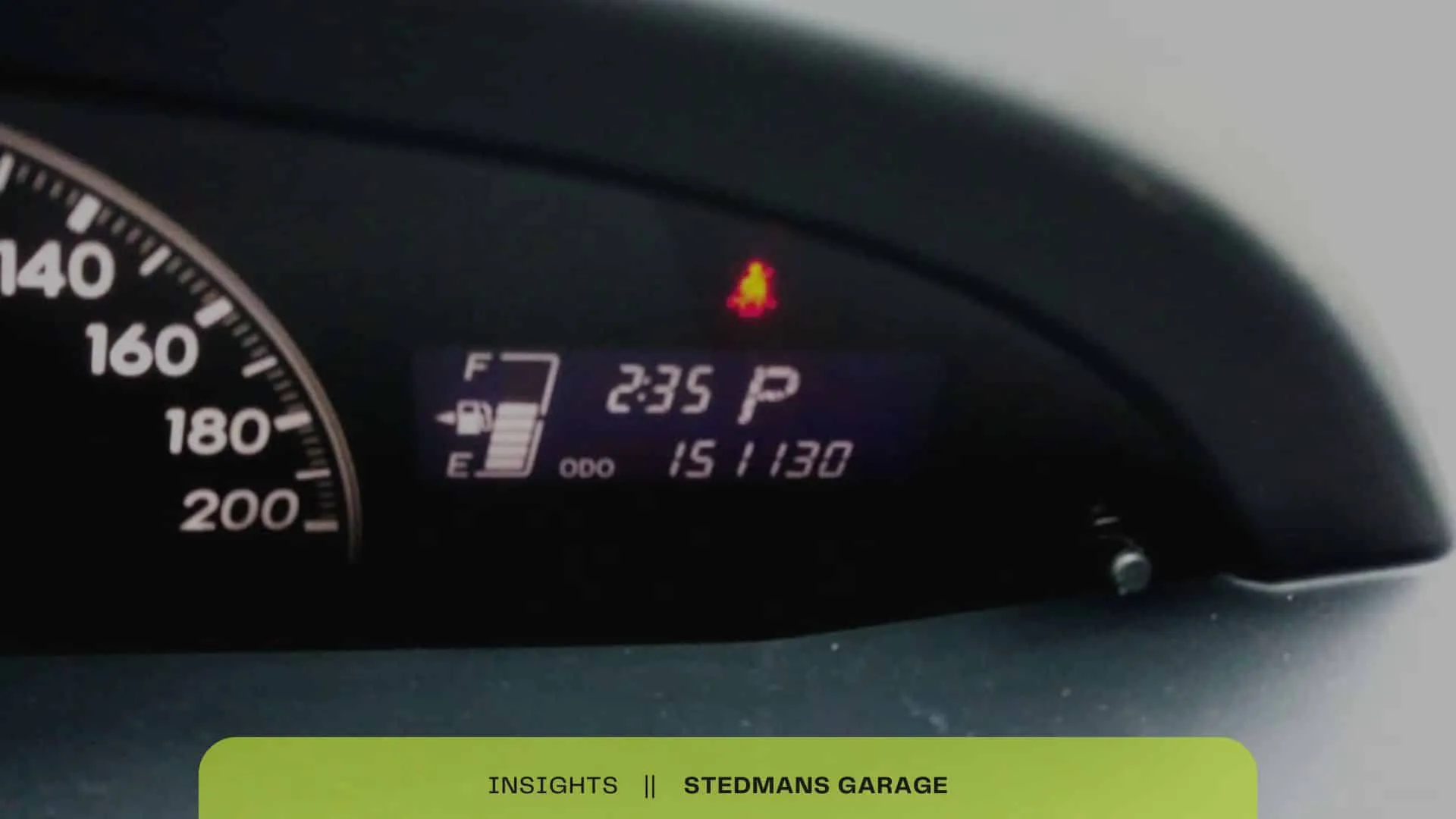
The check engine light is a vital warning system in your vehicle, alerting you to various potential problems. This light turning on could be indicative of timing belt issues. For instance, a timing belt that is slipping or has skipped teeth may cause the engine's timing to fall out of sync, triggering the check engine light.
Specifically, a flashing check engine light often points to a more severe problem. Many modern vehicles come equipped with sensors that detect discrepancies in the engine's operation, such as timing issues. When these sensors pick up on irregularities, they send a signal to the car's computer, which then illuminates the check engine light.
Whenever the check engine light comes on, it is advisable to have your vehicle inspected by a professional mechanic who can run diagnostics to identify the exact issue. Ignoring this light can compound problems, leading to more significant damage and higher repair costs.
Paying close attention to these external signs and symptoms can act as a reliable early warning system, allowing prompt action to prevent further damage to your vehicle. Regular, attentive monitoring and prompt response are crucial to maintaining optimal engine performance and longevity. Without belabouring the consequences, these signs emphasise the importance of regular maintenance and vehicle checks.
Stedmans Garage offers professional timing belt services, ensuring that issues are diagnosed early and resolved with expertise. Whether you need an inspection or a complete timing belt replacement, their experienced mechanics are equipped to handle your vehicle with care and precision.
What Affects the Cost of a Timing Belt Replacement
There is no single price for a timing belt change, because the job varies so much from one engine to the next. A belt that has been changed on schedule is always far cheaper than repairing an interference engine after a belt has failed. These are the things that decide the cost:
- How the engine is laid out: on some engines the belt is easy to reach, while others need an engine mount, the auxiliary drive and more besides removed first. Access is most of the labour.
- What is replaced with the belt: a full kit with the tensioner and idler pulleys costs more than a belt alone, but it saves paying for the same dismantling twice when a worn pulley fails later.
- Whether the water pump is belt-driven: if it is, renewing it at the same time adds the part but very little labour.
- Belts that run in oil: some engines use a "wet" timing belt that runs inside the engine in oil. These have their own schedule and are often a bigger job, as covered in our guide to wet timing belt problems.
- What is found once it is apart: an oil seal leaking onto the belt should be renewed while the engine is open, or it will ruin the new belt too.
- Whether the belt has already failed: on an interference engine a broken belt can mean taking the cylinder head off to replace bent valves, which is a different scale of repair altogether.
- Diagnosis first: if the car has symptoms rather than simply being due, a check before any parts are ordered shows whether the belt, a pulley or something else entirely is at fault.
The only reliable figure is a quote for your car once the engine and its history have been looked at.
Why Timing Belt Replacement Is a Job for a Garage
Given the intricate nature of timing belt replacement, which involves precise synchronisation of engine components, it is critical to use a qualified mechanic. The job needs the right locking tools to hold the camshaft and crankshaft in place, and on some engines specialist techniques to remove and refit the belt correctly. Even a small mistake, such as a belt fitted one tooth out or a tensioner set wrongly, can be extraordinarily costly, so unless you have substantial mechanical knowledge and the right tools, professional replacement is the safest approach.
Trust Stedmans Garage for Timing Belt Replacement
If you've detected any of the warning signs mentioned in previous sections, it's time to consider professional assistance for your timing belt concerns. Ensuring the efficient operation of your vehicle's engine is paramount and trusting experts for this critical job is advisable. Stedmans Garage offers specialised services for timing belt replacements to keep your car running smoothly.
Expertise and Precision in Timing Belt Replacement
Timing belt replacement is not just a routine maintenance task; it involves meticulous attention to details such as correct alignment, precision timing, and the use of high-quality parts.
- Correct Procedure: A timing belt is fitted with the engine locked in time, using the locking tools specified for that engine, then turned over by hand and checked before it is started. A belt fitted one tooth out can damage an interference engine as surely as a broken one.
- Quality Parts: Using substandard parts can result in premature wear and potential engine damage, so the belt, tensioner and pulleys should come from a recognised parts manufacturer and be correct for your engine.
Comprehensive Timing Belt Service
During a timing belt replacement, it is not just the belt that needs attention. Several related components are inspected and often replaced to guarantee the long-term health and efficiency of your engine.
- Water Pump: On engines where the timing belt drives the water pump, reaching the pump needs the same dismantling as the belt, so it makes practical sense to replace it at the same time. This approach prevents potential leakage issues and ensures the engine's cooling system remains effective.
- Tensioners and Pulleys: These components maintain the proper tension and alignment of the timing belt. Worn or misaligned tensioners can cause the belt to slip or break, leading to significant engine troubles.
Preventative Approach
Stedmans Garage adopts a preventative approach, ensuring that potential issues are addressed before they become major problems.
- Routine Inspections: Regular checks are vital for identifying early signs of wear or damage. Scheduling routine timing belt inspections can help in early detection and intervention, saving you from costly repairs in the future.
- Scheduled Maintenance: Following the manufacturer's interval for your engine, by mileage or age, whichever comes first, is the single most important thing you can do. If you do not know when the belt was last changed, ask for it to be checked against the service history.
Customer-Centred Service
The services at Stedmans Garage extend beyond technical repairs; they prioritise customer convenience and satisfaction.
- Flexible Booking: Scheduling an appointment for your timing belt replacement is easy and flexible. You can book online or call their customer service team for any assistance.
- Advice Before Work Starts: You are told what the job involves before any work begins, including any parts that need renewing alongside the belt.
Peace of Mind
Choosing Stedmans Garage for your timing belt replacement brings peace of mind, knowing your vehicle is in the hands of trusted professionals. Regular inspections and timely replacements keep your engine running optimally and prevent significant damages. By addressing issues proactively, you ensure the longevity and reliability of your vehicle.
Maintaining your timing belt with professional care is a proactive step towards ensuring the smooth running of your engine. For expert timing belt services, consider Stedmans Garage for a trustworthy and professional experience.
Frequently Asked Questions
How often should a timing belt be replaced?
There is no single figure. Each manufacturer sets an interval for each engine, as a mileage and an age limit, whichever comes first. Check the service schedule for your engine in the handbook or service book, or ask a garage to look it up from your registration. If there is no record of the belt being changed on a used car, treat it as due.
How do I know if my car has a timing belt or a timing chain?
The service schedule is the quickest guide: if it lists a timing belt or cambelt change, the engine has a belt. A garage can also confirm it from the registration or engine code. Manufacturers have used both, sometimes within the same model range, so the make and model alone are not a reliable guide.
Can a timing belt break without any warning?
Yes. A timing belt often fails with no warning signs at all, which is why replacing it on schedule matters more than waiting for symptoms. Noises, misfires and oil leaks near the timing cover are worth acting on, but their absence does not mean the belt is healthy.
What happens if a timing belt breaks while driving?
The engine stops and will not restart. On an interference engine the pistons can strike the valves, which can mean a cylinder head repair or a replacement engine. On a non-interference engine a new belt is often enough, but the engine should still be checked. Either way, do not try to restart it repeatedly; have it recovered to a garage.
Should the water pump be replaced with the timing belt?
If the timing belt drives the water pump on your engine, it is common practice to replace the two together. The pump is reached through the same dismantling, so renewing it then avoids paying for that labour again if the pump fails later and takes the new belt with it.
How much does a timing belt replacement cost?
It depends on the engine. How hard the belt is to reach, what is replaced alongside it, whether the water pump is belt-driven and whether the belt runs in oil all change the price. A belt that has already failed on an interference engine costs far more to put right. A garage can give you an accurate quote once it knows your engine.