
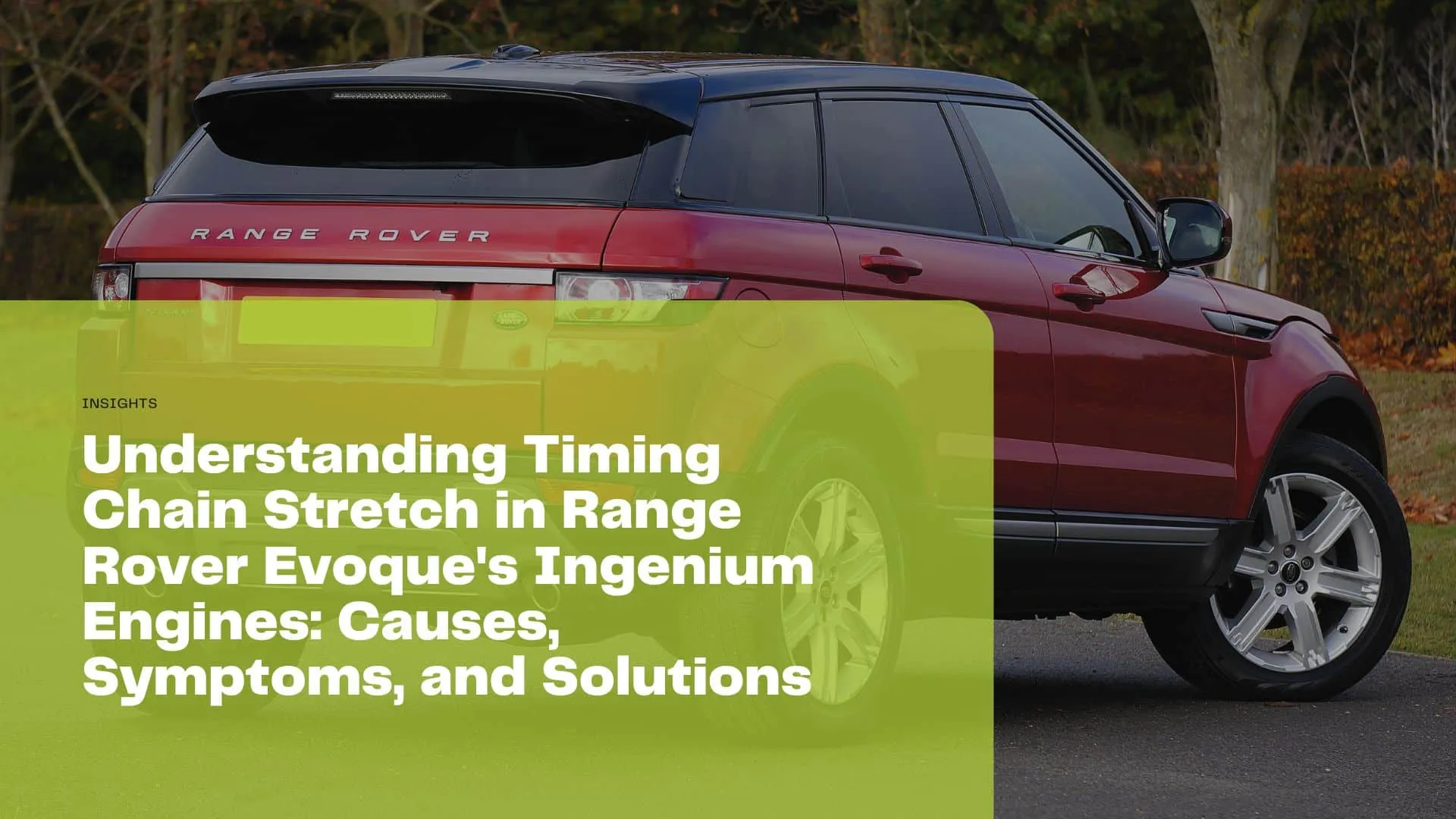
Timing chain stretch on the Range Rover Evoque affects the 2.0 Ingenium diesel fitted from the 2016 model year, most often on engines built before revised parts arrived around 2019. The first sign is usually a metallic rattle from the back of the engine for a few seconds after a cold start. The chain cannot be adjusted, so the fix is a revised chain, guides and tensioner kit, fitted with the gearbox removed. There has been no UK recall for it.
Which Evoques Are Affected?
The Ingenium diesel arrived in the Evoque for the 2016 model year, badged TD4 at 150PS and 180PS, plus the eD4 150PS two-wheel drive version. Before that, Evoques used an older 2.2 litre diesel. That engine has a cam belt rather than this chain, so a pre-2016 model year Evoque badged Td4 or Sd4 is not affected by this fault. The early 2.0 petrol was a Ford-based engine too; the Ingenium petrol (240PS and 290PS Si4) only arrived for the 2018 model year.
The documented chain problem is on the 2.0 Ingenium diesel. Engines built before revised chain, guide and tensioner parts arrived around 2019 are the ones most often affected. Jaguar Land Rover has not published an exact build cut-off, so a slightly later car is not automatically in the clear, and an earlier car may already have had a revised kit fitted. If you are unsure which engine your car has, our guide on how to identify an Ingenium engine covers the UK checks.
How the Evoque's Timing Chain Works
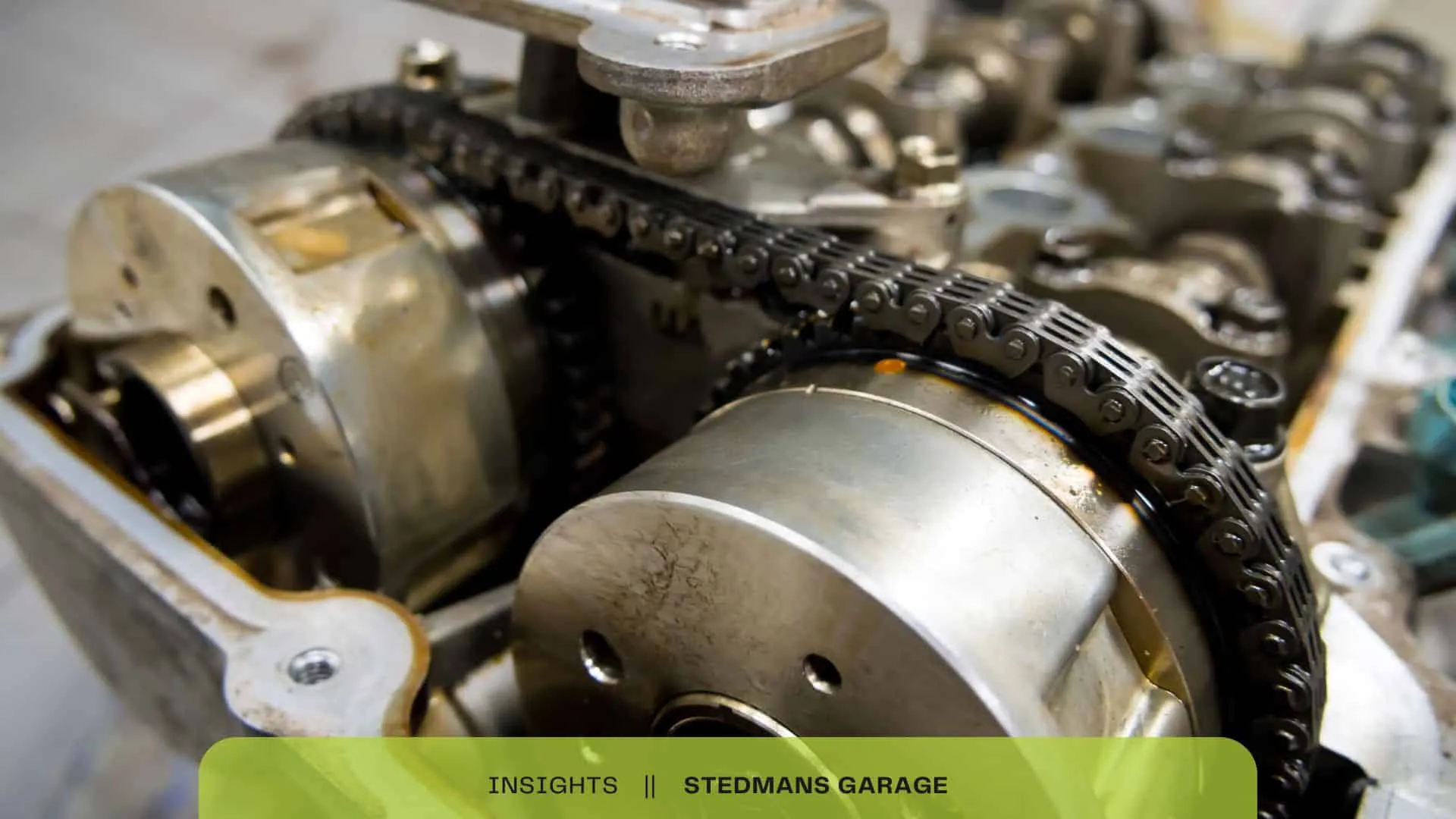
The timing chain links the crankshaft to the camshafts, so the valves open and close at exactly the right moment for each piston. On the 2.0 Ingenium the chain drive sits at the rear of the engine, at the gearbox end, rather than behind a cover at the front. A hydraulic tensioner, fed by engine oil, keeps the chain taut, and plastic guides keep it on its path.
Two things follow from that design. First, the chain cannot be seen at a service, and there is nothing to adjust: the tensioner does that job automatically. Second, there is no scheduled replacement. The chain is meant to last, which is why stretch on these engines catches owners out.
What Causes the Chain to Stretch?

Wear in the Chain, Guides and Tensioner
The chain, guides and tensioner work as a set, and wear in one speeds up wear in the others. As the guides wear and the tensioner loses its grip, the chain runs looser and its links wear faster. That is why the revised parts that arrived around 2019 replaced the whole set, and why Jaguar Land Rover's free-repair campaign in South Korea replaces the chain, guides and tensioner together.
Short Trips and Oil Dilution
Short journeys are the biggest thing an owner can influence. When the diesel particulate filter (DPF) needs cleaning, the engine runs an active regeneration, injecting extra fuel late to heat the filter. If short trips keep interrupting it, some of that fuel washes past the piston rings into the sump. Diluted oil is thinner and protects the chain and its tensioner less well.
The Evoque is more exposed to this than most. Because its engine is mounted transversely, the particulate filter sits further back, under the floor, and takes longer to get hot enough to clean itself. On a car that mostly does local runs, regenerations are cut short again and again, and more fuel ends up in the oil.
Oil Quality and Overdue Changes
The tensioner is hydraulic, so it depends on clean oil at the right viscosity. The 2.0 Ingenium diesel needs oil to JLR specification STJLR.03.5007 (0W-30), and the handbook is the final authority. Running past an oil change, or using oil that only matches the viscosity and not the specification, works against the chain.
Symptoms of Timing Chain Stretch
- A rattle after a cold start: a metallic rattle from the back of the engine for a few seconds after starting from cold. It is the earliest sign, and it tends to last longer as the stretch gets worse.
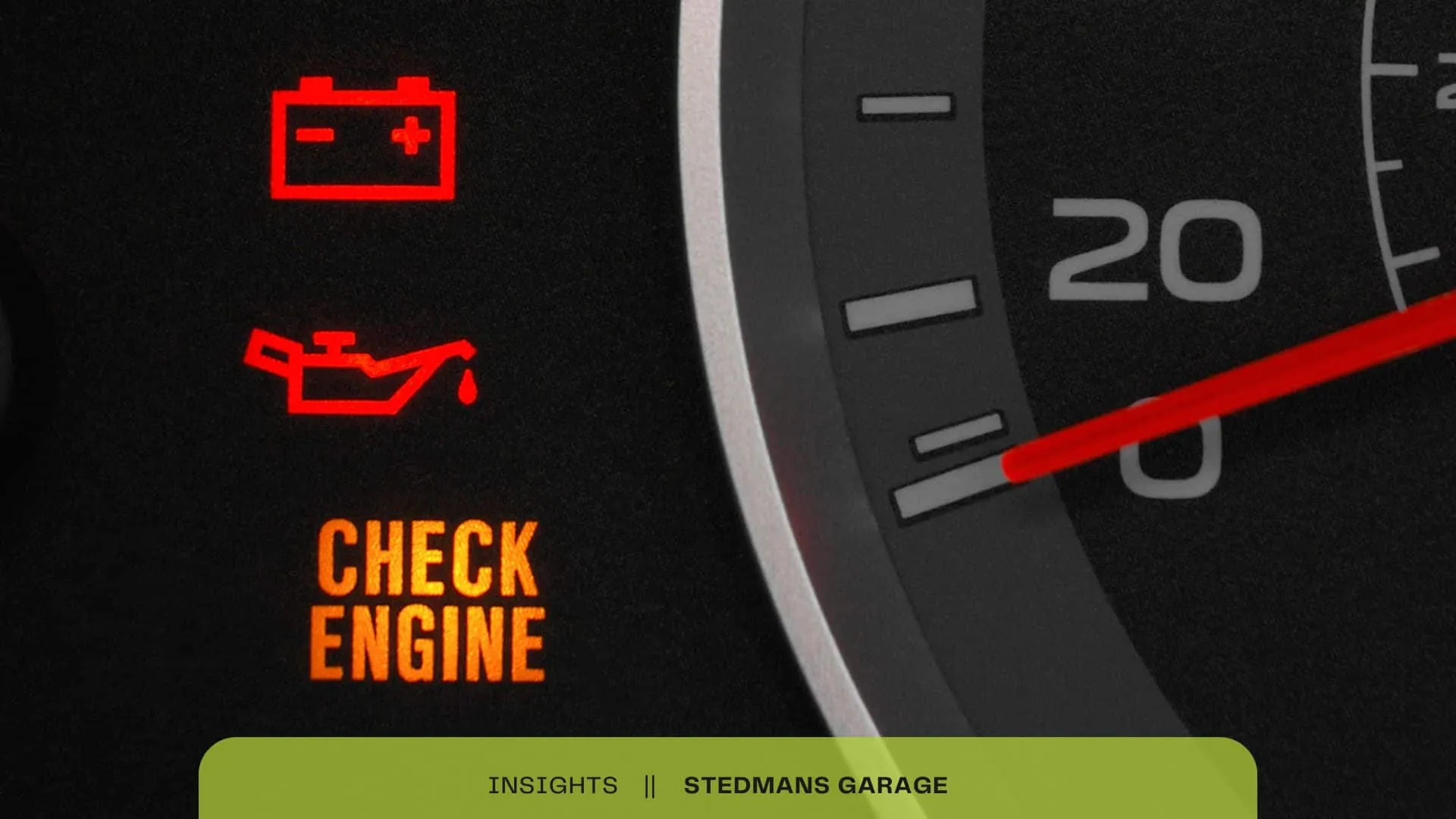
- The engine management light: camshaft and crankshaft correlation faults bring the warning light on.
- Rough running: hesitation, uneven idle and reduced power can follow as the timing drifts further.
Do not keep driving for long on a known rattle. If the chain jumps a tooth or breaks, the valves and pistons can collide, and a chain repair becomes a cylinder head or engine repair.
How a Garage Diagnoses Timing Chain Stretch
There is nothing an owner can check under the bonnet: the chain is out of sight at the back of the engine and cannot be tensioned by hand. A proper diagnosis combines several things:
- A cold-start listen: the car is left to stand overnight so the rattle can be heard from a true cold start.
- Live camshaft and crankshaft data: equipment that reads JLR systems compares camshaft and crankshaft positions to show how far the timing has drifted.
- Fault codes: P0016 to P0019 and P0341 are generic correlation and camshaft sensor codes that stretched chains commonly log. A basic code reader can show them, but cannot measure the stretch.
- A borescope check: a camera inspection can add further evidence where needed.
What the Repair Involves
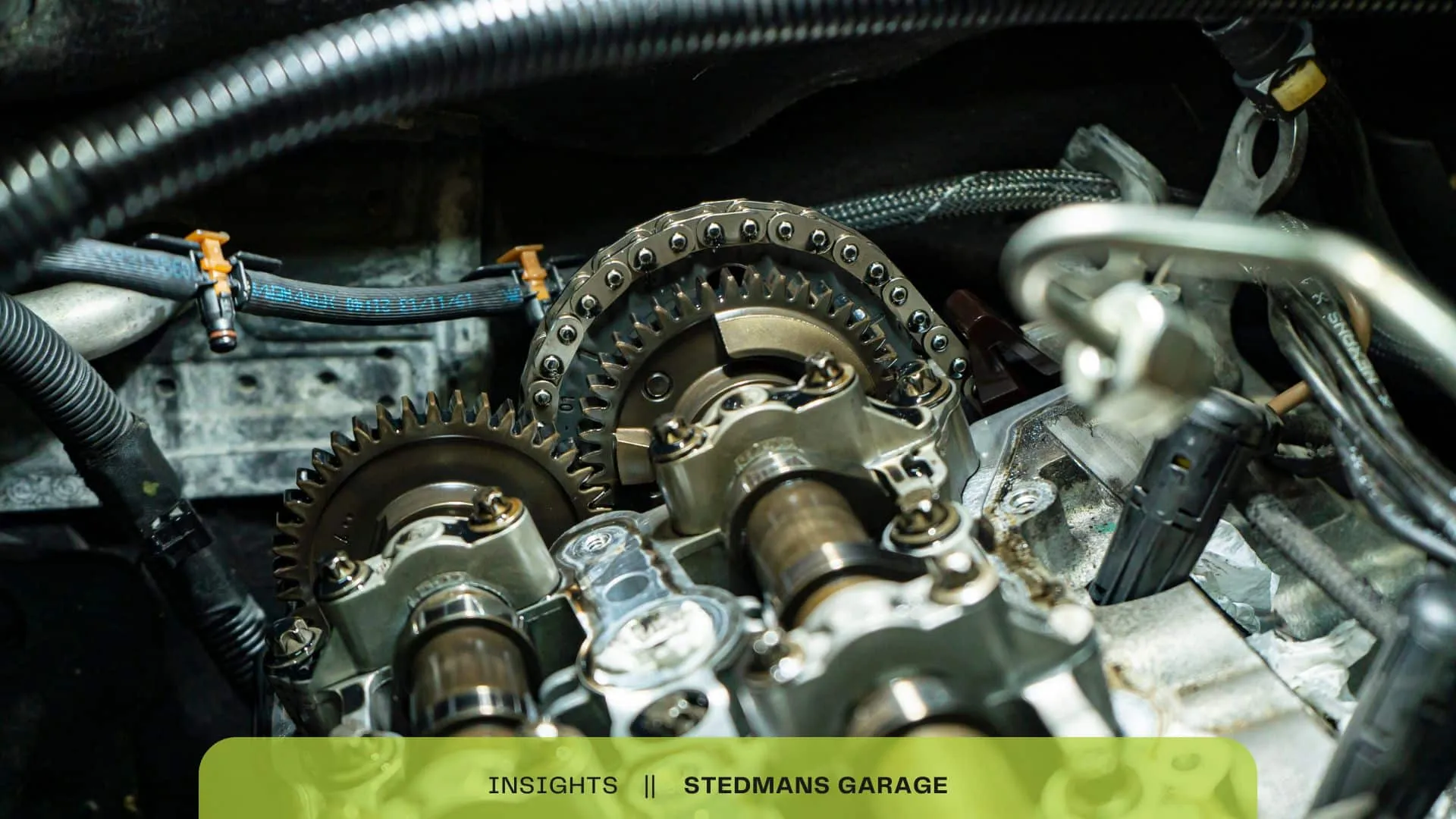
A stretched chain cannot be tightened. The repair is a revised timing chain, guides and tensioner kit. Because the chain sits at the gearbox end of the engine, the gearbox has to come off (or the engine has to come out) to reach it, so most of the work is labour rather than parts. Insist on the current revised kit rather than a like-for-like copy of the original parts.
What drives the size of the job is how early it is caught. A chain replaced on the strength of a cold-start rattle and the live data is a planned repair. A chain that has jumped and let the valves hit the pistons means further engine work on top.
Was There a Recall for the Evoque Timing Chain?
No. There has been no UK recall for the Ingenium timing chain on the Evoque or any other model. In South Korea, Jaguar Land Rover runs a free-repair campaign (not a recall) that replaces the chain, guides and tensioner on 2.0 Ingenium diesels built up to 2020. UK owners have no equivalent scheme. A new car is covered by a three-year UK warranty with unlimited mileage, and outside that any help is goodwill at Jaguar Land Rover's discretion.
The Evoque has had other recalls, neither of them for the chain. R/2018/036 covers fuel rail end caps on Evoques built from May 2016 to January 2018, and R/2024/113 covers a turbocharger oil feed pipe that may loosen on Evoques built from March 2020 to July 2024. Check any Evoque by registration on the GOV.UK vehicle recall checker. Our guide to Range Rover Ingenium engine problems and the recall question covers this in more detail.
How to Protect Your Evoque's Timing Chain
- Use the right oil: STJLR.03.5007 (0W-30) for the 2.0 diesel. Check the specification on the bottle, not just the viscosity.
- Follow the service indicator: the Evoque runs a flexible, indicator-driven schedule, so go by the indicator and the handbook rather than a fixed mileage.
- Never reset an early service message: the engine has no fuel-in-oil sensor, but the engine computer estimates dilution and brings the message forward when the estimate is too high.
- Consider an interim oil change: specialists commonly advise an extra oil and filter change between services on diesels that mostly do short journeys.
- Give it a longer run: if the amber DPF light shows, Land Rover's UK advice is to drive above about 37mph for around 20 minutes so the filter can regenerate.
- Act on a rattle: get a cold-start rattle checked while it is still a few seconds long.
Our Range Rover Ingenium engine care guide covers the Evoque's DPF and short-trip use in more depth.
Buying a Used Evoque Diesel: Timing Chain Checks
- Hear it from cold: ask the seller not to start the car before you arrive, then listen at the back of the engine for the first few seconds.
- Read the service history: look for the correct JLR oil specification and, on a car used locally, oil changes between services.
- Ask about a chain kit: if one has been fitted, ask for the invoice and whether it was the revised kit.
- Check the dipstick: an overfull level or a smell of fuel points to oil dilution.
- Run the recall check: enter the registration on the GOV.UK vehicle recall checker.
- Get the data read: a pre-purchase check of the live camshaft and crankshaft data shows where the chain stands before you commit.
For everything else to check on the car, see our guide to Range Rover Evoque common issues. For the full technical background on the engine across every model that uses it, read our guide to Ingenium engine problems.
Evoque Timing Chain Checks in Worthing
We are Range Rover specialists with main-dealer equipment. Our diagnostic tools read the live camshaft and crankshaft data that shows whether your Evoque's chain has stretched, and we carry out Evoque servicing and repairs with the correct JLR-specification oil. If you have heard a rattle on a cold start, or you are about to buy an Evoque diesel, contact Stedmans Garage to book it in.
Frequently Asked Questions
Does the Range Rover Evoque have a timing belt or a timing chain?
It depends on the engine. The 2.0 Ingenium diesel fitted from the 2016 model year, and the Ingenium petrol from the 2018 model year, use a timing chain with no scheduled replacement. Evoques built before the 2016 model year with the older 2.2 litre diesel use a cam belt.
Which Evoques have timing chain problems?
The problem is mainly the 2.0 Ingenium diesel, fitted from the 2016 model year, especially engines built before revised parts arrived around 2019. Jaguar Land Rover has not published an exact build cut-off. Pre-2016 model year Evoques with the 2.2 diesel are not affected by this fault.
Was there a recall for the Range Rover Evoque timing chain?
No. There has been no UK recall for the Evoque's Ingenium timing chain. Jaguar Land Rover runs a free-repair campaign in South Korea for 2.0 Ingenium diesels built up to 2020, but UK owners have no equivalent scheme, and any help outside the warranty is goodwill at Jaguar Land Rover's discretion. Check the car on the GOV.UK vehicle recall checker for other recalls.
Can a stretched Evoque timing chain be tightened?
No. The chain runs on a hydraulic tensioner and cannot be adjusted. The repair is a revised chain, guides and tensioner kit, fitted with the gearbox removed because the chain sits at the rear of the engine.
What does a stretched timing chain sound like on an Evoque?
It is usually a metallic rattle from the back of the engine for a few seconds after a cold start. It tends to last longer as the stretch gets worse, and the engine management light can follow. A garage confirms it with live camshaft and crankshaft data.
Can Stedmans Garage check an Evoque for timing chain stretch?
Yes. Stedmans Garage are Range Rover specialists with main-dealer equipment, and our diagnostic tools read the live camshaft and crankshaft correlation data that shows how far the timing has drifted. Contact us to book your Evoque in, or to arrange a check before you buy.