Volkswagen DSG problems nearly always show up in one of five ways: juddering at low speed, harsh or delayed gear changes, a flashing PRNDS display, a loss of drive, or the gearbox dropping into limp mode. Which of those you are seeing, and which DSG variant your car has, points fairly reliably at the cause. This guide is about recognising the fault and understanding what is going on inside the gearbox. What each repair actually involves is covered in our companion guide to DSG gearbox repairs, and keeping the gearbox healthy in the first place is covered in our DSG maintenance guide.
Volkswagen's DSG gearbox is one of the most popular automatic transmissions on UK roads. It is fitted across nearly every model in the VW range and shared across the wider Volkswagen Group, including Audi (where it is called S tronic), SEAT, Skoda and Cupra.
When it works properly, the DSG is genuinely impressive. Gear changes happen in milliseconds, fuel economy is comparable with a manual, and the driving experience feels sharp and responsive. But it is a complex piece of engineering, and when a DSG develops a fault the bill can be significant if you do not catch it early.
Whether you drive a Golf, Polo, Passat, Tiguan, T-Roc, Caddy or Transporter, this guide covers the gearbox variants, the faults each one is prone to, the warning signs to watch for, and how to tell a genuine fault from normal DSG behaviour.
If you drive a Tiguan, our Volkswagen Tiguan model overview is worth reading alongside this guide, since it covers the car’s other known weak points as well as the gearbox.
How Does a DSG Gearbox Work?
DSG stands for Direct Shift Gearbox. Unlike a traditional automatic that uses a torque converter to transfer power, a DSG uses two clutches, one for odd-numbered gears (1st, 3rd, 5th, 7th) and one for even-numbered gears (2nd, 4th, 6th).
While you are driving in one gear, the gearbox pre-selects the next gear on the other clutch. When it is time to shift, it simply disengages one clutch and engages the other. The result is a near-instant gear change with almost no interruption in power delivery.
This dual-clutch design is what makes the DSG feel so responsive compared to a conventional automatic. It is also what makes it more mechanically complex, and more susceptible to certain types of failure.
DSG Variants: Which Gearbox Does Your VW Have?
Not all DSG gearboxes are the same. Volkswagen has produced several variants over the years, and the one fitted to your car makes a big difference to both reliability and potential repair costs. Understanding which variant you have is the first step to knowing what to look out for.
DQ200: 7-Speed Dry Clutch
The DQ200 is the most widely fitted DSG variant and, unfortunately, the most problematic. It uses a dry clutch design, meaning the clutch plates are not bathed in oil. This makes it lighter and more efficient, but the clutches generate more heat and wear faster.
You will find the DQ200 in VW models with smaller engines: the 1.0, 1.2, 1.4 and 1.5 TSI petrols. Think Golf 7 and 8 in base and mid-range trims, Polo, T-Roc 1.0 and 1.5, and similar models across SEAT and Skoda.
If you own a car with a DQ200, regular maintenance is especially important.
DQ250: 6-Speed Wet Clutch
The DQ250 uses a wet clutch design where the clutch plates run in an oil bath. This provides much better cooling and lubrication, which translates to significantly longer clutch life and fewer problems overall.
This variant was fitted to mid-range petrols and diesels, the 1.8 and 2.0 litre engines. You will find it in the Golf GTI (Mk5 and Mk6), Passat, Tiguan and similar models.
The DQ250 is generally considered the most reliable DSG variant.
DQ381: 7-Speed Wet Clutch
The DQ381 is the newer replacement for the DQ250. It combines the seven-speed ratio spread with the reliability benefits of a wet clutch design, and Volkswagen specifies a longer oil change interval for it than for the earlier wet-clutch gearboxes. The exact figure for your car is in the service schedule in the handbook, and it is worth checking rather than assuming.
Found in the Golf 8 GTI, newer Tiguan models, and the T-Roc 2.0.
DQ500: 7-Speed Wet Clutch (High Torque)
Built to handle higher torque outputs, the DQ500 is the heavy-duty option. It is fitted to the Transporter T6 and T6.1, the Tiguan R and other performance or commercial variants where the gearbox needs to cope with greater loads.
The DQ500 is robust but does require its oil change at 40,000 miles due to the demanding conditions it operates under.
Quick Reference: DSG Variant by Model and Engine
| Model | Engine | Likely DSG Variant |
|---|---|---|
| Polo, T-Cross | 1.0 TSI | DQ200 (dry clutch) |
| Golf, T-Roc | 1.0 / 1.5 TSI | DQ200 (dry clutch) |
| Golf GTI (Mk5/6), Passat, Tiguan | 1.8 / 2.0 TSI/TDI | DQ250 (wet clutch) |
| Golf 8 GTI, T-Roc 2.0, Tiguan (newer) | 2.0 TSI | DQ381 (wet clutch) |
| Tiguan R | 2.0 TSI (high output) | DQ500 (wet clutch) |
| Transporter T6 / T6.1 | 2.0 TDI | DQ500 (wet clutch) |
Key takeaway: Wet-clutch variants (DQ250, DQ381, DQ500) are significantly more reliable than the DQ200 dry-clutch. If you are buying a used VW with a DSG, this is worth knowing.
Mechatronic Failure: The Most Common DSG Problem
The mechatronic unit is the brain of the DSG gearbox. It is an electro-hydraulic control module mounted on the gearbox that manages every gear change, clutch engagement, and hydraulic function. When it fails, the gearbox essentially loses its ability to think.
Symptoms of Mechatronic Failure
- Sudden loss of power during driving
- Harsh or violent gear changes, or surging and lurching when the car is almost stationary
- Failure to select gears or getting stuck in one gear
- Stalling at low speeds, particularly in traffic or when manoeuvring
- PRNDS indicator flashing on the dashboard
- Transmission entering limp mode (limited to one or two gears)
- Orange spanner or cog warning light illuminating
These symptoms can appear suddenly or develop gradually over time. In some cases the gearbox will work normally when cold but develop problems as it warms up.
What Causes Mechatronic Failure?
The mechatronic unit contains small valves, solenoids and internal seals that degrade over time. Worn gaskets allow hydraulic fluid to leak internally, reducing the pressure the unit needs to operate correctly. Contaminated or degraded transmission fluid accelerates this process, as fine particles damage the precision components inside the unit.
General wear and tear is inevitable, but the rate of deterioration is directly linked to how well the gearbox has been maintained.
How to Reduce the Risk
Regular transmission fluid and filter changes are the single most effective way to protect the mechatronic unit. Fresh, clean fluid keeps the internal components lubricated and operating at the correct pressures.
If your vehicle is showing any of the symptoms listed above, it is important to get a proper diagnostic assessment sooner rather than later. Catching a mechatronic issue early can sometimes mean a software update or solenoid replacement rather than a full unit swap.
For what a mechatronic repair actually involves, and when a unit can be rebuilt rather than replaced, see our guide to DSG gearbox repairs. If you drive an Audi, the same gearbox and the same faults are covered from the Audi side in our Audi DSG warning signs guide.
Clutch Issues in DSG Transmissions
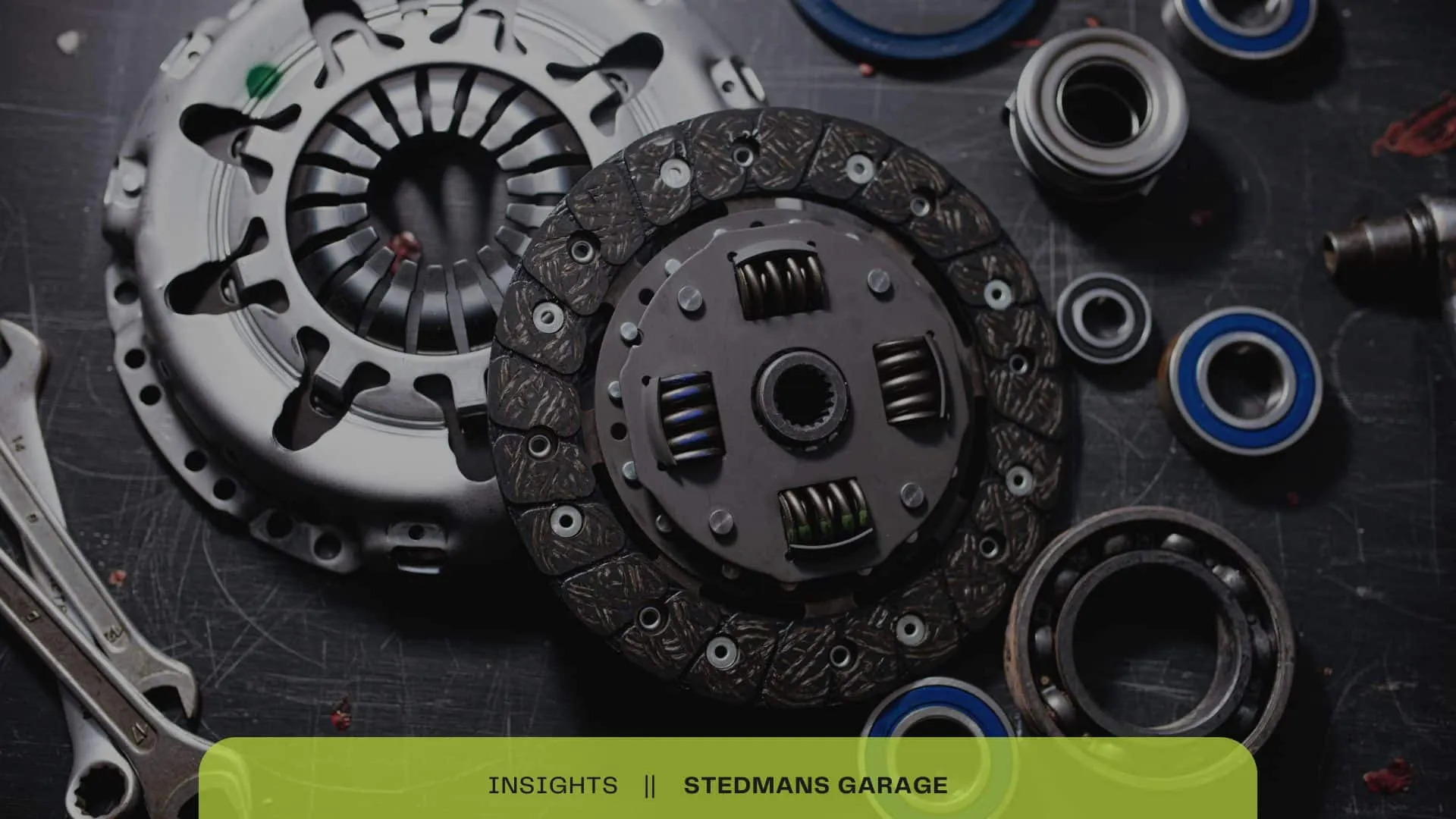
Because the DSG uses two clutches instead of one, clutch-related problems are among the most common faults, particularly on the DQ200 dry-clutch variant.
How the Dual Clutch Works
One clutch controls the odd-numbered gears (1st, 3rd, 5th, 7th) and the other handles the even-numbered gears (2nd, 4th, 6th). Both clutches work independently, with the gearbox constantly pre-selecting the next gear to enable those rapid shifts.
In the DQ200, these clutches operate without oil cooling. That means they generate more friction heat during engagement, and the clutch material wears down faster, especially in stop-start driving conditions.
Symptoms of Clutch Wear
- Juddering or shuddering during gear changes, particularly at low speeds
- Noticeable loss of power on acceleration
- Difficulty selecting or engaging gears
- PRNDS indicator flashing
- A general feeling that the car is struggling to put power down smoothly
DQ200 vs Wet Clutch Lifespan
DQ200 dry clutches can wear out surprisingly early. In urban driving with lots of stopping and starting, clutch replacement can be needed as early as 40,000 to 60,000 miles. For drivers who do mostly motorway miles, they may last longer, but the DQ200 clutch remains the weak point of this variant.
Wet-clutch versions (DQ250, DQ381, DQ500) benefit from constant oil cooling and lubrication. These clutch packs typically last 80,000 to 120,000 miles or more, and some owners report well over 150,000 miles with proper maintenance.
Protecting Your DSG Clutch
- Drive smoothly, especially from a standstill and at low speeds
- Do not creep in slow traffic with your foot resting on the brake, which keeps the clutch slipping. Leave a gap and move up in one go, and when you stop, use the handbrake (or Auto Hold, if fitted)
- Keep to the oil and filter change schedule for your gearbox (every 40,000 miles on the DQ250 and DQ500)
- Do not ignore early signs of juddering: clutch wear only gets worse, and leaving it too long can damage other components
It is also worth knowing that a clutch replacement is a very different job on a dry-clutch gearbox than on a wet-clutch one, so knowing which variant you have tells you a lot about what a repair would involve.
Dual Mass Flywheel Failure: Not the Gearbox, But It Sounds Like It
The dual mass flywheel (DMF) sits between the engine and the DSG and dampens the engine's torsional vibration before it reaches the clutches. It is not part of the gearbox, but when it fails it is routinely mistaken for a DSG fault, and a badly worn one can go on to damage the clutch and the gearbox housing.
Symptoms of a Failing Dual Mass Flywheel
- A loud metallic rattle from the engine bay at idle, most obvious in Neutral or Park and often worse when the engine is cold
- A shudder or quiver on start-up and shut-down that fades once the engine is running
- Vibration through the car under load that was not there before
- A clonk when the drive is taken up from a standstill
The rattle at idle is the tell. A DSG clutch or mechatronic fault shows up when the car is moving and shifting; a flywheel fault is loudest when it is not. Both are worth a proper diagnostic assessment rather than a guess, because the fix is very different.
Fluid Leaks and Their Impact
Transmission fluid is the lifeblood of a DSG gearbox. It serves three critical functions: lubricating the moving parts, cooling the clutches on the wet-clutch gearboxes, and providing the hydraulic pressure that the gearbox needs to shift gears.
When fluid levels drop, whether through a slow leak or simple neglect, the consequences can be serious.
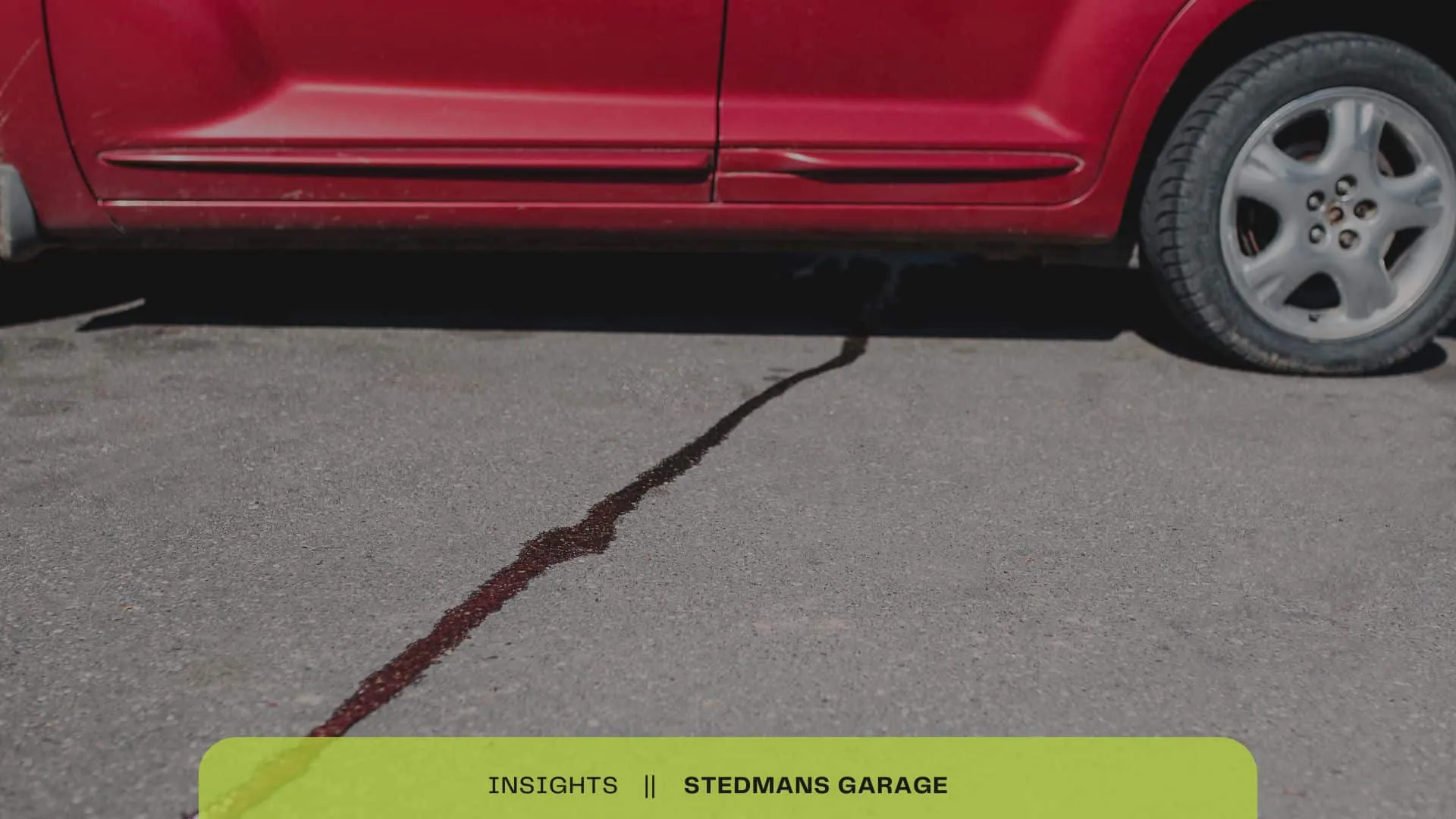
How to Spot a Transmission Fluid Leak
The easiest method is to place a piece of clean cardboard under the centre of your car overnight. In the morning, check for any wet patches. Gearbox oil is not easy to tell from engine oil by colour alone, so note where the drip sits: a patch under the gearbox rather than the engine sump is worth mentioning when you book.
Check around the gearbox casing, the connections to the cooler pipes, and the area around the mechatronic unit housing. Even a small weep can become a significant leak over time.
What Happens When Fluid is Low
- Rough or jerky shifting as hydraulic pressure drops
- Overheating as the cooling capacity is reduced
- Unusual whining or grinding noises from the transmission
- Jerky movements when pulling away or at low speed
- In severe cases, the gearbox may enter limp mode or refuse to engage gears altogether
Prevention
Ask for the gearbox to be checked for leaks at every service. Stick to the recommended fluid and filter change intervals, and address any leaks as soon as they are spotted. A small leak caught early is a straightforward fix. A gearbox that has been running on low fluid for months is a different story entirely.
Gear Selection and Engagement Problems
Problems with gear selection can range from mildly annoying to genuinely dangerous, depending on the severity. A gearbox that refuses to engage a gear while you are trying to pull onto a roundabout is not something you want to experience twice.
Faulty Gear Engagement
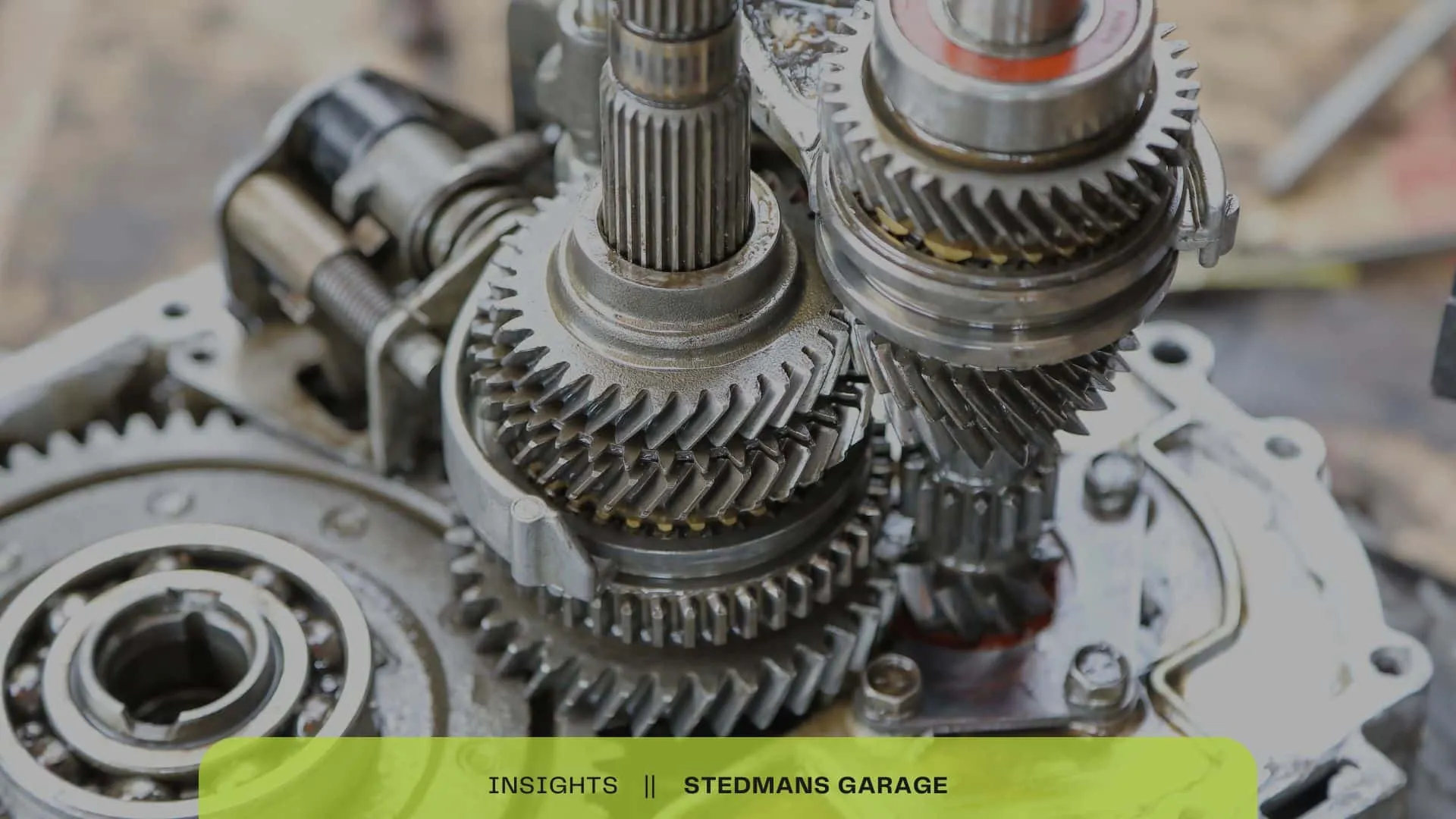
If the gearbox hesitates, refuses to go into gear, or gets stuck, the cause is usually electrical or hydraulic rather than mechanical. Faulty solenoid valves within the mechatronic unit are a common culprit, as are worn clutch plates that can no longer grip properly.
DQ200 Selector Fork Issues
The DQ200 has a known weakness with the internal selector forks. When these fail, you can lose reverse gear, 6th gear, or both. This is a mechanical failure inside the gearbox and requires the unit to be opened up for repair; it is not something that can be fixed with a software update.
Gear Slippage
If the engine revs rise but the car does not accelerate as expected, that is gear slippage. The most common causes are worn clutch plates, low transmission fluid, or faulty solenoid valves that are not directing hydraulic pressure correctly.
Grinding Noises
A grinding noise when shifting can indicate premature bearing wear, insufficient lubrication, or worn synchromesh components. Any grinding noise from the transmission should be investigated promptly, because it rarely gets better on its own.
Troubleshooting Approach
A proper diagnosis typically involves checking clutch plate condition via live data, measuring fluid level and condition, and running a full electronic diagnostic to check for stored fault codes in the mechatronic unit and associated sensors. This is specialist work that requires the right diagnostic equipment.
Overheating: A Silent DSG Killer
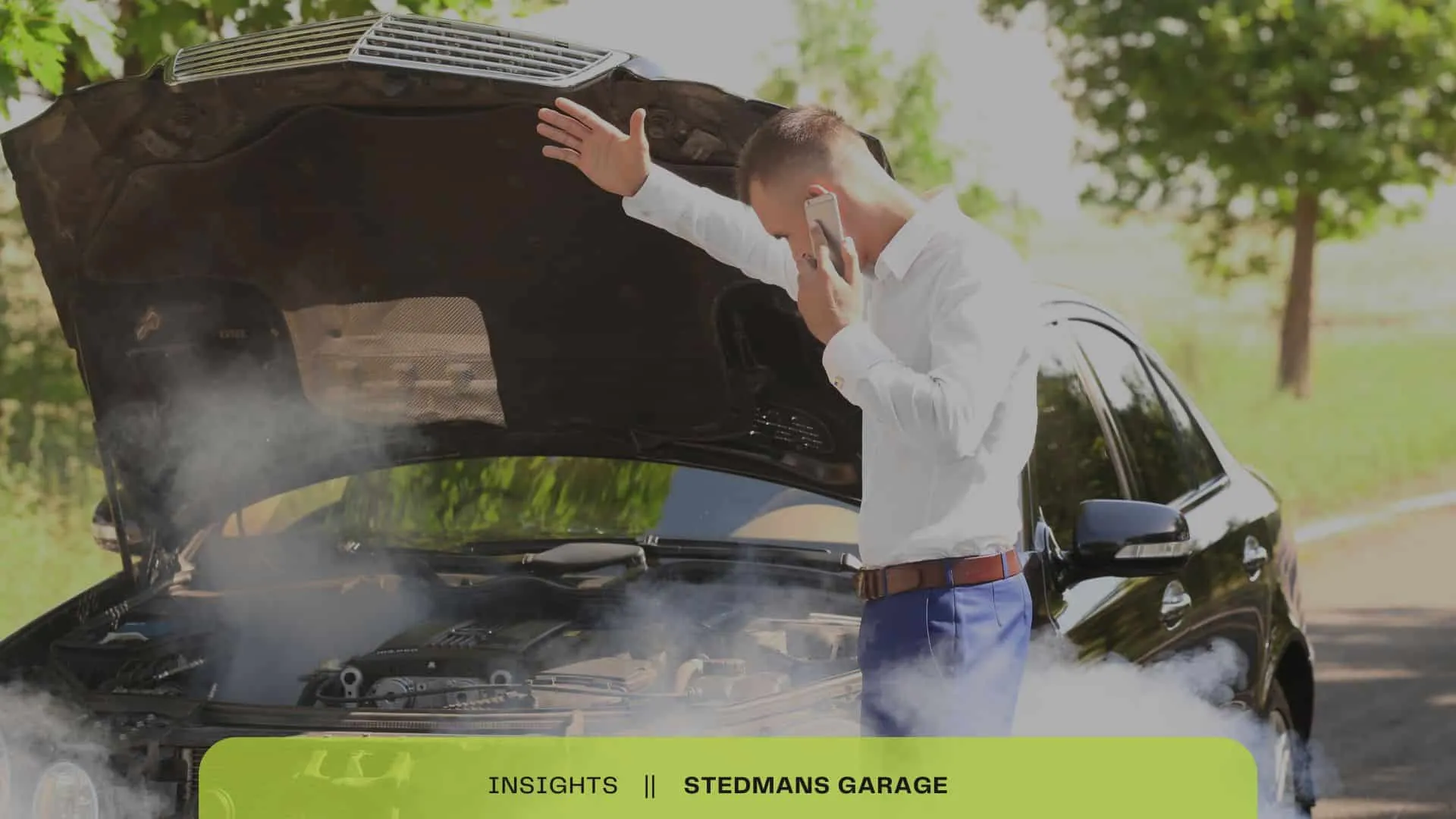
Overheating is one of the most damaging things that can happen to a DSG gearbox, and it often goes unnoticed until serious harm has already been done.
What Causes DSG Overheating?
- Low fluid levels: less fluid means less cooling capacity
- Cooling system problems: the wet-clutch gearboxes shed heat through an oil cooler connected to the engine cooling system, so a coolant fault or a leaking cooler lets the gearbox run hot
- Heavy traffic: prolonged low-speed driving with lots of clutch engagement generates significant heat
- Towing or heavy loads: particularly relevant for Transporter and Tiguan owners with the DQ500
- Aggressive driving: repeated hard launches or sustained high-speed driving
Symptoms of Overheating
- A burning smell, often described as hot oil or a chemical odour
- Erratic or unpredictable shifting behaviour
- Dashboard warning lights: typically the transmission temperature warning or general gearbox fault
- The gearbox dropping into limp mode to protect itself from further damage
What to Do if Your DSG Overheats
If you notice any of these signs, pull over safely and let the gearbox cool down. Do not continue driving with an overheating transmission, because the damage escalates rapidly. Once cooled, drive gently to a specialist for inspection. Do not assume the problem has gone away just because the warning light clears.
Prevention
Regular fluid changes keep the cooling working effectively, and a healthy engine cooling system matters too, because the wet-clutch gearboxes shed their heat through it. If you regularly tow or carry heavy loads, consider more frequent fluid changes than the standard interval.
One thing worth knowing: contrary to what many owners assume, cruising at motorway speed rarely overheats a DSG, because the clutches are fully engaged rather than slipping. The heat builds in slow, stop-start driving, in queues, and when creeping forward on the clutch.
Rough Shifting and Juddering
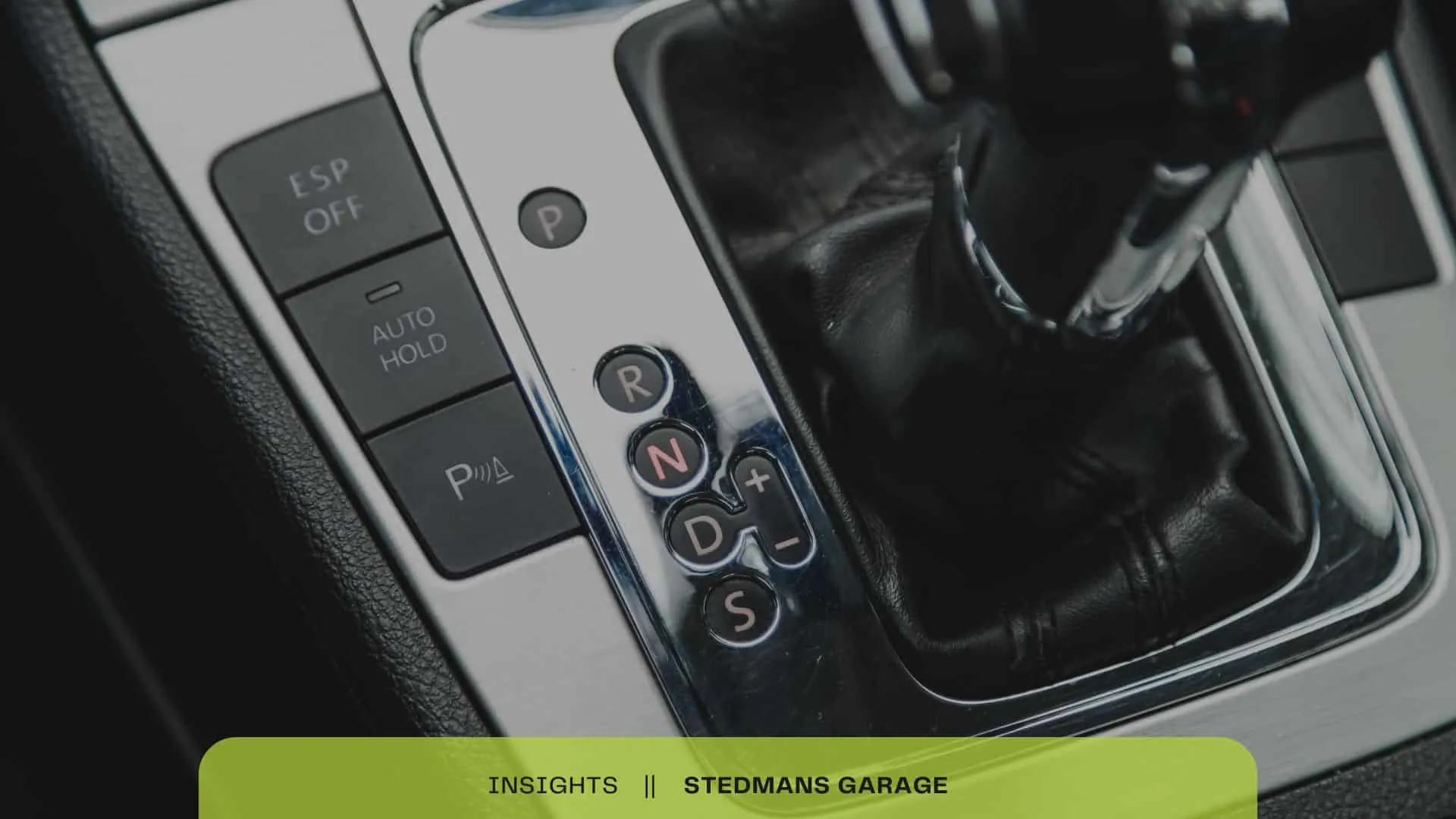
Rough shifting and juddering are probably the most commonly reported DSG complaints, and they cover a broad range of symptoms with several possible causes.
What Does It Feel Like?
- Jerky or abrupt gear changes, particularly between 1st and 2nd or 2nd and 3rd
- A noticeable delay before gears engage, especially when pulling away
- Vibration or shuddering felt through the drivetrain at low speeds
- A clunking sensation when the gearbox shifts under light throttle
Common Causes
- Low or contaminated fluid: old fluid loses its lubricating and hydraulic properties
- Faulty mechatronic unit: worn solenoids or internal valve body issues
- Worn clutch packs: particularly common on the DQ200 at low speeds
- Faulty solenoid valves: not directing hydraulic pressure accurately
- Sensor faults: the gearbox relies on speed, temperature and position sensors to time its shifts
DQ200 Low-Speed Juddering
This deserves a special mention because it is so common. If you own a car with the DQ200 and you experience a judder or shudder when pulling away slowly or in stop-start traffic, the most likely cause is clutch pack wear. In many cases, this means the clutch pack needs replacing.
Some owners describe it as the car feeling like it is about to stall, or like driving over a cattle grid at low speed. It tends to be worse when the gearbox is cold and may improve slightly once warmed up, but it does not go away on its own.
Troubleshooting Steps
- Check transmission fluid level and condition
- Run a full diagnostic scan for fault codes
- Inspect the mechatronic unit via live data
- Assess clutch pack wear through adaptation values
- Test solenoid valve operation
If you are experiencing any of these symptoms, it is worth getting a professional opinion before the problem worsens. Our VW and Audi specialists can run a full DSG diagnostic and give you a clear picture of what is going on.
Electric Motor and Pump Failure
On the dry-clutch DQ200, the mechatronic unit contains a small but critical electric motor that drives a high-pressure hydraulic pump. This pump operates independently of the engine speed, maintaining the hydraulic pressure that the gearbox needs to engage clutches and select gears. The wet-clutch gearboxes use a mechanically driven oil pump instead, so this failure belongs to the DQ200.
What Happens When It Fails?
When the electric motor or pump fails, the gearbox loses all hydraulic pressure. The result is dramatic:
- No drive in any gear: the engine runs but the car will not move
- The transmission will not shift at all
- PRNDS indicator flashes continuously
- A loud whining noise from the gearbox area, or complete silence where you would normally hear the pump working
Diagnosis
Diagnosing an electric motor or pump failure typically involves a visual inspection of the wiring and connectors, followed by live data analysis of the hydraulic pressure the pump is building.
Repair
This is a specialist repair that usually requires the electric motor to be replaced. The pump and motor are part of the mechatronic unit, so this is not a quick or cheap job, but it is generally less expensive than a full mechatronic or gearbox replacement.
DSG Warning Signs: Quick Reference Table
If you are not sure whether your DSG has a problem, use this table as a starting point. It is not a substitute for professional diagnosis, but it can help you understand the urgency of what you are experiencing.
| Warning Sign | Likely Cause | Urgency |
|---|---|---|
| PRNDS flashing on dashboard | Mechatronic failure or solenoid fault | High: stop driving and get diagnostics |
| Juddering at low speed | Clutch wear, especially on DQ200 | Medium: book an inspection soon |
| Grinding noise from transmission | Bearing wear or low fluid | Medium to High: do not ignore |
| No drive in any gear | Electric motor or pump failure | High: do not drive, arrange recovery |
| Delayed or hesitant shifts | Low fluid, worn clutch or sensor fault | Medium: book soon |
| Burning smell from under the car | Gearbox overheating | High: stop immediately and let cool |
| Limp mode (stuck in one gear) | Multiple possible causes | High: get diagnostics as soon as possible |
| Car stalls at junctions or low speed | Mechatronic fault or clutch failure | High: unsafe to drive, get checked |
If anything in the "High" urgency column applies to you, do not continue driving the car. Continuing to drive with a serious DSG fault can turn a repairable problem into a gearbox replacement.
Hesitation When Pulling Away: Fault or Normal DSG Behaviour?
One of the most common questions we hear from DSG owners is whether the slight pause when pulling away is something going wrong. Often it is not. A DSG has to take up drive on a clutch rather than through a torque converter, and it waits a moment after the brake is released before it engages. In an unpredictable situation, such as lifting off then accelerating again, the gearbox may also have pre-selected the wrong gear and needs a beat to change its mind. That short, consistent delay is how the gearbox is designed to behave.
What is not normal is hesitation that has changed. A delay that is getting longer, that comes with a judder or a lurch, that is worse when the gearbox is cold, or that arrives alongside a warning light or a flashing PRNDS display, is a symptom rather than a characteristic. On the DQ200 in particular, a growing hesitation and shudder when pulling away is the classic early sign of clutch wear. Golf Mk7 owners with a 1.5 TSI have a specific version of this covered in our guide to Golf Mk7 hesitation and jolting on light throttle.
Preventing DSG Problems: The Short Version
Most of the faults in this guide trace back to the same two things: gearbox oil that has been left in too long, and heat. Keeping on top of both is what our DSG maintenance guide is about. The essentials are these.
- Have the DSG oil and filter changed on schedule. Volkswagen specifies an oil and filter change for the wet-clutch gearboxes (DQ250 and DQ500) every 40,000 miles. The dry-clutch DQ200 has no scheduled gearbox oil change in Volkswagen's own schedule, but its mechatronic unit runs its own small supply of hydraulic oil, and many specialists recommend renewing it. Check the handbook for your gearbox rather than assuming.
- Drive smoothly, especially from cold. Avoid aggressive launches and sudden throttle inputs until the gearbox is up to temperature.
- Do not creep in traffic on the clutch. Leave a gap and move up in one go rather than inching forward with your foot resting on the brake, and when you stop, use the handbrake (or Auto Hold, if fitted).
- Keep the cooling system healthy. On the wet-clutch gearboxes the oil cooler is connected to the engine cooling system, so healthy coolant is part of what stops the gearbox overheating.
- Do not ignore warning lights. A transmission warning is never something to leave until next week.
- Use the correct oil. DSG gearboxes need a specific oil, and the specification differs between variants. The wrong one causes real problems.
A DSG oil service is a small job next to the repairs it prevents, and it can be combined with regular servicing to save on labour time.
What Does a DSG Repair Involve?
What a DSG repair costs depends far more on which component has failed than on anything else. At one end sit software updates and adaptation resets, which need diagnostic equipment and time but no parts. Next come oil and filter services and individual solenoid or sensor replacements. Clutch pack replacement is a bigger job, and it is a different job again on a dry-clutch DQ200 than on a wet-clutch gearbox. At the top end sit mechatronic unit repair or replacement and, where several things have failed at once, replacement of the whole gearbox.
The other big lever is how early the fault is caught. A sticking solenoid picked up early is a solenoid. Left until it has damaged the mechatronic unit, it is a mechatronic unit. For a component-by-component breakdown of what each repair involves and what drives the cost, read our detailed guide: DSG Gearbox Repairs: What Fails, How It Is Fixed and What Affects the Cost.
When to Seek Professional Help
Knowing when to take your car in can save you a significant amount of money. Here are the situations where you should not wait:
- Sudden loss of power while driving: this is a safety issue
- PRNDS flashing or any transmission warning light that stays on
- Loud or unusual noises from the gearbox: grinding, whining or clunking
- Persistent limp mode: the gearbox is protecting itself, and there is a reason for it
- Any of the "High" urgency signs from the warning table above
Choosing the Right Specialist
Not every garage has the experience or equipment to work on DSG transmissions properly. When choosing where to take your car, look for:
- Specific experience with DSG gearboxes: ask directly
- Proper manufacturer-level diagnostic tools (not just a generic code reader)
- Good customer reviews, particularly from other VW and Audi owners
- Willingness to explain the problem and the options clearly
Why Choose an Independent Specialist Over a Main Dealer?
Main dealers tend to quote for complete unit replacement where a specialist may be able to repair the individual component that has failed. An experienced independent VW specialist can provide the same quality of diagnosis, using the same manufacturer-level diagnostic tools, and will talk you through the options rather than default to the biggest job.
At Stedmans Garage in Worthing, Volkswagen and Audi are what we specialise in. We have the diagnostic equipment needed to properly assess DSG faults, and we will always give you an honest assessment of what your gearbox needs, whether that is a simple software update or a more involved repair.
Buying or Selling a Volkswagen with a DSG: What to Check
A DSG with a fault is one of the more expensive things to inherit with a used car, and a well-documented one is a genuine selling point. A few checks tell you most of what you need to know.
If You Are Buying
- Find out which DSG variant the car has. A dry-clutch DQ200 deserves closer scrutiny than a wet-clutch gearbox.
- Test drive it from a cold start. Watch for a delay when engaging Drive or Reverse, listen for a rattle at idle, and pay attention to how it takes up drive and changes gear at low speed.
- Look for evidence of DSG oil changes in the service history on a wet-clutch car. A gap where one should be is a reason to negotiate or walk away.
- Ask whether the gearbox has ever had a clutch, mechatronic unit or software update, and whether there is paperwork for it.
If You Are Selling
A documented history of DSG oil changes, and receipts for any gearbox work, reassure a buyer that the most expensive component on the car has been looked after. Fixing a known fault before sale is usually better than pricing it in, because buyers price a DSG fault at the worst case.
Frequently Asked Questions
What are the most common Volkswagen DSG problems?
The faults we see most often are clutch wear on the dry-clutch DQ200 (felt as juddering when pulling away), mechatronic unit faults (harsh shifts, a flashing PRNDS display, limp mode), oil leaks and low oil level, overheating in slow traffic, and on the DQ200 a selector fork failure that takes out reverse or sixth gear. Which one you are likely to see depends heavily on which DSG variant your car has.
What does a flashing PRNDS light mean on a Volkswagen?
A flashing PRNDS display means the gearbox has detected a fault and has put itself into a protective mode. The usual causes are a mechatronic unit or solenoid fault, a clutch that has worn beyond its adaptation limits, or a sensor fault. It is not safe to assume it will clear on its own. Have the fault codes read before driving any distance, because continuing to drive can turn a repairable fault into a much bigger one.
Why does my DSG judder when pulling away?
On a dry-clutch DQ200 gearbox, a judder or shudder when pulling away slowly or creeping in traffic is the classic sign of clutch pack wear. It tends to be worse when the gearbox is cold and can improve slightly once warm, but it does not go away on its own. On a wet-clutch gearbox the same symptom more often points to the oil or the mechatronic unit. A diagnostic check of the clutch adaptation values will tell you which.
Is a slight delay when pulling away normal on a DSG?
A short, consistent pause after you release the brake is normal DSG behaviour. The gearbox takes up drive on a clutch rather than through a torque converter, and it waits a moment before engaging. A delay that is getting longer, that comes with a judder or a lurch, or that arrives with a warning light is a symptom and should be checked.
Which Volkswagen DSG gearbox is the most reliable?
The wet-clutch gearboxes (the DQ250, DQ381 and DQ500) are significantly more reliable than the dry-clutch DQ200, because their clutches run in oil and stay cool. The DQ200 is fitted to the smaller-engined cars (1.0, 1.2, 1.4 and 1.5 TSI) and is the variant most prone to clutch wear and mechatronic faults. If you are buying a used Volkswagen with a DSG, it is worth finding out which gearbox it has.
Can Stedmans Garage diagnose DSG faults on a Volkswagen?
Yes. Stedmans Garage in Worthing specialises in Volkswagen and Audi and has the manufacturer-level diagnostic equipment needed to read DSG fault codes, check clutch adaptation values and assess the mechatronic unit. We will tell you what has actually failed and what the options are before any work begins.
Conclusion
The DSG gearbox is a brilliant piece of engineering that, when properly maintained, provides years of smooth and efficient driving. The problems described in this guide are real and common, but they are also largely preventable with the right care.
Here is what to remember:
- Know your variant. The DQ200 dry-clutch needs more attention than wet-clutch versions. If you have one, be proactive about maintenance.
- Keep to the oil change schedule. On the DQ250 and DQ500 that is every 40,000 miles; check the schedule for your car.
- Do not ignore the warning signs. Juddering, harsh shifts, warning lights and unusual noises are your gearbox telling you something is wrong. Early diagnosis almost always means a smaller repair.
- Choose a specialist. DSG work requires specific knowledge and equipment. A general garage with a generic code reader is not enough.
If you are experiencing any DSG problems, or if your gearbox is due a service, we are here to help.
Book your DSG inspection or service online or call us on 01903 691666. Stedmans Garage is Worthing's VW and Audi specialist, and we will give you a straight answer on what your gearbox needs.