
Introduction
The VW Golf MK7, particularly the 1.5 TSI variant, is renowned for its blend of performance, efficiency, and driving enjoyment. However, a growing number of owners are reporting issues with hesitation and jolting during light throttle applications. These performance anomalies can be frustrating, affecting not only the driving experience but also overall vehicle reliability. In this comprehensive guide, we aim to equip VW Golf owners, car enthusiasts, and automotive professionals with the necessary knowledge to diagnose and resolve these issues effectively.
If you are weighing up the Golf more generally rather than chasing a fault, our Volkswagen Golf model overview covers the range, the engine options and the known weak points across the generations.
In this blog post, we will explore what hesitation and jolting are, delve into their common causes, and provide step-by-step diagnostic methods. Furthermore, we will discuss practical solutions and preventative maintenance tips to ensure the longevity and performance of your VW Golf MK7 1.5 TSI. By the end of this article, readers will have a clearer understanding of how to tackle these issues head-on.
Understanding Hesitation and Jolting in the VW Golf MK7 (1.5 TSI)
Defining Hesitation and Jolting
Hesitation refers to a lag in acceleration, where the engine seems to momentarily lose power when the throttle is applied. This can occur during light throttle applications, leading to a feeling of uncertainty and unreliability. Jolting is characterised by sudden, jerky movements of the vehicle, often caused by abrupt changes in power delivery. Both issues can significantly detract from the smooth driving experience that VW Golf owners expect.
How These Issues Manifest
When driving a VW Golf MK7 1.5 TSI, hesitation may manifest as the car feeling like it is holding back when you gently press the accelerator. You might notice the engine revving without a corresponding increase in speed or a momentary power loss followed by a sudden surge. Jolting can feel like the car is stuttering or bucking, particularly at low speeds or when trying to maintain a constant speed. These symptoms can lead to a frustrating and potentially unsafe driving experience.
Common Causes of Hesitation and Jolting on Light Throttle
Throttle Response Issues
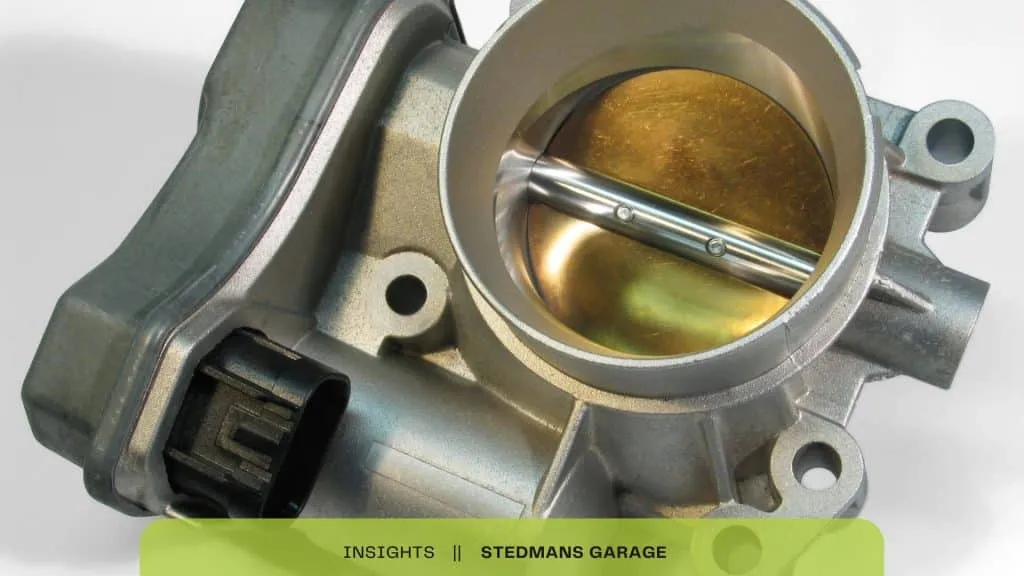
Throttle response is integral to how a vehicle accelerates and maintains speed. In the VW Golf MK7 1.5 TSI, problems with throttle response can lead to noticeable hesitation. When you apply light throttle, the engine control unit (ECU) must accurately interpret your input and adjust the throttle position accordingly. If there’s a fault in the throttle body or its sensors, this communication can become disrupted.
Symptoms of Throttle Response Issues
- Delayed acceleration: The car may take longer than expected to respond when you press the accelerator pedal.
- Inconsistent power delivery: The engine may feel like it is surging or hesitating intermittently.
Fuel Injection System Problems
The fuel injection system plays a critical role in delivering the right amount of fuel to the engine. If there are problems within this system, such as clogged fuel injectors or fuel pump issues, the engine may not receive the appropriate fuel mixture, leading to poor performance.
Practical Scenarios
- If you notice a rough idle or stalling, it may indicate fuel delivery issues.
- An erratic engine performance when accelerating can suggest that the fuel injectors are not functioning correctly.
Ignition System Faults
The ignition system is responsible for igniting the air-fuel mixture in the combustion chamber. If there are faults in ignition timing or components, such as spark plugs or ignition coils, it can lead to hesitation and jolting.
Typical Signs of Ignition-Related Issues
- Misfires: You may feel a sudden loss of power or jerking sensation during acceleration.
- Poor fuel economy: An inefficient ignition system can cause a decrease in fuel efficiency.
Diagnosing the Problem
Diagnosing hesitation and jolting issues in the VW Golf MK7 1.5 TSI requires a systematic approach. Below is a step-by-step guide to help you identify the root cause.
Step 1: Use Diagnostic Tools
Start by using an OBD-II scanner to check for any fault codes. Many issues related to the throttle, fuel system, or ignition will trigger a diagnostic trouble code (DTC) that can provide valuable insights into the problem.
Step 2: Inspect the Throttle Body
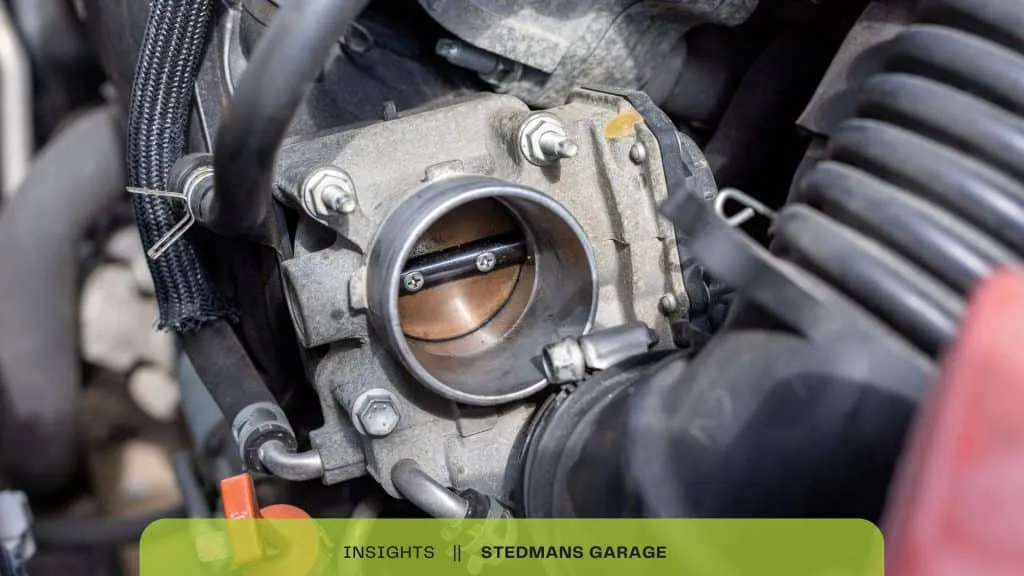
Physically inspect the throttle body for signs of dirt, grime, or carbon build-up. A dirty throttle body can restrict airflow and disrupt throttle response.
Step 3: Test Fuel Pressure
Using a fuel pressure gauge, test the fuel system to ensure it is delivering the correct pressure. Low fuel pressure can lead to hesitation, while excessively high pressure can cause flooding.
Step 4: Check Ignition Components
Inspect spark plugs and ignition coils for wear and damage. Replace any components that show signs of degradation, as these can contribute to misfires and poor performance.
Step 5: Perform a Road Test
After performing the above checks, take the vehicle for a road test. Pay attention to how the car responds to light throttle inputs and whether the hesitation or jolting persists.
Solutions and Repairs for VW Golf MK7 (1.5 TSI)
Resolving hesitation and jolting issues often involves repairing or replacing faulty components. Below are practical solutions tailored for the VW Golf MK7 1.5 TSI.
Throttle Body Cleaning or Replacement
Maintaining the throttle body is essential for optimal performance. If cleaning does not resolve the issue, a replacement may be necessary. Here’s how to clean or replace the throttle body:
Cleaning Steps:
- Remove the air intake duct to access the throttle body.
- Use throttle body cleaner and a soft cloth to carefully clean the interior surfaces.
- Reassemble the components and reset the ECU.
Replacement Steps:
- Disconnect the battery.
- Remove the throttle body by unscrewing the mounting bolts.
- Install the new throttle body and reconnect all electrical connectors.
Fuel System Cleaning and Repairs
If fuel injection issues are suspected, consider cleaning the fuel system. This can often resolve performance problems:
Cleaning Methods:
- Fuel Additives: Use a quality fuel system cleaner that can be added to the tank.
- Professional Cleaning: Consider a professional fuel system cleaning service, which can include cleaning the injectors directly.
Replacement Parts:
If cleaning does not resolve the issue, you may need to replace faulty fuel injectors or the fuel pump.
Ignition System Replacement
If ignition issues are identified, timely replacement of worn components is crucial to restore performance.
Replacement Steps:
- Remove the engine cover (if applicable) to access the ignition coils.
- Replace spark plugs, ensuring they are properly gapped for the 1.5 TSI engine.
- If necessary, replace ignition coils to ensure consistent spark delivery.
Preventative Maintenance Tips
To prevent hesitation and jolting issues in the future, consider the following preventative maintenance tips tailored for VW Golf MK7 owners:
- Regular Servicing: Schedule regular service intervals according to the manufacturer’s recommendations. Maintain a log of services performed to track component replacements.
- Use Quality Fuel: Opt for high-quality fuel from reputable suppliers to ensure optimal combustion and engine performance. Avoid using low-quality fuels that may contain contaminants.
- Keep the Engine Clean: Regularly clean the engine bay and components to prevent dirt and grime build-up, which can affect performance. Inspect and clean air filters regularly to ensure proper airflow to the engine.
Actionable Tips Section
For VW Golf owners experiencing hesitation and jolting issues, here are actionable steps to take:
- Check for Fault Codes: Use an OBD-II scanner to identify any DTCs. Document the codes for further analysis.
- Inspect the Throttle Body: Remove and clean the throttle body using an appropriate cleaner. Reassemble and test the vehicle.
- Fuel System Maintenance: Add a fuel system cleaner to your next tank of fuel. If problems persist, consider a professional cleaning.
- Ignition Component Inspection: Check spark plugs and coils for wear. Replace any that show signs of degradation.
- Consult a Professional: If DIY methods do not resolve the issues, seek assistance from a qualified mechanic familiar with VW vehicles.
Frequently Asked Questions
Why does my VW Golf Mk7 1.5 TSI hesitate or jolt on light throttle?
Three causes account for most cases: a throttle body or throttle sensor fault that disrupts how the ECU reads your pedal input, a fuel delivery problem such as clogged injectors or a weak fuel pump, and an ignition fault such as worn spark plugs or a failing coil. They show up most clearly on light throttle, where small errors in fuelling and timing are easiest to feel.
What is the difference between hesitation and jolting?
Hesitation is a lag: the engine seems to lose power for a moment when you apply the throttle, and the revs can rise without the car gaining speed. Jolting is the sudden, jerky movement that comes from abrupt changes in power delivery, often felt as stuttering or bucking at low speed. They frequently appear together because the same faults cause both.
Will the fault always show up as a warning light?
Not necessarily, but many throttle, fuel and ignition faults do store a diagnostic trouble code. That is why an OBD-II scan is the first step: the code narrows down which system to test rather than leaving you guessing between three.
How is the cause diagnosed?
Systematically, and in order: scan for fault codes, inspect the throttle body for dirt and carbon build-up, test fuel pressure, check the ignition components, then road test to confirm the symptom has gone. Working through it in that sequence is what stops parts being replaced on guesswork.
Can cleaning the throttle body fix it?
Often, yes. Carbon and dirt build-up on the throttle body is a common cause and cleaning it can restore normal response. Where the throttle body or its sensor has actually failed rather than fouled, cleaning will not hold and the unit needs replacing.
Can Stedmans Garage diagnose a Golf Mk7 hesitation fault?
Yes. We are a VW and Audi specialist in Worthing and diagnose driveability faults on the 1.5 TSI, working from a fault-code scan and live data rather than replacing parts speculatively. On this engine the same symptom can come from the throttle, the fuel side or the ignition side, so establishing which one is at fault is the job.
Conclusion
Hesitation and jolting issues in the VW Golf MK7 (1.5 TSI) can be a source of frustration for many owners. However, by understanding the underlying causes and following the diagnostic and repair steps outlined in this guide, you can effectively address these issues. Timely intervention is crucial for maintaining optimal vehicle performance and ensuring a smooth driving experience.
If you're experiencing hesitation or jolting in your VW Golf, start by diagnosing the problem today. Taking proactive steps now can save you time and money down the road, keeping your vehicle in peak condition for years to come.