
P0299 Fault Code: Turbocharger Underboost (Low Boost)
A P0299 fault code means the turbocharger has failed to reach the boost pressure the engine ECU was expecting, known as an underboost condition. VAG records it as boost pressure regulation, control range not reached. It usually points to a boost leak, a sticking wastegate or actuator, or a tired turbo, and the car will often drop into limp mode with reduced power.
What does a P0299 fault code mean?
Meaning and definition
VAG records this code as 16683/P0299/000665, Boost Pressure Regulation: Control Range Not Reached. In plain terms, the turbocharger is meant to raise the pressure in the inlet to a target the ECU sets for the conditions, and P0299 is stored when the measured pressure stays below that target. Because the whole boost system has to hold pressure, the fault can sit anywhere between the turbo and the inlet manifold.
The ECU works out the target boost from engine load, speed and temperature, then controls the turbo to reach it. When the boost sensor or manifold pressure sensor reports a value that is consistently too low for the demand, the ECU logs an underboost condition, turns on the engine warning light, and usually limits power to protect the engine.
How the ECU detects the code
The ECU constantly compares the boost it is asking for against the boost actually measured. If the real pressure falls short of the target by more than a set margin for long enough, it sets P0299. This is why the fault tends to show up under load, when the engine is calling for full boost and a leak or a lazy wastegate cannot keep up.
Which VAG engines are most affected
P0299 can appear on almost any turbocharged Volkswagen specialists and Audi specialists model, across both the TSI and TFSI petrol engines and the TDI diesels. Petrol engines are prone to wastegate and boost-valve faults, while diesels often log it from boost leaks, sticking turbo vane mechanisms or vacuum line problems. It is one of the more common turbo-related codes we see.
What are the symptoms of a P0299 code?
Reduced power and limp mode
The clearest symptom is a sudden loss of power, often with the car dropping into limp mode so it will not rev or accelerate properly. This is the ECU protecting the engine once it sees the boost is wrong. Power usually returns after a restart, only for the fault to come back as soon as the engine is asked to pull hard again.
Engine warning light and poor acceleration
The engine warning light comes on with the code, and the car feels flat and slow to respond, particularly up hills, when overtaking or under a heavy load. Fuel economy can drop as the engine works harder for less.
Whistles, hisses and leaks
Where the cause is a boost leak, you may hear a whistle or hiss under acceleration as pressurised air escapes from a split pipe or loose clamp. Not every leak is audible, but it is a useful clue that points to the boost pipework rather than the turbo itself.
What causes a P0299 code?
Boost leaks in pipes, hoses and clamps
The single most common cause is a boost leak. Intercooler pipes, hoses and clamps work hard under pressure and heat, and a split, perished or loose joint lets boost escape before it reaches the engine. This is usually the first thing to check because it is common and relatively cheap to put right.
Wastegate, actuator and boost control faults
A sticking or seized wastegate, a worn turbo actuator, or a faulty boost control valve can all stop the turbo building the boost the ECU wants. On some petrol engines a cracked N249 valve diaphragm is a known cause. These faults need testing rather than guessing, as the symptoms overlap with a simple leak.
Turbo wear and exhaust restrictions
A worn turbocharger that no longer spins up properly will cause underboost, as will anything that restricts the exhaust, such as a heavily blocked DPF on a diesel. On diesels, vacuum leaks in the lines that control the turbo can also be to blame. A proper diagnosis separates a tired turbo from the cheaper causes before any major parts are bought.
How is a P0299 code diagnosed?
Reading the code and live data
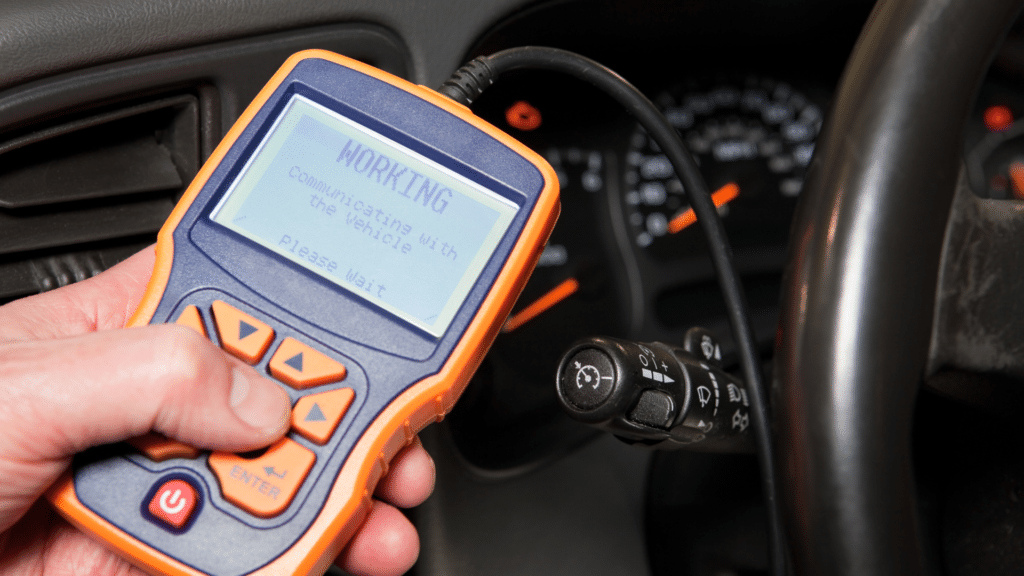
We start by reading the code and freeze frame data with dealer level equipment, then watch the requested and actual boost in live data while the engine is under load. Seeing exactly where the real boost falls away from the target tells us a great deal about whether we are chasing a leak, a wastegate fault or a tired turbo. This is part of our car diagnostics in Worthing.
Pressure-testing the boost system
The most reliable way to find a boost leak is to pressurise the inlet system and check for escaping air. This finds split pipes, perished hoses and loose clamps quickly, and rules the pipework in or out before we look further. It is a far more accurate approach than replacing parts on a hunch.
Checking the wastegate, turbo and exhaust
If the pipework holds pressure, we test the wastegate and actuator movement, the boost control valve, and the turbo itself, and check for any exhaust restriction such as a blocked DPF. On diesels we also inspect the vacuum control lines. This step confirms the real cause so the right repair is done once.
How do you fix a P0299 code?
Repairing boost leaks
Where the fault is a leak, the answer is usually to replace the split pipe or hose and renew any tired clamps so the system holds full pressure again. This is often the quickest and most cost-effective fix, and it is checked by re-testing the system afterwards.
Wastegate, actuator and turbo repairs
If the wastegate, actuator, boost control valve or turbocharger is at fault, the affected part is repaired or replaced and the boost control is checked through its full range. Our car repairs team carries out the work once the diagnosis confirms exactly what has failed.
Clearing the code and road testing
Once the repair is complete we clear the code and road test under load to confirm the boost now reaches its target and the warning light stays off. Pairing the repair with regular servicing and timely DPF care helps keep the boost system healthy afterwards.
Can you drive with a P0299 code?
You can usually drive a short distance, but it is not wise to keep using the car on it. The engine will likely be in limp mode, and running a turbo with an unresolved boost fault risks further damage. With the engine warning light on the car will also fail its MOT, so the sensible move is to have the boost system checked promptly. Related faults worth ruling out include the P2015 intake manifold flap fault and the P0401 EGR flow fault.
How to prevent P0299 coming back
Regular servicing and inspections
Keeping to the service schedule, using the correct oil, and having the boost pipework and clamps checked during routine work all help catch a leak before it sets a code. On diesels, keeping the DPF healthy with regular longer runs reduces the chance of an exhaust restriction.
Acting early on power loss
A small boost leak often starts as a slight flat spot before it grows into a limp-mode fault. Acting on the first signs of lost power usually means a cheaper repair than waiting until the car will barely move. For the full set of related codes, see our full VAG fault-code library and the VW and Audi error-code resource.
Frequently Asked Questions about P0299
P0299 means the engine ECU has detected an underboost condition: the turbocharger has not produced as much boost pressure as the ECU was expecting. In VCDS it shows as 16683/P0299/000665, Boost Pressure Regulation: Control Range Not Reached. The actual pressure measured in the inlet is lower than the target, so the ECU stores the code and warns the driver.
Seeing P0299 on your VW or Audi?
A stored code tells you where to look, not what has failed. Our technicians read the live data, confirm the real cause and quote before any work begins - so you are not paying for guesswork.
Get the code read properly
Main-dealer-level diagnostics in Worthing, from the longest running garage in town. Call the workshop or book online in under a minute.