
P0700 Fault Code: Transmission Control System (MIL Request)
A P0700 fault code is the transmission control module telling the engine ECU to switch on the warning light. It never appears on its own: it is always logged alongside a more specific transmission sub-code, such as a P073x, P074x or DSG P17xx. The real fault is whatever that sub-code points to.
What does a P0700 code mean?
Definition and Basic Explanation of the P0700 VAG Fault Code
The P0700 fault code signifies a general malfunction within the vehicle’s transmission control system. When this code appears, it indicates that the Transmission Control Module (TCM) has detected an issue that requires attention. This code specifically highlights that the vehicle’s onboard diagnostics system has traced an abnormal condition within the transmission’s electronic control system, which disrupts its normal operation. As such, the presence of the P0700 code should not be ignored as it often points to potential issues that can affect the drivability and reliability of the vehicle.
Role of the Transmission Control Module (TCM) in Vehicle Operation
The Transmission Control Module (TCM) plays a critical role in modern vehicles’ operation. It is an electronic component that governs the automatic transmission, ensuring optimal performance and smooth gear shifting according to various vehicle conditions and driver inputs. The TCM constantly monitors data from a network of sensors, such as those detecting vehicle speed, throttle position, and engine output. This data is analysed to make real-time adjustments to gear selection, transmission fluid pressure, and shifting schedules. When the TCM encounters inconsistencies or anomalies, it stores specific diagnostic trouble codes like P0700 to alert drivers and technicians of underlying issues needing attention.
Why This Code is Considered a Generic Diagnostic Trouble Code
The P0700 code is considered a generic diagnostic trouble code (DTC), meaning it is applicable across all vehicle makes and models equipped with OBD-II systems, which include almost all cars manufactured after 1996. This universality stems from the standardisation under the OBD-II protocol, designed to streamline vehicle diagnostics and regulatory compliance. Hence, when a P0700 code emerges, it carries the same fundamental meaning: a malfunction in the transmission control system has been detected. What differentiates the diagnosis are the specific conditions and additional codes stored alongside P0700, which help detail the exact nature of the malfunction.
Understanding the nuances of the P0700 VAG code lays the groundwork for comprehending the broader implications and subsequent symptoms, such as the activation of warning lights and experiences in vehicle performance. This holistic awareness is pivotal for effective diagnostics and timely remedies to prevent further complications with the transmission system.
What are the symptoms of a P0700 code?
The P0700 VAG code indicates a problem in the vehicle’s transmission control system. Recognising its symptoms can help diagnose the underlying issues early. The most evident and initial signs are often the illumination of the Check Engine Light and specific transmission warning lamps. These indicators suggest that the vehicle’s onboard diagnostics system has detected an issue needing attention.
Visible Indicators
When the P0700 code is triggered, the first notifier is usually the Check Engine Light (CEL) on the dashboard, indicating that the vehicle’s engine control unit (ECU) has detected a problem within the transmission system. Alongside the CEL, a transmission warning light may also be illuminated, alerting to a potential fault specifically within the transmission control module (TCM).
Performance Issues
A malfunctioning TCM can lead to various performance problems. Common issues include:
- Rough Shifting: The vehicle may experience rough or irregular gear shifts. Drivers may notice a jerking motion while changing gears, indicating that the transmission is not operating smoothly.
- Transmission Slipping: This is when the transmission unexpectedly shifts out of gear or struggles to stay in gear, severely affecting the driving experience.
- Poor Fuel Economy: Faulty transmission performance often leads to decreased fuel efficiency as the engine struggles to maintain optimal power delivery.
Failsafe Mode Activation
One significant reaction to a detected transmission fault is the activation of the vehicle’s failsafe or “limp” mode. The transmission control system initiates this state to prevent further damage to the transmission. In limp mode, the vehicle is limited to a single gear to reduce stress on the transmission components. This mode minimises the speed and power of the vehicle, ensuring basic mobility while mitigating the risk of serious damage.
Understanding these symptoms helps in promptly addressing the P0700 VAG code issues, ensuring the transmission system’s longevity and the vehicle’s overall performance.
What causes a P0700 code?
Understanding the various causes of the P0700 VAG code is crucial for diagnosing and resolving transmission control system issues. This chapter delves into the primary causes, which can be broadly classified into mechanical issues, electrical problems, and transmission fluid-related causes.
Mechanical Issues
Mechanical problems within the transmission system are frequent contributors to the P0700 VAG code. Key mechanical issues include:
- Failing Solenoids: Shift solenoids are critical for proper gear shifting within automatic transmissions. A defective shift solenoid can obstruct the transmission fluid flow, causing improper gear changes and triggering the P0700 code. Symptoms commonly include erratic shifting, transmission slips, and harsh transitions between gears.
- Worn Valve Bodies: The valve body serves as the transmission’s control centre, directing hydraulic fluid to the appropriate clutch pack. Wear and tear or debris can clog the valve body’s passages, leading to shift timing issues and degraded transmission performance. If the valve body is compromised, the transmission may exhibit shifting delays or failure to shift altogether.
Electrical Problems
Electrical issues represent another significant cause of the P0700 VAG code. These issues are often related to defective wiring and poor connections:
- Damaged Wiring: The Transmission Control Module (TCM) communicates with various sensors and actuators through an extensive network of wiring. Faulty wires can result from wear, corrosion, or physical damage, leading to open or short circuits. Damaged wiring disrupts the TCM’s ability to control the transmission effectively, which can manifest as unexpected gear shifts or complete transmission failure.
- Faulty Connections: Loose or corroded electrical connections between the TCM and other transmission components can impede signal transmission. This may cause intermittent transmission behaviour and trigger warning lights on the dashboard.
Transmission Fluid-Related Causes
The condition and level of the transmission fluid play a pivotal role in the transmission’s operation and can also be a source of the P0700 VAG code:
Addressing the underlying causes of the P0700 VAG code is vital to maintain the transmission’s health and overall vehicle performance. Keep in mind that resolving these issues may require both basic and advanced diagnostic steps to ensure accurate identification and effective repair.
- Low Transmission Fluid: Proper transmission operation relies on sufficient fluid levels to facilitate gear engagements and lubrication. Low fluid levels can result from leaks, inadequate maintenance, or prolonged periods between fluid changes. The TCM may detect low fluid levels and trigger the P0700 code to alert the driver.
- Contaminated Transmission Fluid: Over time, transmission fluid can become contaminated with debris, metal shavings, or other foreign particles, leading to reduced fluid quality. Contaminants can clog fluid passages, restrict fluid flow, and cause the transmission to operate inefficiently. Regular fluid checks and timely changes are essential to prevent contamination-related issues.
How is a P0700 code diagnosed?
Importance of Scanning for Additional Transmission-Related Codes
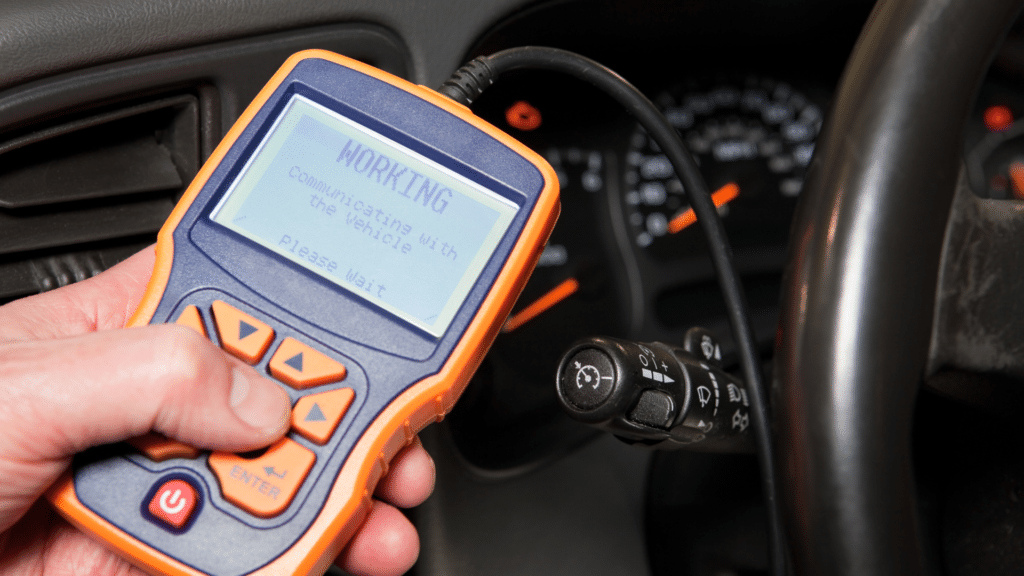
When tackling a P0700 VAG fault code, the first critical step is to scan for additional transmission-related codes. The P0700 code itself is a generic indication of a transmission issue, often accompanied by more specific codes that can narrow down the exact problem. Without scanning for these secondary codes, you may miss key details necessary for an accurate diagnosis.
Using a Transmission Control Module (TCM) compatible scan tool, retrieving all present codes is imperative. These specific codes will guide you towards the exact issue within the transmission system, such as solenoid failures or sensor malfunctions. Hence, this initial scanning step sets the stage for a systematic and accurate diagnostic process.
Basic Visual Inspection of Transmission Components and Connections
Once additional codes are identified, a basic visual inspection of the transmission components and connections is the next step. This involves looking for any obvious physical damage or signs of wear. Key elements to inspect include the transmission housing, pan gasket, and the condition of visible wiring and connectors.
During the visual inspection:
- Check for Fluid Leaks: Look for any transmission fluid leaks. Leaking fluid can indicate issues with seals or gaskets and can contribute to transmission faults.
- Inspect Wiring and Connectors: Examine the condition of the wiring for signs of wear, such as frayed wires or damaged connectors. Faulty wiring can lead to intermittent electrical issues affecting transmission performance.
- Assess Transmission Housing and Components: Look for cracks, corrosion, or any other physical damage on the transmission housing and related components. Such damage can directly impair transmission function.
Checking Transmission Fluid Level and Condition
Transmission fluid plays a pivotal role in the operation and health of the transmission system. The P0700 fault code can often be linked to issues like low or contaminated fluid. Hence, checking the fluid level and condition is essential in the initial diagnostic steps.
Not just the level, but the condition of the transmission fluid is equally important:
Addressing anomalies in fluid level or condition can often rectify minor issues associated with the P0700 code. Carefully completing these initial diagnostic steps will pave the way for more advanced diagnostic procedures and eventual repairs, ensuring your vehicle’s transmission returns to optimal functionality.
- Locate the Dipstick: Depending on your vehicle, locating the transmission dipstick can vary. Reference your vehicle’s manual if needed.
- Engine Running: Most vehicles require the engine to be running and at normal operating temperature to get an accurate fluid level reading. Ensure the vehicle is on a level surface and in park or neutral.
- Check the Fluid Level: Remove the dipstick, wipe it clean, reinsert it fully, and then pull it out again. The fluid level should be between the “full” and “low” marks. If the fluid is low, it needs to be topped up with the manufacturer-recommended transmission fluid.
- Colour: Fresh transmission fluid is usually red or light brown. If the fluid is dark, murky, or has a burnt smell, it indicates contamination or overheating issues.
- Consistency: The fluid should be smooth without any particles or debris. Gritty fluid may indicate internal wear and tear of transmission components.
Advanced Troubleshooting Methods
Detailed Wiring and Connector Inspection Procedures
Addressing a P0700 VAG code requires a meticulous approach towards inspecting the vehicle’s wiring and connectors associated with the Transmission Control Module (TCM). Begin with a thorough visual inspection:
Remove the connectors from the TCM and other related components, cleaning them with an electrical contact cleaner if they show signs of dirt or oxidation. This ensures a clean, unobstructed electrical flow.
- Look for signs of wear, damage, or corrosion on the wires and connectors.
- Check for any exposed or frayed wires that might cause short circuits or poor connections.
- Ensure that all connectors are secure and properly seated. Loose or misaligned connectors can lead to intermittent connection issues.
Continuity Testing and Voltage Measurements
After assessing the physical condition of the wiring, proceed with electrical testing to confirm integrity and proper function. Using a digital multimeter, perform continuity tests and measure voltage levels:
Detailed records of each measurement provide insights into any discrepancies that further pinpoint faulty wires or connectors.
- For continuity tests, disconnect the battery and measure the resistance across the length of each wire. A high resistance reading indicates potential breaks within the wire or connectors.
- Verify the voltage levels while the vehicle is operational to ensure each wire is delivering the correct voltage as specified by the vehicle’s service manual.
Analysing Transmission Control Module Data
Analysing data from the Transmission Control Module (TCM) is pivotal in diagnosing the root cause of the P0700 VAG code. A scan tool that can read TCM data will be necessary for this step. Observe the following key aspects:
By comparing the live data with expected values, discrepancies can be easily identified, offering clues about malfunctioning components.
Carefully comparing all collected data and following methodical steps around the wiring, voltage, and TCM data will streamline the troubleshooting process and lead to effective resolution of the P0700 code.
- System logs and error codes stored within the TCM which provide valuable historical data about the issue’s nature and frequency.
- Live data stream that shows real-time performance metrics of the transmission system, including input speed sensor values, shift solenoid status, and gear ratios.
How do you fix a P0700 code?
Addressing the P0700 VAG code effectively requires a structured approach, beginning with minor checks and extending to more involved repairs. Here’s a comprehensive overview of potential solutions, when to opt for professional assistance, and proactive measures for preventing future transmission issues.
Common Repair Procedures
- Transmission Fluid Check and Replacement: Ensure the transmission fluid is at the correct level and not contaminated. Fresh, clean fluid is typically bright red. If the fluid appears dark or has a burnt smell, it should be replaced immediately.
- Inspecting and Replacing Filters: Regularly changing the transmission filter can prevent contaminants from interfering with the system’s operation. This is a straightforward task that can often be completed without professional help.
- TCM Reset: Resetting the Transmission Control Module (TCM) can sometimes resolve minor glitches. This involves disconnecting the vehicle’s battery for a short period or using an OBD-II scanner to reset the system.
- Wiring and Connection Inspection: Carefully inspect wiring and connectors for any signs of damage, corrosion, or loose connections. Repairing or replacing faulty wiring can restore proper TCM communication.
- Replacing Solenoids: Transmission shift solenoids regulate the flow of transmission fluid within the system. Faulty solenoids can cause shifting issues and must be replaced to ensure smooth operation.
- Valve Body Repair or Replacement: The valve body controls the flow of fluid to the various clutches and bands in the transmission. Wear or damage to the valve body can significantly impact transmission performance, necessitating repair or replacement.
- TCM Replacement: In cases of severe TCM malfunction, replacing the module might be the only solution. This is a complex procedure that generally requires professional expertise.
- Transmission Replacement: If the transmission is extensively damaged, replacing the entire unit may be more cost-effective than repairing individual components.
When to Attempt DIY Repairs vs. Seeking Professional Help
- Basic Maintenance: Tasks such as checking and replacing transmission fluid, filters, and performing visual inspections can typically be handled by most vehicle owners.
- Minor Wiring Repairs: If you have a basic understanding of automotive wiring, small repairs and inspecting connectors can often be done independently.
- Complex Diagnostic and Repair Procedures: Issues requiring specialised equipment or a deep understanding of the transmission system, such as solenoid replacements, valve body repairs, and TCM replacements, should be handled by professionals.
- Major Transmission Work: Extensive repairs or replacements are best left to certified technicians who can ensure the job is done correctly, preventing further damage and ensuring safety and reliability.
Preventive Measures
Understanding these repair solutions and recommendations enables vehicle owners to address the P0700 VAG code more effectively, ultimately ensuring their vehicle’s transmission system remains in optimal condition.
- Regular Fluid Checks and Changes: Regularly monitor and change transmission fluid as per the manufacturer’s recommendations to keep the system free of contaminants.
- Periodic Professional Inspections: Schedule periodic inspections with a professional to catch potential issues early.
Frequently Asked Questions about P0700
P0700 is a generic OBD-II trouble code that means the Transmission Control Module (TCM) has detected a fault inside the gearbox and is requesting the engine management light be turned on. Crucially, P0700 is not a specific fault on its own – it is the gearbox’s way of waving the MIL. It always appears alongside one or more sub-codes (such as P0741 or P0748) that pinpoint the actual problem inside the transmission.
Seeing P0700 on your VW or Audi?
A stored code tells you where to look, not what has failed. Our technicians read the live data, confirm the real cause and quote before any work begins - so you are not paying for guesswork.
Get the code read properly
Main-dealer-level diagnostics in Worthing, from the longest running garage in town. Call the workshop or book online in under a minute.