
What is an MOT test?
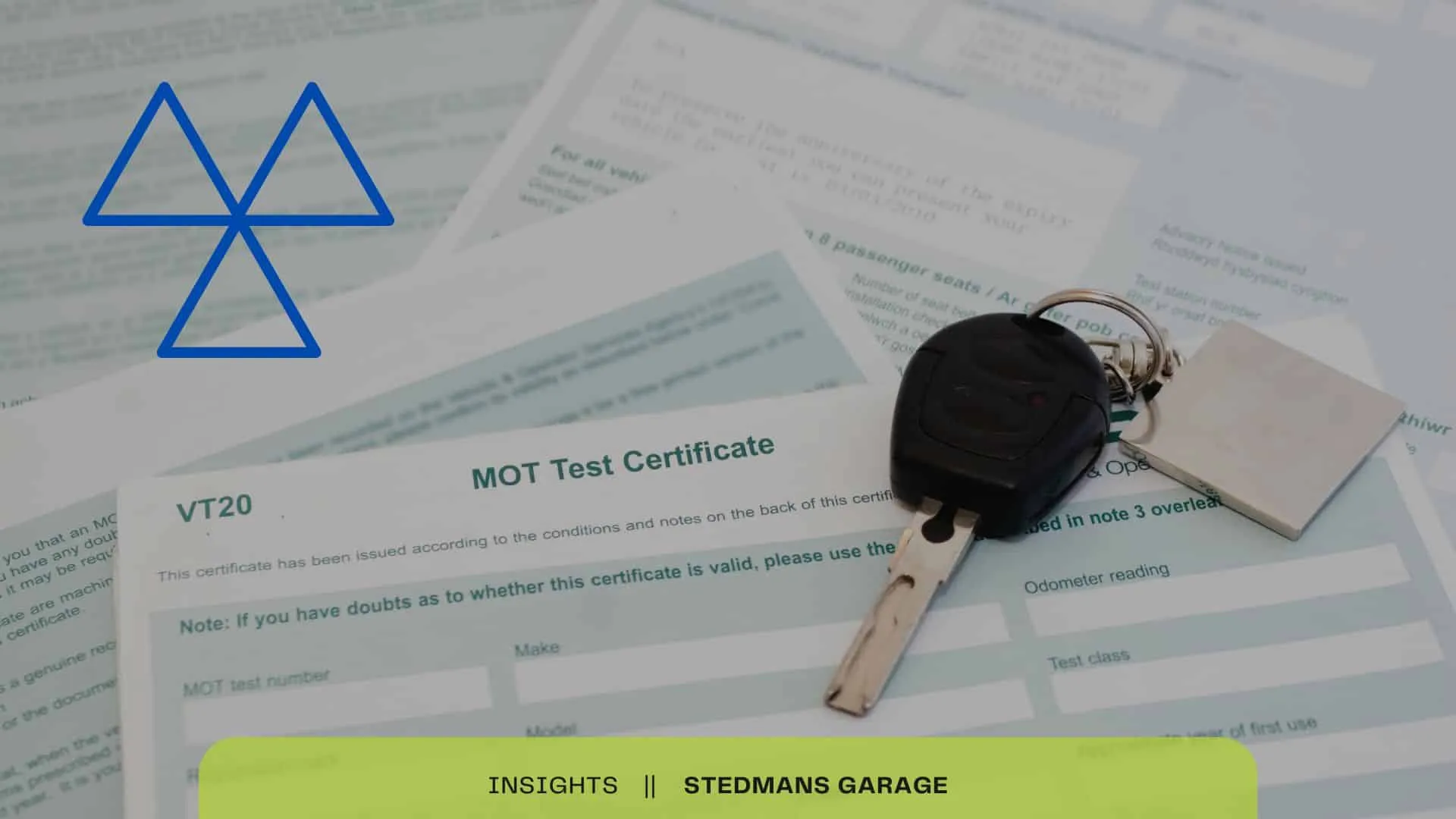
The MOT (Ministry of Transport) test is an annual safety, roadworthiness and emissions check required by UK law on most vehicles over three years old. It is carried out at DVSA-approved testing stations by individually licensed MOT testers, using equipment and procedures set by the Driver and Vehicle Standards Agency.
The MOT is not a service. It does not include any repairs, oil changes, or wear-item replacement. It checks whether the car meets minimum legal safety and emissions standards on the day of the test, no more, no less.
Why an MOT is a legal requirement
The MOT was introduced in 1960 in response to rising road deaths, and has been a legal requirement for most vehicles aged 3 years and over ever since. Driving without a valid MOT is a fixed-penalty offence of up to £1,000, and your insurance may be invalidated.
It also matters because car faults that develop over a year of driving (worn brake pads, perished tyres, blown bulbs, corroded suspension joints) often go unnoticed by the driver until something fails. The MOT is the legal safety net that catches them.
What gets checked during an MOT
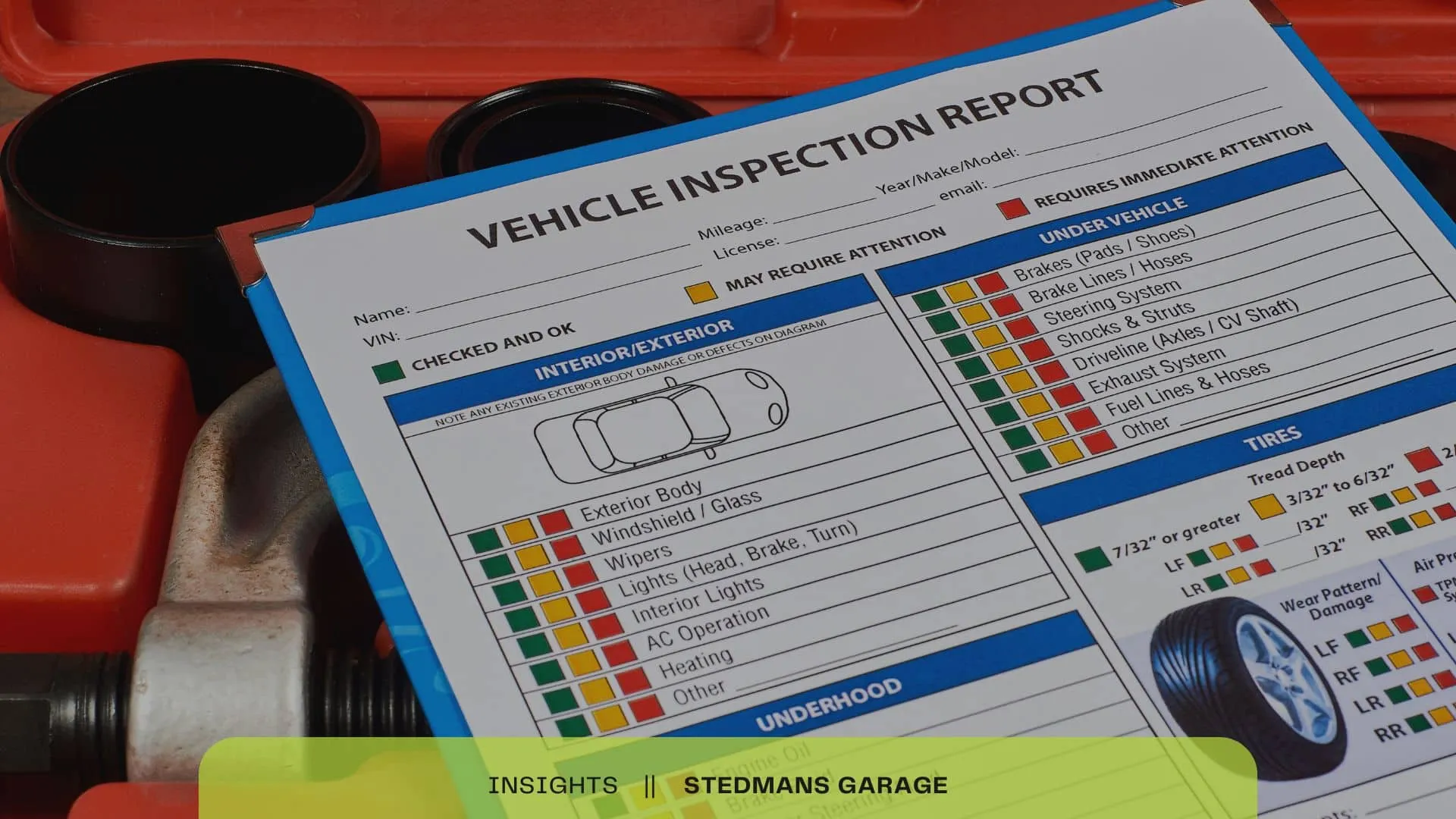
The DVSA MOT manual covers roughly 12 areas. The main categories are:
- Brakes: efficiency, balance side-to-side, condition of discs, pads, hoses and handbrake.
- Lights: headlights, indicators, brake lights, sidelights, fog lights, number plate lights, working and correctly aimed.
- Steering and suspension: play in joints, condition of shock absorbers, power steering function.
- Tyres and wheels: tread depth (minimum 1.6mm across the central three-quarters), condition, correct size, wheel security.
- Seat belts and airbags: all belts working, no warning lights, anchorages secure.
- Exhaust and emissions: measured against limits for your engine type. Stricter for diesel cars (smoke test).
- Body and structure: corrosion, sharp edges, secure fittings.
- Driver's view of the road: windscreen damage, mirrors, wipers, washers.
- Registration plates and VIN: correctly fitted, legible, matching DVLA records.
For a step-by-step walkthrough of what the tester actually does on the day, see our guide on what happens during an MOT test.
When you need an MOT
Most cars need their first MOT three years after first registration, then annually. Some vehicle types follow different rules (taxis from year one, classic vehicles over 40 years old often exempt).
You can check your MOT due date for free on the DVLA MOT check tool. You can have an MOT done up to a month (minus a day) before the expiry date and keep the same renewal date, which is the safest way to avoid driving without a valid MOT if something needs repair.
Common reasons cars fail their MOT
The most common MOT failures across the UK are also the most preventable:
- Lighting and signalling: blown bulbs, dim headlights, misaligned beam.
- Suspension: worn joints, broken coil springs, leaking shock absorbers.
- Brakes: uneven brake force, worn pads, low fluid, perished hoses.
- Tyres: below 1.6mm tread, sidewall damage, incorrect size.
- Driver's view: windscreen chips in the driver's eye-line (over 10mm) and torn wiper blades.
Many of these are quick fixes you can spot at home in a 10-minute pre-MOT walk-around. Bulbs, wiper blades, washer fluid, tyre tread, and a check that nothing on the dashboard is showing red.
What happens if your car fails
A fail means the car has at least one Dangerous or Major defect. You cannot drive the car away (except to and from a pre-booked repair, or to the test by appointment if the previous MOT is still valid). The garage gives you a fail certificate (VT30) listing the defects. Once repaired, the car can be retested.
If the car gets a Pass with Advisory items, those are issues that do not fail the test today but should be fixed before next year. Treat advisories as a service-priority list.
Book your MOT in Worthing
Stedmans Garage is a DVSA-approved MOT testing station in Worthing. We test petrol, diesel, hybrid and electric cars, and we can combine your MOT with a service in the same visit if you want both done together.
Book an MOT in Worthing, or read more: